
The vast energy infrastructure of China faces a perennial challenge: sandstorms. These meteorological phenomena, originating predominantly from desert regions in the west and north of the country, can disrupt power generation, transmission, and distribution, posing a significant risk to the nation’s industrial and domestic energy supply. As China’s energy demand continues its upward trajectory, so too does the imperative to bolster the resilience of its grid against the abrasive and obscuring effects of these dust events. This undertaking involves a multi-faceted approach, encompassing advanced monitoring technologies, structural reinforcement of key assets, strategic operational adjustments, and proactive planning to mitigate the widespread consequences of sandstorm incursions.
The Aeolian Process and its Impact
Sandstorms, also known as dust storms, are atmospheric phenomena characterized by the suspension and transport of sand and dust particles by strong winds. In China, these events are primarily driven by arid and semi-arid conditions in regions like the Gobi Desert and the Ordos Plateau. When strong winds pick up loose soil and sand, they can carry these particles over vast distances, impacting areas far removed from their origin. The particles range in size from fine dust that can remain suspended in the atmosphere for extended periods, reducing visibility to mere meters, to larger sand grains that can cause significant physical abrasion.
Specific Vulnerabilities of Energy Infrastructure
The components of China’s energy grid are susceptible to sandstorm impacts in several ways:
Impact on Power Generation Facilities
- Solar Power Farms: Photovoltaic (PV) panels are particularly vulnerable. Accumulated dust and sand significantly reduce the amount of sunlight reaching the solar cells, thereby decreasing electricity generation efficiency. In severe cases, panels can be entirely coated, rendering them inoperative until cleaned. The abrasive nature of the sand can also permanently degrade the surface of the panels, shortening their lifespan.
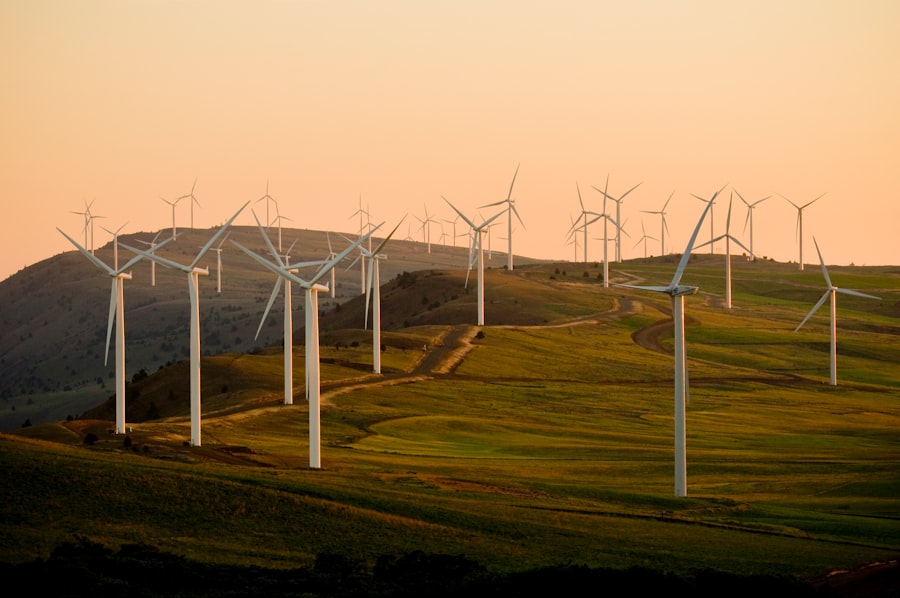
- Wind Turbines: While designed to withstand considerable environmental forces, sandstorms can stress wind turbine components. The constant bombardment of fine sand particles can lead to erosion of the turbine blades, affecting their aerodynamic efficiency and structural integrity. Grit can also infiltrate bearings, gearboxes, and other moving parts, accelerating wear and increasing the risk of mechanical failure.
- Fossil Fuel Power Plants: These facilities are less directly impacted by sand accumulation on generation equipment, but air intake filters for boilers and combustion systems can become rapidly clogged. This reduces combustion efficiency and can lead to operational disruptions. Soot and fly ash, often exacerbated by dust-laden air, can further compound fouling issues.
- Hydropower Plants: While largely sheltered from direct particle deposition, reservoir watersheds can be affected by increased erosion and sediment runoff during and after sandstorms, particularly if accompanied by rainfall. This can lead to increased siltation within reservoirs, potentially impacting water intake systems.
Challenges for Transmission and Distribution Networks
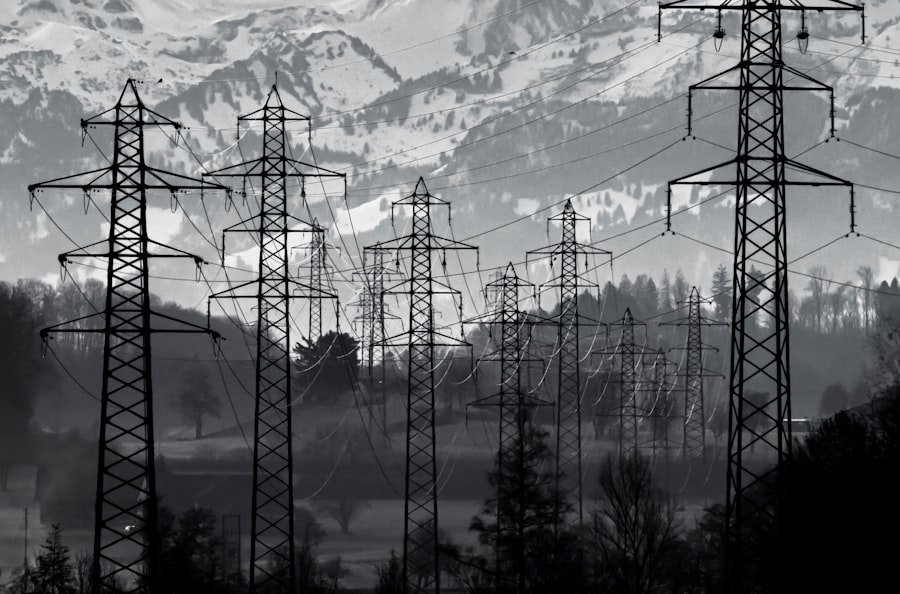
- Transmission Lines: The high-voltage transmission lines that crisscross the country are significant targets. Dust and sand accumulating on insulators can reduce their dielectric strength, leading to flashovers – sudden electrical discharges that can cause power outages and damage to substations. The conductor wires themselves can also accumulate dust, increasing their weight and susceptibility to wind-induced oscillations, known as galloping, which can lead to tower collapse.
- Substations: Substations, the nerve centers of the grid, are critical points of vulnerability. Dust accumulation on switchgear, transformers, and busbars can lead to insulation breakdown and operational faults. The fine particles can also interfere with cooling systems in transformers, leading to overheating. Frequent cleaning and maintenance become paramount.
- Distribution Networks: Localized distribution lines and equipment serving urban and rural areas are also at risk. Similar to transmission lines, insulator contamination is a primary concern, leading to localized power outages. The impact here is often more immediate for consumers.
Quantifying the Economic and Social Costs
The disruption caused by sandstorms translates into substantial economic and social costs. Beyond the direct costs of repairing damaged equipment and cleaning contaminated facilities, there are cascading effects on industrial output, transportation, and essential services. Businesses that rely on uninterrupted power supply may experience production losses, leading to supply chain disruptions and financial penalties. For communities, prolonged outages can affect heating, cooling, communication, and access to emergency services, impacting public safety and well-being. The cumulative effect of recurrent sandstorm impacts can also influence investment decisions in regions prone to these events.
In light of the increasing frequency of sandstorms in China, a recent article discusses the implications of these events on the country’s energy grid, particularly focusing on the risks of derating power generation capacity. The article highlights how sandstorms can lead to reduced solar energy output and impact wind turbine efficiency, ultimately affecting the overall stability of the energy supply. For more insights on this topic, you can read the full article here: China’s Energy Grid and Sandstorm Risks.
Strategic Enhancements to Grid Resilience
China’s response to the sandstorm threat is characterized by a proactive and evolving strategy aimed at enhancing the resilience of its expansive energy grid. This involves significant investment in technological advancements, stringent operational protocols, and forward-looking infrastructure planning.
Advanced Monitoring and Early Warning Systems
The cornerstone of any effective mitigation strategy is accurate and timely information. China has been investing heavily in developing sophisticated monitoring and early warning systems specifically tailored to detect and forecast sandstorm activity.
Meteorological Forecasting Enhancements
- Satellite-Based Monitoring: High-resolution satellite imagery, including sensors that can detect aerosol optical depth (AOD) and particulate matter concentrations, plays a crucial role. These systems provide real-time data on the location, intensity, and trajectory of dust plumes.
- Ground-Based Observational Networks: An expanding network of ground-based meteorological stations, equipped with sensors for wind speed, direction, humidity, and dust concentration, provides localized data points. This data is integrated with satellite observations to create more precise forecasts.
- Numerical Weather Prediction Models: Advanced computer models simulate atmospheric conditions, incorporating factors like wind patterns, soil moisture, and land surface characteristics to predict the likelihood and severity of sandstorms. These models are continuously refined with increasing computational power and data availability.
Real-time Grid Monitoring and Alerting
- Smart Grid Technologies: The deployment of smart grid technologies allows for real-time monitoring of grid performance. Sensors embedded within substations, transmission lines, and at generation facilities can detect anomalies, such as voltage fluctuations, insulator leakage currents, or equipment temperature increases, that might indicate an impending or occurring sandstorm impact.
- Automated Alert Systems: Integrated software platforms correlate meteorological forecasts with grid status. When a high probability of a sandstorm impacting critical infrastructure is predicted, automated alerts are dispatched to relevant grid operators and maintenance crews. This allows for pre-emptive actions.
- Drone and Remote Sensing Technologies: Unmanned aerial vehicles (UAVs) equipped with cameras and specialized sensors are increasingly utilized for inspecting grid assets, especially in remote or difficult-to-access areas. These can provide visual confirmation of dust accumulation or damage and can be deployed quickly in response to early warnings.
Hardware Fortification and Protective Measures
Beyond monitoring, a significant effort is directed towards physically strengthening grid components to withstand the abrasive and insulating effects of sandstorms.
Protecting Generation Equipment
- Solar Panel Cleaning Systems: For solar farms, automated cleaning systems have become indispensable. These range from robotic cleaners that traverse the panels to water-based spraying systems. The optimization of cleaning schedules is often linked to real-time dust concentration data.
- Wind Turbine Blade Coatings: Specialized abrasion-resistant coatings are applied to wind turbine blades to protect them from erosion. Research continues into more durable and cost-effective materials.
- Enhanced Air Filtration for Thermal Plants: The air intake systems for coal and gas-fired power plants are fitted with more robust and frequently replaced filtration systems. Advanced filter designs are employed to capture finer particles and reduce the frequency of replacement, thereby minimizing operational downtime.
Enhancing Transmission and Distribution Infrastructure
- High-Performance Insulators: The use of composite insulators, which are less susceptible to surface contamination and degradation by sand compared to traditional porcelain or glass insulators, is becoming more widespread. These materials often have hydrophobic properties that help shed dust and moisture.
- Anti-Contamination Coatings: Special coatings are being developed and applied to existing insulators to create a more slippery surface, making it harder for dust and sand to adhere. These coatings may also have self-cleaning properties activated by rain or wind.
- Tower and Conductor Maintenance: Regular inspections and cleaning of transmission towers and conductor lines are crucial. Techniques like high-pressure washing are employed, with schedules adjusted based on local sandstorm frequency. Reinforcement of tower structures in known high-risk areas is also considered.
- Substation Environmental Control: Substations are increasingly equipped with advanced environmental control systems. This includes robust sealing of enclosures, improved ventilation systems with high-efficiency particulate air (HEPA) filters, and regular internal cleaning protocols to prevent dust ingress.
Operational Adaptations and Crisis Management
Even with enhanced infrastructure, sandstorms can still pose challenges. Consequently, operational strategies are adapted to minimize the impact of these events.
Load Management and Demand Response
- Predictive Load Forecasting: During predicted sandstorm periods, grid operators may adjust load forecasts to account for potential reductions in renewable energy generation. This allows for better planning of backup power sources.
- Demand-Side Management: In affected regions, strategies may be implemented to temporarily reduce non-essential electricity consumption. This can involve voluntary curtailment by industrial users or public awareness campaigns encouraging energy conservation. The goal is to ensure that critical services remain supplied even with reduced generation capacity.
Contingency Planning and Emergency Response
- Pre-positioned Maintenance Crews: In areas identified as high-risk, maintenance crews and equipment are often pre-positioned to respond rapidly to any disruptions. This includes specialized cleaning teams and repair technicians.
- Redundancy and Backup Power: Critical substations and facilities are designed with redundant systems and backup power supplies to ensure continuity of operations in case of primary system failure. This might involve the use of diesel generators or connection to alternative, less exposed grid segments.
- Interconnection Strategies: China’s vast and interconnected grid provides a degree of inherent resilience. During sandstorms, power can be rerouted from less affected regions to compensate for localized generation deficits, a practice facilitated by inter-provincial transmission lines.
Technological Innovations Driving Resilience
The ongoing development and deployment of cutting-edge technologies are central to China’s strategy for bolstering its energy grid against sandstorm risks. These innovations span artificial intelligence, advanced materials, and automation, all contributing to a more robust and responsive energy infrastructure.
Artificial Intelligence and Machine Learning Applications
The integration of AI is revolutionizing how sandstorm impacts are predicted, managed, and mitigated.
Predictive Analytics for Sandstorm Events
- Enhanced Forecasting Models: AI algorithms can process vast datasets from weather stations, satellites, and historical sandstorm records to identify complex patterns that may elude traditional forecasting methods. This leads to more accurate predictions of sandstorm occurrence, intensity, and movement.
- Risk Assessment Tools: AI-powered tools can assess the vulnerability of specific grid assets based on their location, age, material composition, and exposure to prevailing wind patterns. This allows grid operators to prioritize maintenance and upgrade efforts.
- Predictive Maintenance: Machine learning models analyze sensor data from grid equipment to predict when maintenance is most needed, not just on a fixed schedule, but based on real-time operational stress and environmental factors, including the likelihood of sand accumulation.
Automated Grid Management and Control
- Dynamic Load Balancing: AI systems can optimize real-time load balancing across the grid, automatically rerouting power to compensate for generation losses due to sandstorms or other disruptions. This ensures a more stable and continuous supply.
- Intelligent Fault Detection and Isolation: AI can rapidly detect and isolate faults caused by sandstorms, minimizing the impact on connected consumers and preventing cascading failures across the grid. This is achieved through rapid analysis of SCADA (Supervisory Control and Data Acquisition) system data.
- Optimized Cleaning Schedules: For renewable energy assets like solar farms, AI can optimize cleaning schedules by considering weather forecasts, real-time dust levels, and predicted energy generation losses, thus maximizing efficiency and cost-effectiveness.
Advanced Materials Science in Grid Components
The selection and development of advanced materials are crucial for enhancing the durability and resilience of grid infrastructure.
Nanomaterials and Surface Treatments
- Superhydrophobic and Oleophobic Coatings: Research is ongoing into applying advanced coatings that repel both water and oil-based contaminants. These coatings can significantly reduce the adherence of dust and sand to insulators and solar panels. The stability and long-term efficacy of these treatments in harsh environments are key research areas.
- Self-Healing Materials: While still largely in the research phase for large-scale grid applications, self-healing materials could offer future solutions. These materials could repair minor abrasions or cracks caused by sand particles, extending the lifespan of components like turbine blades or transmission line coverings.
Composites and Corrosion-Resistant Alloys
- Fiber-Reinforced Polymers (FRP): The use of FRP in composite insulators offers superior dielectric properties and better resistance to environmental degradation compared to traditional materials. Their lightweight nature also simplifies installation and maintenance.
- Corrosion-Resistant Alloys: For structural components exposed to abrasion and potential moisture ingress from dust, corrosion-resistant alloys are increasingly employed. This ensures structural integrity over the long term in environments prone to particulate contamination.
Automation and Robotics in Maintenance
The deployment of robotic systems is transforming the labor-intensive and often hazardous task of grid maintenance, especially in sandstorm-affected regions.
Robotic Inspection and Cleaning
- Autonomous Drones: Drones equipped with high-resolution cameras and thermal imaging capabilities can conduct automated inspections of transmission towers and lines, identifying potential issues such as insulator defects or structural damage without requiring human intervention at height.
- Robotic Cleaning Units: For solar farms and substation equipment, robotic cleaning units are becoming more sophisticated. These can operate autonomously, following pre-programmed paths or responding to AI-driven directives, ensuring consistent cleaning coverage.
- Crawler Robots: For inspecting the internal components of large transformers or substations, smaller, tracked robots can navigate confined spaces, providing visual and diagnostic data.
Policy and Regulatory Frameworks Guiding Resilience Efforts
The technical solutions and technological advancements are underpinned by a robust policy and regulatory framework designed to prioritize and incentivize grid resilience against sandstorm risks. This framework aims to standardize practices, encourage investment, and ensure accountability.
National Standards and Guidelines
China has been actively developing and updating national standards and technical guidelines pertaining to power grid design, construction, operation, and maintenance, with specific considerations for environmental hazards like sandstorms.
Infrastructure Design Standards
- Requirements for Insulation and Material Selection: National codes now mandate specific requirements for the types of insulators and materials used in power grid construction, particularly in regions prone to dust and sand. This includes specifying minimum creepage distances for insulators and requiring the use of abrasion-resistant materials.
- Environmental Impact Assessments: Regulatory requirements stipulate comprehensive environmental impact assessments for all new power generation and transmission projects, including detailed analysis of potential sandstorm risks and the proposed mitigation strategies.
Operational and Maintenance Protocols
- Mandated Inspection and Cleaning Frequencies: The national framework establishes minimum frequencies for the inspection and cleaning of critical grid assets, with these frequencies often adjusted based on regional sandstorm severity data.
- Emergency Response Planning Guidelines: Standardized guidelines for emergency response planning are in place, covering procedures for notification, mobilization, fault isolation, and restoration of power supply during and after sandstorm events.
Incentives for Technological Adoption and Investment
Government policies also aim to encourage the adoption of advanced technologies and investment in resilience-focused infrastructure.
Research and Development Funding
- Support for Innovation: Significant government funding is allocated to research and development programs focused on improving sandstorm forecasting, developing advanced materials, and creating more effective cleaning and inspection technologies.
- Subsidies and Tax Breaks: Incentives such as subsidies, tax breaks, and preferential financing are offered to power companies that invest in grid modernization projects, including the implementation of smart grid technologies and the adoption of resilient infrastructure designs.
Performance-Based Regulation
- Reliability Targets: The regulatory bodies set stringent reliability targets for the power grid. Failure to meet these targets, especially if attributable to preventable environmental hazards like sandstorms, can result in penalties for utility companies. Conversely, exceeding targets can lead to rewards.
- Reporting and Transparency: Power companies are required to regularly report on their grid performance, including incidents related to sandstorm impacts and the measures taken to address them. This promotes transparency and accountability.
International Collaboration and Knowledge Exchange
While China leverages its extensive domestic experience, it also engages in international collaboration to learn from global best practices and to contribute to the collective knowledge on managing environmental risks to energy infrastructure.
Sharing Best Practices and Technologies
- Participation in International Forums: Chinese energy sector professionals and researchers actively participate in international conferences, workshops, and working groups focused on grid resilience, disaster management, and sustainable energy development.
- Joint Research Projects: Collaboration on joint research projects with international institutions and companies allows for the exchange of knowledge and the development of shared solutions for common challenges like sandstorm mitigation.
Adopting Global Standards
- Benchmarking Against International Norms: China benchmarks its own standards and practices against international norms and the performance of grids in other countries facing similar environmental challenges. This helps identify areas for further improvement and ensures alignment with global technological advancements.
Recent studies have highlighted the increasing vulnerability of China’s energy grid to derate risks posed by sandstorms, which can significantly disrupt power generation and distribution. For a deeper understanding of this issue, you can explore a related article that discusses the implications of climate change on energy infrastructure. This article provides valuable insights into how environmental factors, including sandstorms, are impacting energy reliability in the region. To read more about this critical topic, visit this article.
Future Outlook and Ongoing Challenges
| Region | Derate Factor | Sandstorm Risk Level |
|---|---|---|
| North China | 0.85 | High |
| East China | 0.90 | Medium |
| South China | 0.95 | Low |
China’s commitment to safeguarding its energy grid from sandstorms is a dynamic and ongoing process. While significant progress has been made, several challenges remain, and further innovations will be crucial for long-term resilience.
Continuous Technological Advancement
The arms race against environmental degradation necessitates continuous innovation. Future efforts will likely focus on:
- Enhanced AI Integration: Deeper integration of AI into grid operations, moving from predictive analytics to more sophisticated autonomous decision-making and control systems. This will involve developing AI that can adapt in real-time to unforeseen environmental conditions.
- Next-Generation Materials: Research into even more durable, self-cleaning, and environmentally friendly materials for grid components. This includes exploring bio-inspired materials and advanced composites that offer superior performance in abrasive conditions.
- Data Analytics and Big Data: Harnessing the ever-increasing volume of data generated by smart grids and monitoring systems to gain deeper insights into sandstorm impacts and optimize mitigation strategies. This will involve sophisticated big data analytics platforms.
Climate Change Considerations
The evolving climate landscape presents an additional layer of complexity. While this article focuses on current sandstorm risks, the broader context of climate change, including potential shifts in desertification patterns and extreme weather events, needs to be factored into long-term grid planning.
- Shifting Desertification Patterns: Changes in regional climate could potentially alter the geographic distribution and intensity of sandstorms, requiring adaptive grid planning.
- Interactions with Other Extreme Weather: The combination of sandstorms with other extreme weather events, such as heavy rainfall or temperature fluctuations, could create novel and more complex challenges for grid infrastructure.
Economic and Resource Management
The substantial investments required for grid resilience present ongoing economic and resource management challenges.
- Cost-Effective Solutions: Balancing the need for advanced, resilient infrastructure with cost-effectiveness remains a critical consideration. Identifying scalable and economically viable solutions for widespread deployment is essential.
- Resource Allocation: Prioritizing investments in the most vulnerable areas and components of the grid, while ensuring sufficient resources for ongoing maintenance and operational adaptations, requires careful strategic planning and resource allocation.
- Skilled Workforce Development: The increasing complexity of grid technologies and maintenance procedures necessitates a skilled workforce. Ensuring adequate training and development programs for engineers, technicians, and operators will be vital.
Public Engagement and Community Resilience
While the focus is on the grid, the ultimate aim is to ensure reliable energy for the population.
- Community Preparedness: Integrating grid resilience planning with broader community preparedness strategies for natural disasters, including sandstorms, will enhance overall societal resilience.
- Public Awareness and Education: Informing the public about the challenges of sandstorm impacts on energy supply and the measures being taken can foster understanding and support for necessary investments and operational adjustments.
In conclusion, China’s proactive approach to addressing the risks posed by sandstorms to its energy grid is a multifaceted endeavor. It involves a sophisticated interplay of advanced technology, stringent policy frameworks, and a commitment to continuous improvement. As the nation continues to expand its energy capacity, the resilience of its grid against the abrasive force of sandstorms will remain a critical determinant of its sustained economic growth and social stability. The ongoing evolution of its strategies reflects an understanding that the challenges are persistent and require sustained attention and innovation.
FAQs
What is the China energy grid derate sandstorm risk article about?
The article discusses the measures being taken by China to derate the impact of sandstorms on its energy grid.
Why is sandstorm risk a concern for China’s energy grid?
Sandstorms can cause damage to power lines, disrupt electricity transmission, and affect the operation of power plants, leading to potential blackouts and power outages.
What specific measures is China taking to derate the sandstorm risk on its energy grid?
China is implementing measures such as building protective barriers, using advanced weather forecasting technology, and adjusting the design and layout of power infrastructure to mitigate the impact of sandstorms.
What are the potential benefits of derating sandstorm risk on China’s energy grid?
By derating the sandstorm risk, China can reduce the likelihood of power outages, ensure a more reliable energy supply, and minimize the economic and social impact of sandstorms on the energy sector.
How does derating sandstorm risk align with China’s broader energy and environmental goals?
Derating sandstorm risk aligns with China’s broader goals of improving energy security, promoting sustainable development, and reducing the environmental impact of energy production and distribution.