
China’s vast northern and western regions are no strangers to the dramatic spectacle of dust storms. These powerful atmospheric events, characterized by swirling clouds of fine particulate matter, have been a recurring feature of the landscape for centuries. However, in recent decades, the frequency, intensity, and duration of these storms have become a growing concern, directly impacting the health and well-being of millions. The economic and social ramifications are significant, but perhaps the most pressing issue is the direct threat dust storms pose to respiratory health, leading to demonstrable surges in respiratory ailments and imposing considerable healthcare burdens. This article will delve into the multifaceted issue of China’s dust storms, exploring their contributing factors, the specific health consequences they precipitate, and the societal costs associated with these pervasive environmental phenomena.
Recent studies have highlighted the alarming health costs associated with the surge in respiratory issues linked to dust storms in China. An insightful article that delves into this topic can be found at MyGeoQuest, where researchers discuss the correlation between increased particulate matter in the air and the rising incidence of respiratory diseases among affected populations. This article underscores the urgent need for public health interventions and policy changes to mitigate the impact of these environmental challenges.
Understanding the Genesis of China’s Dust Storms
The formation of dust storms is a complex interplay of meteorological and environmental factors. China’s geography, particularly the arid and semi-arid regions of the vast Gobi Desert and the surrounding steppes, provides an abundant source of loose, fine soil and sand. When atmospheric conditions align, these particles are lifted and transported across large distances, creating the characteristic dust plumes.
Meteorological Triggers for Dust Storm Formation
The primary meteorological driver behind severe dust storms is the passage of strong cold fronts. These fronts are characterized by rapid drops in temperature and significant pressure gradients, which generate powerful winds.
The Role of Low-Pressure Systems and Strong Winds
As a cold front advances, it creates a steep pressure gradient. Air rushes from areas of high pressure to areas of low pressure, resulting in forceful winds. When these winds are of sufficient velocity to overcome the cohesive forces holding soil particles together on the ground, dust lifting commences. The speed of these winds is a critical determinant of the storm’s intensity and the extent to which particles are lofted into the atmosphere.
Seasonal Patterns and Frequency
Dust storms in China exhibit distinct seasonal patterns, with the spring months, typically from March to May, being the most vulnerable period. During this time, temperatures begin to warm after winter, but the earth remains dry and vegetation cover is minimal. This creates the optimal conditions for wind erosion. The retreat of winter snowpack also exposes vast areas of desiccated land. While spring is most prominent, dust storms can occur at other times of the year, albeit with reduced frequency. Changes in these patterns, influenced by broader climate shifts, are a subject of ongoing scientific inquiry.
Environmental Factors Contributing to Dust Storm Intensification
While meteorological conditions provide the immediate impetus for dust storms, a range of environmental factors, many of which are human-induced, significantly exacerbate their severity and frequency.
Land Degradation and Deforestation
The long-term degradation of vast tracts of land in northern China has been a primary contributor to increased dust storm activity. Unsustainable agricultural practices, overgrazing by livestock, and extensive deforestation have stripped away vegetation cover that would otherwise anchor the soil. This leaves the soil exposed and vulnerable to wind erosion. Historical expansion of agricultural frontiers into marginal lands, coupled with population growth and the associated demand for resources, has contributed to this widespread land degradation.
Desertification: A Growing Threat
Desertification, the process by which fertile land becomes desert, is a significant concern in China. It is driven by a combination of climatic variations and human activities. The encroachment of desert areas, particularly from the Gobi Desert, expands the source regions for dust. This is a feedback loop where degraded land becomes more susceptible to desertification, which in turn generates more dust. Efforts to combat desertification through afforestation and sustainable land management practices are crucial to mitigating dust storm impacts.
Agricultural Practices and Soil Exposure
Certain agricultural practices, particularly those involving extensive tilling without adequate soil protection measures, can leave soil exposed and prone to wind erosion. The cultivation of cash crops in arid and semi-arid regions, sometimes with monoculture approaches, can deplete soil nutrients and structure, further increasing its susceptibility to being lifted by winds.
Respiratory Health Impacts of Dust Storms

The particulate matter carried by dust storms, ranging in size from coarse sand grains to ultrafine particles, poses a significant threat to human respiratory health. These particles can penetrate deep into the lungs, triggering a cascade of adverse health effects.
The Composition of Dust Storm Particles and Their Health Risks
The composition of dust storm particles is diverse, reflecting the geological and environmental conditions of their source regions. However, the primary concern for health lies in their fine particulate content, particularly PM10 (particles with a diameter of 10 micrometers or less) and PM2.5 (particles with a diameter of 2.5 micrometers or less).
PM2.5: The Silent Menace
PM2.5 particles are of particular concern due to their small size, which allows them to bypass the body’s natural defense mechanisms and reach the deepest parts of the lungs, including the alveoli. These particles can also enter the bloodstream, leading to systemic inflammation. In addition to mineral dust, PM2.5 can contain sulfates, nitrates, carbon particles, and heavy metals, all of which contribute to their toxicity.
Exposure Routes and Mechanisms of Harm
Inhalation is the primary route of exposure for dust storm particles. Upon entering the respiratory system, these particles can cause physical irritation, leading to inflammation of the airways. The chemical components of the dust can further exacerbate these inflammatory responses. For individuals with pre-existing respiratory conditions, exposure can trigger acute exacerbations and worsen their underlying disease.
Short-Term Respiratory Effects and Illnesses
The immediate health consequences of dust storm exposure are often evident in increased instances of acute respiratory distress and related illnesses.
Increased Incidences of Cough, Wheezing, and Shortness of Breath
During and immediately following a dust storm, emergency departments and clinics often see a surge in patients presenting with symptoms such as persistent cough, audible wheezing, and difficulty breathing (shortness of breath). These symptoms are direct responses to the irritation and inflammation caused by inhaled particulate matter.
Aggravation of Asthma and COPD Symptoms
Individuals suffering from chronic respiratory diseases, such as asthma and Chronic Obstructive Pulmonary Disease (COPD), are particularly vulnerable to dust storms. The inflammatory stimuli from inhaled dust can trigger bronchoconstriction in asthmatics and exacerbate mucus production and airway obstruction in COPD patients, leading to severe exacerbations that may require hospitalization.
Acute Bronchitis and Pneumonia
The inflammatory response to heavy particulate exposure can weaken the respiratory system’s defenses, making individuals more susceptible to infections. This can lead to an increase in cases of acute bronchitis (inflammation of the bronchial tubes) and, in more severe instances, pneumonia (infection of the lungs). Elderly individuals and young children are at higher risk for these complications.
Long-Term Respiratory Health Consequences
While the immediate impacts are significant, prolonged or repeated exposure to dust storm pollution can contribute to more chronic and serious respiratory health issues.
Increased Risk of Developing Chronic Respiratory Diseases
Studies suggest a correlation between long-term exposure to air pollution, including particulate matter from dust storms, and an increased risk of developing chronic respiratory diseases such as asthma and COPD. The continuous inflammation and damage to lung tissue can lead to irreversible changes over time.
Impact on Lung Function and Development
For children, chronic exposure to high levels of air pollution, including dust, can impede normal lung development, potentially leading to reduced lung capacity and an increased susceptibility to respiratory problems throughout their lives. In adults, it can contribute to a faster decline in lung function.
Potential Links to Cardiovascular Issues
While this article focuses on respiratory health, it is important to note that the fine particulate matter common in dust storms has also been linked to cardiovascular problems. Inflammation in the lungs can spill over into the bloodstream, affecting blood vessels and increasing the risk of heart attacks and strokes.
Economic and Societal Costs of Dust Storms
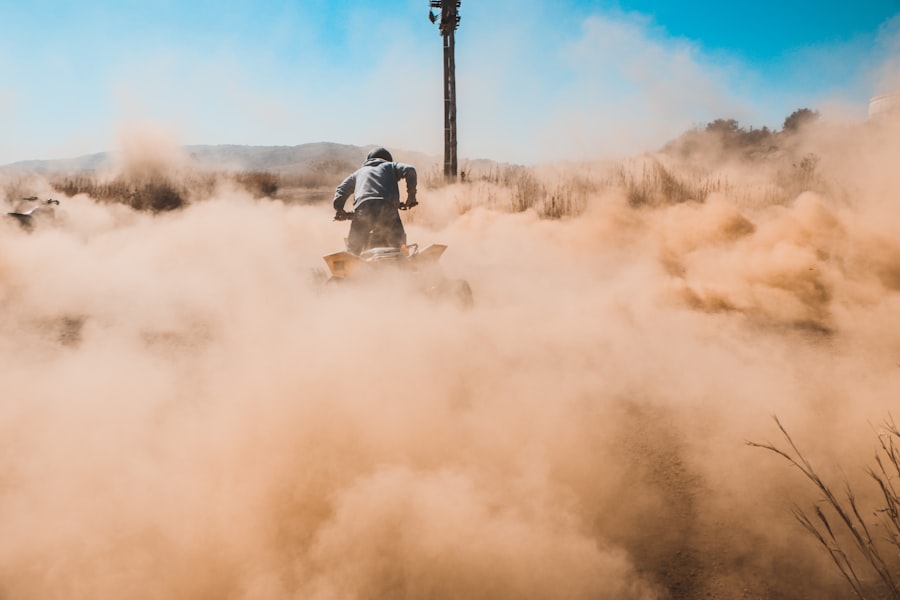
Beyond the direct health impacts, China’s dust storms impose substantial economic and societal costs, affecting various sectors and influencing daily life for millions.
Healthcare System Strain and Associated Expenses
The surge in respiratory ailments during dust storm periods places a considerable burden on China’s healthcare system, leading to increased demand for services and significant financial expenditure.
Increased Hospital Admissions and Emergency Room Visits
The exacerbation of existing respiratory conditions and the onset of new ones translate directly into higher numbers of hospital admissions and emergency room visits. This strains hospital resources, including beds, medical staff, and equipment.
Costs of Medication and Treatment
Treating respiratory illnesses, from common colds and bronchitis to severe asthma attacks and pneumonia, involves the prescription of various medications, diagnostic tests, and potentially long-term care. These costs are borne by individuals, insurance providers, and the public health system.
Lost Productivity Due to Illness
When individuals are sick, they are unable to work or attend school, leading to a loss of productivity. This has economic implications for businesses and the broader economy. The cumulative effect of widespread illness can lead to significant economic disruption.
Economic Disruptions and Sectoral Impacts
Dust storms can have far-reaching economic consequences, disrupting various industries and affecting livelihoods.
Impact on Agriculture and Livestock
The fine dust can settle on crops, reducing sunlight penetration and potentially damaging plant tissues, thereby affecting agricultural yields. In pastoral areas, dust can contaminate grazing lands and water sources, impacting livestock health and productivity. The economic losses incurred by farmers and herders can be substantial.
Disruptions to Transportation and Infrastructure
Severe dust storms significantly reduce visibility, posing serious safety hazards for road, rail, and air transportation. Flights are frequently canceled or delayed, and road closures can disrupt supply chains and travel. The accumulation of dust on infrastructure can also necessitate additional maintenance and cleaning efforts.
Tourism and Outdoor Recreation Losses
Regions heavily reliant on tourism, particularly those focused on outdoor activities, can suffer significant losses during dust storm periods. Reduced air quality and visibility deter tourists, leading to cancellations and decreased revenue for hotels, restaurants, and tour operators.
Air Quality Monitoring and Public Awareness Initiatives
Addressing the challenges posed by dust storms necessitates robust air quality monitoring systems and effective public awareness campaigns to inform and protect the population.
The Importance of Real-Time Air Quality Data
Accurate and timely data on air quality, including PM2.5 and PM10 concentrations, is crucial for assessing the severity of dust storms and informing public health advisories. This data allows individuals to take necessary precautions and enables government agencies to implement response measures.
Public Health Advisories and Protective Measures
Effective communication of health risks associated with dust storms is paramount. Public health agencies issue advisories recommending that vulnerable populations – including the elderly, children, and those with pre-existing respiratory or cardiovascular conditions – limit outdoor activities, wear masks, and keep windows closed during periods of high pollution.
Educational Campaigns on Prevention and Mitigation
Broader educational campaigns focusing on the causes of dust storms and the importance of sustainable land management practices are essential for long-term mitigation. These campaigns can foster greater public understanding and support for reforestation efforts, responsible agricultural practices, and policies aimed at combating desertification.
Recent studies have highlighted the alarming health costs associated with the surge in respiratory issues linked to dust storms in China. These environmental events not only exacerbate existing health conditions but also lead to increased hospital visits and medical expenses for affected populations. For a deeper understanding of the implications of these dust storms on public health, you can read more in this related article on the topic. The findings underscore the urgent need for effective air quality management and public health strategies to mitigate these impacts. To explore further, visit this article.
Mitigation Strategies and Future Outlook
| Year | Dust Storm Events | Health Cost (in millions) | Respiratory Surge (%) |
|---|---|---|---|
| 2015 | 12 | 150 | 25 |
| 2016 | 15 | 180 | 30 |
| 2017 | 10 | 120 | 20 |
Addressing the complex issue of China’s dust storms requires a multi-pronged approach, encompassing both immediate protective measures and long-term environmental restoration efforts.
Combating Land Degradation and Desertification
The most effective long-term strategy for reducing dust storm frequency and intensity lies in reversing the processes of land degradation and desertification.
Afforestation and Reforestation Programs
Large-scale afforestation and reforestation projects have been implemented in China, aiming to re-establish vegetation cover in vulnerable areas. The “Great Green Wall” initiative, a vast tree-planting project designed to halt the southward expansion of the Gobi Desert, is a prominent example. The success of these initiatives depends on appropriate species selection, effective maintenance, and sustained investment.
Sustainable Land Management Practices in Agriculture and Livestock
Promoting sustainable agricultural practices, such as reduced tillage, crop rotation, and improved irrigation techniques, can help preserve soil health and reduce erosion. In pastoral areas, implementing rotational grazing systems and controlling livestock numbers can prevent overgrazing and allow vegetation to recover.
Water Management and Conservation
Effective water management is crucial in arid and semi-arid regions. Water conservation efforts, including rainwater harvesting and efficient irrigation, can help maintain soil moisture and support vegetation growth, thereby increasing soil stability.
Technological Innovations and Infrastructure Development
Technological advancements and infrastructure improvements can play a role in both monitoring and mitigating the impacts of dust storms.
Advanced Dust Storm Prediction Models
Ongoing research is focused on developing more accurate and timely prediction models for dust storms. These models leverage meteorological data, satellite imagery, and atmospheric modeling to forecast the formation, trajectory, and intensity of dust events, allowing for better preparedness.
Urban Planning and Air Filtration Systems
In urban areas, efforts can be made to mitigate the impact of dust by incorporating green spaces and developing more effective urban planning strategies that can help reduce wind speeds and capture particulate matter. The deployment of advanced air filtration systems in public buildings and indoor spaces can also provide refuge for vulnerable populations.
International Cooperation and Policy Development
Dust storms transcend national borders, necessitating international cooperation and robust policy frameworks.
Cross-Border Collaboration on Dust Storm Research and Mitigation
Dust storms originating in Mongolia and Central Asia can affect China, and vice versa. Collaborative research efforts and joint mitigation strategies among neighboring countries are essential for addressing a transboundary environmental challenge.
Strengthening Environmental Regulations and Enforcement
The implementation and enforcement of stringent environmental regulations related to land use, industrial emissions, and agricultural practices are critical. Policies that incentivize sustainable land management and penalize environmentally damaging activities are essential for long-term success.
Public Health Preparedness and Response Planning
Continuously refining public health preparedness plans for dust storm events is crucial. This includes ensuring adequate stockpiles of medical supplies, training healthcare professionals in managing dust-related respiratory illnesses, and establishing effective communication channels for public advisories.
In conclusion, China’s dust storms represent a significant environmental and public health challenge. The interplay of natural meteorological phenomena and human-induced land degradation has intensified these events, leading to substantial respiratory ailments and considerable healthcare costs. While immediate measures to protect public health are vital, a comprehensive and sustained commitment to combating land degradation, promoting sustainable practices, and fostering international cooperation is essential for mitigating the pervasive impact of these environmental forces and safeguarding the well-being of millions. The long-term outlook for dust storm activity is intricately linked to the effectiveness of these mitigation efforts and the broader trajectory of climate change.
FAQs
What is the China dust storm health cost respiratory surge article about?
The article discusses the impact of dust storms in China on respiratory health and the associated healthcare costs.
What are the health effects of dust storms on respiratory health?
Dust storms can lead to an increase in respiratory problems such as asthma, bronchitis, and other respiratory infections due to the inhalation of fine particulate matter and other pollutants.
How do dust storms impact healthcare costs in China?
The surge in respiratory illnesses caused by dust storms leads to an increase in healthcare costs, including hospital admissions, medication expenses, and treatment for respiratory conditions.
What measures are being taken to mitigate the health impact of dust storms in China?
The Chinese government has implemented measures such as air quality monitoring, public health advisories, and efforts to reduce air pollution to mitigate the health impact of dust storms.
What can individuals do to protect themselves during dust storms?
During dust storms, individuals can protect themselves by staying indoors, using air purifiers, wearing masks, and avoiding outdoor activities to minimize exposure to airborne dust and pollutants.