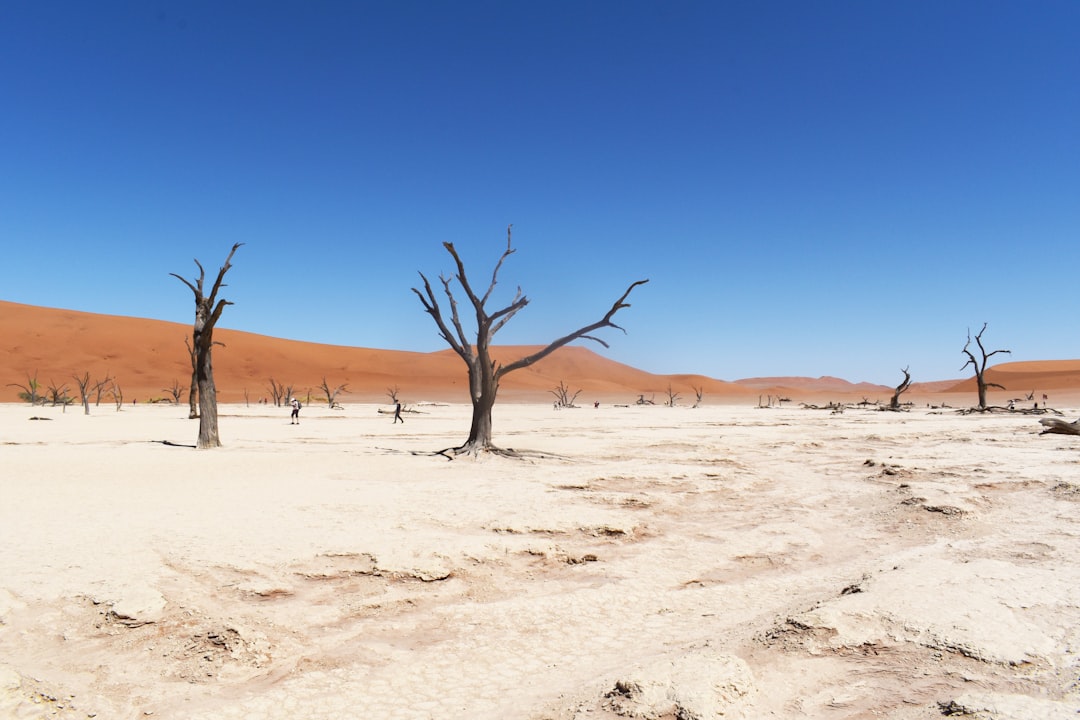
The creeping sands of China’s deserts pose an increasingly urgent threat, not only to the nation’s internal stability and agricultural capacity but also to the intricate web of global trade. As desertification accelerates across vast swathes of the country, it disrupts supply chains, diminishes production capacity, and fuels environmental instability that reverberates far beyond its borders. This phenomenon, driven by a confluence of historical agricultural practices, climate change, and unsustainable resource management, is a stark reminder of the interconnectedness of environmental and economic well-being.
China’s struggle with desertification is a long-standing issue, but recent decades have witnessed an alarming intensification. The affected areas are primarily located in the north and west of the country, encompassing arid and semi-arid regions that are crucial for both agriculture and pastoralism. The Gobi Desert, the Loess Plateau, and the basins of Xinjiang are particularly vulnerable, with the desert encroaching upon arable land and vital rangelands at an unprecedented rate.
Physical and Geographical Factors
The geographical landscape of northern and western China is inherently susceptible to desertification. The region’s dry climate, characterized by low rainfall and high evaporation rates, creates a fragile ecosystem. Strong winds, prevalent during spring and autumn, exacerbate the problem by eroding exposed soil and transporting sand over long distances. The historical presence of natural vegetation, which once served as a crucial buffer against wind and soil erosion, has been significantly degraded over time.
Anthropogenic Pressures
Human activities have played a pivotal role in accelerating desertification. Historically, extensive and often unsustainable agricultural practices have depleted soil nutrients and moisture. Overgrazing by livestock, particularly in the ecologically sensitive rangelands, has destroyed vegetation cover, leaving the soil exposed. Deforestation, driven by demand for timber and fuelwood, has further weakened the land’s natural resilience.
Climate Change Amplification
The global phenomenon of climate change is amplifying the existing drivers of desertification in China. Rising global temperatures lead to increased evaporation and more frequent and severe droughts. Changes in precipitation patterns, often characterized by more intense but less frequent rainfall events, can lead to flash floods that cause significant soil erosion. The unpredictable weather exacerbates the challenges faced by agricultural communities and makes long-term planning for land use incredibly difficult.
Unsustainable Water Management
China’s rapid industrialization and population growth have placed immense pressure on its water resources. In arid and semi-arid regions, the overuse of surface and groundwater for irrigation, industrial processes, and urban consumption has led to the depletion of water tables. This reduced water availability further stresses vegetation, making it more susceptible to degradation and contributing to land desertification.
Desertification in China has become a pressing issue, not only affecting the local environment but also posing significant challenges to global trade. As arable land diminishes, agricultural productivity declines, which can lead to increased food prices and supply chain disruptions worldwide. For a deeper understanding of how these environmental changes are intertwined with global economic dynamics, you can read a related article that explores the implications of desertification on international trade at this link.
Impacts on China’s Domestic Economy and Society
The consequences of desertification within China are profound and far-reaching, affecting agricultural productivity, food security, and the livelihoods of millions. The economic and social fabric of affected regions is under immense strain, necessitating substantial governmental investment and intervention.
Agricultural Decline and Food Security Concerns
Desertification directly undermines agricultural productivity by reducing arable land and decreasing soil fertility. As sand encroaches on farmland, crop yields decline, leading to reduced agricultural output. This poses a significant challenge to China’s efforts to ensure national food security, particularly in regions heavily reliant on agriculture. The loss of fertile land also necessitates the expansion of agriculture into more marginal areas, often leading to further ecological degradation.
Displacement and Social Instability
The degradation of land and the loss of agricultural livelihoods force rural populations to migrate, often to urban centers in search of employment. This internal displacement can lead to social tensions, strain urban infrastructure, and create new challenges in terms of housing, employment, and social services. The loss of traditional ways of life for pastoral communities also contributes to social disruption.
Economic Costs of Land Degradation
Combating desertification and rehabilitating degraded land incurs significant economic costs. China has invested billions of dollars in afforestation projects, water conservation efforts, and relocating vulnerable communities. These expenditures divert resources from other areas of development and highlight the substantial economic burden imposed by desertification. The long-term economic costs of inaction, including lost productivity and environmental damage, are even greater.
Health Impacts of Dust Storms
Dust storms, a common consequence of desertification, have direct health implications for the population. The fine particulate matter carried by these storms can lead to respiratory illnesses, cardiovascular problems, and eye irritation. These health impacts place an additional burden on healthcare systems and reduce the overall well-being of affected populations.
Threats to Global Trade: Supply Chain Disruptions
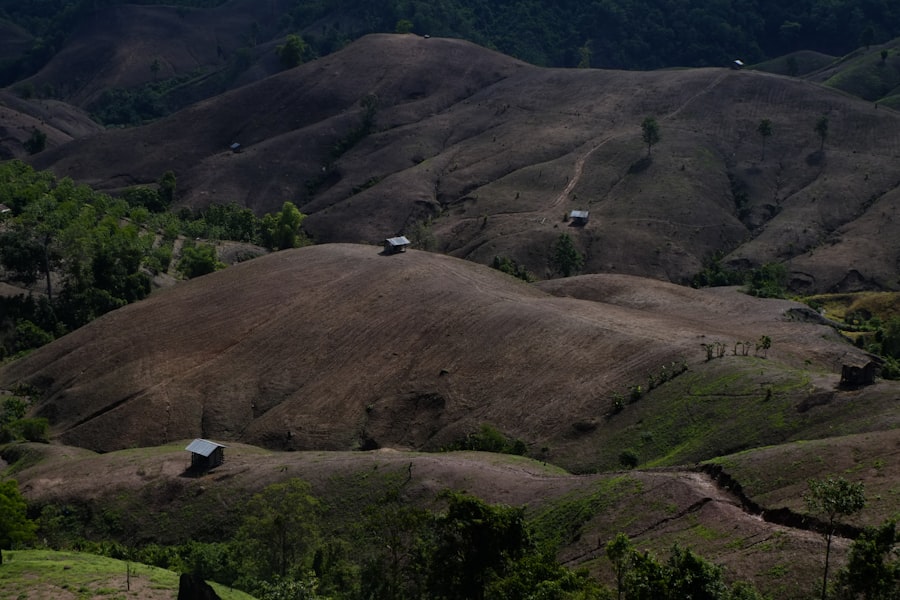
The escalating desertification in China directly impacts global trade through disruptions to its extensive and vital supply chains. As a manufacturing and agricultural powerhouse, China’s internal environmental stresses have tangible consequences for international markets.
Impact on Agricultural Exports
China is a significant exporter of various agricultural products. Desertification directly reduces the availability of land suitable for cultivation, leading to lower yields of crops like grains, cotton, and fruits. This diminished domestic production translates into reduced export volumes, potentially leading to shortages and price increases in international markets for these goods. Global food security can be indirectly affected as countries relying on Chinese agricultural imports face new procurement challenges.
Disruption of Raw Material Sourcing
Beyond food products, China’s industrial sector relies on a vast array of raw materials, some of which are sourced domestically. Desertification can affect the production of materials like wool, leather, and certain wood products, impacting their availability and price on the global market. Furthermore, the extraction of minerals and other resources in affected regions can be hindered by environmental degradation and the logistical challenges posed by sandstorms.
Increased Transportation Costs and Delays
Desertification contributes to more frequent and severe dust storms. These storms can significantly disrupt transportation networks, including roads, railways, and even air travel. Visibility is reduced, making travel hazardous and leading to delays in the movement of goods. Ports can also be affected by sand accumulation. These disruptions increase transportation costs due to detours, longer transit times, and the need for protective measures, ultimately impacting the competitiveness of Chinese exports and the reliability of global supply chains.
Impact on Manufacturing Hubs
Many of China’s manufacturing hubs are located in or near regions susceptible to desertification. The environmental degradation can affect local infrastructure, water availability for industrial processes, and the health of the workforce. In extreme cases, environmental factors could necessitate the relocation or scaling back of manufacturing operations, leading to a reduction in global manufacturing capacity and further supply chain instability.
Cascading Environmental Effects and Global Implications
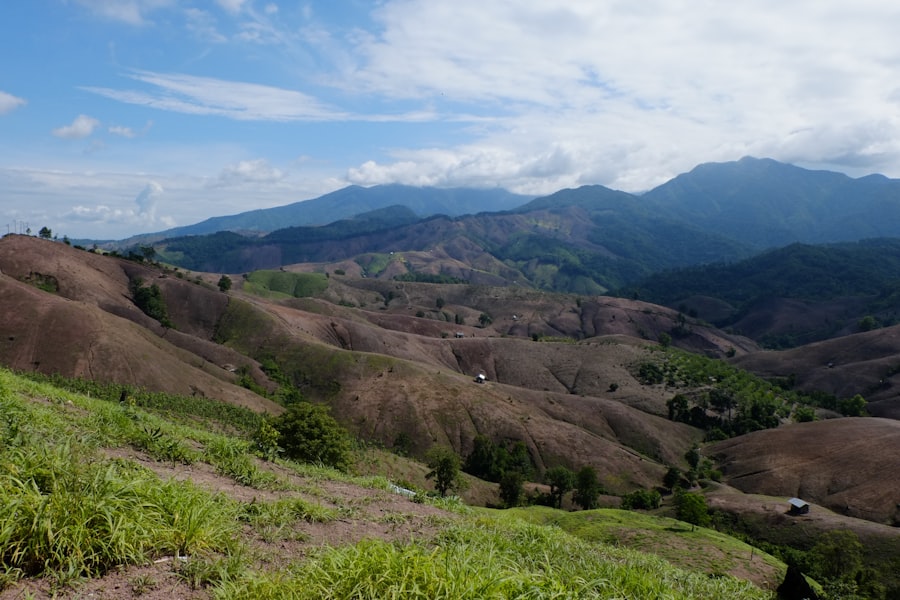
The environmental consequences of desertification in China are not confined to its national borders. The phenomenon contributes to broader regional and global environmental challenges, impacting climate and biodiversity.
Regional Air Quality Degradation
Dust storms originating from China’s deserts can travel thousands of kilometers, impacting air quality across East Asia and even the Pacific. Countries like South Korea, Japan, and even the western United States can experience reduced air quality due to imported dust particles. This has implications for public health, ecosystems, and visibility in these regions.
Contribution to Global Carbon Emissions
Desertified land is less effective at sequestering carbon dioxide from the atmosphere. The loss of vegetation cover reduces the capacity of these landscapes to act as carbon sinks. Furthermore, the soil itself, when degraded, can release stored carbon. While not the primary driver of global emissions, the reduced carbon sequestration capacity of vast desertified areas contributes to the overall accumulation of greenhouse gases in the atmosphere, exacerbating climate change.
Impact on Biodiversity
Desertification leads to the loss of habitat for numerous plant and animal species. As ecosystems degrade, biodiversity declines, threatening endemic species and disrupting ecological balance. This loss of biodiversity can have cascading effects on ecosystems services, including pollination, soil health, and water regulation, which are crucial for both local and global environmental health.
Water Resource Strain in Neighboring Regions
Desertification can alter hydrological cycles, potentially affecting water availability in neighboring countries. Changes in evapotranspiration rates and increased soil erosion can impact river flows and groundwater recharge, creating water scarcity issues for regions downstream or in adjacent areas. This can lead to increased competition for water resources and potential geopolitical tensions.
Desertification in China poses significant challenges not only for the environment but also for global trade, as it affects agricultural productivity and resource availability. A recent article discusses how the increasing arid conditions in regions like Inner Mongolia are leading to reduced crop yields, which in turn disrupts supply chains and impacts international markets. For more insights on this pressing issue, you can read the full article on MyGeoQuest. The interplay between environmental degradation and economic stability is becoming increasingly critical in understanding the broader implications of desertification.
Mitigation and Adaptation Strategies and Their Global Significance
| Year | Desertification Area (sq km) | Global Trade Disruption Impact |
|---|---|---|
| 2010 | 166,000 | Medium |
| 2015 | 180,000 | High |
| 2020 | 195,000 | Very High |
Recognizing the severity of the threat, China has implemented a range of strategies to combat desertification, and the success of these efforts holds significant implications for global trade and environmental stability.
Afforestation and Reforestation Programs
China has undertaken large-scale afforestation and reforestation campaigns, most notably the “Great Green Wall” project. These initiatives aim to plant trees and vegetation to stabilize soil, reduce wind erosion, and restore degraded land. The success of these programs in expanding green cover can lead to improved air quality, reduced dust storms, and enhanced carbon sequestration.
Sustainable Land Management Practices
Efforts are underway to promote sustainable agricultural and pastoral practices. This includes rotational grazing, improved irrigation techniques to conserve water, and the use of drought-resistant crops. Encouraging these practices can help reduce soil degradation, improve soil fertility, and enhance the resilience of agricultural systems.
Water Conservation and Management Initiatives
China is investing in technologies and policies to improve water use efficiency in agriculture and industry. This includes promoting water-saving irrigation methods, desalinization technologies, and stricter regulations on water extraction. Effective water management is critical for preventing further land degradation and supporting both domestic needs and economic activity.
International Cooperation and Knowledge Sharing
China has increasingly engaged in international cooperation on desertification control, sharing its experiences and knowledge with other nations facing similar challenges. This collaboration can foster the development of effective adaptation and mitigation strategies globally, promoting sustainable land use and ensuring greater stability in international supply chains. The global community has a vested interest in supporting and learning from these endeavors.
Technological Innovations and Research
Investment in research and the development of technological solutions for desertification monitoring, prevention, and restoration is crucial. This includes remote sensing to track land degradation, drought-resistant crop development, and advanced soil conservation techniques. Continued innovation can provide more effective tools to combat this persistent threat.
The ongoing struggle against desertification in China is a complex, multifaceted challenge with profound implications that extend far beyond its national boundaries. As the sands continue to advance, they carry with them the potential for significant disruption to global trade, exacerbating existing environmental pressures and underscoring the urgent need for continued and intensified mitigation and adaptation efforts. The interconnectedness of our planet means that the fate of China’s grasslands and arable lands is, in many ways, intertwined with the stability of global markets and the health of the planet itself.
FAQs
What is desertification and how is it affecting China?
Desertification is the process by which fertile land becomes desert, typically as a result of drought, deforestation, or inappropriate agriculture. In China, desertification is a significant issue, with approximately 27% of the country’s land area affected. This has led to soil erosion, loss of biodiversity, and reduced agricultural productivity.
How does desertification in China impact global trade?
Desertification in China can disrupt global trade by affecting the country’s ability to produce and export agricultural products. Reduced agricultural productivity due to desertification can lead to decreased exports of food products, impacting global food supply and prices. Additionally, desertification can also affect China’s ability to produce and export other goods, such as textiles and raw materials.
What measures is China taking to combat desertification?
China has implemented various measures to combat desertification, including afforestation projects, land restoration initiatives, and the development of sustainable agricultural practices. The government has also invested in the construction of green belts and the implementation of policies to protect and restore natural ecosystems.
How does desertification in China contribute to environmental issues?
Desertification in China contributes to environmental issues such as air and water pollution, loss of biodiversity, and increased greenhouse gas emissions. Soil erosion and desertification can lead to dust storms, which can spread pollutants and degrade air quality. Additionally, desertification can lead to the loss of habitats for plant and animal species, further contributing to biodiversity loss.
What are the potential long-term implications of desertification in China for global trade?
The long-term implications of desertification in China for global trade include potential disruptions to the supply of agricultural products, increased food prices, and impacts on the availability of raw materials and manufactured goods. Desertification can also lead to social and economic challenges in affected regions, potentially impacting China’s overall economic stability and its role in global trade.