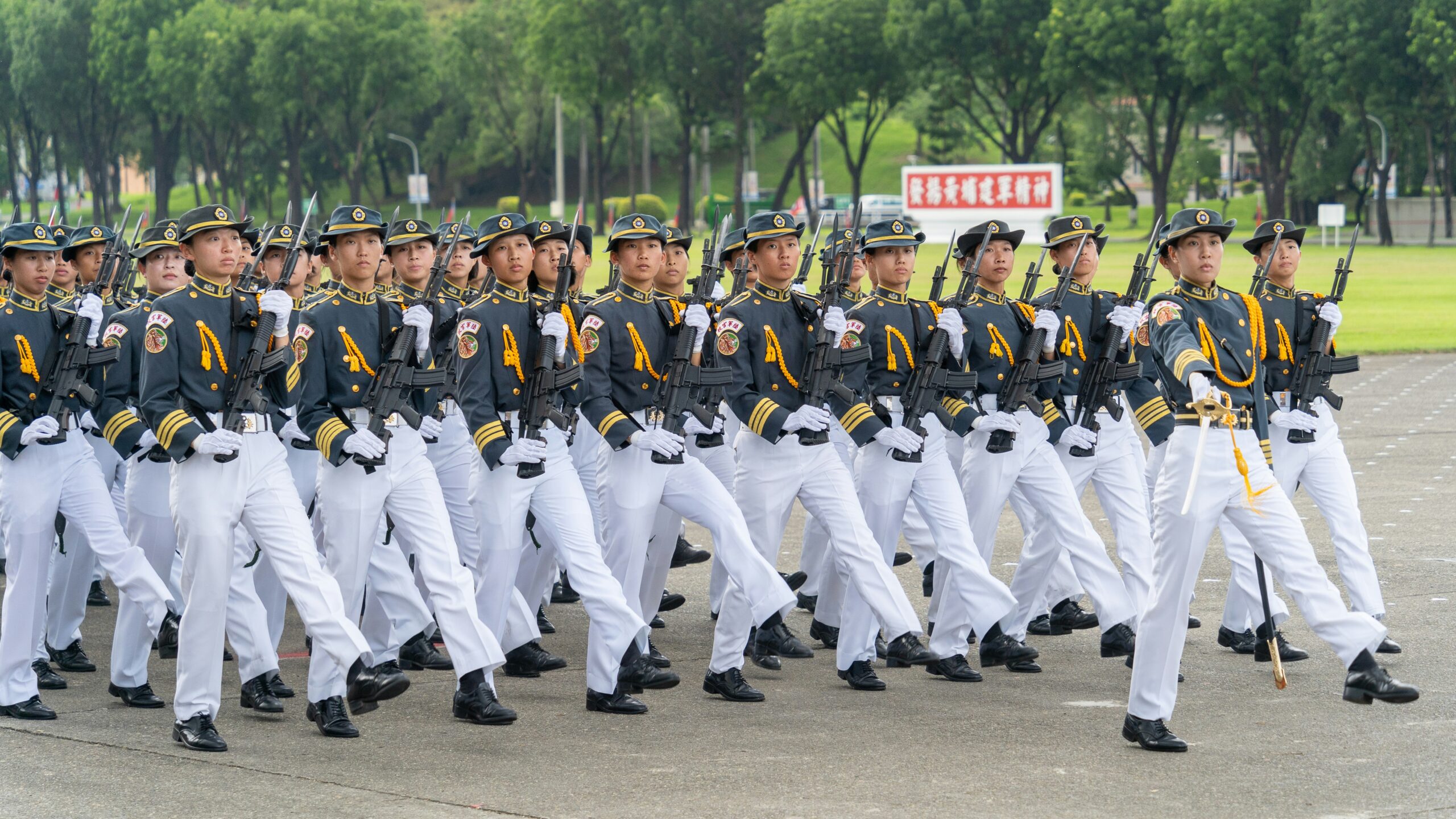
You wake up to the hum of your phone, a notification flashing across the screen. The headlines are stark, urgent: “China-Taiwan Military Tensions Escalate.” It’s a familiar refrain, a drumbeat of unease that has grown louder in recent years, but this time, something feels different. The whispers have become shouts, the drills more pointed, the rhetoric sharper. You’re not just an observer; you’re living in a world where this geopolitical tightrope walk directly impacts global stability, your economy, and potentially, your future.
You understand that the current escalation isn’t a sudden eruption, but rather the culmination of decades of simmering disagreement, a Gordian knot of history, ideology, and national aspiration. To truly grasp the gravity of today’s headlines, you need to delve into the roots of this enduring dispute.
The Legacy of the Chinese Civil War
The story begins, as so many complex narratives do, with conflict. You’ve learned about the Chinese Civil War, the brutal struggle between the Nationalist Kuomintang (KMT) led by Chiang Kai-shek and the Communist Party of China (CPC) led by Mao Zedong. When the Communists emerged victorious in 1949, the KMT government retreated to the island of Taiwan, establishing what they called the Republic of China (ROC).
- Communist Victory and the “One China” Principle: The CPC, having consolidated its rule on the mainland, declared the People’s Republic of China (PRC) and asserted its claim over all of China’s former territory, including Taiwan. This fundamental principle, often referred to as the “One China” principle, has been the bedrock of Beijing’s policy ever since. You recognize that this isn’t just a political slogan; it’s a deeply ingrained belief for many in mainland China, a matter of national reunification and territorial integrity.
- The ROC’s Claim to Legitimacy: Conversely, the ROC government in Taiwan initially maintained its claim as the legitimate government of all of China. While this claim has significantly faded over time as Taiwan has democratized and developed its own distinct identity, the underlying principle of sovereignty remains a potent force. You see how this historical claim continues to shape the discourse and the aspirations of different factions within Taiwan.
The Post-War Geopolitical Landscape
The Cold War cast a long shadow over this dispute, significantly influencing the international stance on Taiwan. You understand how the global power dynamics played a crucial role in shaping the archipelago’s destiny.
- American Support for the ROC: In the immediate post-war period, the United States, wary of communist expansion, became a staunch supporter of the ROC. Taiwan served as a vital buffer against communist influence in the region. You can recall mentions of the Seventh Fleet, a visible symbol of American commitment to Taiwan’s defense during this era.
- The Shift in International Recognition: However, as the geopolitical landscape shifted, so did international recognition. Many countries, including the United States, gradually switched their diplomatic recognition from the ROC in Taipei to the PRC in Beijing. This move, culminating in the US severing official ties with Taiwan in 1979 and adopting a “One China Policy” (distinct from Beijing’s more assertive “One China Principle”), left Taiwan in a precarious diplomatic position. You acknowledge that while diplomatic ties were severed, a strong unofficial relationship, particularly with the US, has persisted.
In recent discussions surrounding the escalating military tensions between China and Taiwan, a pertinent article can be found that delves into the strategic implications of this conflict. The article provides insights into the military capabilities of both nations and the potential consequences for regional stability. For more information, you can read the article here: China Taiwan Military Tensions.
The Escalating Military Posturing: A Growing Threat
You notice that the language surrounding China-Taiwan relations has become increasingly militarized. What were once considered routine military exercises are now being perceived as deliberate provocations, ramping up the stakes considerably.
Increased PLA Activity Near Taiwan
The People’s Liberation Army (PLA) has significantly ramped up its military activities in the vicinity of Taiwan. You’re seeing more frequent and larger-scale incursions into Taiwan’s Air Defense Identification Zone (ADIZ) and increased naval presence in the Taiwan Strait.
- Airspace and Maritime Encroachments: These incursions aren’t just symbolic. They are designed to test Taiwan’s defenses, gather intelligence, and signal Beijing’s growing impatience. You understand that repeated incursions can wear down Taiwan’s military resources and create a sense of constant pressure. The sheer scale of some of these exercises, with multiple aircraft and naval vessels operating together, is particularly concerning.
- Psychological Warfare and Deterrence: Beyond the practical implications, these military maneuvers serve as a potent form of psychological warfare. Beijing aims to intimidate Taiwan, erode its will to resist, and deter any moves towards formal independence. You recognize that this is a carefully calibrated strategy of coercion, designed to make the prospect of military conflict seem increasingly plausible and inevitable.
Taiwan’s Defensive Preparations
Taiwan, for its part, is not standing idly by. You see it investing heavily in its own defense capabilities, seeking to build a credible deterrent against a larger, more powerful neighbor.
- Modernization of Military Assets: You’re aware of Taiwan’s efforts to acquire advanced military hardware, including fighter jets, missiles, and naval vessels, often from the United States. You understand that these acquisitions are crucial for maintaining a technological edge and possessing the means to inflict significant damage on an invading force.
- Asymmetric Warfare Strategies: Taiwan is also focusing on asymmetric warfare strategies, emphasizing tactics that exploit an adversary’s weaknesses. This includes developing capabilities like anti-ship missiles, mine-laying capabilities, and a robust civil defense network. You appreciate that this is a pragmatic approach, recognizing that Taiwan cannot match China’s sheer numbers, but can make the cost of invasion prohibitively high.
- “Porcupine Strategy” and Resilience: The concept of the “Porcupine Strategy” is often mentioned – making Taiwan so difficult and costly to conquer that it becomes an untenable option for China. You see Taiwan actively working to embed this resilience throughout its society, from its military to its civilian infrastructure.
The International Dimension: A Global Concern
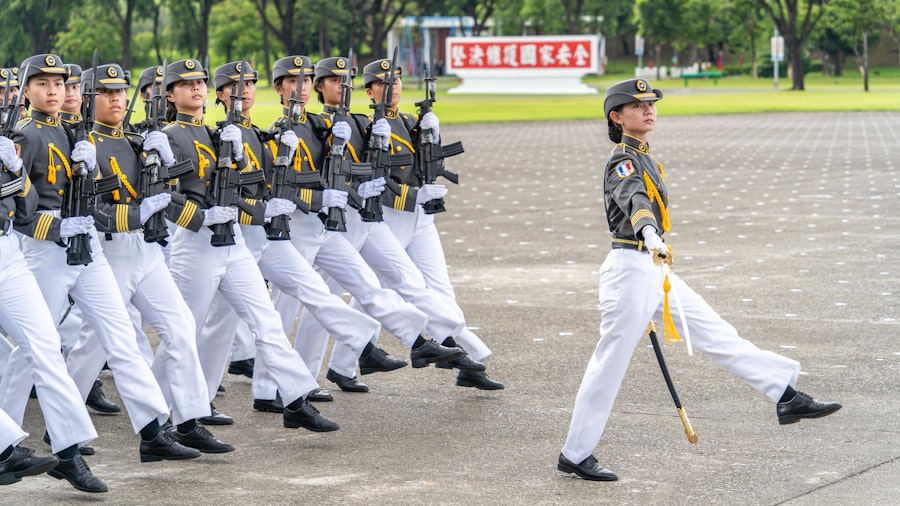
You know that this is not a purely bilateral issue. The stakes are far too high for it to remain confined to the Taiwan Strait. The international community is increasingly involved, either directly or indirectly, and the implications for global stability are immense.
The United States’ Role and Commitment
The United States remains a crucial player in the Taiwan Strait equation. You’ve seen its commitment to Taiwan’s security, often articulated through the Taiwan Relations Act, which obligates the US to provide Taiwan with the means to defend itself.
- Arms Sales and Military Assistance: You’ve followed the ongoing arms sales to Taiwan, a consistent source of tension with Beijing. These sales are critical for Taiwan’s defense but are also viewed by China as an infringement on its sovereignty and an encouragement of secessionist tendencies.
- Strategic Ambiguity and Unambiguous Support: The US policy of “strategic ambiguity” regarding whether it would directly intervene militarily in a conflict has long been a cornerstone of its approach. However, recent statements from US officials have sometimes seemed to lean towards a more unambiguous commitment, causing concern and attracting scrutiny from both Taipei and Beijing. You ponder the delicate balance the US tries to strike.
- Naval Presence and Freedom of Navigation: The US Navy’s regular transits through the Taiwan Strait, often referred to as freedom of navigation operations, are designed to signal its commitment to regional security and to challenge China’s expansive maritime claims. These sail-throughs are closely watched and often met with a strong reaction from Beijing.
The Stance of Regional Neighbors
You understand that Taiwan’s neighbors are not indifferent to the escalating tensions. Their own security and economic interests are deeply intertwined with the stability of the region.
- Japan’s Growing Concerns: Japan, in particular, has expressed increasing alarm over the situation. You know that Japan’s own defense posture has been evolving, with a greater emphasis on collective defense and a willingness to play a more active role in regional security. You’ve seen its leaders speak out more forcefully against any unilateral change to the status quo by force.
- South Korea and ASEAN Nations: Other countries in the region, including South Korea and various ASEAN nations, are also closely monitoring the situation. You recognize their reliance on freedom of navigation, their involvement in global supply chains that could be disrupted by conflict, and their own complex relationships with both China and the US. Their desire for peace and stability is palpable.
Economic Interdependencies and Global Impact
The economic ramifications of a conflict in the Taiwan Strait are staggering. You understand how interconnected the global economy is and how a rupture here would have domino effects.
- Taiwan’s Critical Role in Semiconductors: You know that Taiwan is a powerhouse in the semiconductor industry, producing a vast majority of the world’s most advanced microchips. The disruption of this supply chain would cripple industries worldwide, from smartphones to automobiles to advanced computing. You’ve seen reports and discussions about the immediate and devastating impact this would have.
- Disruption of Global Trade Routes: The Taiwan Strait is a vital artery for global shipping. Any conflict would severely disrupt trade routes, leading to soaring prices, shortages, and widespread economic instability. You can imagine the impact on your daily life if consumer goods became scarce and exorbitant.
The Shifting Dynamics of Taiwan’s Identity
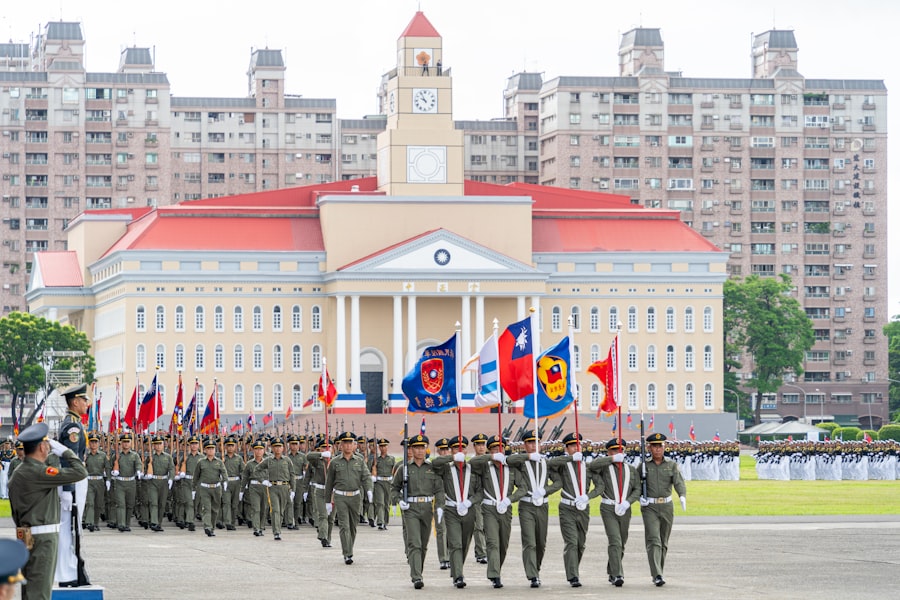
You recognize that the escalating military pressure from Beijing is intrinsically linked to Taiwan’s own evolving political landscape and national identity. The path to a more distinct sense of self has not been without its challenges.
The Rise of Taiwanese Identity
Over the past few decades, a strong sense of distinct Taiwanese identity has emerged, often in contrast to the idea of being solely Chinese. You see this reflected in political discourse, cultural expressions, and generational attitudes.
- Generational Divide: You’ve observed a significant generational divide in how people identify, with younger generations largely identifying as Taiwanese, rather than both Chinese and Taiwanese or primarily Chinese. This shift is a key factor influencing political outcomes.
- Democratization and Self-Determination: Taiwan’s successful transition to a vibrant democracy has solidified its distinct political system and fostered a desire for continued self-determination. You understand that for many in Taiwan, the democratic values they cherish are intrinsically linked to their desire to remain separate from an authoritarian mainland.
Political Divisions Within Taiwan
While the external pressure from China is a unifying force for some, you also recognize that Taiwan is a diverse and democratic society with its own internal political debates and divisions.
- Pro-Independence vs. Pro-Unification Factions: You are aware of the spectrum of political opinions in Taiwan, ranging from those who advocate for immediate formal independence to those who believe in maintaining the status quo or even eventual unification with the mainland. You understand that these internal debates can sometimes be exploited by external actors.
- The Impact of Beijing’s Policies: You’ve seen how Beijing’s increasingly assertive policies have, in many cases, backfired, further solidifying anti-PRC sentiment and boosting support for maintaining Taiwan’s de facto independence. You observe that the more Beijing attempts to pressure Taiwan, the more it seems to push Taiwanese public opinion further away.
Recent developments in the China-Taiwan military landscape have raised concerns among international observers, particularly regarding the potential for increased tensions in the region. For a deeper understanding of the strategic implications and military posturing involved, you can read a related article that explores these dynamics in detail. The article provides insights into the ongoing military exercises and the geopolitical ramifications of China’s actions in the Taiwan Strait. To learn more, visit this informative resource that sheds light on the current situation.
The Future: Uncertain Paths and Lingering Threats
| Category | Metrics |
|---|---|
| Defense Budget | 10.9 billion (2021) |
| Active Military Personnel | 215,000 (2021) |
| Tanks | 1,200 (2021) |
| Aircraft | 800 (2021) |
You look ahead and see a landscape fraught with uncertainty. The military escalations, coupled with the deep historical and political divides, create a precarious situation with no easy solutions.
The Spectrum of Potential Outcomes
You understand that the future of Taiwan is not predetermined and that a range of potential outcomes exists, each with its own set of consequences.
- Continued Status Quo with Heightened Tensions: The most likely scenario, in the short to medium term, is a continuation of the current status quo, characterized by heightened military tensions and increased diplomatic maneuvering. You anticipate more drills, more rhetoric, and continued international posturing.
- Coercive Diplomacy and Economic Pressure: Beijing may continue to employ coercive diplomacy and economic pressure to try and force Taiwan to the negotiating table on Beijing’s terms. You think about potential sanctions, trade restrictions, and other non-military means of coercion.
- Limited Military Actions: The possibility of limited military actions, such as blockades or targeted strikes, cannot be entirely dismissed. You consider the risks of such actions escalating uncontrollably.
- Full-Scale Invasion: The ultimate, and most devastating, scenario is a full-scale invasion by the PLA. You recognize that this would have catastrophic consequences for Taiwan, the region, and the global economy. You hope against hope that this remains a distant, unthinkable prospect.
The Importance of De-escalation and Dialogue
You believe that the only way to avert the most dangerous outcomes is through a concerted effort towards de-escalation and dialogue. You grasp that the current trajectory is unsustainable.
- Rhetoric and Signaling: You understand the power of rhetoric and the importance of avoiding inflammatory language from all sides. Clear signaling and responsible communication are vital to prevent miscalculation.
- Channels of Communication: Maintaining open channels of communication, even between adversaries, is crucial for managing crises and preventing misunderstandings. You think about the importance of diplomatic engagement and potential back-channel communications.
- International Mediation and Diplomacy: You see a role for the international community in facilitating dialogue and offering diplomatic solutions. You ponder how concerted international pressure for peace could be a factor.
Your Role as an Informed Citizen
As you read these headlines, you realize that you are not merely a passive observer. You are an informed citizen of a globally interconnected world. Your understanding of these complex issues, your awareness of the stakes, and your engagement with these topics are all part of a larger picture. You understand the importance of critical thinking, of seeking out diverse perspectives, and of advocating for peaceful resolutions. The escalating tensions in the Taiwan Strait are a stark reminder of the fragility of peace and the profound responsibility that rests on all of us to work towards it.

The Taiwan Strait: The Most Dangerous Place in the Global Economy
FAQs
What is the current military situation between China and Taiwan?
China considers Taiwan to be a part of its territory and has not ruled out the use of force to bring the island under its control. Taiwan, on the other hand, has its own military and is supported by the United States.
What is the size of China’s military compared to Taiwan’s?
China has the largest military in the world, with over 2 million active-duty personnel, while Taiwan has a much smaller military with around 215,000 active-duty personnel.
What are the main military capabilities of China and Taiwan?
China has a wide range of military capabilities, including advanced missile systems, a large navy, and a growing air force. Taiwan’s military is focused on asymmetric warfare and has invested in missile defense systems and other technologies to deter a potential Chinese invasion.
What is the role of the United States in the military situation between China and Taiwan?
The United States is committed to helping Taiwan defend itself and has sold billions of dollars worth of weapons to the island. The U.S. also conducts military exercises in the region and has pledged to come to Taiwan’s defense if it is attacked by China.
What are the potential risks of a military conflict between China and Taiwan?
A military conflict between China and Taiwan could have serious implications for regional stability and global trade. It could also draw in other countries, such as the United States, and lead to a broader conflict in the Asia-Pacific region.