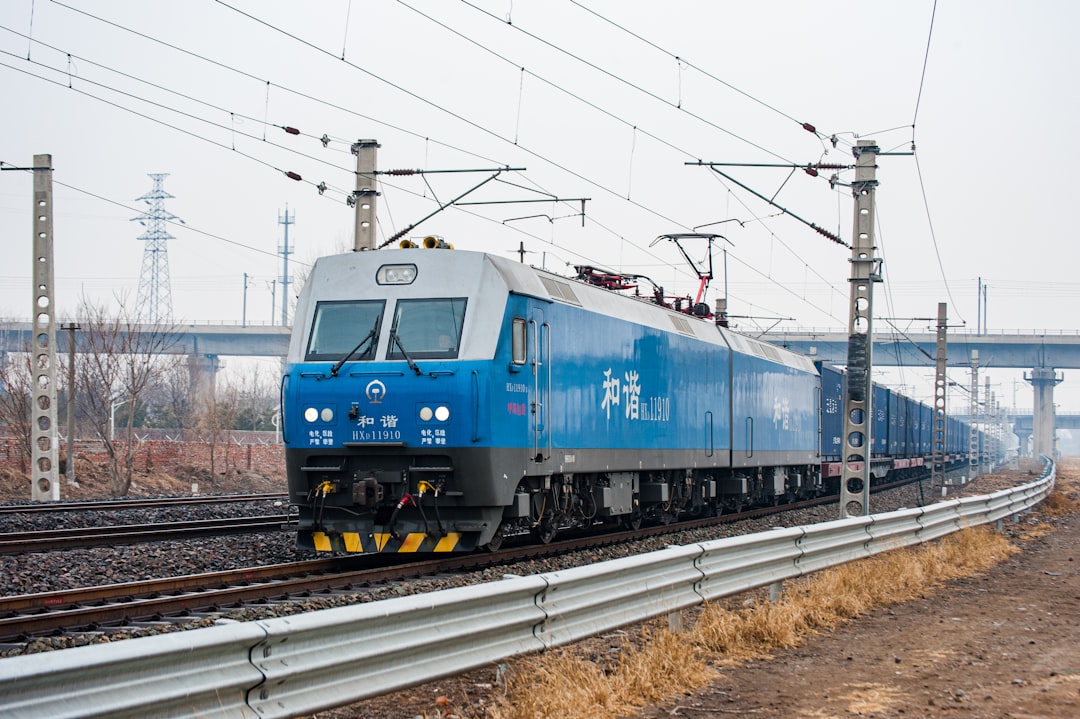
The relentless grip of sand across China’s vast northern plains presents a persistent and escalating challenge to its extensive railway network. This phenomenon, often termed ‘sand burial,’ is not merely an inconvenience; it represents a substantial and multifaceted cost to the nation’s critical transportation infrastructure. From the immediate disruptive impacts on operations to the long-term degradation of equipment and the financial burdens of mitigation, the struggle against encroaching sand poses a significant operational and economic hurdle for China Rail.
The arid and semi-arid regions of northern China, encompassing provinces like Inner Mongolia, Gansu, and Xinjiang, are particularly susceptible to desertification and sand encroachment. These areas are characterized by vast expanses of sandy terrain, frequent sandstorms, and prevailing winds that carry fine particulate matter across considerable distances. The sheer geographical scale of these affected regions directly correlates with the magnitude of the challenge faced by China Rail.
Desertification and its Drivers
The expansion of desertification in these regions is a complex issue with multiple contributing factors. Historically, these areas have always contended with arid conditions. However, human activities have exacerbated the problem.
Agricultural Expansion and Overgrazing
The drive for agricultural production and the expansion of livestock populations have placed immense pressure on the fragile ecosystems of northern China. Overgrazing by livestock depletes vegetation cover, leaving the soil exposed and vulnerable to wind erosion. Similarly, the expansion of agricultural lands, often through irrigation projects that can deplete water resources, can also lead to soil salinization and degradation, further contributing to desertification.
Climate Change Impacts
While human activities are significant, climate change also plays an undeniable role. Rising global temperatures contribute to increased evaporation rates, exacerbating drought conditions. Changes in precipitation patterns, with more intense but less frequent rainfall, can also lead to soil erosion. The synergistic effect of these factors creates a feedback loop where degraded land becomes more susceptible to further erosion and desertification.
The Railway Network’s Vulnerability
China’s railway network is a vital artery for the nation’s economy, facilitating the movement of goods and passengers across vast distances. However, the proximity of much of this infrastructure to sandy and desertified areas makes it inherently vulnerable to sand encroachment. The continuous expansion of the network into these regions, driven by development needs, further increases its exposure.
Proximity to Desert Margins
A significant portion of China’s railway lines traverse or run parallel to desert margins and actively sandy areas. This direct exposure means that even moderate wind speeds can initiate sand movement, which can then inundate tracks, ballast, and signaling equipment.
Line Expansion into Arid Zones
As China continues its ambitious infrastructure development, new lines are often constructed to connect resource-rich or developing regions located within arid and semi-arid zones. This intentional expansion places new segments of the railway directly within the path of sand drift, necessitating proactive and ongoing mitigation efforts.
In recent discussions about infrastructure challenges in China, the issue of rail clearance costs and sand burial has gained significant attention. A related article that delves into the complexities of this topic can be found at My Geo Quest. This article explores the financial implications of maintaining railways in sandy regions and the innovative solutions being implemented to mitigate these challenges.
Operational Disruptions and Their Costs
The most immediate and visible cost of sand burial is the disruption it causes to railway operations. Sand accumulation on tracks can render lines impassable, leading to significant delays and cancellations that ripple through the broader supply chain and passenger travel plans.
Track Obstruction and Speed Restrictions
When sand accumulates on the railway tracks, it presents a physical obstruction to passing trains. In milder cases, this necessitates speed restrictions, which can significantly increase travel times and reduce the overall capacity of the line. More severe accumulations can lead to complete track blockage, forcing trains to halt.
Impact on Freight Movement
For freight operations, delays translate directly into increased costs. Goods that are time-sensitive, such as perishable agricultural products or manufactured components, can spoil or become obsolete during extended transit times. Businesses reliant on timely deliveries face production disruptions, and the overall efficiency of the supply chain is compromised, leading to higher logistical expenses for all involved.
Passenger Service Interruptions
Passenger services are equally affected. Delayed trains lead to missed connections, inconvenience for travelers, and potential economic losses for individuals and businesses. The reputation of the railway as a reliable mode of transport can be damaged, potentially shifting passenger preference to other, perhaps less environmentally sustainable, alternatives.
Equipment Damage and Maintenance Overheads
Beyond immediate track obstruction, the fine sand particles are insidious, finding their way into virtually every part of a train and its supporting infrastructure, leading to accelerated wear and tear.
Ballast Degradation
The ballast, the gravel bed that supports the railway tracks, is crucial for drainage and stability. Sand infiltration degrades the ballast’s effectiveness. Fine sand particles fill the voids between ballast stones, hindering drainage and leading to waterlogging. This compromises the structural integrity of the trackbed, potentially causing subsidence and increasing the risk of derailment. The constant abrasive action of sand also wears down the ballast material itself, requiring more frequent replacement.
Signaling and Communication Systems Failure
Modern railway operations rely heavily on sophisticated signaling and communication systems. Sand, being a fine abrasive, can infiltrate these delicate electronic components, leading to malfunctions and failures. This poses a severe safety risk and necessitates costly repairs and frequent maintenance. Switches, sensors, and track circuits are all susceptible to sand ingress, impacting the overall safety and efficiency of train control.
Rolling Stock Wear and Tear
The constant exposure to airborne sand and dust during operation subjects rolling stock – locomotives, carriages, and wagons – to abrasive wear. Sand particles can infiltrate engine air intakes, damaging vital components and reducing engine efficiency. Brake systems are also susceptible, as sand can get into the braking mechanisms, reducing their effectiveness and increasing wear. The exterior of the rolling stock is also subjected to constant abrasion, necessitating more frequent cleaning and repainting.
Financial Burdens of Mitigation and Prevention
Addressing the challenges of sand burial incurs substantial and ongoing financial costs for China Rail. These costs encompass a range of strategies, from immediate reactive measures to long-term preventative engineering solutions.
Engineering Interventions and Infrastructure Costs
A significant portion of the financial burden lies in engineering solutions designed to physically prevent or mitigate sand encroachment.
Sand Break Structures and Barriers
The construction of sand break structures and barriers along railway lines in affected areas is a common mitigation strategy. These can include vegetative barriers (planting drought-resistant vegetation), artificial barriers (fences, walls), and earth berms. The initial construction costs, ongoing maintenance, and the land acquisition required for these structures represent a considerable investment.
Trackbed Reinforcement and Drainage Improvement
To combat the effects of ballast degradation and waterlogging caused by sand infiltration, extensive trackbed reinforcement and drainage improvement projects are undertaken. This involves excavating and replacing degraded ballast, installing sophisticated drainage systems, and sometimes employing geosynthetic materials for stabilization. These are capital-intensive projects that require significant planning, resources, and labor.
Relocation and Diversion of Tracks
In some of the most severely affected areas, the most drastic and costly solution is the relocation or diversion of railway lines. This involves constructing entirely new sections of track in more stable terrain, bypassing the areas prone to heavy sand drift. The financial implications of such projects are immense, encompassing land acquisition, civil engineering, and the construction of the new line, while often necessitating the decommissioning of the old, compromised sections.
Ongoing Maintenance and Operational Expenses
Beyond specific engineering projects, the day-to-day operations related to sand management also contribute to significant ongoing expenses.
Sand Removal and Cleaning
Regular sand removal from tracks and associated infrastructure is a continuous necessity. This involves specialized machinery and labor-intensive efforts to clear accumulated sand, ensuring track integrity and operational safety. The frequency of these operations is directly proportional to the prevailing wind conditions and sand loads, making it a variable but consistently present cost.
Increased Energy Consumption
When trains are forced to operate at reduced speeds due to sand-induced track issues, their energy consumption per kilometer can increase. Alternatively, when operations are disrupted, inefficient detours or prolonged idling can also lead to higher fuel or electricity costs.
Specialized Equipment and Technology Investment
China Rail has invested heavily in specialized equipment and technology for sand management. This includes advanced monitoring systems to detect sand accumulation, automated sand removal vehicles, and sophisticated weather forecasting technologies to anticipate sandstorm events. The procurement, maintenance, and operation of this specialized equipment add to the overall financial outlay.
Technological Solutions and Innovations
In response to the escalating costs and operational challenges posed by sand burial, China Rail has increasingly turned to technological solutions and innovations. This includes both material science advancements and smart infrastructure monitoring.
Advanced Material Applications
Research and development into advanced materials are aimed at creating more resilient track components and more effective sand barriers.
Improved Ballast Technologies
Efforts are underway to develop modified ballast materials that are less susceptible to sand infiltration and degradation. This could involve using engineered aggregates with specific particle sizes and shapes or incorporating binders and stabilizers that create a more cohesive ballast bed.
Geotextiles and Geosynthetics
The use of geotextiles and geosynthetic materials plays a crucial role in reinforcing trackbeds, preventing ballast migration, and acting as filters to prevent fine sands from clogging drainage systems. These materials can improve the long-term stability and performance of the track infrastructure in sandy environments.
Smart Monitoring and Early Warning Systems
Leveraging modern digital technologies, China Rail is implementing smart monitoring and early warning systems to proactively manage sand-related risks.
Sensor Networks and Real-time Data
Deploying networks of sensors along vulnerable track sections allows for real-time monitoring of sand accumulation levels, wind speed and direction, and ground moisture. This data can be transmitted wirelessly to central control centers for immediate analysis.
Predictive Analytics and AI
Advanced analytics and artificial intelligence (AI) are being employed to process the vast amounts of data collected from sensor networks. AI algorithms can predict the likelihood and severity of sand encroachment events based on meteorological data, historical patterns, and real-time sensor readings. This enables proactive deployment of maintenance crews and resource allocation.
Drone Technology for Surveying
Drones equipped with high-resolution cameras and other sensing equipment are being used for aerial surveys of railway lines prone to sand burial. This allows for rapid and efficient identification of problem areas, assessment of the effectiveness of mitigation measures, and planning of maintenance activities.
In recent discussions about the challenges faced by China’s rail infrastructure, the issue of clearance costs and sand burial has garnered significant attention. A related article explores the implications of these costs on the overall efficiency of rail transport in the region. For a deeper understanding of this topic, you can read more in the article found here, which delves into the economic and environmental factors influencing rail operations in China.
The Road Ahead: Balancing Development and Sustainability
| Location | Rail Clearance Cost | Sand Burial |
|---|---|---|
| China | Variable | Yes |
The challenge of sand burial underscores a broader imperative for China Rail: the need to balance the relentless drive for infrastructure development with the imperative of environmental sustainability and long-term operational resilience. The costs, both direct and indirect, associated with combating sand are substantial and will continue to exert pressure on the railway’s financial resources if not addressed through a more integrated and proactive approach.
Integrating Environmental Considerations into Planning
Future railway planning must more robustly integrate environmental considerations, particularly in arid and semi-arid regions. This involves conducting thorough environmental impact assessments that specifically address desertification risks and sand encroachment potential early in the project lifecycle. Prioritizing railway corridors that minimize exposure to high-risk areas and investing in natural land restoration projects in buffer zones surrounding infrastructure are becoming increasingly critical.
Collaborative Research and Development
Continued investment in collaborative research and development is essential. This should not only focus on engineering solutions but also on understanding the complex interplay of ecological factors driving desertification and the impact of climate change. Collaboration with meteorological agencies, environmental scientists, and international research institutions can foster innovation and provide a more holistic understanding of the problem.
Policy and Regulatory Frameworks
Effective policy and regulatory frameworks are crucial to incentivize sustainable land management practices in regions surrounding railway infrastructure. Incentives for afforestation, responsible grazing, and sustainable agricultural practices can help mitigate the root causes of desertification, thereby reducing the pressure on railway lines. Furthermore, policies that promote the adoption of advanced sand mitigation technologies and materials can accelerate the implementation of effective solutions.
Long-Term Economic and Environmental Returns
While the costs of sand burial are undeniable, viewing mitigation efforts solely as an expense overlooks the substantial long-term economic and environmental returns. A resilient railway network, less susceptible to sand-induced disruptions, ensures the stability of China’s supply chains, supports economic growth, and maintains the reliability of passenger transport. Furthermore, successful sand mitigation efforts contribute to broader environmental goals, including combating land degradation, preserving biodiversity, and mitigating the effects of climate change. The “cost of sand burial” is not merely a financial accounting exercise; it is a fundamental challenge to the sustainability and continued success of one of the world’s most vital transportation networks.
FAQs
What is the purpose of China rail clearance cost sand burial?
China rail clearance cost sand burial is a method used to prevent sand from accumulating on railway tracks in desert regions. This process involves burying the tracks under a layer of sand to protect them from being covered and damaged by sand dunes.
How does China rail clearance cost sand burial work?
The process of China rail clearance cost sand burial involves using heavy machinery to bury the railway tracks under a layer of sand. This helps to prevent the tracks from being covered by sand dunes, which can disrupt train operations and lead to costly maintenance and repairs.
What are the benefits of China rail clearance cost sand burial?
China rail clearance cost sand burial helps to ensure the safe and efficient operation of railway tracks in desert regions. By preventing sand accumulation, this method reduces the need for frequent track maintenance and repairs, ultimately saving time and money for railway operators.
Are there any environmental considerations with China rail clearance cost sand burial?
While China rail clearance cost sand burial is an effective method for protecting railway tracks in desert regions, there may be environmental considerations to take into account. Burying the tracks under sand could potentially impact local ecosystems and wildlife habitats, so it’s important to carefully assess the environmental impact before implementing this method.
Is China rail clearance cost sand burial a common practice in other countries?
China rail clearance cost sand burial is primarily used in desert regions where sand accumulation poses a threat to railway tracks. While this method may not be as common in other countries, similar techniques may be employed to address sand-related challenges in railway infrastructure maintenance.