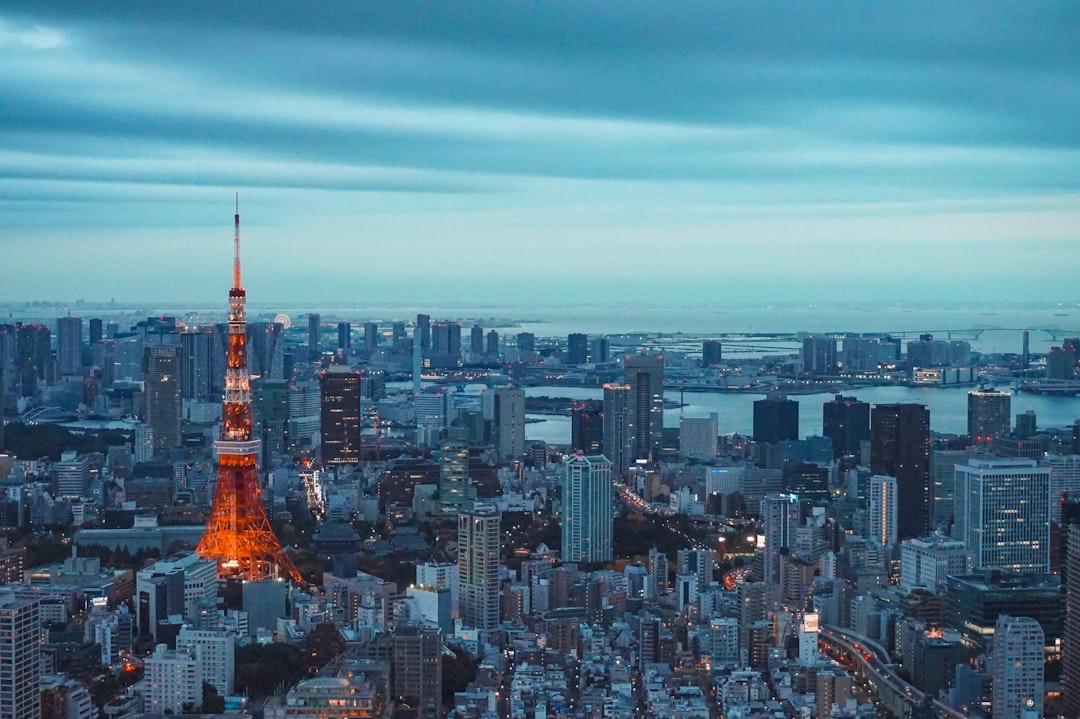
The shimmering metropolis of Tokyo, a vibrant testament to human ingenuity and resilience, stands as a global beacon of economic power and cultural dynamism. Its sprawling urban landscape, a symphony of towering skyscrapers, serene gardens, and bustling thoroughfares, is a marvel that captivates the world. Yet, as Japan looks towards its future, the question arises: can it replicate the success of Tokyo in building another city of comparable stature? The path to such an ambitious undertaking is fraught with a complex web of challenges, deeply embedded within Japan’s socioeconomic, geographical, and demographic realities.
The sheer financial appetite for constructing a city on the scale of Tokyo is an immediate and formidable hurdle. Such an endeavor transcends mere infrastructure development; it necessitates colossal investment in housing, transportation networks, utilities, educational institutions, healthcare facilities, and public amenities. This scale of capital outlay is not easily acquired, especially considering the current economic climate of Japan.
The Burden of Public Debt and Fiscal Prudence
Japan’s national debt, one of the highest in the developed world, casts a long shadow over any grand infrastructural project. The government, already stretched thin managing existing responsibilities and servicing debt, faces immense pressure to demonstrate fiscal prudence. Investing trillions of yen into a new, unproven urban center would be a significant gamble, likely to face stiff opposition from a populace and political establishment wary of accumulating further debt. The prioritization of essential services, social welfare programs, and addressing the needs of an aging population often takes precedence over speculative mega-projects.
Japan faces significant challenges in replicating the success of Tokyo in other regions, primarily due to geographical, economic, and cultural factors. The article “Why Japan Can’t Build Another Tokyo” delves into these complexities, highlighting the limitations imposed by Japan’s mountainous terrain, population density, and the historical significance of Tokyo as a cultural and economic hub. For more insights on this topic, you can read the full article here: Why Japan Can’t Build Another Tokyo.
Attracting Private Investment: A Competitive Landscape
Beyond government funding, attracting substantial private investment is crucial. However, the private sector operates with a keen eye on profitability and risk. Establishing a new city from scratch, without an existing thriving economy or established demand, presents a high-risk, long-term investment proposition. Multinational corporations and domestic businesses are more likely to invest in established economic hubs with proven infrastructure, skilled workforces, and existing consumer bases. Convincing them to commit significant capital to an unproven location would require extraordinary incentives and a compelling vision for future economic prosperity that is difficult to engineer overnight. The competition for investment capital is fierce on a global scale, and Japan would need to offer an unparalleled value proposition to lure it away from more established and predictable markets.
The Concept of Economic Viability in a Mature Economy
Furthermore, the very concept of economic viability for

Why Japan Can’t Build Another Tokyo
FAQs
1. Why can’t Japan build another Tokyo?
Japan faces challenges in building another city like Tokyo due to limited land availability, high population density, and strict building regulations. Tokyo’s infrastructure and urban planning have evolved over centuries, making it difficult to replicate the city’s success elsewhere in Japan.
2. What are the limitations on land availability in Japan?
Japan is a mountainous country with limited flat land suitable for urban development. This scarcity of land makes it challenging to build another city with the same scale and density as Tokyo.
3. How does high population density impact the construction of new cities in Japan?
Japan’s high population density puts pressure on available land and resources, making it difficult to create new urban centers that can accommodate large numbers of people. This density also contributes to the challenges of building new cities similar to Tokyo.
4. What role do strict building regulations play in hindering the construction of new cities in Japan?
Japan has strict building regulations aimed at ensuring safety and disaster preparedness. These regulations can make it challenging to develop new urban areas on the scale of Tokyo, as they require careful planning and adherence to strict standards.
5. Are there any efforts to address these challenges and build new urban centers in Japan?
Efforts are underway to address these challenges, such as redeveloping existing urban areas, promoting satellite cities, and investing in infrastructure to support regional growth. However, the unique factors that have contributed to Tokyo’s success make it difficult to replicate the city’s model in other parts of Japan.