
The Ever-Shifting Embrace: Understanding River Dynamics
Rivers, those life-giving arteries of our planet, are far from static entities. They are dynamic systems, constantly in flux, shaped by a multitude of natural forces. For centuries, humanity has sought to tame these watery wanderers, to stabilize their courses for agriculture, transportation, and settlement. Yet, the inherent complexity of river dynamics presents a formidable challenge to such endeavors. Understanding these intricate natural processes is paramount to developing effective and sustainable river stabilization strategies. Ignoring them often leads to unintended consequences, ecological damage, and ultimately, the erosion of human investments.
Rivers are not merely channels carved into the landscape; they are intricate ecosystems intricately linked to their surrounding environments. Their behavior is dictated by a complex interplay of geological, hydrological, and biological factors, each contributing to the ever-changing nature of their flow and form. From the microscopic sediment particles carried within their currents to the colossal forces of erosion and deposition that sculpt their valleys, rivers are in a perpetual state of becoming. This inherent dynamism, while awe-inspiring, makes the concept of absolute stabilization a perpetual pursuit rather than an achievable end.
River stabilization is a complex challenge due to the dynamic nature of river systems and the interplay of various environmental factors. One insightful article that delves into the intricacies of this issue is available at MyGeoQuest. It explores how human intervention, sediment transport, and ecological considerations all contribute to the difficulties faced in achieving effective river stabilization. Understanding these complexities is crucial for developing sustainable management practices that can mitigate erosion and maintain the health of river ecosystems.
The Bedrock of Instability: Sediment Transport and Morphology
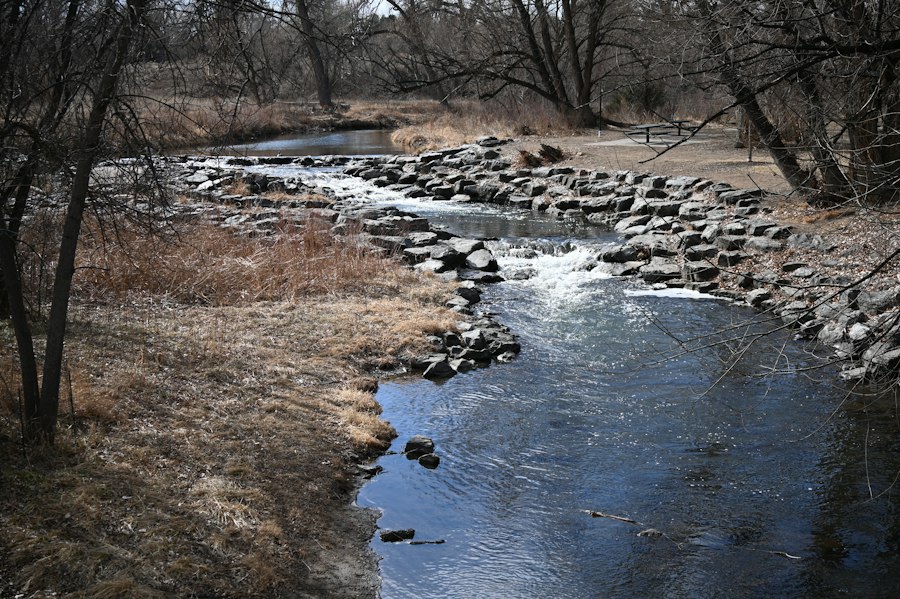
The very essence of a river’s dynamism lies in its ability to transport sediment. Water, with its inherent energy, acts as a powerful conveyor belt, picking up, carrying, and depositing rock fragments, sand, silt, and clay. This continuous process of erosion and deposition is the primary driver of river morphology, shaping its width, depth, sinuosity, and the very structure of its bed and banks. Attempts to stabilize rivers often focus on controlling this sediment transport, but the underlying principles are far more intricate than simply damming or dredging.
The Unseen Workforce: Particles and Power
Rivers transport sediment in several distinct ways, each with its own influence on river morphology. Understanding these modes of transport is crucial for comprehending why stabilization efforts can be so challenging.
Suspended Load: The Fine Veil
The smallest particles, such as silt and clay, are carried along in suspension, making the water appear cloudy or murky. These fine sediments remain aloft due to the turbulence of the water flow. The greater the velocity and turbulence of the river, the larger the particles it can keep suspended. When the flow velocity decreases, these particles settle out, forming deposits in calmer areas. This process is fundamental to the formation of point bars within meanders and depositional zones in floodplains. Attempts to stabilize a river by simply removing suspended sediment are often futile, as the water will inevitably pick up more from upstream or from the banks and bed.
Bed Load: The Gritty Foundation
Larger particles, including sand, gravel, and cobbles, are transported along the riverbed. This movement occurs in two primary ways: saltation, where particles bounce and roll along the bed, and traction, where larger particles are dragged or pushed downstream. The amount of bed load a river can transport is directly related to its flow energy. High-energy flows can move larger and heavier materials, leading to significant erosion of the riverbed. Conversely, low-energy flows will deposit bed load. Stabilization efforts that focus solely on the banks often fail to account for the constant reworking of the riverbed by the bed load, which can undermine structures and alter flow patterns.
Dissolved Load: The Invisible Ingredient
While not always visually apparent, rivers also carry dissolved substances, such as salts and minerals, in solution. This dissolved load is a product of chemical weathering of rocks and soils. Although it doesn’t directly contribute to the physical morphology of the river in the same way as suspended or bed load, it plays a significant role in the overall water chemistry and can influence the type of vegetation that thrives along the banks, indirectly affecting bank stability.
The Sculptor’s Hand: Erosion and Deposition Cycles
The interplay between sediment transport and water flow leads to a continuous cycle of erosion and deposition, constantly reshaping the river. This dynamic equilibrium is what gives rivers their characteristic features.
Meandering Marvels: The Sinuous Dance
Many rivers, particularly those flowing through alluvial plains, exhibit a sinuous, meandering pattern. This occurs because slight irregularities in the riverbed or banks cause the flow to deviate. On the outer bend of a meander, the water flows faster, leading to increased erosion and the formation of a river cliff. On the inner bend, the flow slows down, causing sediment deposition and the formation of a point bar. Over time, these erosional and depositional processes cause the meanders to migrate laterally across the floodplain. Attempts to straighten a meandering river can lead to increased flow velocity and erosion in the straightened section, potentially causing more problems downstream.
Braided Barrages: A Network of Channels
In areas with a high sediment load and relatively steep gradients, rivers often develop a braided pattern, characterized by a network of intersecting channels separated by bars of sand and gravel. These bars form where sediment deposition reduces the flow depth, forcing the water to split and find new pathways. Braided rivers are highly dynamic, with channels constantly forming, migrating, and disappearing. Stabilizing a braided river often involves managing the formation and migration of these bars, a task made difficult by the sheer volume of sediment involved.
Vertical Scars: Downcutting and Aggradation
Rivers also experience vertical changes in their course. Downcutting, or incision, occurs when a river erodes its bed, lowering its elevation. This can be triggered by a drop in sea level, an uplift of the land, or increased flow energy. Conversely, aggradation occurs when a river deposits sediment faster than it erodes, causing its bed to rise. This can happen due to increased sediment supply from upstream erosion or a decrease in flow energy. These vertical adjustments can dramatically alter the river’s ability to flood and its interaction with the surrounding landscape.
The Unpredictable Pulse: Hydrological Variability
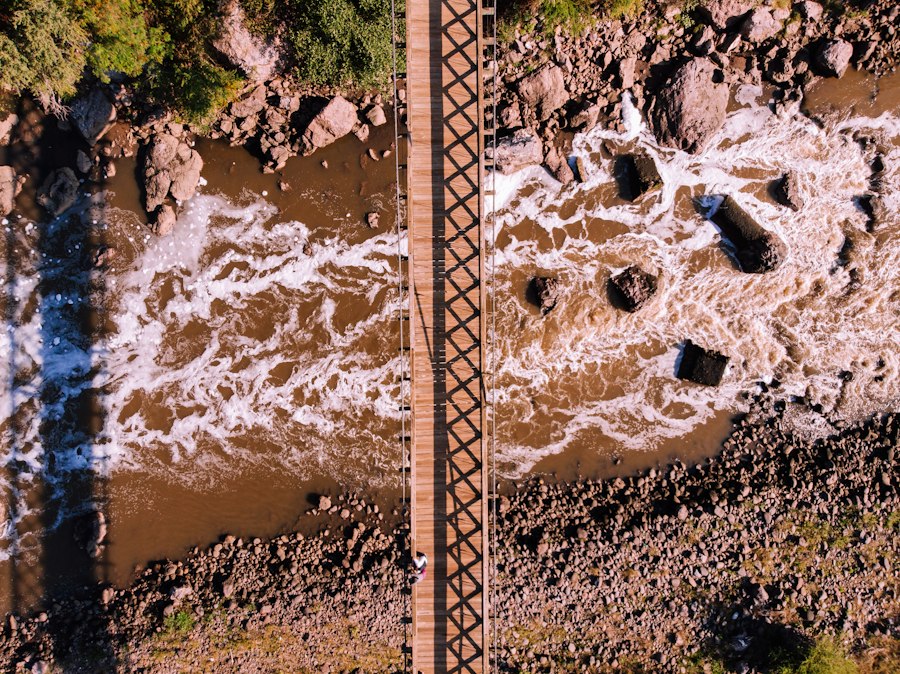
Beyond the physical transport of sediment, the very pulse of a river – its flow rate and volume – introduces a profound layer of complexity to any stabilization effort. This hydrological variability, driven by precipitation, snowmelt, and groundwater fluctuations, dictates the river’s power and its capacity to shape its environment.
The Rhythm of Rain and Snow: Precipitation’s Influence
The most direct influence on river flow comes from precipitation. Rainfall events, especially intense ones, can rapidly increase river discharge, leading to increased erosion and the potential for flooding. Snowmelt, particularly in mountainous regions, can also generate significant and sustained increases in river flow over extended periods. The timing and intensity of these events are often unpredictable, making it challenging to design stabilization structures that can withstand extreme flows while remaining effective during low-flow periods.
Flash Floods: The Sudden Fury
Flash floods, characterized by rapid and intense increases in water level, are a particularly challenging phenomenon. They are often caused by intense rainfall over short durations, particularly in arid or semi-arid regions where the soil has limited infiltration capacity. The sheer speed and force of a flash flood can overwhelm even robust engineering structures, highlighting the limitations of rigid stabilization methods.
Seasonal Swings: The Predictable Unpredictability
Many rivers experience predictable seasonal variations in flow, with high-flow periods often coinciding with rainy seasons or spring snowmelt, and low-flow periods occurring during dry seasons. While these patterns are generally predictable, the magnitude and duration of these swings can vary significantly from year to year due to climate variability. This variability complicates the design of infrastructure, which must be able to accommodate both high flows and prolonged periods of low flow, which can lead to different sets of challenges such as reduced sediment transport and increased riparian vegetation growth.
The Subterranean Reservoir: Groundwater’s Role
Groundwater also plays a crucial, though often less visible, role in river dynamics. During dry periods, groundwater can feed rivers, maintaining a minimum flow. Conversely, during wet periods, rivers can recharge groundwater aquifers. The interaction between surface water and groundwater is a complex hydrological system, and changes to one can significantly impact the other. Altering a river’s course or flow through stabilization can inadvertently disrupt this critical groundwater exchange, leading to unintended consequences for both the river ecosystem and surrounding water resources.
Baseflow: The River’s Lifeline
The continuous contribution of groundwater to a river’s flow is known as baseflow. This is particularly important during dry seasons, providing a stable source of water for aquatic life and human use. Stabilization measures that reduce a river’s connection to its groundwater source can lead to a decrease in baseflow, impacting the ecosystem and potentially leading to water scarcity.
The Echoes of the Past: Historical Flow Regimes
Understanding a river’s historical flow regime is critical for effective stabilization. This involves analyzing long-term data on discharge, flood events, and drought periods. However, human activities, such as dam construction upstream, agricultural irrigation, and urbanization, have altered many natural flow regimes. These altered regimes can significantly impact sediment transport, riparian vegetation, and the overall ecological health of the river, making it difficult to apply lessons learned from historical natural conditions to current stabilization challenges.
The Living Shoreline: Biological Influences on Stability
The intricate web of life within and along a river also plays a significant, often underestimated, role in its stability. Vegetation, in particular, acts as a natural engineer, influencing bank structure, sediment dynamics, and flow patterns.
The Green Anchors: Root Systems and Bank Integrity
The root systems of riparian vegetation are a powerful force in stabilizing riverbanks. These intricate networks bind soil particles together, increasing the shear strength of the bank and making it more resistant to erosion. Different types of vegetation have varying root structures and densities, offering different levels of protection. For example, deep-rooted trees can anchor banks against significant erosive forces, while shallow-rooted grasses provide a surface-level binding effect.
Diverse Plant Communities: A Multifaceted Defense
The diversity of riparian plant communities is crucial for long-term stability. A mix of trees, shrubs, and herbaceous plants provides a layered defense against erosion. Trees offer structural support, shrubs stabilize the bank surface, and grasses trap fine sediments. Monocultures or the absence of vegetation can leave banks vulnerable to erosion, especially during high-flow events. Attempts to stabilize a river often involve revegetation efforts, but the success of these efforts depends on selecting appropriate species that can thrive in the local conditions and provide effective root reinforcement.
The Architects of Change: Beaver Dams and Other Natural Interventions
Beyond the passive role of vegetation, some organisms actively engineer their environment, influencing river dynamics. Beavers, for instance, are renowned for their dam-building activities. These dams create wetlands, slow down water flow, and trap sediment, fundamentally altering the river’s morphology and hydrology. While often viewed as a nuisance by engineers, beaver dams can create valuable habitats and contribute to floodplain stability by reducing flood peaks downstream. Understanding and sometimes even incorporating these natural interventions can be a key to more sustainable stabilization.
Ecosystem Engineers: Beyond the Beaver
While beavers are a prominent example, other organisms also contribute to riverine landscape modification. Burrowing animals can create small channels in banks, and the decomposition of organic matter can influence soil structure. These seemingly minor biological influences, when aggregated across a river system, can contribute to the overall dynamism and present challenges to a purely engineering-focused approach to stabilization.
The Interconnected System: River Health and Human Impact
The health of the river ecosystem is intrinsically linked to its stability. Pollution, habitat degradation, and the introduction of invasive species can weaken riparian vegetation, alter sediment transport processes, and disrupt the natural balance that contributes to stability. Human interventions aimed at stabilization, if not carefully considered within the broader ecological context, can exacerbate these issues, creating a vicious cycle of degradation. For example, hard engineering solutions like concrete walls can prevent natural sediment replenishment, leading to a starved river downstream and increased erosion.
River stabilization presents numerous challenges due to the complex interplay of natural and human-induced factors that affect river dynamics. For instance, the variability in sediment transport, changes in land use, and climate change all contribute to the difficulty of maintaining stable riverbanks and channels. A related article discusses these complexities in detail, highlighting the importance of understanding local ecosystems and hydrology for effective management strategies. You can read more about this topic in the article found here.
The Human Footprint: Engineering and Its Unintended Consequences
| Factor | Description | Impact on River Stabilization | Example Metrics |
|---|---|---|---|
| Dynamic Flow Regimes | Rivers experience varying flow rates due to seasonal changes, storms, and droughts. | Unpredictable water volumes cause erosion and sediment transport, complicating stabilization efforts. | Peak flow variability: up to 10x normal flow; Seasonal discharge variation: 50-300% |
| Sediment Transport | Continuous movement of sediments downstream affects riverbed and bank morphology. | Alters channel shape and can undermine stabilization structures. | Sediment load: 100-500 tons/km/day; Sediment size range: clay to boulders |
| Bank Erosion | Natural wearing away of riverbanks due to water flow and wave action. | Leads to loss of land and destabilizes existing structures. | Erosion rates: 0.1-2 meters/year; Bank retreat frequency: multiple events/year |
| Vegetation Variability | Plant roots help stabilize banks but vary with species, season, and health. | Inconsistent vegetation cover reduces natural stabilization effectiveness. | Root depth: 0.5-3 meters; Vegetation cover: 30-80% |
| Human Activities | Construction, land use changes, and water withdrawals alter natural river dynamics. | Can increase erosion, sedimentation, and flow variability, complicating stabilization. | Urban runoff increase: 20-50%; Water withdrawal: up to 40% of flow |
| Climate Change | Alters precipitation patterns and increases extreme weather events. | Increases unpredictability of river behavior and stress on stabilization measures. | Increase in extreme rainfall events: 10-30%; Temperature rise: 1-3°C |
For centuries, humans have attempted to control and stabilize rivers through various engineering interventions. While these efforts have often achieved localized success, they have also frequently led to unintended and far-reaching consequences due to a failure to fully grasp the complex natural dynamics at play.
Hard Engineering: The Unyielding Barrier
Hard engineering solutions, such as dams, levees, revetments, and channelization, are designed to impose rigid control over river behavior. Dams aim to regulate flow and store water, levees aim to contain floods within defined channels, and revetments protect banks with concrete or stone. Channelization involves straightening and deepening river channels to facilitate faster water passage.
The Domino Effect: Upstream and Downstream Impacts
The construction of dams, while providing benefits like hydropower and water supply, drastically alters natural flow regimes and sediment transport. Upstream of the dam, sediment is trapped, leading to reservoir sedimentation and a “starved” river downstream, which then has an increased capacity to erode its bed and banks. Downstream of dams, altered flow patterns can impact riparian habitats and reduce the natural replenishment of floodplains. Levees, while protecting adjacent land from flooding, can disconnect rivers from their floodplains, reducing the natural buffering capacity of the landscape and concentrating floodwaters downstream, often leading to more severe flooding in unprotected areas. Channelization reduces the river’s natural sinuosity, increasing flow velocity and erosion, and destroying valuable aquatic and riparian habitats.
The Soft Touch: Nature-Based Solutions
In recent decades, there has been a growing recognition of the limitations of hard engineering and a shift towards “soft” or nature-based solutions. These approaches aim to work with, rather than against, natural river processes.
Embracing the Floodplain: Restoration and Reconnection
These solutions often involve restoring natural floodplain connectivity, allowing rivers to inundate their floodplains during high-flow events. This not only reduces flood peaks downstream but also replenishes floodplains with nutrient-rich sediment and water, benefiting ecosystems. Reforesting riparian zones and allowing for natural channel migration are also key components, leveraging the stabilizing power of vegetation and the dynamic nature of the river itself.
Living Shorelines: Mimicking Nature’s Defense
Living shorelines, which utilize natural materials like plants, oyster reefs, and biodegradable structures, are an alternative to hard revetments. These approaches aim to dissipate wave energy and trap sediment, while also providing habitat and enhancing ecological function. The success of living shorelines often relies on understanding the specific ecological and hydrological conditions of the site.
The Art of Integration: Combining Approaches
Truly effective river stabilization often involves a thoughtful integration of both hard and soft engineering approaches. For instance, a strategically placed, smaller dam might be used to manage sediment flow into a restored wetland area, or strategically placed vegetated buffers might be used in conjunction with revetments to provide a more resilient and ecologically sound solution. The key is to understand the specific challenges of a particular river system and to design interventions that are appropriate to its complex natural dynamics, rather than imposing a one-size-fits-all solution.
Navigating the Uncharted: Future Directions in River Management
The inherent complexity of river dynamics means that achieving absolute and permanent river stabilization is a perpetual challenge, perhaps even an illusion. The future of river management lies not in conquering nature, but in understanding and adapting to its ever-shifting embrace. This requires a paradigm shift in our approach, moving towards more adaptive, integrated, and ecosystem-focused strategies.
Adaptive Management: Learning from the River
Given the inherent unpredictability of natural systems, a rigid, pre-determined plan for river stabilization is often destined for failure. Adaptive management, on the other hand, embraces this uncertainty. It involves designing interventions with flexibility, continuously monitoring their performance, and adjusting strategies based on observed outcomes and evolving understanding of the river’s behavior. This iterative process allows for learning and refinement, ensuring that management decisions remain relevant and effective in the face of changing environmental conditions.
Monitoring and Data: The Eyes and Ears of Management
Robust monitoring systems are crucial for effective adaptive management. This includes tracking hydrological parameters like flow rates and water levels, sediment transport dynamics, and the health of riparian vegetation and aquatic ecosystems. Advanced technologies, such as remote sensing, drone surveys, and real-time data acquisition, are playing an increasingly important role in providing the detailed information needed to inform adaptive management decisions.
Integrated River Basin Management: A Holistic Perspective
Rivers do not exist in isolation; they are part of larger river basin ecosystems. Effective management requires a holistic perspective that considers the entire river basin, from its headwaters to its mouth. This integrated approach involves coordinating water management strategies across different land uses, sectors, and political boundaries. It recognizes that actions taken in one part of the basin can have significant impacts on other areas, emphasizing the need for collaboration and shared responsibility.
Balancing Competing Demands: Water for All
River basins often face competing demands for water from various sectors, including agriculture, industry, domestic use, and environmental flows. Integrated river basin management seeks to balance these competing demands in a sustainable manner, ensuring that rivers can continue to fulfill their ecological functions while meeting human needs. This often involves difficult trade-offs and requires transparent decision-making processes that engage all stakeholders.
Embracing Resilience: Designing for Change
Rather than striving for a static state of “stabilization,” future efforts should focus on enhancing the resilience of river systems. Resilience refers to the ability of a system to withstand disturbances, adapt to change, and maintain its essential functions. This involves designing interventions that are robust enough to handle natural variations but also flexible enough to adapt to future uncertainties, including those driven by climate change.
The Role of Nature: Working with, Not Against
Ultimately, the most sustainable and effective approach to managing rivers lies in working with their natural dynamics, rather than against them. This means valuing the ecological services that healthy rivers provide and designing interventions that enhance these services. By understanding the complex interplay of sediment, water, and life, humanity can move towards a future where rivers are managed not as engineering challenges to be overcome, but as dynamic, living systems to be respected and sustained. The pursuit of river stabilization, therefore, transforms from a quest for absolute control to a continuous journey of understanding, adaptation, and coexistence with the powerful and ever-changing forces of nature.

This River is Literally Erasing Islands
FAQs
Why is river stabilization important?
River stabilization is important to prevent erosion, protect infrastructure, maintain water quality, and preserve habitats for aquatic life.
What factors make river stabilization difficult?
River stabilization is difficult due to the dynamic nature of rivers, changing water levels, sediment transport, human activities, and natural events like floods and droughts.
How do human activities contribute to river instability?
Human activities such as urbanization, deforestation, agriculture, and construction of dams and levees can alter natural river processes, leading to increased erosion and instability.
What are some common methods used for river stabilization?
Common methods for river stabilization include bank protection using riprap or vegetation, channel realignment, installation of groins or jetties, and floodplain restoration.
Why is it challenging to find long-term solutions for river stabilization?
Finding long-term solutions for river stabilization is challenging because of the complex interactions between physical, ecological, and social factors, as well as the need to balance environmental protection with human needs and economic development.