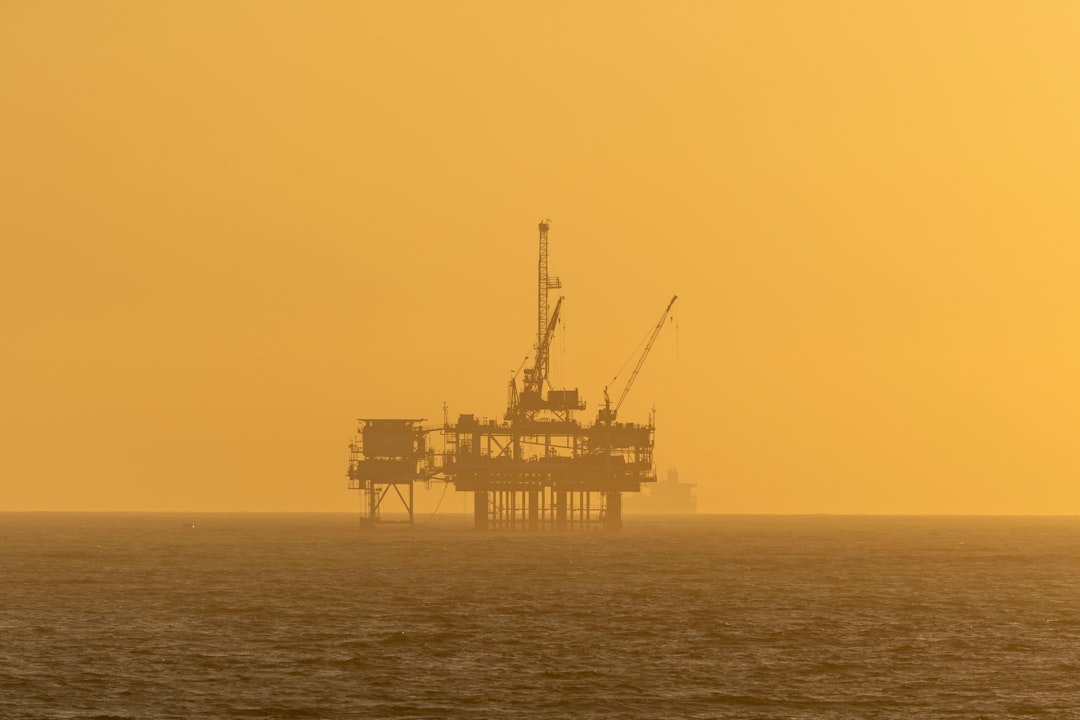
The North Sea, a vast expanse of turbulent waters and historical significance, has long been a titan of global energy production. For decades, its offshore oil and gas platforms have been indispensable contributors to national economies and the world’s energy supply. However, this venerable industry faces a complex landscape of evolving challenges and emerging opportunities, forcing a continuous recalibration of strategies and technologies.
The global energy paradigm is undergoing a profound transformation. The urgent need to address climate change, coupled with advancements in renewable energy technologies, has placed traditional fossil fuels under increasing scrutiny. For established oil and gas producing regions like the North Sea, this presents a dual challenge: to continue meeting current energy demands while simultaneously navigating the transition to a lower-carbon future.
Diminishing Returns and Increasing Costs
As decades of extraction have progressed, the easily accessible and most economically viable reserves in the North Sea have been largely depleted. This means that new discoveries, if any, are often smaller, located in deeper waters, or in more geologically complex formations. Consequently, the cost of exploration, development, and production has risen significantly. Deeper wells, harsher environmental conditions, and the need for more sophisticated extraction techniques all contribute to a higher operational expenditure. This diminishing return on investment, coupled with the volatility of global oil and gas prices, creates a precarious financial environment for many North Sea operators.
The Shadow of Decommissioning
A substantial challenge looming on the horizon is the decommissioning of aging platforms. Many of the structures that have served the North Sea for generations are nearing the end of their operational lives. Decommissioning is a complex, costly, and environmentally sensitive process. It involves safely removing large, heavy structures from the seabed, often in challenging weather conditions, and disposing of or recycling the materials. The financial burden of these operations, which can run into billions of pounds for individual platforms, is a significant consideration for companies operating in the region. Furthermore, regulatory frameworks surrounding decommissioning are constantly evolving, adding another layer of complexity.
Geopolitical Influences and Market Volatility
The North Sea’s production is influenced by a range of geopolitical factors. Global supply and demand dynamics, the actions of major oil-producing nations, and international trade agreements all play a role in shaping market prices. This inherent volatility makes long-term investment planning difficult. Fluctuations in oil and gas prices can dramatically impact the profitability of North Sea operations, leading to uncertainty for investors and affecting the pace of new development and maintenance.
The Imperative of Decarbonization
Perhaps the most significant external force shaping the future of the North Sea is the global imperative to decarbonize. Nations are setting ambitious net-zero targets, and the energy sector is at the forefront of this transition. This means a declining long-term demand for fossil fuels. For North Sea operators, this necessitates a strategic re-evaluation of their business models. Continuing to invest heavily in new oil and gas exploration carries significant long-term risk as the world moves away from these energy sources.
The North Sea offshore oil platforms have been a critical component of energy production in Europe for decades, and their impact on the environment and economy continues to be a topic of discussion. For a deeper understanding of the challenges and advancements in this sector, you can read a related article on the subject at MyGeoQuest, which explores the latest technologies and environmental considerations associated with offshore drilling.
Technological Advancements and Operational Efficiencies
Despite the challenges, the North Sea has consistently been a proving ground for cutting-edge technologies, and this trend continues. The drive for efficiency, safety, and reduced environmental impact is spurring innovation that is opening up new avenues for the industry.
Enhanced Oil Recovery (EOR) Techniques
As primary reserves dwindle, operators are increasingly turning to Enhanced Oil Recovery (EOR) techniques to extract more oil and gas from existing fields. These methods go beyond conventional pumping and involve injecting substances like water, gas (CO2 or natural gas), or chemicals into the reservoir to increase pressure and mobilize trapped hydrocarbons. The North Sea has seen significant investment and success in various EOR methods, extending the productive life of mature fields and improving overall recovery rates. This is crucial for maintaining production levels and maximizing the value of existing assets.
Digitalization and Data Analytics
The integration of digitalization and advanced data analytics is revolutionizing operations on North Sea platforms. From predictive maintenance of equipment to optimize production schedules, the use of sensors, artificial intelligence (AI), and the Internet of Things (IoT) is leading to greater efficiency, reduced downtime, and improved safety. Real-time monitoring of platform integrity, well performance, and environmental conditions allows for proactive interventions, preventing costly failures and minimizing environmental risks. This data-driven approach is transforming how platforms are managed and maintained.
Subsea Technologies and Robotics
The harsh and deep waters of the North Sea necessitate the development of sophisticated subsea technologies. Remotely Operated Vehicles (ROVs) and Autonomous Underwater Vehicles (AUVs) are increasingly used for inspection, maintenance, and repair of subsea infrastructure, reducing the need for expensive and risky human intervention in deep water. Advancements in subsea processing and compression technologies are also enabling the development of marginal fields that were previously uneconomical to exploit. These technologies are key to unlocking previously inaccessible reserves and improving operational flexibility.
Advanced Drilling and Exploration Techniques
The challenges of finding and extracting hydrocarbons in complex geological formations have driven innovation in drilling and exploration. Advanced seismic imaging techniques, such as 4D seismic, provide more detailed insights into subsurface structures. New drilling technologies, including extended reach drilling and managed pressure drilling, allow for access to reserves that were previously unreachable. These advancements are crucial for identifying and developing the remaining, often more challenging, hydrocarbon resources in the North Sea.
The Pivot Towards Renewables and Energy Transition
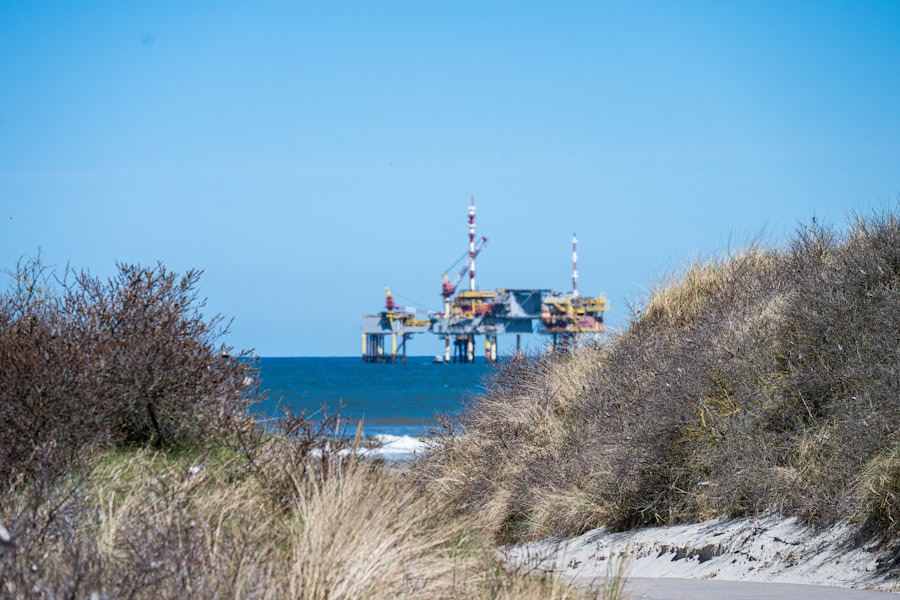
The North Sea is not just an oil and gas basin; it is also a powerful platform for the transition to renewable energy. The infrastructure, expertise, and offshore experience gained from decades of oil and gas operations are proving invaluable in developing new clean energy sources.
Offshore Wind Power Generation
The North Sea is already a global leader in offshore wind power. The region’s strong winds and shallow waters make it an ideal location for large-scale wind farms. Many oil and gas companies are leveraging their offshore engineering and project management capabilities to invest heavily in this sector. This diversification strategy allows them to reduce their reliance on fossil fuels and contribute to the decarbonization effort. The development of offshore wind farms also creates new employment opportunities and stimulates economic growth.
Carbon Capture, Utilization, and Storage (CCUS)
Carbon Capture, Utilization, and Storage (CCUS) technologies represent a significant opportunity for the North Sea. As oil and gas extraction continues, capturing the CO2 produced and storing it permanently in depleted offshore reservoirs or utilizing it in industrial processes can significantly reduce the carbon footprint of the industry. The geological formations beneath the North Sea are well-suited for CO2 storage, and there are several ambitious CCUS projects underway. This technology offers a pathway to decarbonize existing operations and potentially create a new low-carbon industry.
Hydrogen Production and Infrastructure
The North Sea is also being explored as a hub for hydrogen production, particularly green hydrogen powered by offshore wind. Hydrogen is seen as a key clean fuel for hard-to-abate sectors. The existing offshore infrastructure, including pipelines and platforms, could potentially be repurposed or adapted for hydrogen transportation and storage. This presents a long-term vision for the North Sea as a provider of clean energy solutions.
Geothermal Energy Potential
Beyond wind, the geological characteristics of the North Sea region suggest a potential for geothermal energy extraction. While still in its nascent stages of exploration for this specific region, the underlying heat sources could, in the future, be harnessed for electricity generation or direct heating. This represents another avenue for diversifying the energy mix emanating from the North Sea.
Environmental Stewardship and Regulatory Challenges

The environmental impact of offshore oil and gas operations has always been a critical concern. As the world becomes more environmentally conscious, the regulatory landscape and public scrutiny surrounding these operations have intensified.
Minimizing Operational Footprint
Operators in the North Sea are under increasing pressure to minimize their operational footprint. This includes reducing greenhouse gas emissions from their activities, such as methane leaks from platforms and flaring of associated gas. Strict regulations are in place to monitor and control these emissions, and companies are investing in technologies and practices to achieve compliance and go beyond. Reducing flaring, for instance, not only has environmental benefits but also represents a loss of potentially valuable product.
Protecting Marine Ecosystems
The marine ecosystems of the North Sea are diverse and sensitive. Oil spills, even minor ones, can have devastating consequences for marine life and coastal communities. Therefore, stringent safety protocols and advanced spill response capabilities are paramount. Regular inspections, robust preventative maintenance, and sophisticated monitoring systems are in place to minimize the risk of accidents. The industry is also investing in research to better understand and mitigate its impact on marine biodiversity.
The Regulatory Tightrope
Navigating the complex and evolving regulatory landscape is a significant challenge for North Sea operators. Governments are balancing the need for continued energy supply with their climate commitments, leading to a dynamic regulatory environment. This can include stricter environmental standards, carbon pricing mechanisms, and evolving decommissioning obligations. Companies must remain agile and proactive in adapting to these changes to ensure long-term viability.
The Challenge of Persistent Organic Pollutants (POPs)
The legacy of past industrial activities, including oil and gas exploration, has left behind persistent organic pollutants (POPs) in some areas of the North Sea seabed. The management and remediation of these legacy pollution sites present a significant environmental challenge, requiring careful assessment and potentially costly cleanup operations.
The North Sea offshore oil platforms play a crucial role in the energy sector, contributing significantly to the economy and energy supply of several countries. For those interested in learning more about the environmental impacts and technological advancements associated with these platforms, a related article can provide valuable insights. You can explore this topic further in the article found here, which discusses the latest developments and challenges faced by the industry.
The Future of the North Sea: A Hybrid Energy Hub
| Platform Name | Location | Operator | Production (bbl/d) |
|---|---|---|---|
| Brent Alpha | UK North Sea | Shell | 20,000 |
| Troll A | North Sea | Equinor | 120,000 |
| Ekofisk | North Sea | ConocoPhillips | 115,000 |
The North Sea is poised to evolve from a traditional oil and gas basin into a multifaceted energy hub, embracing a hybrid model that integrates traditional energy sources with a growing portfolio of renewables and low-carbon technologies. This transition is not without its hurdles, but the opportunities for innovation, economic diversification, and a cleaner energy future are substantial.
Investment and Innovation as Drivers of Change
The future of the North Sea will be shaped by continued investment in both existing oil and gas infrastructure and emerging renewable energy projects. Companies that can successfully adapt their business models, leverage their offshore expertise, and embrace innovation will be best positioned to thrive. This includes investing in CCUS, hydrogen, and offshore wind, while simultaneously optimizing the efficiency and environmental performance of their remaining oil and gas operations.
Skilled Workforce and Knowledge Transfer
The North Sea has cultivated a highly skilled workforce with extensive experience in complex offshore operations. As the industry transitions, this human capital is a valuable asset. Ensuring that this workforce is retrained and upskilled to meet the demands of the new energy landscape is crucial. The transfer of knowledge and expertise from the oil and gas sector to renewable energy industries will be a key factor in the successful evolution of the North Sea as an energy powerhouse.
The Role of Collaboration and Partnerships
Addressing the multifaceted challenges and capitalizing on the emerging opportunities in the North Sea will require strong collaboration between industry, governments, research institutions, and other stakeholders. Public-private partnerships will be essential for driving large-scale projects, developing new technologies, and establishing supportive regulatory frameworks. International cooperation will also be vital given the transboundary nature of the North Sea.
Navigating the Path to Net-Zero
The ultimate goal for the North Sea, and indeed the global energy sector, is to achieve net-zero emissions. For the North Sea, this means a gradual but determined shift away from fossil fuels, leveraging its existing strengths to build a sustainable and secure energy future. The journey will be complex, but the North Sea’s history of resilience and innovation suggests it is well-equipped to navigate this transformative era. The vast expanse of water, once a symbol of fossil fuel dominance, is increasingly becoming a beacon of the evolving energy landscape.

The Dangerous Sea Europe Can’t Live Without
FAQs
What are North Sea offshore oil platforms?
North Sea offshore oil platforms are large structures used for the extraction of oil and gas from beneath the seabed in the North Sea. These platforms are typically located several miles offshore and are used to drill wells, extract oil and gas, and process and store the extracted resources.
How many North Sea offshore oil platforms are there?
There are approximately 184 offshore oil and gas platforms in the North Sea, with the majority located in the UK and Norwegian sectors. These platforms vary in size and design, with some being fixed structures and others being floating production facilities.
What is the significance of North Sea offshore oil platforms?
North Sea offshore oil platforms play a crucial role in the global oil and gas industry, as the North Sea is one of the most important oil and gas producing regions in the world. These platforms contribute significantly to the energy supply of Europe and beyond.
What are the environmental impacts of North Sea offshore oil platforms?
The operation of offshore oil platforms in the North Sea can have environmental impacts, including the potential for oil spills, emissions of greenhouse gases, and disruption to marine ecosystems. However, strict regulations and industry standards are in place to mitigate these impacts and ensure environmental protection.
What is the future outlook for North Sea offshore oil platforms?
The future of North Sea offshore oil platforms is influenced by factors such as oil and gas prices, technological advancements, and the transition to renewable energy sources. While some platforms are reaching the end of their operational life, there are ongoing efforts to extend the productive life of existing platforms and explore new fields in the region.