Centralia Residents Who Stayed: A Story of Resilience
The silent plume of smoke, a constant, ethereal sentinel, drifts above the abandoned streets of Centralia, Pennsylvania. This is a town defined by absence, by the insidious crawl of an underground mine fire that has raged for decades, forcing most of its inhabitants to seek refuge elsewhere. Yet, amidst the ghostly quiet and the creeping desolation, a handful of individuals remain. They are the steadfast few, the ones who chose not to flee, their lives now inextricably woven into the fabric of a town slowly succumbing to its fiery heart. Their story is not one of despair, but a profound testament to resilience, a narrative etched in determination and an unyielding love for a place that most have deemed lost.
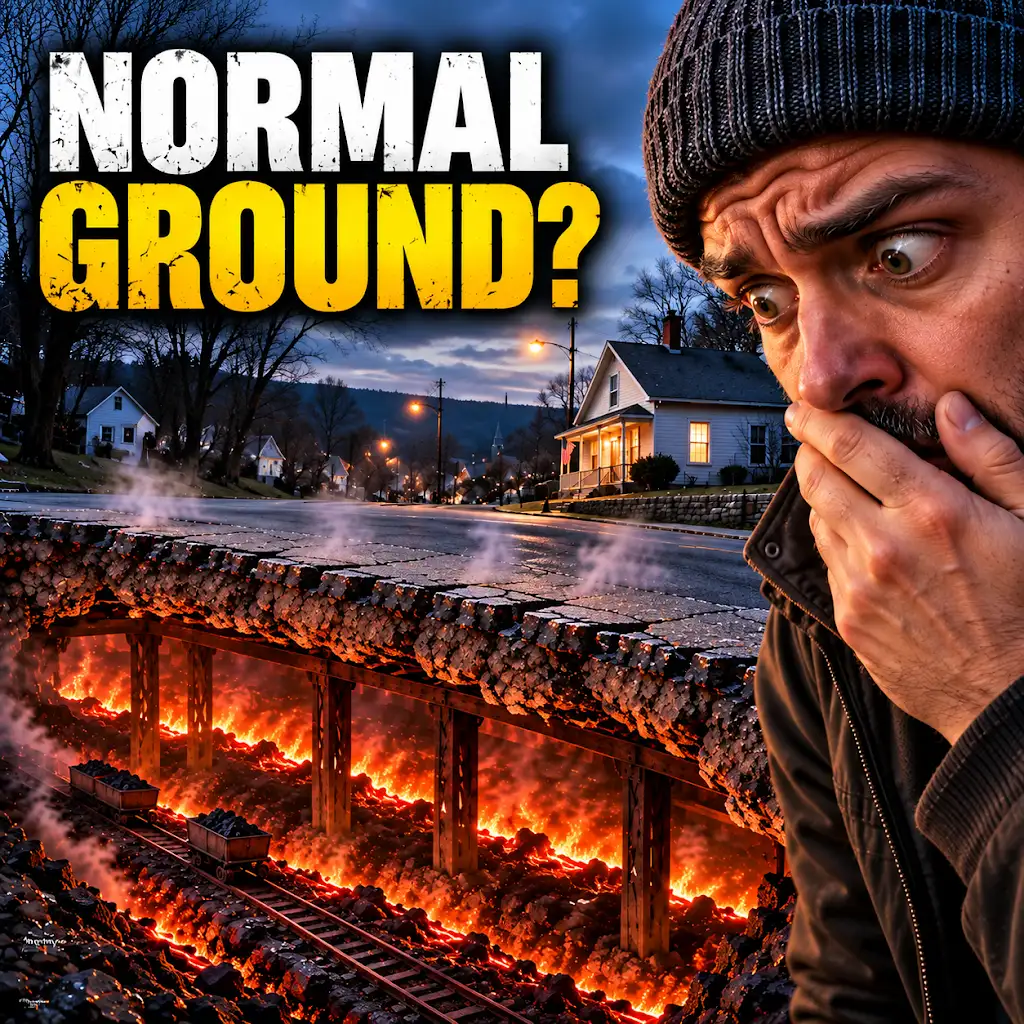
The genesis of Centralia’s plight lies deep beneath its surface. In 1962, a refuse fire at the local strip mine ignited a vein of coal, a subterranean ember that has since evolved into an inferno of unimaginable scale. This underground blaze, fueled by the very earth it consumes, has created a labyrinth of fissures and fissures, slowly but surely devouring the town from below. The visible manifestations of this disaster are stark: roads buckling, sinkholes appearing without warning, and the omnipresent, often acrid, smell of burning coal filling the air. The government, citing safety concerns and the prohibitive cost of extinguishment, has long since condemned the town, offering buyouts and assistance to relocate its residents. For many, this was a necessary exodus, a pragmatic decision to protect themselves and their families from an unseen, unpredictable enemy. But for a determined few, the allure of escape never outweighed the pull of home.
The Whispers of the Past: A Legacy Tied to the Land
For those who remain, Centralia is more than just a collection of dilapidated buildings and cracked pavements. It is a repository of memories, a living embodiment of their heritage. Generations have lived and worked in this anthracite coal region, their lives shaped by the rhythms of mining and the close-knit community that sprung from shared hardship and triumph. The land itself holds a profound significance, a connection forged through family histories, childhood adventures, and the simple act of belonging. To leave Centralia would be to sever those ties, to erase a part of themselves.
The Economic Reality: A Difficult Choice for Many
The government buyouts, while offered with the intention of facilitating relocation, often proved insufficient for many residents, particularly those with limited financial resources. For some, the prospect of starting over in a new town, with the associated costs of housing, employment, and establishing a new life, was an insurmountable hurdle. The familiar, however perilous, offered a sense of stability, a known quantity in an uncertain world.
The Environmental Scars: A Visible Reminder
The visible signs of the mine fire are undeniable and deeply unsettling. The shifting earth, the constant venting of gases, and the occasional appearance of plumes of steam serve as a perpetual reminder of the danger that lurks beneath. Homes have been lost, businesses shuttered, and the once vibrant community now stands as a shadow of its former self. Yet, for the remaining residents, these scars have become a part of their landscape, a harsh but familiar backdrop to their enduring existence.
The Legal Landscape: Navigating a Condemned Town
The official condemnation of Centralia has created a unique legal and administrative environment. Property ownership is a complex issue, with many parcels no longer subject to standard municipal services. The remaining residents operate in a legal grey area, navigating regulations designed for a ghost town rather than a populated one. This requires a level of resourcefulness and determination that most outside observers find extraordinary.
For Centralia residents who chose to stay amidst the unique circumstances surrounding their town, you may find valuable insights in this related article that explores the history and ongoing impact of the underground coal fire. It provides a comprehensive overview of the challenges and resilience of the community. To read more, visit this link.
The Unwavering Spirit: Choosing to Stay
The decision to remain in Centralia is not a passive one. It is an active choice, a declaration of defiance against the forces that seek to erase the town from existence. These are individuals who have witnessed the exodus of their neighbors, the abandonment of their streets, and the slow decay of their community. Yet, they have chosen to stand their ground, their resolve hardening with each passing year. Their reasons for staying are as diverse as their individual histories, but they are all rooted in a deep-seated connection to Centralia and a refusal to be driven out by circumstance.
For the residents of Centralia who have chosen to remain in their town despite the ongoing challenges, it’s important to stay informed about the latest developments and resources available. A recent article discusses the unique experiences of those who have stayed and the community’s resilience in the face of adversity. You can read more about this inspiring story in the article linked here. For further insights, check out this related article that highlights the ongoing efforts to support the community.
The Pull of Legacy: Family Roots and Shared Histories
For many of the remaining residents, their ties to Centralia are deeply entrenched in generations of family history. Their ancestors worked in the mines, built the homes, and formed the very fabric of the community. To leave would be to sever a profound connection to their past, to abandon the land that holds the stories of their forebears. They feel a responsibility to honor this legacy, to be the custodians of a history that is slowly fading into the mists of time. The houses they inhabit, often passed down through family, are more than just structures; they are tangible links to a shared past, filled with the echoes of laughter, love, and hard work.
The Comfort of the Familiar: A Known, if Perilous, Existence
The idea of starting over in an unfamiliar place can be daunting, especially for those who have spent their entire lives in Centralia. The comfort of the familiar, even with its inherent dangers, offers a sense of security that a new beginning might not provide. They know the roads, the neighbors (few as they may be), and the rhythms of their isolated existence. This familiarity, however perilous, provides a sense of grounding in a world that is constantly trying to push them out.
The Sense of Community: A Bond Forged in Shared Adversity
While Centralia’s population has dwindled to a handful, the bonds between those who remain are incredibly strong. They are a small, self-selected community, bound together by their shared experience and their unwavering commitment to their town. They rely on each other for support, for companionship, and for a sense of shared purpose. This close-knit community, forged in the crucible of adversity, is a powerful force that sustains them. They are the last guardians of Centralia, and their mutual reliance is palpable.
The Financial Realities: An Unavoidable Constraint
For some, the decision to stay is not solely about sentimentality. The economic realities of starting over can be a significant barrier. The buyouts offered by the government, while intended to assist, often fell short of what was needed to secure comparable housing and establish a new life in a different town. For those with limited financial resources, staying in their familiar homes, however compromised, became the most practical, albeit challenging, option.
The Stubborn Pride: A Refusal to Yield
There is an undeniable element of stubborn pride that underpins the decision to remain. It is a refusal to be defeated, a testament to the human spirit’s capacity to endure and adapt. These residents are not simply existing; they are actively choosing to live in their town, to maintain a semblance of normalcy in the face of overwhelming odds. This pride fuels their resilience and their determination to hold onto their home.
The Daily Rhythms: Life in a Town on the Brink
Life in Centralia for the remaining residents is a delicate dance with an ever-present danger. The mundane routines of daily life are overlaid with a constant awareness of the subterranean inferno. Simple tasks require careful consideration, and the environment itself dictates the pace and nature of their existence. Yet, within this unique context, they have carved out lives filled with purpose and a quiet dignity.
Navigating the Shifting Landscape: Constant Vigilance
The most immediate and tangible challenge for the remaining residents is the unstable ground beneath their feet. Roads have been condemned, some for decades, and sinkholes can appear with little warning. Residents have learned to navigate these changes with caution and a keen understanding of their environment. They are intimately familiar with the subtle shifts in the earth, the signs that indicate danger. Travel within the town requires a heightened sense of awareness, a constant vigilance against the unpredictable nature of the land.
The Pervasive Smell: An Unavoidable Companion
The smell of burning coal is an ever-present companion for those who remain in Centralia. It permeates the air, clinging to clothing and homes. While many have become accustomed to it, it serves as a constant, visceral reminder of the ongoing disaster. For visitors, it is often the first and most striking impression of the town, a sensory testament to its fiery heart.
The Limited Services: Resourcefulness and Self-Sufficiency
With the official abandonment of the town, municipal services like trash collection, snow removal, and even regular mail delivery have become inconsistent or non-existent. The remaining residents have become remarkably resourceful, often relying on their own means for essential needs. They have learned to be self-sufficient, to adapt to a life without the conveniences that most take for granted. This independence, born of necessity, further strengthens their resilience.
The Social Tapestry: A Small but Strong Community
Despite the dwindling population, a unique social tapestry exists among the remaining residents. They gather, they share, and they support one another. These are not isolated individuals living in separate worlds; they are a tightly knit group who understand each other’s struggles and triumphs. Their interactions, though infrequent in the grander scheme of things, are deeply meaningful, a testament to the enduring human need for connection.
The Psychological Landscape: Coping with Isolation and Uncertainty
Living in a town that is officially deemed uninhabitable and facing the constant threat of an underground fire takes a significant psychological toll. The isolation, the uncertainty, and the knowledge of the danger are ever-present. However, the residents of Centralia have developed remarkable coping mechanisms, finding strength in their routines, their community, and their unwavering connection to their home.
The Enduring Legacy: More Than Just a Town
The story of Centralia and its remaining residents is far more than a tale of a town slowly consumed by fire. It is a profound exploration of human resilience, the power of place, and the deep-seated human need for belonging. These individuals have chosen to remain in a place that most have abandoned, their lives a quiet defiance against the forces of nature and bureaucracy.
A Symbol of Persistence: Against All Odds
The steadfast few who remain in Centralia embody a spirit of persistence that is both admirable and inspiring. They are living proof that the human will to stay, to endure, and to remain connected to one’s roots can be a powerful force, even in the face of overwhelming adversity. Their continued presence is a quiet, unwavering symbol of defiance against the forces that sought to erase their town.
The Anthropological Study: A Unique Human Experience
Centralia has become a fascinating subject for anthropologists and sociologists, a living laboratory for understanding human behavior in extreme circumstances. The decisions made by the remaining residents, their adaptation to their environment, and the dynamics of their small, isolated community offer invaluable insights into the human experience. They are, in their own way, contributing to a greater understanding of ourselves.
The Environmental Narrative: A Cautionary Tale
The Centralia mine fire serves as a stark and potent cautionary tale about the long-term consequences of industrial practices and environmental neglect. The disaster highlights the unpredictable and enduring impact of human intervention on the natural world, underscoring the importance of responsible resource management and foresight. The town’s slow demise is a physical manifestation of these lessons.
The Personal Narratives: Stories of Strength and Love
Each of the remaining residents has a unique and compelling personal narrative. Their stories are filled with hardship, loss, and a deep love for their home. These individual journeys, woven together, form a rich tapestry of human experience, demonstrating the diverse motivations that drive people to stay in the face of immense challenges.
The Future of Centralia: A Legacy in the Making
While the physical future of Centralia remains uncertain, its legacy is already firmly established. The stories of its resilient inhabitants will continue to be told, serving as a testament to the enduring power of the human spirit. They have transformed a town marked by disaster into a symbol of unwavering determination and an unforgettable chapter in the ongoing narrative of human perseverance.
The smoke continues to rise, a silent, ceaseless testament to the fire below. But for the few who remain, it is not a sign of defeat, but a familiar part of the landscape, a backdrop to a life lived with unwavering spirit and an enduring love for the only home they know. The residents of Centralia who stayed are not simply survivors; they are living embodiments of resilience, their stories etched into the very earth of their embattled town.
Why Was Moving Centralia Easier Than Putting Out Its Fire?
FAQs
What is the current population of Centralia?
The current population of Centralia is approximately 10,000 residents.
How many residents chose to stay in Centralia?
Roughly 1,000 residents chose to stay in Centralia despite the ongoing underground coal fire.
What are the risks associated with staying in Centralia?
Residents who chose to stay in Centralia face risks such as toxic gases, ground subsidence, and the potential for spontaneous combustion due to the underground coal fire.
What measures have been taken to mitigate the risks for residents who stayed in Centralia?
The government has implemented measures such as installing gas monitoring systems, venting systems, and regular monitoring of the ground temperature to mitigate the risks for residents who stayed in Centralia.
What is the future outlook for Centralia?
The future outlook for Centralia is uncertain, as the underground coal fire continues to burn and poses ongoing risks to the remaining residents. Efforts to extinguish the fire completely have been unsuccessful, and the long-term viability of the town remains in question.