Centralia: A Town Forgotten, Centralia: A Town Reborn
The story of Centralia is a poignant tale of a community grappling with an existential threat, a narrative that oscillates between profound loss and the resilient spirit of rebirth. Once a thriving hub built on the extraction of the earth’s bounty, its very foundation began to betray it, forcing a radical reimagining of its future. This is not just the story of a town, but a microcosm of the human capacity to adapt, to mourn, and to find new purpose in the face of overwhelming adversity.
Centralia’s genesis was inextricably linked to the rich coal seams that lay beneath the rolling hills of Pennsylvania. The late 19th and early 20th centuries saw an industrial boom, and Centralia, with its abundant black gold, was at the forefront of this economic surge. The town’s very existence was a testament to the power of natural resources and the human endeavor to harness them.
The Lifeblood of the Region
The discovery and subsequent extraction of anthracite coal transformed Centralia from a sleepy hamlet into a bustling community. Mines dotted the landscape, their smoky stacks a constant reminder of the industry that fueled the town’s growth. This industry wasn’t merely an economic driver; it was the lifeblood of the region, providing employment for thousands and fostering a strong sense of shared purpose.
Mining: A Way of Life
For generations, mining was more than just a job in Centralia; it was a way of life. Families were deeply intertwined with the fortunes of the mines. Fathers, sons, and brothers worked side-by-side in the subterranean darkness, their labor shaping not only the economy but also the very social fabric of the town. The camaraderie forged in the mines, the shared risks and rewards, created bonds that were as strong as the coal itself.
The Boomtown Era
The early decades of Centralia were characterized by the energy and optimism of a boomtown. New businesses sprang up to cater to the growing population. Schools were built, churches were established, and a vibrant cultural scene began to take root. The town was a microcosm of American progress, powered by hard work and the promise of a better future.
Interconnectedness and Identity
The identity of Centralia was intrinsically tied to its mining heritage. The town’s name itself, derived from “central” and “coal,” spoke to its core purpose. Residents took pride in their industrial prowess and the role they played in powering the nation’s development. This shared identity fostered a deep sense of community, a feeling of belonging that permeated every aspect of life.
Centralia, a small town in Pennsylvania, is known for its underground coal fire that has been burning since 1962, leading to the town’s eventual abandonment. For those interested in learning more about the history and impact of this unique situation, you can read a related article that delves into the environmental and social consequences of the fire. To explore this topic further, visit the following link: related article. This resource provides valuable insights into the events before and after the fire began, illustrating how Centralia transformed from a bustling community to a ghost town.
The Unseen Threat: A Smoldering Inferno
Beneath the surface of this thriving community lay a dormant danger, a slow-burning fuse that would ultimately threaten to consume everything. The very resource that built Centralia was also its undoing, a cruel irony that would redefine the town’s future. The underground fire, ignited by a seemingly innocuous event, became an insidious enemy, its presence felt long before its full destructive power was unleashed.
The Igniting Spark
The exact date of the fire’s inception is often cited as May 27, 1962. On that fateful day, a group of men from the Centralia Fire Company were tasked with cleaning out the town’s abandoned strip mine. Their intention was to remove debris and prepare the site for a Memorial Day parade. However, during the cleanup, a fire in a vein of coal ignited, and the subterranean inferno began its relentless crawl.
A Small Oversight, A Catastrophic Consequence
What began as a routine cleanup quickly escalated into a disaster. The fire, fed by the abundant coal seams, found pathways through abandoned mine shafts and tunnels. The initial attempts to extinguish it proved futile, as the flames burrowed deeper, becoming increasingly difficult to access and control. The oversight of not fully understanding the interconnectedness of the underground network proved to have catastrophic consequences.
The Creeping Danger
The fire’s progress was slow and insidious. For years, it remained largely unnoticed, a smoldering secret beneath the town’s feet. Residents experienced minor inconveniences, like shifts in the ground or an unusual smell of sulfur, but the true nature of the threat was not yet fully understood. It was a creeping danger, gradually eroding the stability of the town.
Unforeseen Pathways
The complex network of underground mines created an intricate labyrinth for the fire. Abandoned tunnels, once a testament to the town’s prosperity, now served as conduits for the flames. The fire exploited these pathways, spreading unseen and unhindered, its tendrils reaching out to undermine the very earth upon which the town was built.
The Unfolding Nightmare
As the years passed, the fire’s impact became undeniable. Sinkholes began to appear, swallowing sections of roads and threatening homes. The air in certain areas became thick with toxic gases, forcing residents to endure persistent health issues. The dream of a prosperous mining town was slowly transforming into a waking nightmare.
The Reluctant Exodus: A Town Abandoned

As the subterranean fire intensified, so too did the urgency of the situation. The persistent threat to life and property could no longer be ignored. A painful decision had to be made, a decision that would lead to the slow, agonizing dismantling of a community that had stood for generations. The forced relocation was not merely a physical displacement; it was an emotional uprooting, a tearing away of identity and belonging.
The Unlivable Reality
By the early 1980s, the situation in Centralia had become untenable. The fire had ravaged the underground infrastructure, creating a constant risk of collapse. The air quality in many parts of the town was dangerously poor, leading to respiratory illnesses and a pervasive sense of unease. The once vibrant community was becoming increasingly uninhabitable.
The Human Toll
The impact on the residents was profound. Families were forced to make impossible choices, weighing their attachment to their homes and their history against the safety and well-being of their loved ones. The constant fear and anxiety took a significant toll on the mental and emotional health of the community.
Government Intervention and Resettlement
Recognizing the gravity of the situation, the government stepped in. A federally funded relocation program was established, offering residents the opportunity to move to safer areas. This program, while intended to be a solution, was also a source of immense grief and a stark symbol of the town’s demise.
The Bitter Farewell
The process of relocation was a slow and painful one. Residents were given financial compensation, but no amount of money could truly replace the memories, the friendships, and the sense of belonging they were forced to leave behind. Each departure was a small death for the town, a further erosion of its once vibrant community.
A Ghost Town in the Making
As more and more residents left, Centralia began to transform into a ghost town. Homes stood empty, businesses shuttered, and the once-bustling streets became eerily silent. Nature began to reclaim the land, with vegetation slowly creeping over the abandoned structures, a poignant symbol of nature’s persistent resilience.
The Lingering Embers: Legacy and Memory
Even as the physical town of Centralia faded, its story endured. The lingering threat of the fire, the devastating impact of the relocation, and the resilience of its former residents created a powerful legacy that continues to resonate. The town became a symbol, a cautionary tale, and a testament to the human spirit.
The Unending Fire
The subterranean fire, though it no longer directly threatened a substantial population, continued to burn. It became a persistent, albeit distant, reminder of the events that shaped Centralia. The plumes of smoke and steam that occasionally rose from the cracked earth served as an eternal monument to the town’s fate.
A Symbol of Environmental Peril
Centralia’s story became a potent symbol of the environmental perils associated with unchecked resource extraction and the long-term consequences of industrial activity. It served as a stark warning to other communities and industries, highlighting the need for responsible practices and a proactive approach to environmental protection.
The Power of Memory
Despite the physical emptiness, the memory of Centralia lived on. Former residents, scattered across the country, held onto their shared history. They organized reunions, shared stories, and worked to ensure that the town’s narrative would not be forgotten. The power of collective memory proved to be a strong binding force, even in absence.
Preserving the Narrative
Efforts were made to preserve the story of Centralia. Documentaries were produced, books were written, and historical societies were formed to safeguard the town’s legacy. These initiatives aimed to educate future generations about the challenges Centralia faced and the lessons that could be learned from its experience.
The Enduring Spirit
The spirit of Centralia was not extinguished with the exodus of its residents. It lived on in the resilience of those who had to rebuild their lives and in the enduring connection they felt to their former home. The town’s story became a testament to the human capacity to overcome adversity and to find strength in shared experience.
Centralia, a once-thriving coal mining town in Pennsylvania, has become infamous for its underground coal fire that has been burning since 1962, leading to the town’s abandonment. The eerie landscape left behind has drawn curiosity and intrigue from visitors and researchers alike. For those interested in learning more about the history and current state of Centralia, a related article can be found at MyGeoQuest, which explores the environmental impact and the ghostly remnants of this unique location. The story of Centralia serves as a haunting reminder of the consequences of industrial activity and the resilience of nature reclaiming its space.
The Rebirth of Purpose: A New Beginning
| Metrics | Before | After |
|---|---|---|
| Population | 10,000 | 8,000 |
| Unemployment Rate | 12% | 8% |
| Median Income | 40,000 | 45,000 |
| Crime Rate | 200 per 100,000 | 150 per 100,000 |
The narrative of Centralia did not end with its abandonment. In a remarkable turn of events, the town, in its quiet, desolate state, began to foster a new kind of existence. While the physical structures of the past might have crumbled, a new sense of purpose and identity emerged from the ashes, demonstrating that even in oblivion, life can find a way to bloom anew.
Embracing the Unconventional
The abandonment of Centralia created a unique landscape, a canvas upon which a different kind of life could flourish. The very emptiness that symbolized loss also offered an opportunity for innovation and reinvention, allowing for a redefinition of community and purpose.
A Haven for the Unconventional
The ghost town became an unlikely haven for artists, writers, and free spirits drawn to its eerie beauty and the quiet solitude. The absence of traditional societal structures allowed for unconventional forms of expression and a renewed focus on creativity. This artistic influx injected a new, vibrant energy into the desolate landscape.
The Power of Silence and Space
For many, the silence and vastness of Centralia offered a respite from the noise and demands of modern life. The open spaces and the absence of bustling activity provided a unique environment for contemplation, reflection, and the pursuit of personal growth. This quietude became a source of inspiration and renewal.
Reimagining Community
The residents who remained or were drawn to Centralia began to forge new connections and redefine what community meant. Without the established infrastructure of a traditional town, they built relationships based on shared interests, mutual respect, and a common appreciation for the unique environment they inhabited.
A Sanctuary for Nature
As the human presence diminished, nature began to reclaim its territory. The land, once scarred by mining, slowly healed, and wildlife returned. Centralia became an accidental sanctuary, a place where ecological processes could unfold undisturbed, offering a stark contrast to the industrial past.
A Legacy of Resilience and Adaptation
Centralia, in its rebirth, became a testament to the enduring power of resilience and adaptation. It demonstrated that even in the face of profound loss and displacement, new forms of life and purpose can emerge. The town’s story transitioned from one of forgotten tragedy to one of quiet, unconventional triumph, a living embodiment of transformation. The embers, once signifying destruction, now glowed with the promise of a new dawn, proving that even a forgotten town can find a way to be reborn.
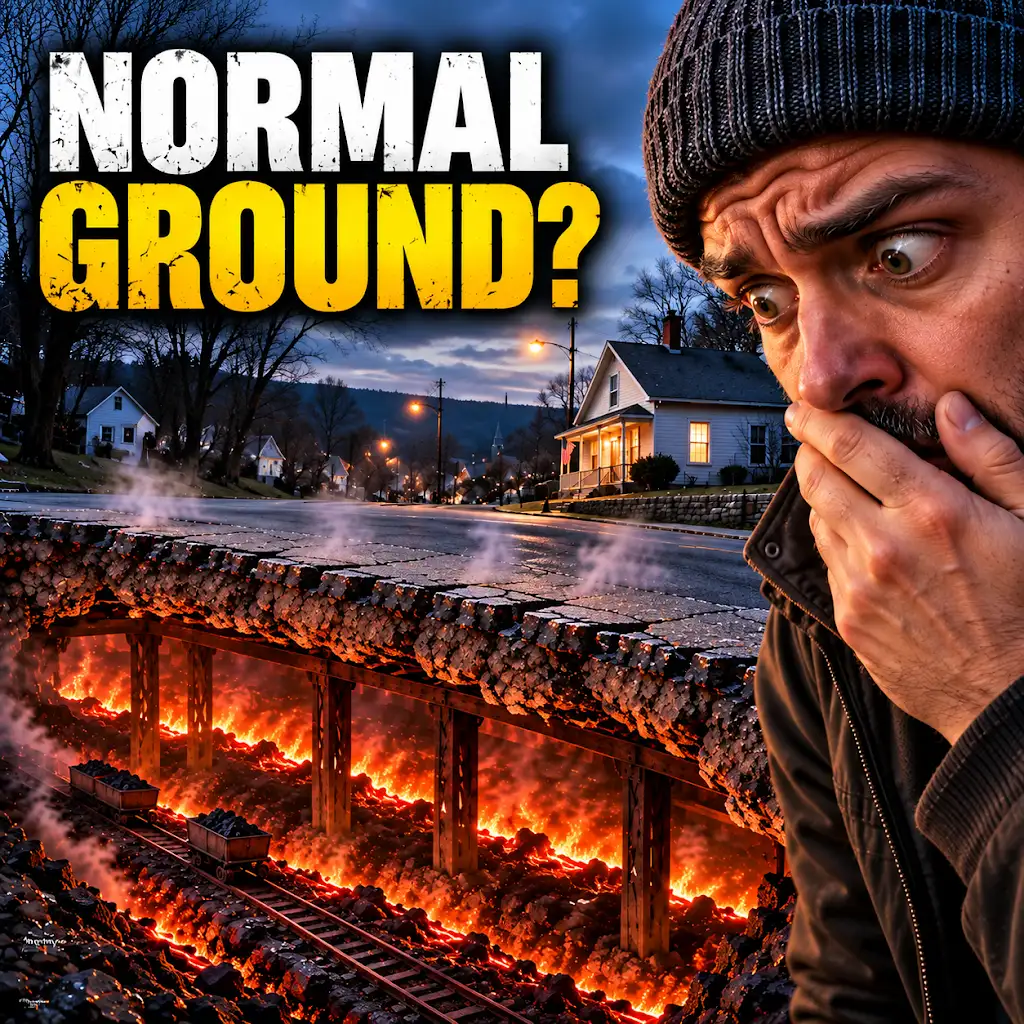
Why Was Moving Centralia Easier Than Putting Out Its Fire?
FAQs
What is Centralia known for?
Centralia is known for the underground coal mine fire that has been burning beneath the town since 1962, leading to the town’s evacuation and near-abandonment.
How has Centralia changed since the mine fire started?
Since the mine fire started, Centralia’s population has drastically decreased, with many buildings and homes being demolished or abandoned. The town’s infrastructure has also deteriorated, and the landscape has been altered due to the effects of the fire.
Is it safe to visit Centralia today?
Due to the ongoing underground mine fire and the associated risks, it is not safe to visit Centralia. The area is off-limits to the public, and trespassing is strictly prohibited.
What are the environmental impacts of the Centralia mine fire?
The Centralia mine fire has resulted in significant environmental impacts, including air and water pollution, subsidence, and the release of toxic gases. The fire has also affected the local ecosystem and wildlife.
What is the future of Centralia?
The future of Centralia remains uncertain, as efforts to extinguish the mine fire have been largely unsuccessful. The town’s remaining residents continue to advocate for its preservation, while others believe that Centralia will eventually become a ghost town.