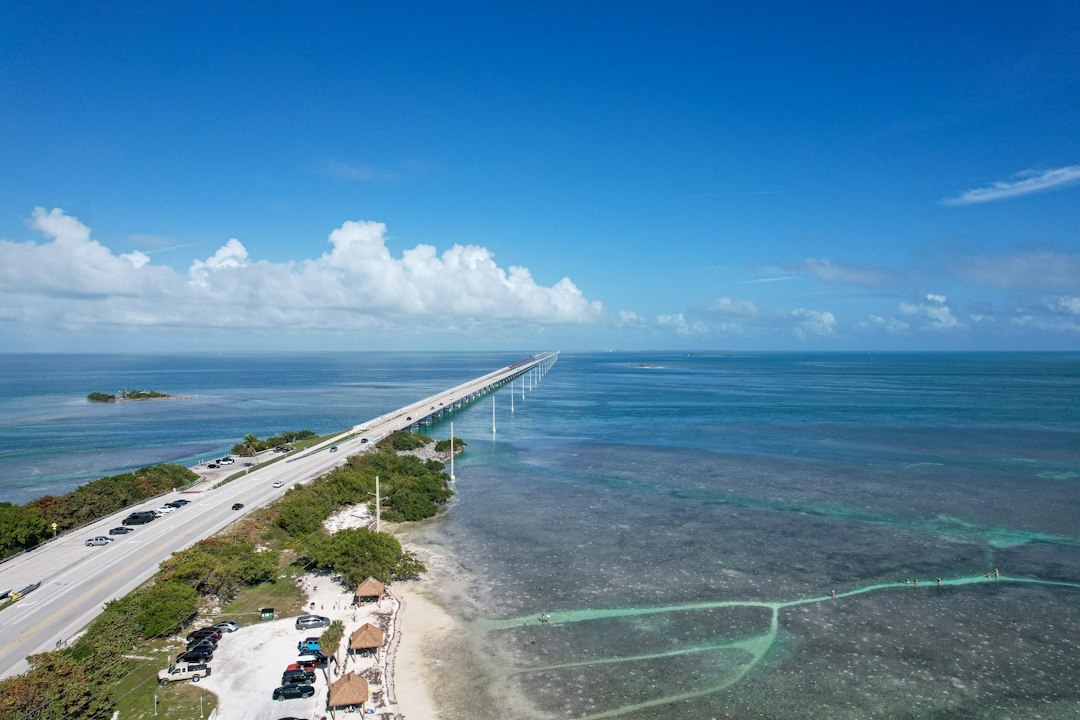
The salty air, usually a gentle caress, turned into a violent roar as a Category 5 hurricane, a monstrous force of nature, made landfall in the Florida Keys. This wasn’t just another storm; it was a catastrophic event that carved a path of destruction through the fragile island chain, leaving behind a landscape reshaped by wind and water. The sheer power of a Category 5, with its sustained winds exceeding 157 mph and capable of generating devastating storm surges, proved to be an unforgiving adversary. Homes were ripped from foundations, infrastructure crumbled, and the unique ecosystem of the Keys faced unprecedented challenges. The immediate aftermath was a scene of widespread devastation, a stark reminder of the raw, untamed power that lies within our planet’s weather systems.
The Fury Unleashed: Witnessing the Storm’s Devastation
The arrival of the Category 5 hurricane was not a sudden surprise but a relentless, escalating threat. For days, forecasters tracked the rapidly intensifying storm, its eye a chillingly calm center surrounded by an inferno of destructive winds. As it approached the Keys, the atmosphere grew heavy with an oppressive humidity, and the sea began to churn with an unnatural fury. The first signs of its power were the increasingly ferocious winds, tearing at vegetation and whipping spray hundreds of feet into the air. Then came the rain, not as drops but as sheets, a blinding deluge that reduced visibility to near zero.
Winds of Destruction
The sustained winds of a Category 5 are not merely strong; they are annihilating. They possess the power to strip roofs from houses, shatter windows with ease, and turn everyday objects into lethal projectiles. In the Florida Keys, these winds tore through communities, splintering boats anchored in harbors, uprooting ancient palm trees, and reducing well-built structures to rubble. The sound was deafening, a continuous howl punctuated by the percussive crashes of debris being hurled through the air. Imagine the sound of a thousand freight trains passing simultaneously, amplified by the shriek of the wind, and you begin to grasp the auditory terror of such an event. Houses, once secure shelters, became vulnerable shells, their walls yielding to the relentless pressure. Mobile homes, inherently less resilient, were simply obliterated, their metal components twisted into unrecognizable shapes. The iconic imagery of the Keys, with its colorful bungalows and vibrant marinas, was brutally erased by this onslaught.
The Insidious Rise of the Storm Surge
While the winds commanded immediate attention with their visible destruction, the storm surge represented a more insidious and equally devastating threat. This abnormal rise of water, generated by the hurricane’s powerful winds pushing ocean water ashore, is often the deadliest aspect of these massive storms. In the low-lying Florida Keys, a surge of even a few feet can inundate entire neighborhoods. This Category 5 unleashed a surge that measured in double digits, transforming coastal roads into raging rivers and submerging entire islands. The water, driven by immense force, not only flooded but also eroded land, carrying away structures, vehicles, and anything not firmly anchored. Coastal highways, the lifelines of the Keys, were swallowed by the churning sea, isolating communities and hindering immediate rescue efforts. Homes built to withstand hurricane-force winds often stood defiantly against the gusts, only to be undermined and swept away by the relentless, surging water. The saltwater intrusion also posed a long-term threat, contaminating freshwater sources and damaging delicate coastal ecosystems.
The Aftermath: A Landscape Scarred
The hours and days following the hurricane’s passage were a stark testament to its power. As the winds subsided and the rain lessened, a surreal and heartbreaking landscape emerged. The vibrant hues of the Keys were replaced by a palette of gray and brown, the debris a chaotic tapestry spread across the land. Roads were impassable, blocked by fallen trees, overturned vehicles, and the wreckage of homes. Power lines lay in tangled heaps, plunging the islands into darkness. The iconic Overseas Highway, a marvel of engineering, was breached in numerous locations, severing the mainland connection and creating an immediate crisis for those stranded. The air, once filled with the scent of salt and blooming flowers, now carried the acrid smell of dampness, decay, and the lingering aroma of fuel leaks. The sheer scale of the destruction was overwhelming, a physical manifestation of nature’s indifference to human endeavors.
In light of the recent Category 5 hurricane that impacted the Florida Keys, it is crucial to stay informed about the ongoing recovery efforts and safety measures in place. For a comprehensive overview of the situation, you can read a related article that discusses the challenges faced by residents and the resilience of the community in the aftermath of such a devastating storm. To learn more, visit this link: My Geo Quest.
The Human Toll: Stories of Resilience and Loss
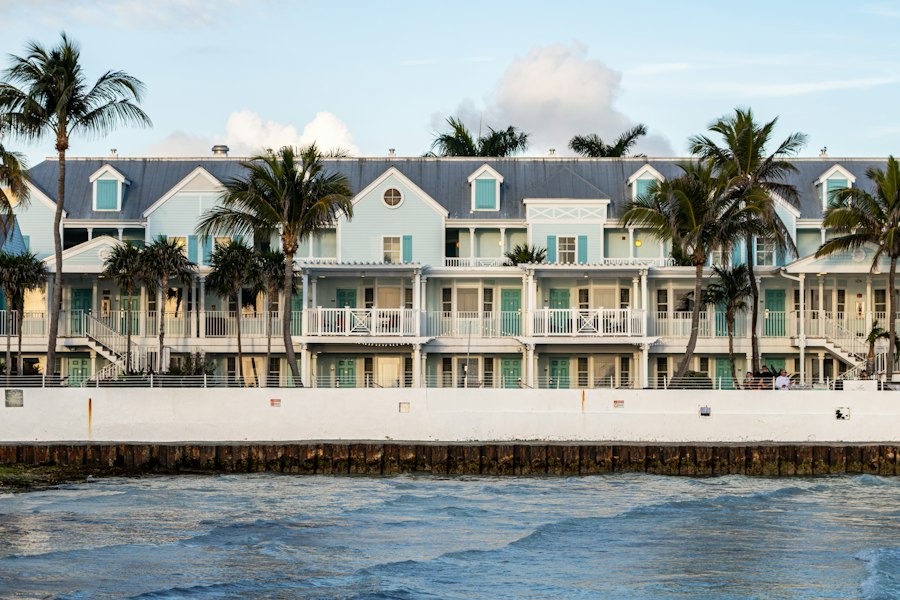
Beyond the physical destruction, the true impact of the hurricane was measured in the human stories of loss, survival, and unwavering resilience. Families were separated, homes were destroyed, and livelihoods were shattered. Yet, amidst the devastation, the human spirit shone through, with neighbors helping neighbors and strangers offering comfort and aid.
Evacuation: A Lifeline and a Gamble
For residents of the Florida Keys, the decision to evacuate is a difficult one, fraught with logistical challenges and emotional ties to their homes. With a Category 5 bearing down, mandatory evacuation orders were issued, urging everyone to leave the vulnerable island chain. This involved navigating crowded highways, securing temporary housing, and the agonizing uncertainty of what awaited them upon their return. Many heeded the warnings, packing what they could and joining the exodus north. However, not everyone could evacuate. Some chose to shelter in place, believing their homes were sturdy enough, or lacking the means to leave. For those who stayed, the experience was terrifying, a harrowing ordeal of hunkering down as the storm raged outside. The stories of those who evacuated, braving traffic jams and uncertain futures, are as vital as those who weathered the storm. The financial burden of evacuation, from gas to temporary lodging, weighs heavily on many, adding another layer of hardship to the disaster.
Sheltering in Place: A Test of Fortitude
For those who remained, the hurricane became a test of their fortitude and preparedness. They retreated to the most secure parts of their homes, often interior rooms or specially reinforced shelters. The sounds of the storm – the relentless battering of wind and rain, the terrifying crashes of debris – created an atmosphere of constant anxiety. Many described the experience as being inside a drum being beaten by giants. The fear of the unknown, of what damage the storm was inflicting outside their walls, was a palpable presence. Yet, within these confined spaces, a quiet determination often took hold. Neighbors checked on each other via phone calls, sharing updates and offering words of encouragement. The shared experience of survival, even if physically separated, forged new bonds and reinforced existing ones. The physical and psychological toll of sheltering in place is immense, leaving lasting impressions of vulnerability and the sheer power of natural forces.
The Long Road to Recovery
The immediate aftermath of the hurricane is just the beginning of a long and arduous recovery process. For the residents of the Florida Keys, this means rebuilding homes, restoring businesses, and healing the emotional scars left by the storm. The economic impact is profound, with tourism, the lifeblood of the Keys, devastated. The fishing industry, another vital component of the local economy, also suffered significant losses due to damaged boats and disrupted ecosystems. The psychological impact on individuals and communities can be long-lasting, with many experiencing trauma and anxiety for years to come. The rebuilding effort requires immense resources, both financial and human, and the community’s resilience will be tested time and again. Stories of loss are interwoven with tales of extraordinary generosity, with volunteers and aid organizations arriving to provide much-needed assistance. The collective will to rebuild and restore the unique character of the Florida Keys is a powerful force that will guide the recovery.
Preparedness: The Key to Mitigation
The devastating impact of a Category 5 hurricane underscores the critical importance of preparedness. While nature’s fury cannot be entirely stopped, proactive measures can significantly mitigate its destructive potential and enhance the ability of communities to withstand and recover from such events. For residents of hurricane-prone areas like the Florida Keys, preparedness is not an option but a necessity.
Building a Resilient Home
The first line of defense against a powerful hurricane is a home built to withstand its onslaught. This involves adhering to stringent building codes that have been developed and refined over decades of hurricane experience. For homes in the Florida Keys, this means elevated construction to combat storm surge, reinforced roofs with hurricane clips, impact-resistant windows and doors, and secure garage doors. For new constructions, these are standard requirements. For older homes, retrofitting can significantly improve their resilience. This might include reinforcing existing window frames, installing storm shutters, and ensuring the integrity of the roof structure. Understanding the specific vulnerabilities of one’s home and taking steps to address them is a crucial part of personal preparedness. Regular maintenance of the home’s structure, from gutters to roofing, also plays a vital role in its ability to withstand extreme weather.
Developing a Family Emergency Plan
A well-defined family emergency plan is essential for ensuring the safety and well-being of all household members during a hurricane. This plan should include designated evacuation routes and a meeting point if family members become separated. It should also identify a safe room within the home for sheltering in place if evacuation is not possible. Crucially, the plan should detail how to communicate with family members, especially if traditional communication methods are disrupted. This could involve establishing a contact person outside the affected area who can relay messages. Practicing the plan regularly, especially with children, can help reduce anxiety and ensure everyone knows their role. The plan should also consider the needs of pets, including identification and transport. Stocking an emergency kit with essential supplies, including water, non-perishable food, a first-aid kit, medications, flashlights, batteries, and a portable radio, is a cornerstone of any emergency plan.
Staying Informed and Heeding Warnings
The continuous monitoring of weather forecasts and official advisories is paramount for timely and effective preparedness. During hurricane season, residents must stay informed about potential storm development. This involves subscribing to local emergency alerts, monitoring reliable news sources, and paying close attention to advisories issued by the National Hurricane Center and local emergency management agencies. Heeding evacuation orders promptly is crucial. Delaying evacuation can lead to being trapped by rising waters or impassable roads, jeopardizing safety. Understanding the different levels of hurricane watches and warnings and what actions they necessitate is also vital. A hurricane watch means a hurricane is possible, while a hurricane warning means a hurricane is expected. These distinctions allow for gradual preparation and decisive action when needed.
The Economic Ripple Effect: Rebuilding Livelihoods
The economic repercussions of a Category 5 hurricane extend far beyond the immediate costs of damage and repairs. The Florida Keys, heavily reliant on tourism and fishing, faces a protracted period of economic recovery. The destruction of infrastructure, businesses, and natural attractions creates a ripple effect that impacts individuals, businesses, and the wider regional economy.
Tourism: The Heartbeat of the Keys
Tourism is the dominant industry in the Florida Keys, and the hurricane delivered a devastating blow to this vital sector. Hotels, restaurants, shops, and recreational facilities were damaged or destroyed, forcing closures and rendering popular destinations inaccessible. The iconic image of the Keys as a vibrant tourist paradise was replaced by scenes of wreckage and ruin. The loss of tourism revenue directly impacts local businesses, leading to job losses and reduced income for many residents. The psychological impact on potential tourists also plays a role, as images of devastation can deter visitors even after the immediate danger has passed. The rebuilding of these establishments, along with efforts to restore the natural beauty and appeal of the Keys, will be a long and complex process. Marketing campaigns will be essential to reassure visitors of the safety and charm of the islands.
Fishing and Marine Industries: A Threatened Ecosystem
The fishing industry and related marine businesses are integral to the economy and culture of the Florida Keys. The hurricane’s fury not only damaged fishing vessels and docks but also disrupted marine ecosystems, potentially impacting fish populations. The cleanup of debris in harbors and the restoration of natural habitats will be crucial for the recovery of this sector. The contamination of waters by fuel spills and other pollutants also poses a significant threat to marine life and human health, requiring extensive environmental remediation. The long-term sustainability of the fishing industry depends on the health of the ocean, making the environmental impact of the storm a critical concern.
Infrastructure and Reconstruction Costs
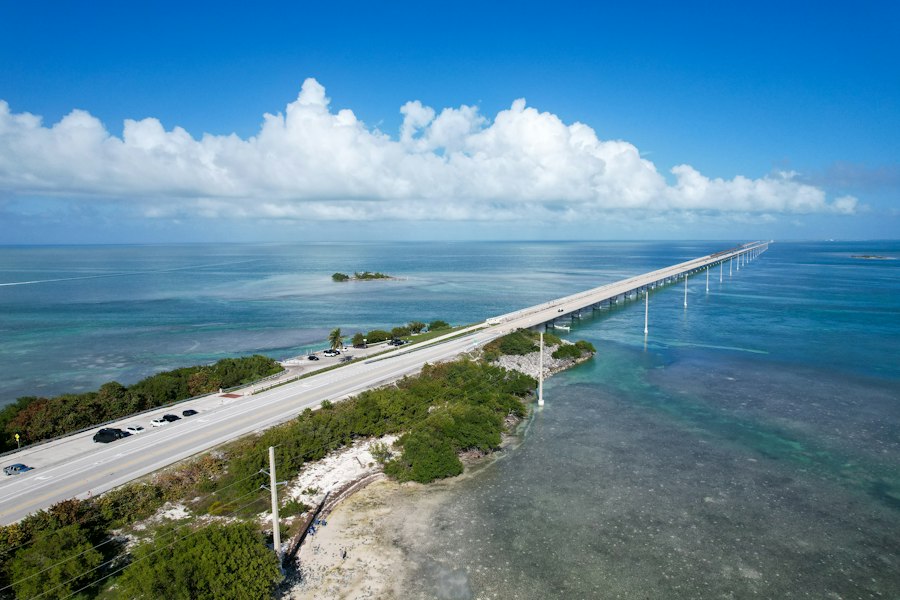
The cost of rebuilding the essential infrastructure of the Florida Keys is staggering. Roads, bridges, power grids, water and sewage systems, and communication networks all sustained extensive damage. The Overseas Highway, the sole land link connecting the islands to the mainland, was severely damaged, necessitating extensive repairs to restore essential services and facilitate the movement of goods and people. The financial burden of this reconstruction will fall on federal, state, and local governments, as well as private insurers and individuals. The allocation of resources and the prioritization of reconstruction efforts will be critical challenges in the recovery process. The sheer scale of the damage often overwhelms immediate resources, highlighting the need for long-term financial planning and disaster relief funding.
As the Florida Keys brace for the impact of a Category 5 hurricane, residents are urged to prepare for potential evacuations and severe weather conditions. The devastation caused by such powerful storms can be catastrophic, affecting not only homes but also the delicate ecosystem of the region. For those looking to understand more about the implications of hurricanes in this area, a related article provides valuable insights into the historical patterns and future projections of hurricane activity. You can read more about it in this informative piece here.
Long-Term Resilience: Building Back Stronger
| Metric | Value | Description |
|---|---|---|
| Category | 5 | Highest category on the Saffir-Simpson Hurricane Wind Scale |
| Wind Speed | 157+ mph (252+ km/h) | Maximum sustained wind speed defining Category 5 hurricanes |
| Storm Surge | 18+ feet (5.5+ meters) | Estimated storm surge height impacting the Florida Keys |
| Notable Hurricane | Hurricane Irma (2017) | Category 5 hurricane that caused significant damage in the Florida Keys |
| Duration Over Keys | Several hours | Time period during which the hurricane’s eye or eyewall passed over the Florida Keys |
| Damage Level | Severe | Extensive structural damage and flooding reported |
| Evacuations | Mandatory | Evacuation orders issued for residents and tourists |
| Fatalities | Varied | Number of deaths varies by event; Hurricane Irma caused several fatalities |
The Category 5 hurricane, while devastating, also presents an opportunity for the Florida Keys to build back stronger and more resilient. This involves not only reconstructing what was lost but also implementing strategies that will better protect the community from future storms. The lessons learned from this catastrophic event must inform future planning and development.
Investing in Climate-Resilient Infrastructure
The future of coastal communities like the Florida Keys is inextricably linked to the realities of a changing climate. Rising sea levels and the potential for more intense hurricanes necessitate investments in climate-resilient infrastructure. This includes elevating critical facilities, reinforcing coastal defenses, and exploring innovative solutions like living shorelines that utilize natural ecosystems to buffer storm impacts. The rebuilding process must prioritize designs and materials that can withstand the projected impacts of future storms and sea-level rise, ensuring that the islands are better prepared for the challenges ahead. This proactive approach is more cost-effective in the long run than repeatedly rebuilding after devastating storms.
Enhancing Early Warning Systems and Evacuation Procedures
The effectiveness of early warning systems and evacuation procedures is paramount in saving lives and minimizing damage. Continuous investment in advanced weather monitoring technology, improved communication networks, and sophisticated modeling capabilities will enhance the accuracy and timeliness of hurricane predictions. Furthermore, refining evacuation strategies, including identifying more efficient routes, establishing more accessible shelters, and ensuring adequate transportation for vulnerable populations, will be critical. Public education campaigns to ensure residents understand and adhere to evacuation orders are also essential. The lessons learned from the logistical challenges of past evacuations must be incorporated into future planning.
Fostering Community Preparedness and Education
The most effective resilience strategies are those that engage and empower the community. Ongoing public education on hurricane preparedness, including how to develop emergency plans, build disaster kits, and secure homes, is vital. Encouraging community-based initiatives, such as neighborhood preparedness groups and volunteer response teams, can bolster local capacity to respond to and recover from disasters. Furthermore, fostering a culture of continuous learning and adaptation, where lessons from each storm are integrated into future planning and preparedness efforts, will be crucial for the long-term resilience of the Florida Keys. The collective knowledge and experience of the community are invaluable assets in building a stronger future.
The Category 5 hurricane’s strike on the Florida Keys was a stark and devastating reminder of nature’s formidable power. The immediate aftermath painted a grim picture of destruction, but within that devastation, stories of human resilience, loss, and the unwavering spirit of community emerged. The long road to recovery will be challenging, marked by economic rebuilding, infrastructural reconstruction, and the healing of emotional scars. However, the lessons learned from this catastrophic event provide a clear roadmap for building a more resilient future. By investing in climate-resilient infrastructure, enhancing early warning systems, and fostering community preparedness, the Florida Keys can emerge from this trial not only rebuilt but stronger, better equipped to face the inevitable challenges of the future. The memory of this storm will forever serve as a potent reminder of the need for vigilance, preparedness, and the enduring strength of the human spirit in the face of nature’s most extreme forces.
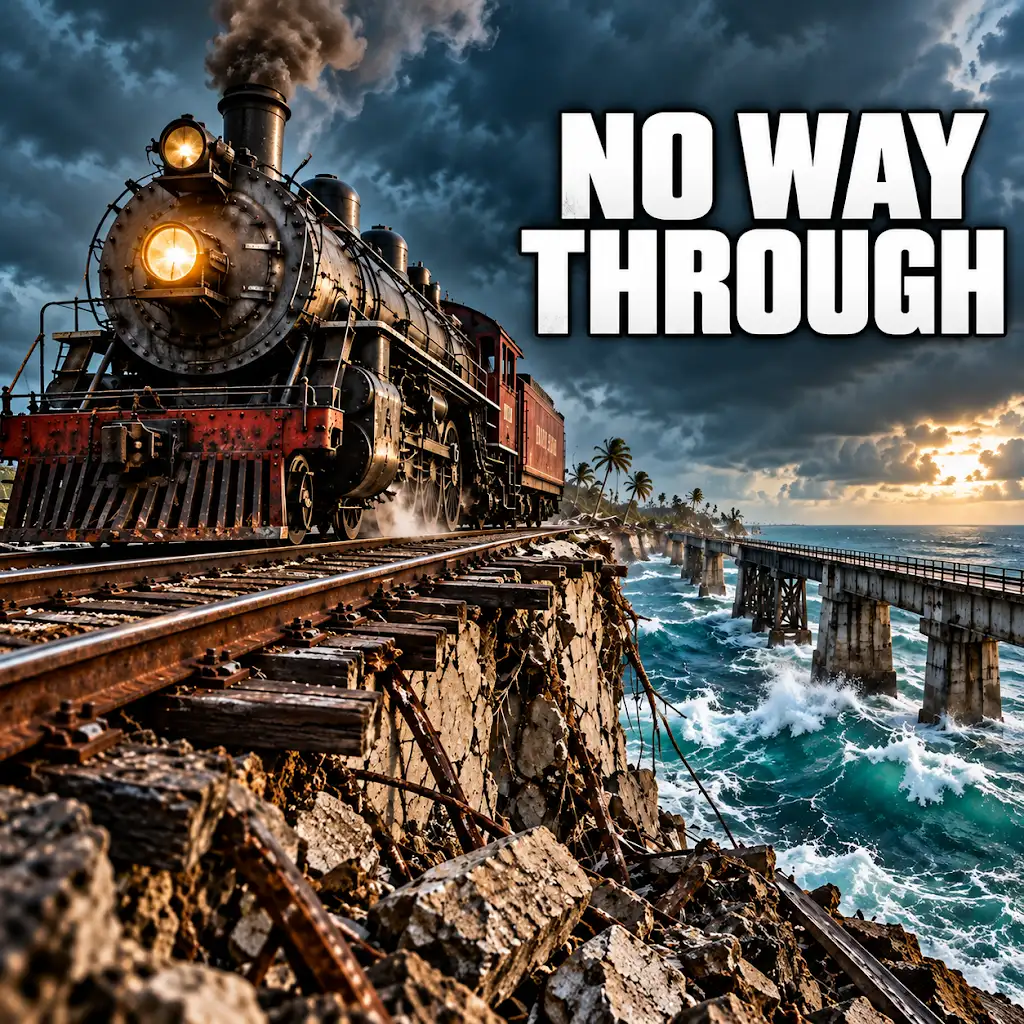
The Railroad That Bet on the Panama Canal—and Lost
FAQs
What is a Category 5 hurricane?
A Category 5 hurricane is the most severe classification on the Saffir-Simpson Hurricane Wind Scale, with sustained winds of 157 miles per hour (252 km/h) or higher. These storms cause catastrophic damage.
How often do Category 5 hurricanes occur in the Florida Keys?
Category 5 hurricanes are rare events, and they do not frequently make landfall in the Florida Keys. However, the region has experienced devastating Category 5 storms in the past, such as Hurricane Irma in 2017.
What are the potential impacts of a Category 5 hurricane on the Florida Keys?
A Category 5 hurricane hitting the Florida Keys can result in widespread destruction, including extreme wind damage, storm surge, heavy rainfall leading to flooding, and power outages. It can also cause significant loss of life and property.
How can residents and authorities prepare for a Category 5 hurricane in the Florida Keys?
Preparation for a Category 5 hurricane in the Florida Keys involves following evacuation orders, securing property, stocking up on emergency supplies, creating a communication plan, and staying informed through official channels like the National Hurricane Center.
Is there a specific hurricane season when Category 5 hurricanes are more likely to occur in the Florida Keys?
Category 5 hurricanes can occur during the Atlantic hurricane season, which officially runs from June 1 to November 30. While these storms are rare, it is essential for residents of the Florida Keys to be prepared throughout the entire hurricane season.