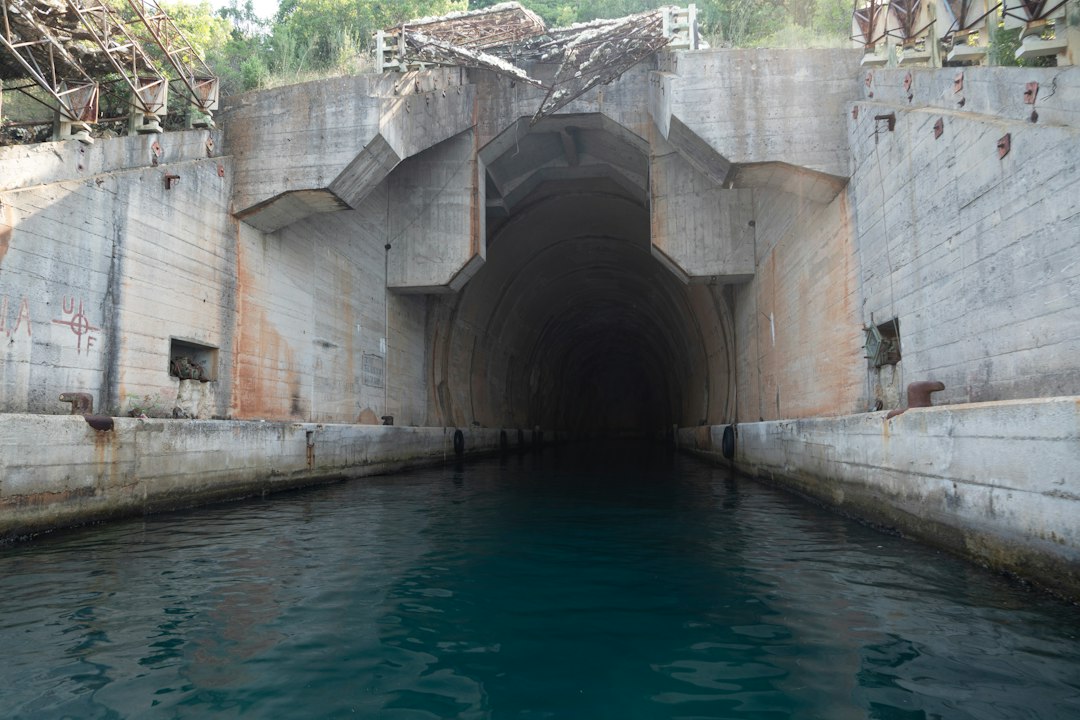
The grand vision of a transcontinental waterway, a project that promised to reshape economies and forge new connections, ultimately remained a figment of ambitious planning. The anticipated surge of canal trade, heralded as a catalyst for unprecedented regional economic growth, never materialized. This unfulfilled potential left a tangible void in the economic development trajectories of numerous regions, prompting a retrospective examination of what might have been and the lasting consequences of this phantom artery of commerce.
The Unbuilt Arteries of Commerce
The initial conception of extensive canal networks, often spanning vast distances and linking disparate geographic areas, was rooted in a deep-seated belief in the transformative power of efficient waterborne transport. Proponents envisioned these artificial rivers as conduits for bulk goods, agricultural produce, and manufactured items, drastically reducing transportation costs and opening up new markets. The allure of these projects was undeniable, promising to unlock the economic potential of previously isolated or underdeveloped regions. The impact was expected to be multifaceted: lower prices for consumers due to reduced shipping expenses, increased agricultural yields finding profitable outlets, and the burgeoning of industries fueled by accessible raw materials and wider distribution channels. Furthermore, the construction phase itself was anticipated to provide significant employment opportunities, stimulating local economies through wages and demand for materials. The optimistic projections painted a picture of vibrant towns and cities springing up along the canal routes, becoming hubs of trade and innovation. The narrative of progress was intrinsically linked to the successful realization of these infrastructural marvels.
The Economic Rationale Behind the Canal Dream
At the heart of the canal trade dream lay a fundamental economic principle: the optimization of transportation costs. Historically, water travel has been the most cost-effective method for moving large volumes of goods over long distances. The advent of canal building technology promised to extend this advantage to inland regions, overcoming natural geographical barriers like mountains and meandering rivers. The envisioned canals were not merely ditches; they were sophisticated engineering feats designed to connect major production centers with burgeoning consumption markets, and to link resource-rich hinterlands with industrializing coastal areas. The economic benefits were projected to cascade through various sectors. Agriculture, for instance, would benefit from the ability to transport perishable and bulky crops to distant markets without spoilage or prohibitive costs. Manufacturing industries would gain access to cheaper raw materials, such as coal and iron ore, and could then efficiently distribute their finished products. Small towns and rural communities, often isolated by poor road infrastructure and limited rail access, saw canals as a lifeline to economic prosperity, offering them a direct link to the broader national and international economy. The multiplier effect was a key consideration, with the initial investment in canal construction stimulating demand for labor, materials, and ancillary services, creating a ripple of economic activity that was expected to endure long after the waterways were operational.
Technological Hurdles and Engineering Ambitions
The sheer ambition of some canal projects often outstripped the available technological capabilities of the era. While the basic principles of canal construction were understood, the scale and complexity of the proposed networks presented formidable challenges. Excavating through diverse geological formations, managing water levels across vast distances, and constructing sophisticated lock systems to overcome significant elevation changes required immense resources and engineering ingenuity. Moreover, the environmental implications, often poorly understood or deliberately overlooked, could also pose unexpected obstacles. Landslides, water source depletion, and the impact of silting could all threaten the long-term viability of even the most well-engineered canals. The vision was grand, often involving cross-country routes that defied natural topography, and the engineering solutions, while sometimes innovative, were not always robust enough to withstand the test of time and the unpredictable forces of nature. The reliance on manual labor, even with early mechanization, meant that progress was often slow and costly, further exacerbating the financial strain on these massive undertakings.
The ambitious plans for canal trade in the early 19th century never materialized as expected, primarily due to the rapid development of rail transport which offered a more efficient means of moving goods. For a deeper understanding of the historical context and the factors that contributed to this shift, you can explore the related article on this topic at this link.
The Ghost of Commerce: Unfulfilled Promises
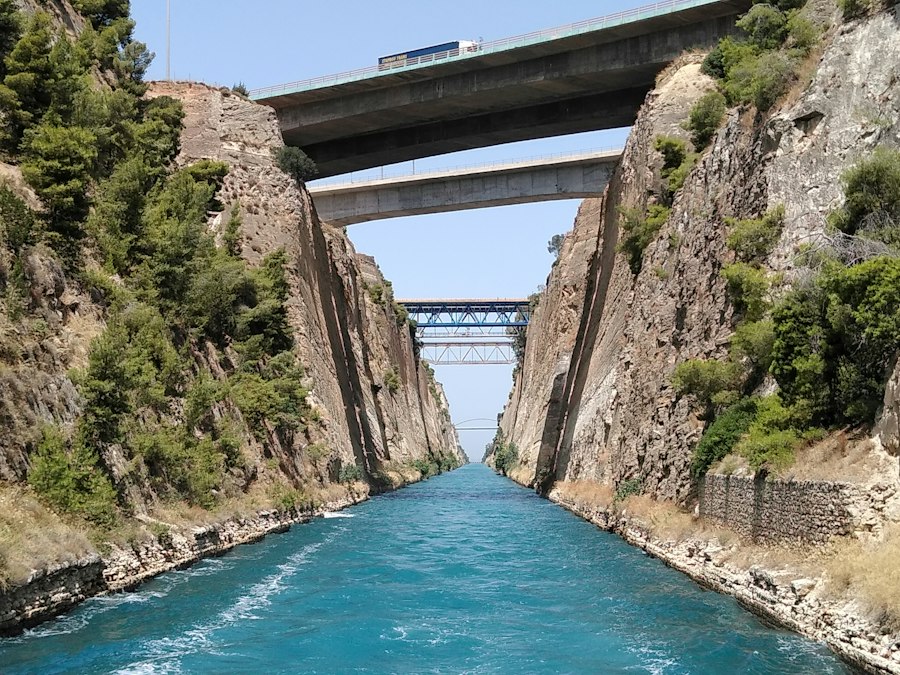
The absence of robust canal trade left an economic vacuum, forcing regions to seek alternative development pathways. The expected economic multipliers remained dormant, and the opportunities for job creation and industrial growth linked to waterborne commerce were never realized. This had a profound impact on regional development, leading to stagnation or slower growth compared to areas with more accessible transportation networks.
Missed Opportunities for Trade and Connectivity
The failure of canal projects to reach fruition meant that crucial trade routes remained undiscovered or underdeveloped. Regions that were envisioned to become bustling entrepôts, centers of commerce and exchange, instead remained on the fringes of the developing economic landscape. The cost of transporting goods via less efficient means, such as animal-drawn carts or nascent railway lines that often followed less direct routes, continued to be a significant impediment to economic competitiveness. Local industries, reliant on affordable raw materials and market access, struggled to compete with producers in better-connected regions. The potential for specialization and economies of scale was never fully exploited. Furthermore, the social and cultural exchange that often accompanies the development of major trade arteries was also curtailed, leaving communities more isolated and less integrated into the broader national consciousness. The interconnectedness that canals promised, fostering a sense of shared economic destiny, remained a distant aspiration for many.
The Shadow of Investment and Infrastructure Gaps
The significant capital invested in planning, surveying, and initial construction of these failed canal projects represented a substantial opportunity cost. These funds could have been directed towards other, more viable infrastructure development or directly into industrial and agricultural initiatives. The legacy of these unfinished projects often manifested as physical scars on the landscape – abandoned earthworks, disused locks, and incomplete channels – serving as constant reminders of dashed hopes. More importantly, the absence of the planned canal infrastructure created persistent gaps in regional transportation networks. This meant that other forms of transport, such as roads and railways, had to shoulder the burden, often with less efficiency and at higher costs. The economic development of these regions was thus constrained by the inherent limitations of their transportation systems, hindering their ability to participate fully in the national economy. The investment in a ghost of commerce served as a stark lesson in the importance of feasibility studies and realistic project planning.
The Rise of Alternative Transport and Evolving Economic Landscapes
While canals faltered, the relentless march of technological progress saw the rise of alternative transportation methods, most notably the steam-powered railway. In many instances, railways effectively superseded the need for canals, offering greater speed, flexibility, and the ability to traverse more challenging terrain. Regions that initially pinned their hopes on canals were often forced to pivot, aligning their development strategies with the expanding railway networks. This led to a redistribution of economic influence, with towns and cities located on crucial railway junctions often experiencing rapid growth, while those that remained solely reliant on the failed canal vision lagged behind. The economic landscape thus evolved, but not in the manner initially envisioned. The impact was a dynamic reshuffling of regional economic fortunes, driven by the emergence and dominance of new transportation paradigms.
Regional Divergence and Lingering Economic Scars
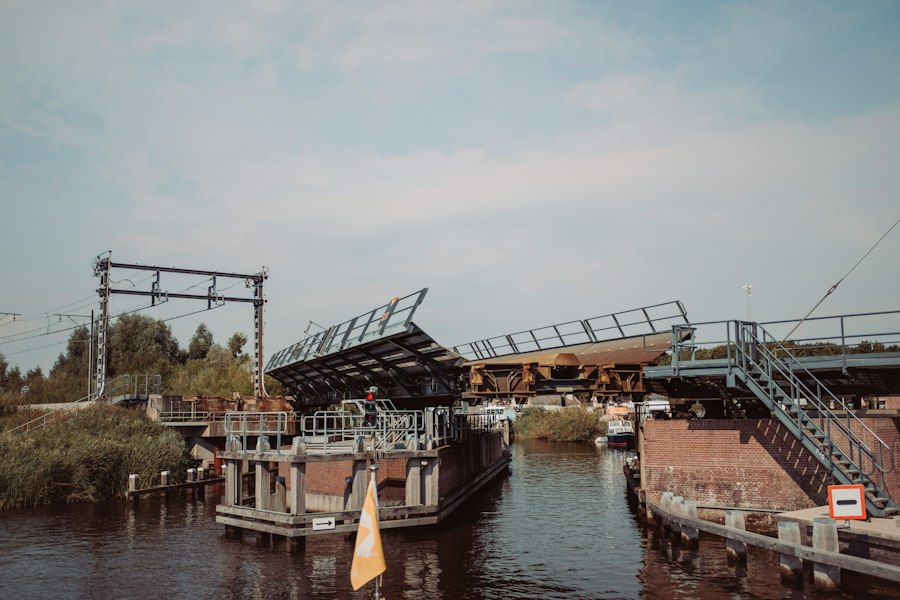
The failure of canal trade to materialize led to a discernible divergence in regional economic growth. Areas with robust, established transportation networks continued to flourish, while regions that were heavily invested in the canal dream experienced prolonged periods of slower development and economic stagnation. The impact was not uniform; it created winners and losers in the grand narrative of national economic expansion.
The Impact on Agricultural Economies
Agricultural regions, which were often the primary beneficiaries envisioned by canal proponents, felt the sting of unrealized trade potential most acutely. The ability to transport vast quantities of grain, livestock, and other produce to distant urban markets at low cost was a cornerstone of the canal argument. Without this efficient waterway, farmers faced higher transportation costs, reduced profit margins, and limited access to broader consumer bases. This could lead to a vicious cycle: lower profitability discouraged investment in new technologies and improved farming practices, further hindering productivity and competitiveness. In some cases, it contributed to a decline in agricultural output or a shift to less lucrative, more localized markets. The potential for agricultural specialization and the development of export-oriented farming industries remained largely untapped, leaving these regions economically vulnerable and dependent on less dynamic sectors.
The Stunted Growth of Industrial Hubs
Similarly, the industrial ambitions of regions reliant on canal access were significantly curtailed. The prospect of receiving bulk raw materials like coal, iron ore, and timber at competitive prices, and then efficiently distributing manufactured goods, was a potent driver for industrialization. Without the canals, these regions often found themselves at a disadvantage compared to areas with better rail or port access. The cost of inputs rose, and the ability to reach markets was hampered, making it difficult for nascent industries to establish themselves and compete. This often resulted in a concentration of industrial activity in other, better-connected regions, leaving the canal-dependent areas with underdeveloped manufacturing sectors or a reliance on less value-added industries. The dream of becoming major industrial powerhouses remained just that – a dream, deferred by the absence of its fundamental logistical infrastructure.
The Legacy of Depopulation and Out-migration
The economic stagnation directly contributed to patterns of depopulation and out-migration in many regions where canal trade was expected to be a boon. As economic opportunities dwindled and prospects for advancement diminished, residents, particularly younger generations, were often compelled to seek employment and a better future elsewhere. This brain drain and labor outflow further exacerbated the economic challenges, creating a downward spiral of declining tax bases, reduced services, and a shrinking workforce. The vibrant communities that were envisioned to grow along the canal routes often remained small, struggling villages, or in some cases, were gradually abandoned altogether. The demographic shifts were a tangible and painful consequence of the unfulfilled promise of canal-borne prosperity.
Rethinking Economic Development Strategies
The experience of failed canal projects offered invaluable, albeit costly, lessons for regional economic development. It underscored the critical importance of realistic planning, thorough feasibility studies, and an adaptive approach to infrastructure development. Governments and planners began to acknowledge that grand visions needed to be grounded in practical realities and evolving technological landscapes.
The Imperative of Market Research and Feasibility Studies
The widespread failure of canal ventures highlighted a critical oversight in many early development initiatives: the insufficient rigorousness of market research and feasibility studies. The optimistic projections often failed to account for the complexities of actual market demand, the competitive landscape, or the long-term operational costs and maintenance requirements of such massive undertakings. Post-mortem analyses of these projects revealed a pattern of overestimation of trade volumes and underestimation of construction and maintenance expenses. This led to a paradigm shift in planning, with a greater emphasis placed on empirical data, detailed cost-benefit analyses, and a thorough understanding of market dynamics before committing to large-scale infrastructure projects. The “build it and they will come” mentality was gradually replaced by a more cautious, evidence-based approach.
Diversification as a Strategy for Resilience
The economic vulnerability exposed by the reliance on a single, unfulfilled transportation strategy prompted a broader recognition of the need for economic diversification. Regions that had pinned all their hopes on canal trade found themselves in a precarious position when that trade failed to materialize. Consequently, development planners began to advocate for strategies that encouraged a wider range of economic activities, reducing dependence on any single sector or infrastructure project. This included fostering the growth of different industries, supporting small and medium-sized enterprises, and investing in education and skills development to create a more adaptable workforce. The aim was to build economic resilience, enabling regions to weather economic downturns and adapt to changing circumstances more effectively.
The Enduring Relevance of Adaptability and Innovation
The story of canal trade offers a compelling case study in the importance of adaptability and innovation in economic development. While the envisioned canals themselves failed to deliver, the underlying desire for efficient connectivity remained. The regions that eventually prospered were often those that embraced new technologies and adapted their strategies to the evolving transportation landscape. This meant readily adopting railways, and later, exploring the potential of road networks and other forms of modern logistics. The capacity for innovation, whether in production methods, marketing strategies, or infrastructure utilization, proved to be a critical determinant of long-term economic success. The lesson learned was that static plans, however ambitious, are insufficient in a dynamic world; continuous adaptation and a willingness to embrace novel solutions are paramount.
The ambitious plans for canal trade in the region ultimately never materialized, leaving many to wonder about the potential economic benefits that could have been realized. This topic is explored in greater detail in a related article that discusses the historical context and the various factors that contributed to the project’s failure. For more insights, you can read the full article here.
Lessons Learned for Future Infrastructure Development
| Metric | Value | Notes |
|---|---|---|
| Projected Trade Volume | 500,000 tons/year | Estimated based on initial feasibility studies |
| Actual Trade Volume | 0 tons/year | No trade materialized due to project cancellation |
| Investment in Infrastructure | 150 million | Spent on preliminary construction and planning |
| Years Since Project Initiation | 5 years | From initial proposal to project halt |
| Economic Impact | Minimal | Local economy did not benefit as expected |
| Environmental Impact | Moderate | Preliminary construction caused some disruption |
The ghost of canal trade serves as a poignant reminder of the complexities inherent in large-scale infrastructure projects and their profound impact on regional economies. The missteps of the past offer invaluable guidance for contemporary planners and policymakers, shaping the way we approach future investments in connectivity and economic growth.
The Criticality of Long-Term Viability and Maintenance
A significant lesson derived from the failed canal ventures is the paramount importance of considering long-term viability and ongoing maintenance. Many canal projects were conceived with grand initial construction plans but lacked adequate foresight regarding the sustained costs of upkeep, dredging, and operational management. The erosion of canal beds, the silting of waterways, and the breakdown of lock systems could render even initially functional canals obsolete or prohibitively expensive to maintain. This has instilled a greater appreciation for the lifecycle costs of infrastructure and the need for robust, sustainable funding models that extend beyond the initial construction phase. Future projects are now more meticulously scrutinized for their long-term operational feasibility and the resources required to keep them functional and efficient for generations to come.
The Role of Public-Private Partnerships in Modern Infrastructure
The era of grand, state-funded infrastructure projects has, in many cases, given way to a greater reliance on public-private partnerships (PPPs). The financial burdens and risks associated with mega-projects are now often shared between government entities and private sector investors. This model can bring not only financial capital but also specialized expertise, efficiency, and innovation to project conception, construction, and operation. While PPPs are not without their own challenges, they represent a recognition that public funds alone may not always be sufficient or the most effective means of delivering complex infrastructure. The lessons from the canal era, where the financial commitments often proved unsustainable for public coffers, have contributed to the evolution of more collaborative and diversified funding and management approaches for infrastructure development.
Navigating the Interplay of Technology and Geography
Ultimately, the failure of canal trade highlights the delicate interplay between technological advancement and geographical realities. While canals offered a promising technological solution for their time, they were often a poor fit for certain geographical constraints or were quickly outmoded by newer technologies that transcended these limitations. Future infrastructure development must therefore be guided by a nuanced understanding of both. This involves selecting technologies that are well-suited to the specific geographical context and anticipating how technological evolution might impact the long-term relevance of any given infrastructure. The goal is not merely to build infrastructure, but to build infrastructure that is not only functional but also enduring, adaptable, and strategically aligned with the evolving needs of the economy and the environment. The ghost of the unbuilt canal continues to echo, a constant reminder to plan with foresight, adapt with agility, and build with a view to lasting prosperity.

The Railroad That Bet on the Panama Canal—and Lost
FAQs
What was the proposed canal trade?
The proposed canal trade was a plan to create a waterway that would connect two bodies of water, allowing for the transportation of goods and resources between them.
Why did the canal trade never materialize?
The canal trade never materialized due to various reasons such as lack of funding, technical challenges, political obstacles, and changes in economic conditions.
Which regions were supposed to benefit from the canal trade?
The regions that were supposed to benefit from the canal trade were those located along the proposed route of the canal, as they would have easier access to trade routes and increased economic opportunities.
What impact did the failure of the canal trade have on the economy?
The failure of the canal trade had a negative impact on the economy as it missed out on potential economic growth, job creation, and increased trade opportunities that the canal would have brought.
Are there any remnants of the proposed canal trade project still visible today?
Yes, there may be remnants of the proposed canal trade project still visible today, such as abandoned construction sites, historical markers, or documents detailing the plans for the canal.