The relentless hum of air conditioners across millions of homes and businesses is a defining sound of modern life, particularly in warmer climates. As temperatures climb, so too does the demand placed on the intricate networks of power grids that fuel these essential cooling devices. The question of whether these grids can sustainably handle the escalating air conditioning demand is no longer a theoretical concern; it is a pressing reality that demands careful examination and proactive solutions. This article delves into the challenges and complexities of meeting this surging energy need, exploring the vulnerabilities of current infrastructure, the impact of extreme weather, the evolving landscape of energy consumption, and the innovative strategies being developed to ensure grid stability and reliability.
Air conditioning, once a luxury, has become a near necessity in many parts of the world, driving a significant and ever-increasing portion of peak electricity demand. The widespread adoption of air conditioning, fueled by rising incomes, increased urbanization, and the undeniable discomfort of rising global temperatures, has placed an unprecedented burden on power grids. This growing reliance is particularly acute during the summer months, when sweltering heatwaves can push electricity consumption to its absolute limits.
The Global Surge in Air Conditioner Ownership
The proliferation of air conditioning units worldwide is a stark indicator of shifting lifestyle and environmental realities. In developing nations, as economic prosperity grows, so too does the desire for and affordability of air-conditioned spaces, leading to a rapid expansion of unit ownership. This trend is not limited to emerging economies; even in developed nations, the expectation of comfortable indoor temperatures is increasingly standard, leading to higher penetration rates of AC units. The International Energy Agency (IEA) has highlighted this trend, projecting a dramatic increase in the number of air conditioners in operation globally in the coming decades. This growth is not merely linear; it represents an exponential rise that stresses existing infrastructure designed for a different era of energy consumption.
The Peak Demand Conundrum: When the Grid is Most Vulnerable
The most significant challenge posed by air conditioning is its contribution to peak demand. Air conditioners are energy-intensive appliances that often operate simultaneously during the hottest parts of the day and during extended heatwaves. This synchronized surge in electricity usage creates immense pressure on the power grid, pushing generation capacity and transmission infrastructure to their operational limits. Utilities must be able to supply electricity to meet this peak demand, even if it only occurs for a few hours a day during a handful of days each year. Failing to do so can lead to rolling blackouts and widespread power outages, disrupting daily life and economic activity. The cost of building and maintaining the generation and transmission capacity solely to meet these infrequent but intense peaks is substantial, often leading to higher electricity prices for consumers.
The Environmental Link: Climate Change Amplifies the Problem
The very phenomenon that drives the demand for air conditioning – climate change – also exacerbates the strain on power grids. As global temperatures continue to rise, heatwaves are becoming more frequent, more intense, and longer-lasting. This creates a feedback loop: warmer temperatures necessitate more air conditioning, which in turn increases electricity demand, potentially leading to higher emissions from fossil fuel power plants if renewable energy sources cannot keep pace. This creates a complex dilemma where the solution to discomfort can inadvertently contribute to the problem itself. Furthermore, the infrastructure itself can be vulnerable to extreme weather events, which are also a consequence of climate change.
As the demand for air conditioning continues to rise, concerns about the capacity of power grids to handle this increased load have become more prominent. A related article that delves into this issue is available at MyGeoQuest, where experts discuss the challenges and potential solutions for modern power infrastructure in the face of soaring temperatures and heightened energy consumption. This resource provides valuable insights into how utilities are adapting to ensure reliable service during peak demand periods.
Infrastructure Limitations: The Aging Backbone of the Grid
Modern power grids, in many regions, were designed and built decades ago, when energy consumption patterns were vastly different. The rapid increase in air conditioning demand, coupled with the aging nature of much of this infrastructure, creates significant vulnerabilities. Transmission lines, substations, and generation facilities may not have the capacity to handle the increased loads, leading to inefficiencies and potential failures.
Transmission and Distribution: The Bottlenecks
The journey of electricity from generation plants to individual homes is a complex one, involving high-voltage transmission lines that carry power over long distances and lower-voltage distribution networks that deliver it to local neighborhoods. Air conditioning demand, particularly during peak times, puts immense pressure on both these systems. Transmission lines can overheat and sag under heavy loads, increasing the risk of faults and outages. Distribution transformers, designed for average loads, can be overloaded during heatwaves, leading to localized power disruptions. The capacity of these networks is a finite resource, and the current trend in AC usage is pushing these limits. Upgrading and reinforcing this infrastructure is a costly and time-consuming endeavor.
Generation Capacity: Meeting the Peak Challenge
Power generation is the first step in the electricity supply chain. Utilities must have enough generating capacity to meet the maximum demand they anticipate. However, the cost of building and maintaining generation capacity that is only utilized for a few peak hours a year is economically challenging. This often leads to a reliance on “peaker plants,” typically natural gas-fired facilities that can be brought online quickly to meet demand spikes. While these plants are essential for grid stability, they are often less efficient and can have higher emissions than baseload power plants. The challenge is to balance the need for flexible generation with the growing imperative for decarbonization.
The Intermittency of Renewables and Grid Stability
The growing integration of renewable energy sources, such as solar and wind, into the grid presents its own set of challenges. While crucial for reducing carbon emissions, these sources are inherently intermittent – they only generate electricity when the sun is shining or the wind is blowing. This variability makes it more difficult to match electricity supply with demand, especially when that demand is driven by the synchronized needs of millions of air conditioners. Maintaining grid stability requires a constant balance between supply and demand, and the fluctuating nature of renewables necessitates sophisticated management systems and backup generation or storage solutions.
The Impact of Extreme Weather on Grid Resilience
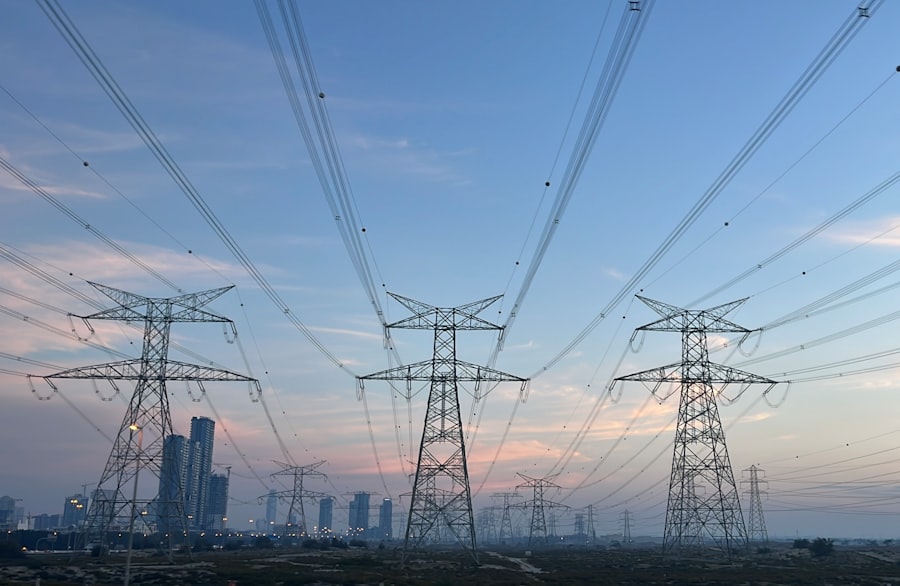
Beyond the steady increase in demand, the power grid’s ability to handle air conditioning load is increasingly tested by extreme weather events. Heatwaves, hurricanes, and other climate-related phenomena can simultaneously increase demand and damage critical infrastructure, creating a perfect storm of challenges.
Heatwaves: The Double Whammy
Heatwaves are the most direct and significant threat to the grid’s ability to handle air conditioning demand. As temperatures soar, so does the electricity consumption for cooling. Simultaneously, high ambient temperatures can reduce the efficiency of power plants and transmission lines. For example, the hotter air surrounding power lines can cause them to expand and sag, increasing the risk of physical contact and short circuits. This creates a detrimental feedback loop where the very conditions driving demand also impair the grid’s ability to deliver power.
The Vulnerability of Infrastructure to Extreme Events
The physical infrastructure of the power grid – transmission towers, substations, and power lines – is not immune to the destructive forces of extreme weather. High winds from hurricanes can topple towers and break power lines. Flooding can inundate substations, rendering them inoperable. Ice storms can weigh down lines and cause them to snap. These events not only cause immediate widespread outages but also require extensive and time-consuming repairs, further straining the grid’s capacity to meet the ongoing demand for cooling once power is restored. The increased frequency and intensity of these events due to climate change necessitate a more robust and resilient grid infrastructure.
Cascading Failures: When One Problem Becomes Many
The interconnected nature of the power grid means that a failure in one component can trigger a chain reaction of failures, leading to widespread blackouts. During extreme heat events, when the grid is already operating at its limits, a single overloaded transformer or a damaged transmission line can initiate a cascading failure that affects vast regions. This vulnerability highlights the need for sophisticated grid management systems and the implementation of technologies that can isolate faults and prevent them from spreading.
Evolving Energy Consumption Patterns: Beyond the Traditional Model
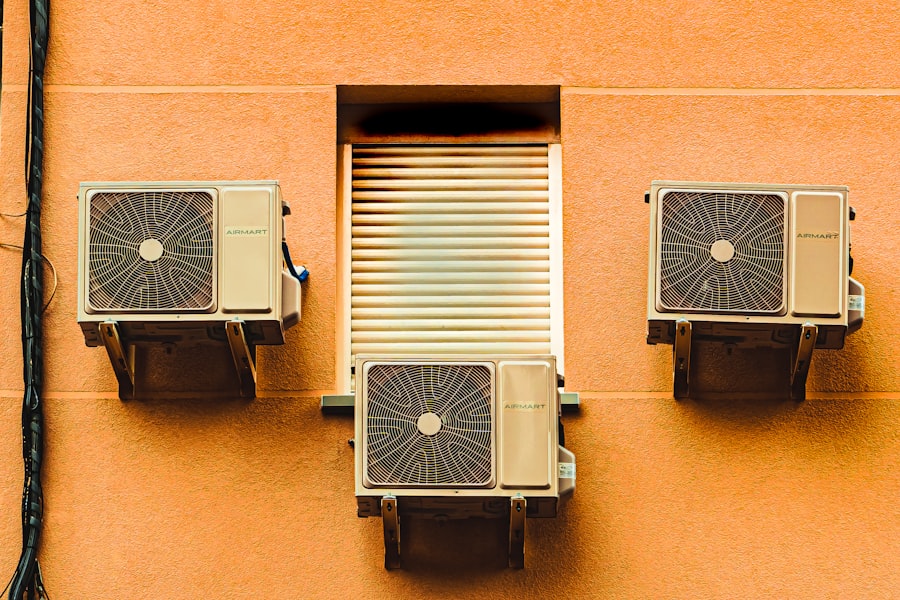
The traditional model of electricity consumption, characterized by predictable diurnal and seasonal patterns, is being disrupted by a confluence of factors, including the rise of electric vehicles and the increasing electrification of other sectors, all layered upon the ever-growing demand for air conditioning.
The Rise of Electric Vehicles and Their Charging Demands
The transition to electric vehicles (EVs) is a critical component of decarbonization efforts. However, the widespread adoption of EVs introduces a new and significant electricity demand, particularly during peak charging times. If not managed strategically, the simultaneous charging of millions of EVs, especially during hot afternoons when air conditioners are also running at full tilt, could overwhelm local distribution networks and the overall grid. Smart charging solutions and vehicle-to-grid (V2G) technologies are being explored to mitigate this impact by shifting charging to off-peak hours.
Electrification of Other Sectors: A Growing Appetite
Beyond EVs, there is a broader trend of electrification across various sectors, including heating, transportation, and industrial processes. While these shifts are beneficial for reducing reliance on fossil fuels, they collectively contribute to an overall increase in electricity demand. The power grid must be prepared to meet this growing appetite for electricity across a wider range of applications, all while managing the unique challenges posed by air conditioning.
The Changing Nature of Peak Demand: More Peaks, Higher Peaks
The traditional understanding of peak demand – a predictable daily or seasonal surge – is becoming more complex. The combination of widespread air conditioning, EV charging, and other electrified loads can lead to multiple peak events throughout the day and year, often at higher magnitudes than previously experienced. This requires a more dynamic and responsive grid that can adapt to fluctuating and unpredictable demand patterns.
As the demand for air conditioning continues to rise, concerns about whether power grids can handle this increased load have become more prominent. A recent article discusses the challenges and potential solutions for modernizing our energy infrastructure to accommodate the growing use of cooling systems. For more insights on this topic, you can read the full article here. Understanding these dynamics is crucial for ensuring that our power grids remain reliable during peak usage times.
Solutions and Innovations: Building a Resilient Future
| City | Peak Demand (MW) | Capacity (MW) | Peak Load Coverage (%) |
|---|---|---|---|
| New York | 13,000 | 15,000 | 87% |
| Los Angeles | 9,500 | 11,000 | 86% |
| Chicago | 7,800 | 9,000 | 87% |
Addressing the challenges posed by air conditioning demand requires a multi-faceted approach, encompassing technological innovation, strategic infrastructure investment, and policy changes. The goal is to create a power grid that is not only capable of meeting current demands but also resilient to future challenges and supportive of a sustainable energy future.
Grid Modernization and Smart Grid Technologies
The concept of a “smart grid” is central to managing increased air conditioning loads. Smart grids utilize advanced sensors, communication networks, and data analytics to monitor and control electricity flow in real-time. This allows for better load forecasting, more efficient distribution of power, and faster detection and response to outages. Technologies like automated demand response systems can automatically adjust electricity consumption in homes and businesses during peak times, reducing strain on the grid without significant user intervention.
Energy Storage Solutions: Bridging the Gaps
Energy storage, particularly battery technology, is a crucial piece of the puzzle. Large-scale battery storage facilities can absorb excess electricity generated during off-peak hours or from intermittent renewable sources and then release it when demand is high, such as during heatwaves. This can help to smooth out supply and demand fluctuations, reduce reliance on peaker plants, and improve grid stability. Distributed energy storage, such as residential battery systems, can also provide localized backup power and reduce the load on the grid during peak times.
Demand-Side Management and Energy Efficiency
Beyond technological solutions, influencing how and when electricity is used is critical. Demand-side management (DSM) programs encourage consumers to reduce their electricity consumption during peak hours through incentives, education, and behavioral changes. This can include time-of-use electricity pricing, where electricity is cheaper during off-peak hours, or programs that provide rebates for energy-efficient appliances and cooling systems. Improving the energy efficiency of buildings themselves, through better insulation and passive cooling strategies, can significantly reduce the need for air conditioning in the first place.
Investing in Resilient Infrastructure and Distributed Generation
Investing in upgrading and hardening existing grid infrastructure is essential. This includes reinforcing transmission lines, improving substation resilience, and burying power lines in vulnerable areas. Furthermore, promoting distributed generation, such as rooftop solar panels and microgrids, can create more localized and resilient energy systems. Microgrids can operate independently of the main grid during outages, ensuring power supply to critical facilities and communities, especially during heatwaves. The combination of these strategies aims to build a power grid that is not only robust enough to handle the demand but also adaptable to the evolving energy landscape and the impacts of a changing climate.
The Air-Conditioning Boom That Could Overwhelm Power Grids
FAQs
1. Can power grids handle the increased demand for electricity during peak air conditioning usage?
Yes, power grids are designed to handle peak demand periods, including those caused by increased air conditioning usage. However, extreme heat waves can put strain on the grid and may lead to localized power outages.
2. What measures are in place to ensure power grids can handle air conditioning usage during hot weather?
Power grid operators use various measures to manage increased demand during hot weather, such as implementing demand response programs, increasing generation capacity, and optimizing grid operations to ensure reliability.
3. How does air conditioning usage impact the overall stability of power grids?
Increased air conditioning usage can strain power grids, especially during heat waves, but grid operators use various tools and strategies to maintain stability and prevent widespread outages.
4. Are there any potential challenges for power grids in handling air conditioning usage in the future?
As temperatures rise due to climate change, the demand for air conditioning is expected to increase, posing potential challenges for power grids. Grid operators are working to address these challenges through investments in infrastructure and advanced grid management technologies.
5. What can consumers do to help alleviate strain on power grids during peak air conditioning usage?
Consumers can help alleviate strain on power grids by using energy-efficient air conditioning units, setting thermostats to higher temperatures, and participating in demand response programs offered by utility companies. These actions can help reduce overall electricity demand during peak periods.