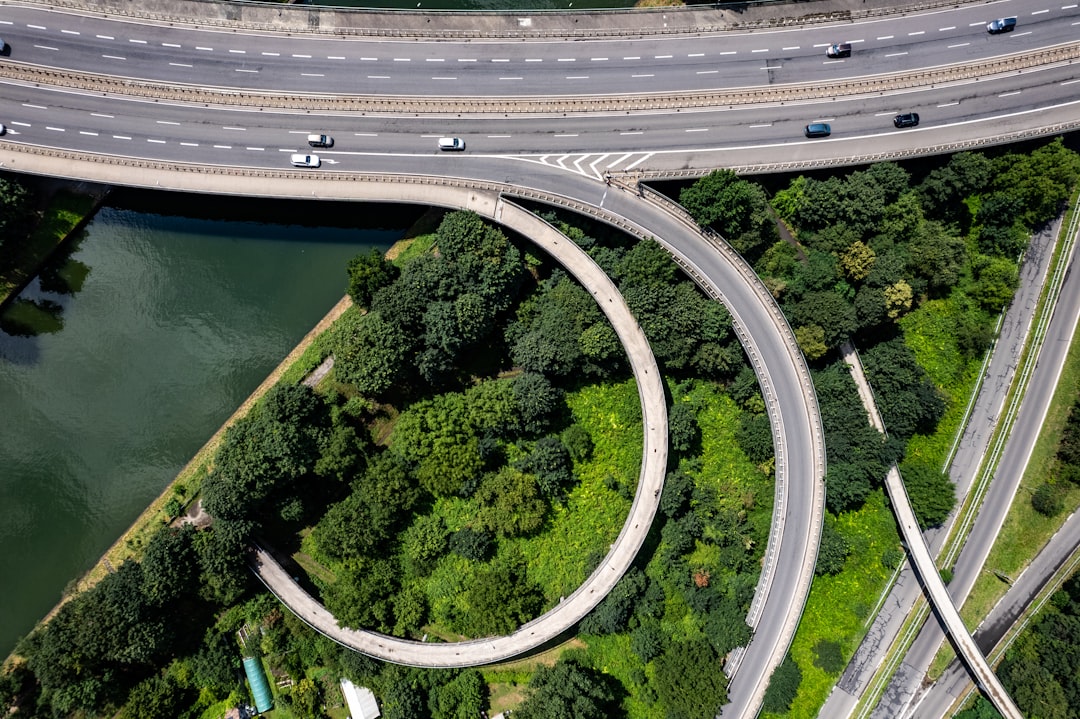
Resilient infrastructure is a critical component of modern society, serving as the backbone for economic stability, public safety, and community well-being. It encompasses systems and structures that can withstand and recover from various stresses, including natural disasters, climate change, and human-made disruptions. The importance of resilient infrastructure cannot be overstated; it ensures that essential services such as transportation, water supply, and energy remain operational during crises.
As urbanization continues to accelerate and climate-related events become more frequent, the need for robust infrastructure that can adapt to changing conditions has never been more pressing. Moreover, resilient infrastructure contributes to the overall quality of life in communities. It fosters economic growth by attracting businesses and investments, as companies are more likely to establish operations in areas with reliable infrastructure.
Additionally, resilient systems enhance public safety by minimizing the risks associated with disasters. When communities invest in infrastructure that can endure shocks, they not only protect their citizens but also create a sense of security that encourages social cohesion and community engagement. Thus, understanding the importance of resilient infrastructure is essential for policymakers, urban planners, and citizens alike.
Key Takeaways
- Resilient infrastructure is crucial for public safety, economic growth, and climate adaptation.
- Identifying and addressing vulnerabilities in existing systems is essential for long-term sustainability.
- Technology and stakeholder collaboration enhance the effectiveness of infrastructure resilience efforts.
- Community engagement ensures infrastructure projects meet local needs and improve overall resilience.
- Balancing upfront costs with long-term benefits leads to more sustainable and successful infrastructure development.
Identifying Vulnerabilities in Current Infrastructure
To build resilient infrastructure, it is crucial first to identify the vulnerabilities present in existing systems. Many infrastructures were designed decades ago, often without consideration for the increasing frequency of extreme weather events or the impacts of climate change. Aging facilities, outdated technologies, and insufficient maintenance can lead to significant weaknesses that compromise their ability to function effectively during emergencies.
For instance, bridges and roads may not be equipped to handle the increased flooding caused by heavy rainfall, while power grids may be susceptible to outages during severe storms. Furthermore, social factors contribute to vulnerabilities in infrastructure. Low-income communities often face greater risks due to inadequate infrastructure investment and maintenance.
These areas may lack access to reliable transportation or emergency services, making them more susceptible to the impacts of disasters. Identifying these vulnerabilities requires a comprehensive assessment that considers both physical structures and social dynamics. By understanding where weaknesses lie, stakeholders can prioritize improvements and allocate resources effectively to enhance resilience.
Implementing Sustainable and Long-Term Solutions

Implementing sustainable and long-term solutions is essential for creating resilient infrastructure that can adapt to future challenges. This approach involves integrating environmentally friendly practices into the design and construction of infrastructure projects. For example, using renewable materials and energy-efficient technologies can reduce the carbon footprint of new developments while also ensuring that they are built to last.
In addition to environmental considerations, long-term solutions must also address social equity. Infrastructure projects should be designed with the needs of all community members in mind, ensuring that marginalized populations have access to the benefits of resilient systems.
This may involve engaging with local communities during the planning process to understand their specific needs and concerns. By prioritizing sustainability and inclusivity, stakeholders can create infrastructure that not only withstands shocks but also promotes a healthier and more equitable society.
Utilizing Technology for Resilient Infrastructure
The integration of technology into infrastructure development plays a pivotal role in enhancing resilience. Advanced technologies such as smart sensors, data analytics, and geographic information systems (GIS) enable real-time monitoring of infrastructure conditions. These tools allow for proactive maintenance and timely interventions, reducing the likelihood of failures during critical moments.
For instance, smart traffic management systems can optimize flow during emergencies, while sensors embedded in bridges can detect structural weaknesses before they lead to catastrophic failures. Moreover, technology facilitates better communication and coordination among various stakeholders involved in infrastructure planning and management. Digital platforms can streamline information sharing between government agencies, private companies, and community organizations, fostering collaboration in resilience efforts.
By harnessing technology effectively, communities can not only improve their existing infrastructure but also innovate new solutions that address emerging challenges.
Incorporating Climate Change Adaptation into Infrastructure Planning
| Metric | Description | Target Value | Current Status | Measurement Frequency |
|---|---|---|---|---|
| Infrastructure Resilience | Ability of infrastructure to withstand and recover from disruptions | 95% uptime | 92% uptime | Monthly |
| Carbon Emissions Reduction | Reduction in greenhouse gas emissions from infrastructure operations | 40% reduction by 2030 | 15% reduction | Annual |
| Renewable Energy Integration | Percentage of infrastructure powered by renewable energy sources | 60% | 35% | Quarterly |
| Maintenance Cost Efficiency | Cost savings achieved through predictive and preventive maintenance | 20% reduction | 10% reduction | Quarterly |
| Infrastructure Lifespan | Average operational lifespan of infrastructure components | 50 years | 45 years | Annual |
| Community Impact Score | Measure of social and economic benefits to local communities | 8/10 | 7/10 | Annual |
Incorporating climate change adaptation into infrastructure planning is essential for ensuring long-term resilience. As climate change continues to alter weather patterns and increase the frequency of extreme events, infrastructure must be designed with these changes in mind. This involves conducting thorough risk assessments that consider potential climate impacts on existing systems and future developments.
For example, coastal cities may need to invest in elevated structures or seawalls to protect against rising sea levels and storm surges. Additionally, adaptive planning requires flexibility in design and construction processes. Infrastructure projects should be able to evolve over time as new data becomes available or as climate conditions change.
This may involve creating modular designs that can be easily modified or expanded as needed. By prioritizing climate adaptation in infrastructure planning, communities can build systems that are not only resilient today but also prepared for the uncertainties of tomorrow.
Investing in Resilient Infrastructure for Economic Growth

Investing in resilient infrastructure is not merely a matter of public safety; it is also a catalyst for economic growth. Well-designed infrastructure attracts businesses by providing reliable transportation networks, efficient utilities, and safe public spaces. When communities prioritize resilience in their infrastructure investments, they create an environment conducive to economic development.
This can lead to job creation, increased property values, and enhanced quality of life for residents. Furthermore, resilient infrastructure can reduce long-term costs associated with disaster recovery and maintenance. By investing upfront in durable systems that can withstand shocks, communities can avoid the significant expenses incurred during repairs or replacements after disasters strike.
This proactive approach not only saves money but also ensures that essential services remain operational during crises, further supporting economic stability.
Engaging Communities in Infrastructure Resilience Planning
Engaging communities in infrastructure resilience planning is vital for ensuring that projects meet the needs of all residents. Local knowledge and perspectives are invaluable when assessing vulnerabilities and identifying potential solutions. By involving community members in the planning process, stakeholders can gain insights into specific challenges faced by different populations and develop tailored strategies that address these issues effectively.
Moreover, community engagement fosters a sense of ownership and accountability among residents. When individuals feel invested in the resilience of their infrastructure, they are more likely to support initiatives and participate in maintenance efforts. This collaborative approach not only enhances the effectiveness of resilience strategies but also strengthens social bonds within communities, creating a collective commitment to safeguarding their environment.
Building Resilient Infrastructure for Public Safety
Public safety is a primary concern when developing resilient infrastructure. Ensuring that critical services such as emergency response systems, hospitals, and transportation networks are robust enough to withstand disasters is essential for protecting lives. This requires a comprehensive approach that includes risk assessments, emergency preparedness planning, and regular training exercises for first responders.
Additionally, building resilient infrastructure for public safety involves creating accessible evacuation routes and shelters that can accommodate diverse populations during emergencies. Communities must consider the unique needs of vulnerable groups, including individuals with disabilities or those living in remote areas. By prioritizing public safety in infrastructure development, stakeholders can create systems that not only protect lives but also instill confidence among residents during times of crisis.
Balancing Cost and Long-Term Benefits in Infrastructure Development
Balancing cost with long-term benefits is a critical consideration in infrastructure development. While initial investments in resilient systems may seem high, the long-term savings associated with reduced maintenance costs and disaster recovery expenses often outweigh these upfront expenditures.
Moreover, leveraging innovative financing mechanisms can help bridge the gap between immediate costs and future benefits. Public-private partnerships (PPPs), grants, and green bonds are examples of funding strategies that can support resilient infrastructure projects without placing undue financial burdens on communities. By carefully evaluating costs and benefits over time, stakeholders can make informed decisions that prioritize resilience while ensuring fiscal responsibility.
Case Studies of Successful Resilient Infrastructure Projects
Examining case studies of successful resilient infrastructure projects provides valuable insights into effective strategies and best practices. For instance, New York City’s post-Hurricane Sandy recovery efforts included significant investments in flood protection measures such as levees and green roofs designed to absorb excess rainwater. These initiatives not only enhanced the city’s resilience but also improved urban aesthetics and quality of life for residents.
Another notable example is the city of Rotterdam in the Netherlands, which has implemented innovative water management solutions to address rising sea levels and increased rainfall. The city’s approach includes creating multifunctional green spaces that serve as both recreational areas and flood mitigation systems. By studying these successful projects, other communities can learn from their experiences and adapt similar strategies to enhance their own resilience.
Collaborating with Stakeholders for Resilient Infrastructure Development
Collaboration among various stakeholders is essential for effective resilient infrastructure development. Government agencies, private sector partners, non-profit organizations, and community groups must work together to share knowledge, resources, and expertise. This collaborative approach fosters innovation by bringing diverse perspectives to the table and encouraging creative problem-solving.
Furthermore, establishing clear communication channels among stakeholders ensures that everyone is aligned on goals and objectives related to resilience efforts. Regular meetings, workshops, and public forums can facilitate ongoing dialogue and feedback throughout the planning process. By fostering collaboration among all parties involved in infrastructure development, communities can create more effective strategies that enhance resilience while addressing the unique needs of their populations.
In conclusion, building resilient infrastructure is a multifaceted endeavor that requires a comprehensive understanding of vulnerabilities, sustainable solutions, technological integration, community engagement, public safety considerations, economic implications, cost-benefit analysis, successful case studies, and stakeholder collaboration. As societies face increasing challenges from climate change and urbanization, prioritizing resilience in infrastructure development will be crucial for ensuring a safe and prosperous future for all communities.
For those interested in exploring long-term solutions for infrastructure development, a related article can be found at this link. This article delves into innovative strategies and sustainable practices that can be implemented to enhance infrastructure resilience and efficiency over time.
FAQs
What are long term solutions in infrastructure?
Long term solutions in infrastructure refer to strategies and projects designed to create durable, sustainable, and efficient systems that meet current and future needs. These solutions focus on resilience, adaptability, and minimizing environmental impact over extended periods.
Why is long term planning important for infrastructure?
Long term planning is crucial because infrastructure investments are typically costly and have lifespans of several decades. Proper planning ensures that infrastructure can accommodate future growth, technological advancements, and climate change impacts, reducing the need for frequent repairs or replacements.
What types of infrastructure benefit from long term solutions?
All types of infrastructure can benefit, including transportation (roads, bridges, railways), utilities (water, electricity, telecommunications), public facilities (schools, hospitals), and environmental systems (stormwater management, green spaces).
How do long term infrastructure solutions address sustainability?
They incorporate environmentally friendly materials, energy-efficient technologies, and designs that reduce carbon footprints. They also promote resource conservation, waste reduction, and resilience to climate change effects.
What role does technology play in long term infrastructure solutions?
Technology enables smarter infrastructure through sensors, data analytics, and automation, improving maintenance, efficiency, and adaptability. Innovations like renewable energy integration and smart grids are key components of long term solutions.
How are communities involved in developing long term infrastructure solutions?
Community engagement ensures that infrastructure projects meet local needs and values. Public consultations, participatory planning, and feedback mechanisms help align projects with social, economic, and environmental priorities.
What challenges exist in implementing long term infrastructure solutions?
Challenges include high upfront costs, political and regulatory hurdles, uncertainty about future conditions, and the need for interdisciplinary coordination. Securing funding and maintaining stakeholder support over time can also be difficult.
How can governments support long term infrastructure solutions?
Governments can provide stable funding, create supportive policies and regulations, encourage innovation, and foster partnerships between public and private sectors. Long term vision and commitment are essential for successful implementation.
What is the impact of climate change on infrastructure planning?
Climate change introduces risks such as extreme weather, sea-level rise, and temperature fluctuations, which can damage infrastructure. Long term solutions must incorporate resilience measures to withstand these impacts and ensure continuous service.
How do long term infrastructure solutions contribute to economic growth?
By providing reliable and efficient services, they enhance productivity, attract investment, create jobs, and improve quality of life. Sustainable infrastructure also reduces costs related to maintenance and environmental damage over time.