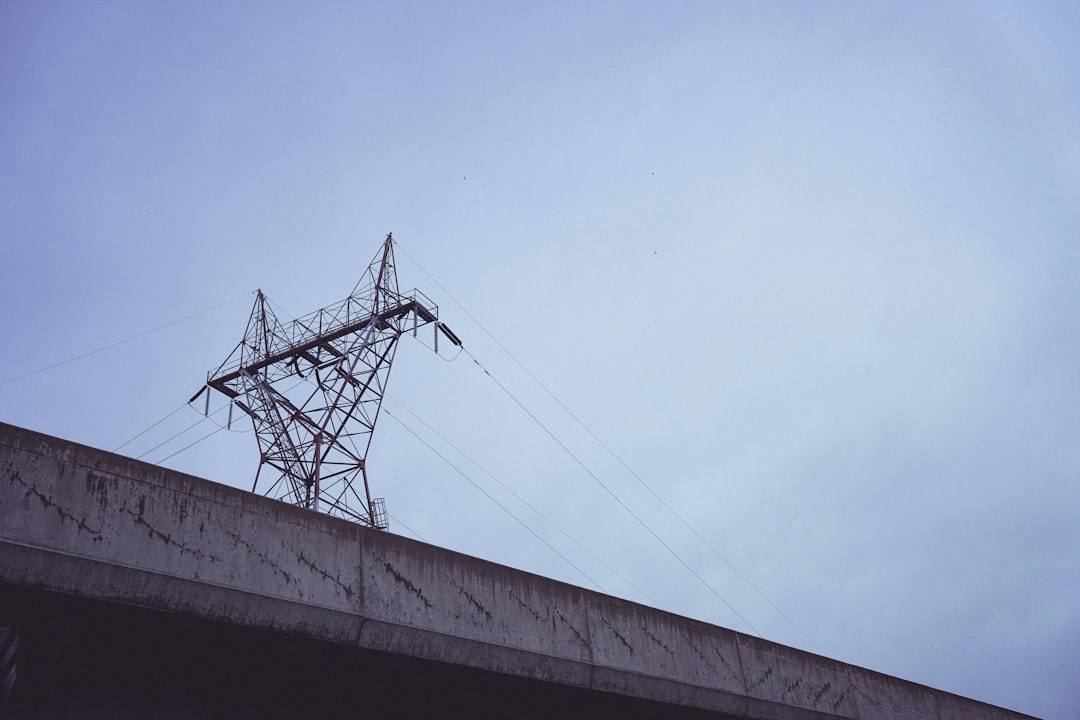
A resilient power grid is the backbone of modern society, serving as the critical infrastructure that supports homes, businesses, and essential services. The importance of a robust power grid cannot be overstated, as it directly impacts economic stability, public safety, and overall quality of life. In an era marked by increasing energy demands and the growing threat of climate change, the need for a resilient power grid has become more pressing than ever.
A resilient grid is not only capable of withstanding natural disasters and cyber threats but also adaptable to the evolving energy landscape, which includes the integration of renewable energy sources and smart technologies. Moreover, a resilient power grid enhances energy security by reducing the likelihood of widespread outages and ensuring a reliable supply of electricity. This reliability is crucial for critical infrastructure such as hospitals, emergency services, and communication networks, which depend on uninterrupted power to function effectively.
As communities grow and technology advances, the grid must evolve to meet new challenges and opportunities. Understanding the importance of a resilient power grid is the first step toward fostering a sustainable energy future that can withstand both current and future demands.
Key Takeaways
- A resilient power grid is crucial for ensuring reliable electricity supply during disruptions.
- Investing in advanced infrastructure and technology enhances grid stability and efficiency.
- Redundancy and backup systems are essential to prevent widespread outages.
- Regular maintenance and timely upgrades help sustain grid performance and longevity.
- Effective communication, community engagement, and disaster planning improve response and recovery efforts.
Investing in Infrastructure and Technology
Investment in infrastructure and technology is essential for building a resilient power grid. Aging infrastructure poses significant risks, as outdated systems are more susceptible to failures and disruptions. Governments and private entities must prioritize funding for upgrades and replacements to ensure that the grid can handle modern energy demands.
This investment should encompass not only physical infrastructure, such as transmission lines and substations, but also advanced technologies that enhance grid management and efficiency. Smart grid technologies, for instance, enable real-time monitoring and control of electricity flow, allowing for quicker responses to outages and better integration of renewable energy sources. In addition to physical upgrades, investing in research and development is crucial for fostering innovation in the energy sector.
Emerging technologies such as energy storage systems, microgrids, and demand response solutions can significantly enhance grid resilience. By supporting research initiatives and collaborating with technology companies, utilities can explore new ways to optimize energy distribution and consumption. Ultimately, a commitment to investing in infrastructure and technology will lay the groundwork for a more resilient power grid that can adapt to changing conditions and meet the needs of future generations.
Implementing Redundancy and Backup Systems

Redundancy is a key principle in engineering that applies directly to the design of a resilient power grid. By incorporating redundancy into the grid’s architecture, utilities can ensure that if one component fails, alternative systems can take over without causing widespread outages. This might involve creating multiple transmission pathways or installing backup generators at critical facilities.
The goal is to create a network that can maintain functionality even when faced with unexpected challenges or failures. Backup systems are equally important in enhancing grid resilience. These systems can include battery storage solutions that provide emergency power during outages or distributed generation sources like solar panels that can operate independently from the main grid.
By diversifying energy sources and implementing backup solutions, utilities can create a more robust system that minimizes the impact of disruptions. The combination of redundancy and backup systems not only improves reliability but also instills confidence in consumers who depend on a steady supply of electricity for their daily lives.
Prioritizing Maintenance and Upgrades
Regular maintenance and timely upgrades are vital components of a resilient power grid. Aging infrastructure requires consistent attention to prevent failures that could lead to outages or safety hazards. Utilities must develop comprehensive maintenance schedules that include routine inspections, repairs, and replacements of aging equipment.
By prioritizing maintenance, utilities can identify potential issues before they escalate into significant problems, thereby enhancing overall grid reliability. Upgrades should also be viewed as an ongoing necessity rather than a one-time event.
This could involve upgrading transformers to handle increased loads or integrating advanced monitoring systems that provide real-time data on grid performance. By fostering a culture of continuous improvement, utilities can ensure that their power grids remain resilient in the face of changing conditions and emerging challenges.
Developing Effective Communication and Coordination
| Strategy | Description | Key Metrics | Benefits | Challenges |
|---|---|---|---|---|
| Grid Hardening | Reinforcing physical infrastructure to withstand extreme weather and other hazards. | Percentage of hardened substations, underground lines length (km) | Reduced outage frequency and duration | High upfront costs, long implementation time |
| Smart Grid Technologies | Integration of sensors, automation, and communication for real-time monitoring and control. | Number of smart meters installed, response time to faults (seconds) | Improved fault detection and faster restoration | Cybersecurity risks, technology integration complexity |
| Distributed Energy Resources (DERs) | Incorporation of localized generation like solar panels and energy storage. | DER capacity (MW), percentage of load served by DERs | Enhanced grid flexibility and backup power | Interconnection standards, variability of renewable sources |
| Microgrids | Localized grids that can operate independently from the main grid. | Number of microgrids deployed, islanding capability (hours) | Improved reliability and resilience during outages | High initial investment, regulatory barriers |
| Emergency Response Planning | Preparedness and protocols for rapid response to grid disruptions. | Average restoration time (hours), number of trained personnel | Minimized outage impact and faster recovery | Coordination complexity, resource availability |
Effective communication and coordination among various stakeholders are essential for maintaining a resilient power grid. Utilities must establish clear lines of communication with government agencies, emergency services, and local communities to ensure a coordinated response during emergencies or outages. This collaboration is particularly important during natural disasters when timely information sharing can save lives and minimize damage.
Moreover, utilities should engage with customers to educate them about their role in maintaining grid resilience. Public awareness campaigns can inform consumers about energy conservation practices, emergency preparedness measures, and the importance of reporting outages promptly. By fostering a sense of community involvement, utilities can create a more resilient power grid that benefits from collective efforts to enhance reliability and safety.
Integrating Renewable Energy Sources

The integration of renewable energy sources into the power grid is not only beneficial for environmental sustainability but also enhances resilience. Renewable energy technologies such as solar panels and wind turbines can diversify the energy mix, reducing dependence on fossil fuels and increasing energy security. By harnessing local renewable resources, communities can become less vulnerable to disruptions in centralized energy supplies.
However, integrating renewables into the grid presents its own set of challenges. Variability in generation due to weather conditions necessitates advanced grid management techniques to balance supply and demand effectively. Utilities must invest in energy storage solutions to store excess energy generated during peak production times for use during periods of low generation.
Additionally, smart grid technologies can facilitate better integration by providing real-time data on energy production and consumption patterns. Ultimately, embracing renewable energy sources will contribute to a more resilient power grid capable of adapting to changing environmental conditions.
Engaging with Local Communities and Stakeholders
Engaging with local communities and stakeholders is crucial for building a resilient power grid that meets the needs of all residents. Utilities should actively seek input from community members regarding their energy needs, concerns about reliability, and preferences for renewable energy options.
Furthermore, collaboration with local governments, businesses, and non-profit organizations can lead to innovative solutions for enhancing grid resilience. For example, partnerships with local universities may yield research opportunities focused on improving energy efficiency or developing new technologies. By working together with various stakeholders, utilities can create a more inclusive approach to energy planning that considers diverse perspectives and fosters community support for resilience initiatives.
Planning for and Responding to Natural Disasters and Emergencies
Natural disasters pose significant threats to power grids worldwide, making it imperative for utilities to develop comprehensive plans for disaster preparedness and response. This involves conducting risk assessments to identify vulnerabilities within the grid and creating contingency plans tailored to specific scenarios such as hurricanes, earthquakes, or wildfires. By anticipating potential challenges, utilities can implement proactive measures to mitigate risks and enhance overall resilience.
In addition to planning, effective response strategies are essential during emergencies. Utilities must establish rapid response teams equipped with the necessary resources to restore power quickly after an outage occurs. Collaboration with emergency management agencies ensures that restoration efforts are coordinated efficiently while prioritizing critical infrastructure such as hospitals and emergency services.
By investing in disaster preparedness and response capabilities, utilities can minimize downtime during emergencies and reinforce public confidence in their ability to maintain reliable service even in challenging circumstances. In conclusion, building a resilient power grid requires a multifaceted approach that encompasses investment in infrastructure and technology, redundancy measures, maintenance practices, effective communication strategies, integration of renewable energy sources, community engagement, and disaster preparedness planning. As society continues to evolve in response to climate change and technological advancements, prioritizing these elements will be essential for ensuring a reliable electricity supply that meets the needs of future generations while safeguarding public safety and economic stability.
Power grid resilience is a critical topic in today’s energy landscape, especially as we face increasing challenges from climate change and natural disasters. A related article that delves into various strategies for enhancing power grid resilience can be found on MyGeoQuest. This article discusses innovative approaches and technologies that can be implemented to strengthen our electrical infrastructure. For more insights, you can read the article [here](https://www.mygeoquest.com/sample-page/).
WATCH THIS! The Universe’s Speed Limit Is Changing (And Nobody Can Stop It)
FAQs
What is power grid resilience?
Power grid resilience refers to the ability of the electrical power system to anticipate, absorb, adapt to, and rapidly recover from disruptive events such as natural disasters, cyberattacks, or equipment failures.
Why is power grid resilience important?
Power grid resilience is crucial to ensure continuous electricity supply, minimize outages, protect critical infrastructure, and support public safety and economic stability during and after adverse events.
What are common threats to power grid resilience?
Common threats include extreme weather events (storms, hurricanes, wildfires), physical attacks, cyberattacks, equipment aging and failures, and operational errors.
What strategies are used to improve power grid resilience?
Strategies include grid modernization with smart technologies, infrastructure hardening, distributed energy resources integration, enhanced cybersecurity measures, improved grid management and control systems, and emergency preparedness planning.
How does grid modernization contribute to resilience?
Grid modernization involves deploying smart meters, sensors, automated controls, and communication networks that enable real-time monitoring, faster fault detection, and automated restoration, thereby enhancing the grid’s ability to respond to disruptions.
What role do distributed energy resources (DERs) play in resilience?
DERs such as solar panels, wind turbines, and energy storage systems can provide localized power generation and backup during outages, reducing dependency on centralized power plants and improving overall grid flexibility.
How can cybersecurity improve power grid resilience?
Implementing robust cybersecurity protocols protects grid control systems from cyber threats, preventing unauthorized access, data breaches, and potential disruptions to power delivery.
What is infrastructure hardening in the context of power grids?
Infrastructure hardening involves reinforcing physical components like poles, transformers, and substations to withstand extreme weather and other hazards, reducing the likelihood of damage and outages.
How do emergency preparedness and response plans enhance grid resilience?
These plans establish protocols for rapid response, resource allocation, and communication during grid emergencies, enabling quicker restoration of services and minimizing impact on customers.
Are there regulatory frameworks supporting power grid resilience?
Yes, various national and regional regulations and standards guide utilities and grid operators in implementing resilience measures, including reliability standards set by organizations like NERC (North American Electric Reliability Corporation).