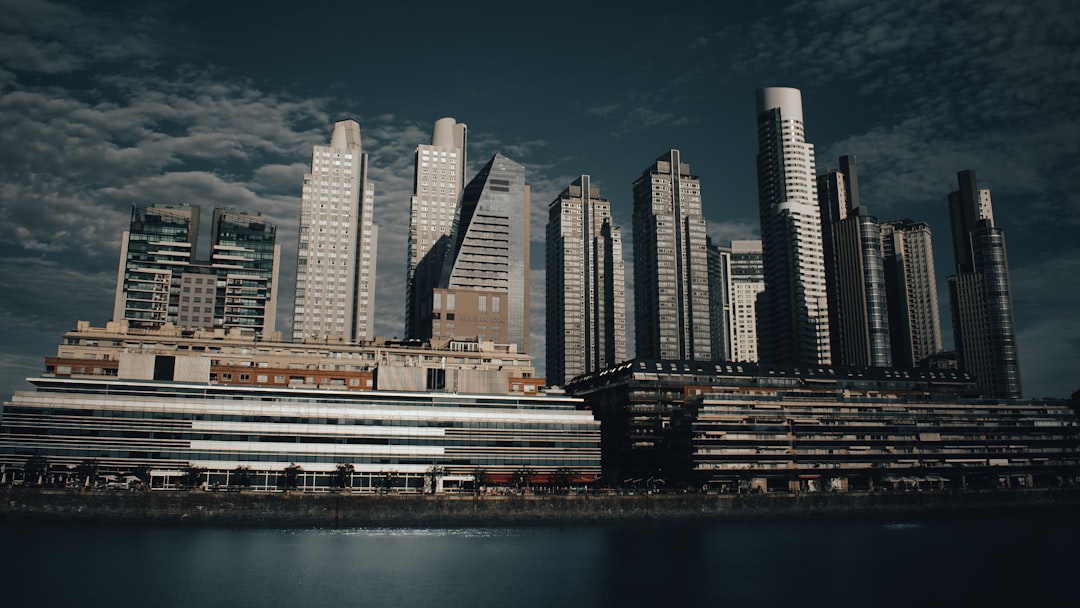
Building Modern Cities: Innovative Design and Sustainable Development
The evolution of human civilization is inextricably linked to the development of our urban landscapes. From the earliest settlements clustered around vital resources to the sprawling metropolises of today, cities have served as centers of commerce, culture, and innovation. However, the rapid urbanization of the past century has presented unprecedented challenges. A burgeoning global population, coupled with escalating environmental concerns, necessitates a fundamental rethinking of how we design, construct, and manage our urban environments. The paradigm is shifting towards a future where cities are not merely engines of economic growth but also thriving ecosystems that prioritize human well-being and ecological balance. This article explores the critical elements of building modern cities, focusing on the intersection of innovative design and sustainable development.
The 21st century is characterized by an undeniable reality: our planet is facing significant environmental pressures. Climate change, resource depletion, biodiversity loss, and pollution are no longer abstract threats but tangible issues impacting communities worldwide. Cities, as the focal points of human activity and consumption, bear a disproportionate share of this burden. They are responsible for a significant percentage of global greenhouse gas emissions, waste generation, and water consumption. Therefore, the imperative for sustainable urbanism is not about a niche ideology but a fundamental necessity for the long-term survival and prosperity of humanity. Embracing sustainable principles in city building is crucial for mitigating environmental damage, building resilience to climate shocks, and ensuring that future generations have access to the resources and quality of life they deserve. This shift requires a proactive and integrated approach, moving beyond incremental improvements to a transformative vision for urban living.
Defining Sustainable Urbanism
Sustainable urbanism is a multifaceted concept that aims to create cities that are environmentally responsible, socially equitable, and economically viable in the long term. It is not simply about adding green spaces or implementing recycling programs, though these are important components. Instead, it represents a holistic framework that considers the interconnectedness of urban systems and their impact on both human populations and the natural world. This includes minimizing ecological footprints through efficient resource management, reducing pollution, and preserving biodiversity. Simultaneously, it emphasizes social inclusion, ensuring access to affordable housing, quality education, and healthcare for all residents, regardless of their socioeconomic background. Economic sustainability within this

Why Japan Can’t Build Another Tokyo
FAQs
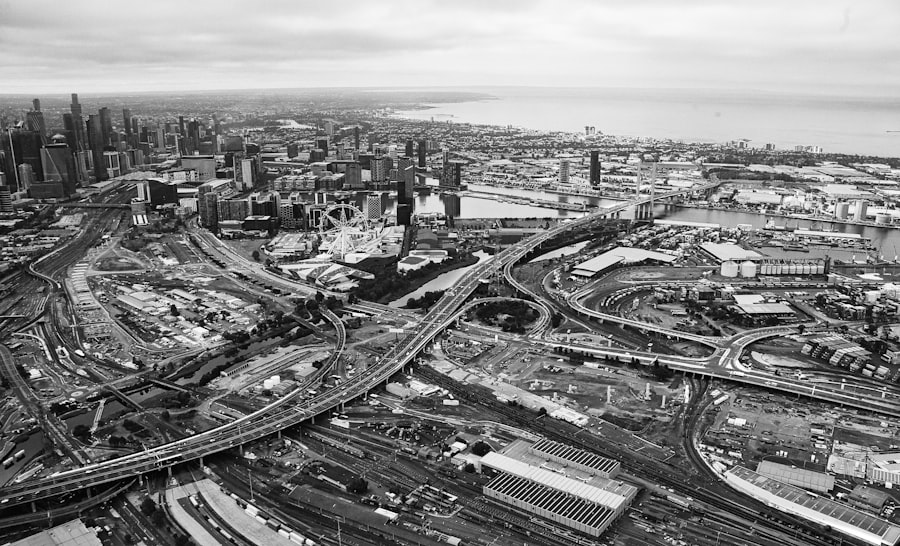
1. What are the key components of modern city planning and development?
Modern city planning and development involve a combination of factors such as infrastructure, transportation, housing, public spaces, and sustainability. These components are carefully integrated to create a functional and livable urban environment.
2. How does modern city planning prioritize sustainability and environmental considerations?
Modern city planning prioritizes sustainability by incorporating green spaces, energy-efficient buildings, public transportation systems, and waste management strategies. These efforts aim to reduce the environmental impact of urban development and promote a healthier, more sustainable city.
3. What role does technology play in the construction and management of modern cities?
Technology plays a crucial role in the construction and management of modern cities. It is used for smart infrastructure, data-driven decision-making, efficient transportation systems, and digital connectivity. These technological advancements help improve the quality of life for city residents and enhance overall urban functionality.
4. How are modern cities designed to promote community and social interaction?
Modern cities are designed to promote community and social interaction through the creation of public spaces, mixed-use developments, pedestrian-friendly streets, and cultural amenities. These elements encourage social engagement, collaboration, and a sense of belonging within the urban environment.
5. What are some challenges and considerations in the construction of modern cities?
Challenges in the construction of modern cities include balancing economic growth with social equity, addressing affordable housing needs, managing urban sprawl, and mitigating the impact of climate change. Additionally, considerations such as inclusivity, accessibility, and resilience are important factors in creating sustainable and inclusive urban environments.