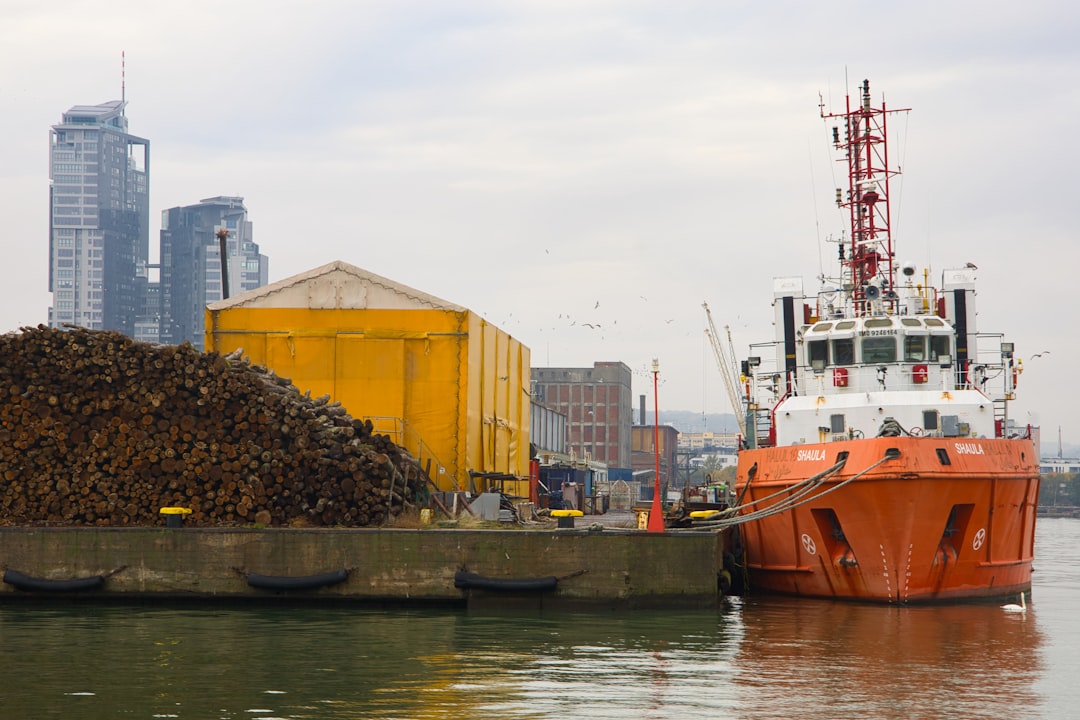
The global maritime industry, a linchpin of international trade and connectivity, is facing a critical juncture. As vessels age and reach the end of their operational lifespans, the responsible and sustainable management of their disposal, commonly known as ship recycling, has become an imperative. For decades, the industry has grappled with the environmental and social consequences of inadequate recycling practices, leading to hazardous working conditions, pollution, and the inefficient use of valuable resources. Recognizing this, a growing movement is advocating for the establishment of a robust and sustainable global ship recycling network, a system designed to ensure safety, environmental protection, and economic viability throughout the entire lifecycle of a ship.
The urgency to transition towards sustainable ship recycling is multifaceted, driven by both ethical considerations and the increasing regulatory pressure. Traditional shipbreaking yards, often located in developing nations, have historically been associated with deplorable working conditions. Seafarers, who have dedicated their lives to the sea, are often exposed to toxic materials like asbestos, heavy metals, and hazardous chemicals without adequate protective gear. This not only poses severe health risks but also constitutes a grave violation of fundamental human rights.
Environmental Degradation and Resource Depletion
Beyond the human cost, the environmental toll of unsustainable ship recycling is significant. When ships are dismantled without proper environmental controls, hazardous substances can leach into the soil and water, contaminating ecosystems and posing long-term risks to biodiversity. Moreover, the dismantling process often involves the inefficient extraction of valuable materials. Steel, a primary component of ships, is a highly recyclable material. However, in many older practices, this valuable resource was not fully recovered or was recycled in ways that diminished its quality. This represents a substantial loss of resources that could otherwise be fed back into the global economy, contributing to a more circular and sustainable model.
Shifting Regulatory Landscape and Industry Responsibility
The international community has taken steps to address these issues. The Hong Kong Convention for the Safe and Environmentally Sound Recycling of Ships, adopted by the International Maritime Organization (IMO), provides a framework for setting international standards for ship recycling. While not yet fully ratified and in force globally, its principles are increasingly influencing national regulations and industry practices. Furthermore, major shipping companies and industry associations are recognizing their corporate social responsibility and are actively seeking to implement more sustainable practices, understanding that long-term business success is intertwined with environmental stewardship and ethical conduct. This growing awareness is a powerful catalyst for the development of a global network.
The global ship recycling infrastructure is a critical topic, especially in light of the increasing emphasis on sustainable practices in the maritime industry. For a deeper understanding of the challenges and advancements in this sector, you can read the related article on MyGeoQuest, which explores the environmental impacts and regulatory frameworks surrounding ship recycling. For more information, visit MyGeoQuest.
Pillars of a Sustainable Global Ship Recycling Network
Building a truly sustainable global ship recycling network requires a comprehensive approach that addresses multiple interconnected elements. It cannot be a piecemeal effort but rather a holistic strategy built upon a foundation of strong principles and collaborative action.
Upholding Safety Standards and Worker Welfare
The cornerstone of any sustainable network is the unwavering commitment to the safety and well-being of the workers involved in the dismantling process. This necessitates the implementation of rigorous safety protocols, comprehensive training programs, and the provision of adequate personal protective equipment (PPE).
Comprehensive Safety Training and Certification
Workers in recycling yards must receive extensive training on the safe handling of hazardous materials, emergency procedures, and the use of specialized equipment. Certification programs can ensure that only qualified personnel are engaged in dismantling activities, thereby minimizing the risk of accidents and exposure to harmful substances. This training should be regularly updated to reflect advancements in safety technology and best practices.
Provision of Adequate Personal Protective Equipment (PPE)
The provision of high-quality, appropriate PPE is non-negotiable. This includes respirators for protection against airborne toxins, chemical-resistant gloves and clothing, safety footwear, and eye protection. Regular inspection and maintenance of PPE are crucial to ensure its effectiveness.
Hazard Identification and Risk Assessment
Before any dismantling activity commences, a thorough hazard identification and risk assessment must be conducted. This involves identifying all potential risks associated with the specific vessel being recycled, including the presence of hazardous materials, structural integrity issues, and environmental sensitivities. Based on this assessment, detailed safe work procedures must be developed and strictly adhered to.
Environmental Protection and Pollution Prevention
A sustainable network must prioritize the protection of the environment at every stage of the recycling process. This involves minimizing pollution, managing waste effectively, and preventing the release of hazardous substances into the air, water, and soil.
Hazardous Material Management and Inventory
Accurate identification and inventory of all hazardous materials onboard a vessel are critical. This includes substances such as asbestos, polychlorinated biphenyls (PCBs), ozone-depleting substances, and heavy metals. Proper containment, handling, and disposal procedures must be established for each identified hazard, often requiring specialized treatment facilities.
Waste Segregation and Recycling
A key aspect of environmental protection is the effective segregation and recycling of waste materials. This involves separating metals, plastics, wood, and other components for subsequent processing and reuse. Establishing partnerships with specialized recycling facilities for different material streams can maximize resource recovery and minimize landfill waste.
Water and Soil Contamination Prevention
Dismantling activities can pose a risk of water and soil contamination. Measures such as impermeable flooring, containment booms, and strict procedures for managing wastewater are essential to prevent pollutants from entering local water bodies or migrating into the soil.
Air Emission Control
The dismantling of ships can release particulate matter and hazardous fumes into the atmosphere. Implementing emission control technologies, such as dust suppression systems and scrubbers, can significantly reduce air pollution and protect the health of surrounding communities.
The global ship recycling infrastructure is an increasingly important topic as the maritime industry seeks sustainable solutions for decommissioned vessels. A recent article explores the challenges and advancements in this sector, highlighting the need for improved regulations and practices to ensure environmental safety. For more insights on this critical issue, you can read the full article here. As the demand for responsible ship recycling grows, understanding these developments becomes essential for stakeholders in the industry.
Developing Certified and Compliant Recycling Facilities
The global network must consist of recycling facilities that meet stringent safety and environmental standards. This requires a robust certification process to ensure compliance and build trust among stakeholders.
International Standards and Certification Schemes
Adherence to international standards, such as those outlined in the Hong Kong Convention, is crucial. Certification schemes, like those developed by recognized third-party organizations, can provide an independent verification of a facility’s compliance with these standards. This certification process should be comprehensive, covering all aspects of operations from initial vessel arrival to final site remediation.
Independent Auditing and Monitoring
Regular, independent audits and monitoring of certified facilities are essential to maintain the integrity of the network. These audits should assess ongoing compliance with safety and environmental regulations, worker welfare, and ethical practices. Transparency in reporting audit findings is also vital.
Investment in Advanced Technology and Infrastructure
Certified facilities must invest in modern infrastructure and advanced technologies to ensure safe and environmentally sound recycling. This includes specialized equipment for lifting, cutting, and handling heavy components, as well as advanced waste treatment and recycling facilities. Investment in onshore infrastructure also plays a role, ensuring that recycled materials can be efficiently processed and transported.
Establishing Transparent Supply Chains and Traceability
Transparency and traceability are vital for ensuring accountability and fostering trust within the global ship recycling network. Knowing the origin and destination of recycled materials, as well as the conditions under which they were processed, is essential for ethical and sustainable operations.
Vessel Information and Prior Recycling Assessments
Before a vessel is sent for recycling, comprehensive information about its cargo, hazardous materials, and previous operating history should be made available. This allows recycling facilities to conduct thorough prior assessments and plan the dismantling process accordingly, ensuring all potential risks are identified and mitigated.
Tracking of Recycled Materials
A robust system for tracking recycled materials from the point of dismantling to their reintegration into the supply chain is necessary. This can involve digital platforms and documentation that records the type, quantity, and destination of each salvaged material. This ensures that valuable resources are not lost and that they are utilized in responsible applications.
Independent Verification of End-of-Life Practices
Independent verification of the entire recycling process, from the moment a vessel arrives at the yard to the final disposal or recycling of its components, adds a crucial layer of assurance. This verification can be conducted by accredited third-party organizations, ensuring that all agreed-upon standards have been met.
Fostering Collaboration and Knowledge Sharing
The development of a sustainable global ship recycling network cannot be achieved in isolation. It requires active collaboration among all stakeholders, including shipowners, shipyards, regulators, industry associations, and non-governmental organizations. Knowledge sharing is paramount to disseminate best practices and drive continuous improvement.
Multi-Stakeholder Partnerships and Dialogue
Establishing platforms for regular dialogue and collaboration among all relevant stakeholders is essential. This can include international conferences, working groups, and online forums where challenges can be discussed and solutions jointly developed. Partnerships can facilitate the sharing of expertise and resources.
Capacity Building and Technical Assistance
Developing nations that are major ship recycling hubs often require capacity building and technical assistance to upgrade their facilities and implement sustainable practices. This can involve training programs, technology transfer, and financial support from developed nations and international organizations.
Research and Development in Sustainable Recycling Technologies
Continuous investment in research and development is crucial for advancing sustainable ship recycling technologies. This includes exploring innovative methods for deconstruction, material recovery, and the safe treatment of hazardous waste. Promoting innovation will lead to more efficient and environmentally friendly recycling processes.
Challenges and Opportunities in Building the Network

The path towards a sustainable global ship recycling network is not without its challenges. However, these challenges also present significant opportunities for innovation, collaboration, and positive change within the maritime industry.
Overcoming Economic Disparities and Market Distortions
One of the primary challenges is the significant economic disparity between developed and developing nations. Shipowners may be tempted to send their vessels to the cheapest recycling yards, regardless of safety and environmental standards, creating a “race to the bottom.”
Promoting Fair Competition and Leveling the Playing Field
Ensuring fair competition requires a commitment to upholding universal standards. This means that ships flagged in countries with strict regulations should not be allowed to be recycled in substandard yards without consequence. Incentives for using certified yards, such as preferential insurance rates or access to financing, could help level the playing field.
Economic Viability of Sustainable Recycling
Demonstrating the long-term economic viability of sustainable recycling is crucial. While initial investments may be higher, the benefits of reduced environmental damage, improved worker health, and the efficient recovery of valuable materials can lead to greater profitability and reduced risks in the long run.
Addressing Geographical and Logistical Complexities
The global nature of shipping means that vessels are dismantled in diverse geographical locations, each with its own regulatory framework, infrastructure, and environmental conditions. This presents logistical and regulatory complexities.
Harmonizing Regulations and Enforcement
Harmonizing national regulations with international standards, such as the Hong Kong Convention, is a significant undertaking. Effective enforcement mechanisms are also crucial to ensure compliance and prevent the circumvention of regulations. International cooperation is key to achieving this harmonization.
Developing Regional Recycling Hubs
The establishment of well-managed regional recycling hubs that adhere to high standards can provide more predictable and accessible options for shipowners. These hubs can benefit from economies of scale and specialized expertise, leading to more efficient and sustainable operations.
Navigating Political Will and Stakeholder Buy-in
Securing the necessary political will and gaining the buy-in of all stakeholders can be a slow and arduous process. Resistance to change, vested interests, and a lack of awareness can all pose significant hurdles.
Raising Awareness and Advocacy
Continuous advocacy and awareness campaigns are vital to educate stakeholders about the importance of sustainable ship recycling and the benefits it offers. Highlighting successful case studies and the negative consequences of inaction can be powerful tools for driving change.
Incentivizing Adoption of Best Practices
Governments and international bodies can play a crucial role in incentivizing the adoption of best practices. This can include tax breaks, subsidies for upgrades to certified facilities, and preferential treatment for companies that demonstrate a strong commitment to sustainable recycling.
The Future of Ship Recycling: A Circular Economy Approach

The vision for a sustainable global ship recycling network extends beyond simply disposing of old vessels. It embraces a comprehensive circular economy approach, where ships are viewed as valuable sources of materials that can be reintegrated into the economy, minimizing waste and maximizing resource utilization.
From Linear to Circular: Redefining Ship Lifecycles
The traditional linear model of “take-make-dispose” is being replaced by a circular model where materials are kept in use for as long as possible. In ship recycling, this means prioritizing the recovery of high-quality metals and other components for reuse in new shipbuilding or other industries.
Designing for Disassembly and Recyclability
The concept of “design for disassembly” is gaining traction in shipbuilding. This involves designing vessels with their end-of-life in mind, making it easier to dismantle them and recover valuable materials. This proactive approach can significantly enhance the recyclability of future fleets.
Developing Markets for Recycled Materials
Creating robust and reliable markets for recycled ship materials is essential for the economic viability of the entire network. This requires collaboration between recycling facilities, material processors, and industries that can utilize these recycled components. Ensuring the quality and consistency of recycled materials is key to building market confidence.
Innovation and Technology as Enablers
Technological advancements are playing a pivotal role in transforming ship recycling from a hazardous and polluting industry into a more sustainable and efficient one.
Advanced Cutting and Dismantling Technologies
New technologies in cutting, welding, and dismantling are making it safer and more efficient to break down complex ship structures. Robotic systems and automated processes can reduce human exposure to hazardous environments and improve precision.
Material Identification and Sorting Technologies
Sophisticated sensors and analytical tools are being developed to accurately identify and sort different materials onboard vessels. This allows for more effective segregation and maximizes the potential for recycling valuable components.
Environmental Monitoring and Remediation Technologies
Advanced environmental monitoring systems are crucial for tracking emissions, detecting leaks, and assessing the impact of recycling operations on the surrounding environment. Technologies for the remediation of contaminated sites are also vital for restoring degraded areas.
The Role of Policy and International Cooperation
Effective policies and strong international cooperation are indispensable for driving the transition towards a sustainable global ship recycling network.
Binding International Agreements and National Legislation
While the Hong Kong Convention is a significant step, its full ratification and effective implementation by all nations are crucial. Strong national legislation that aligns with international standards and includes robust enforcement mechanisms is equally important.
Financial Mechanisms and Investment Incentives
Governments and international financial institutions can play a key role in providing financial mechanisms and investment incentives to support the development of certified recycling facilities, especially in developing countries. This can include grants, low-interest loans, and tax incentives for companies investing in sustainable practices.
Public-Private Partnerships for Infrastructure Development
Public-private partnerships can be instrumental in developing the necessary infrastructure for sustainable ship recycling, including specialized waste treatment facilities, advanced material processing plants, and efficient logistics networks.
The journey to building a truly sustainable global ship recycling network is ongoing. It demands unwavering commitment, continuous innovation, and a collaborative spirit from all involved. By prioritizing safety, environmental protection, worker welfare, and resource efficiency, the maritime industry can transform ship recycling from a historical challenge into a model of responsible stewardship and a testament to its commitment to a sustainable future for our planet. This network is not just about disposing of ships; it is about embracing a future where every vessel’s end-of-life is an opportunity for renewal, resourcefulness, and responsible global citizenship.

The Beaches Global Trade Can’t Afford to Lose
FAQs
What is global ship recycling infrastructure?
Global ship recycling infrastructure refers to the network of facilities and processes involved in dismantling and recycling end-of-life ships. This includes shipbreaking yards, recycling facilities, and associated infrastructure for handling hazardous materials and waste.
Why is global ship recycling infrastructure important?
Global ship recycling infrastructure is important for ensuring the safe and environmentally responsible disposal of end-of-life ships. It helps to manage the hazardous materials and waste contained within ships, while also recovering valuable materials for reuse.
Where is global ship recycling infrastructure located?
Global ship recycling infrastructure is located in various regions around the world, with significant activity in countries such as India, Bangladesh, Pakistan, China, and Turkey. These locations often have specific regulations and practices for ship recycling.
What are the environmental concerns associated with ship recycling?
Ship recycling can pose environmental concerns due to the presence of hazardous materials such as asbestos, lead, and polychlorinated biphenyls (PCBs) in ships. Improper handling of these materials can lead to pollution of air, soil, and water.
What are the regulations governing global ship recycling infrastructure?
There are international regulations governing ship recycling, such as the Hong Kong International Convention for the Safe and Environmentally Sound Recycling of Ships. Additionally, individual countries may have their own regulations and standards for ship recycling practices.