
The Fury of the Wind and Water
Hurricanes, with their colossal power, have long been a formidable test for human infrastructure. Among the most vital and scrutinized structures are bridges, the arteries that connect communities and facilitate commerce. When the relentless winds and surging waters of a hurricane descend, these feats of engineering are pushed to their absolute limits. The aftermath of a major storm often reveals a stark dichotomy: some bridges stand as stoic testaments to meticulous design and construction, while others succumb to the immense forces, leaving behind shattered remnants and disrupting lives. This article delves into the remarkable resilience of bridges that have weathered the tempest, exploring the engineering principles, design considerations, and maintenance practices that enable them to withstand such devastating natural events. It examines the lessons learned from past hurricanes, the innovative solutions being implemented, and the ongoing pursuit of ever-greater structural integrity in the face of an increasingly volatile climate.
In the wake of recent hurricanes, the resilience of infrastructure has come under scrutiny, particularly the ability of bridges to withstand severe weather conditions. An insightful article that delves into this topic can be found at My Geo Quest, where experts discuss innovative engineering solutions and materials that enhance the durability of bridges against hurricane damage. This resource offers valuable insights into how communities can better prepare for future storms and protect vital transportation links.
Design Principles for Coastal Fortitude

The ability of a bridge to survive a hurricane is not a matter of chance but a direct consequence of its underlying design. Engineers meticulously consider a multitude of factors, far beyond those required for everyday traffic loads, to ensure their creations can endure the extreme conditions posed by tropical cyclones.
Wind Load Calculations and Aerodynamic Shaping
The most visible and immediate threat during a hurricane is the wind. Wind speeds can exceed 200 miles per hour, exerting immense pressure on bridge components. Engineers employ sophisticated computational fluid dynamics (CFD) models to simulate wind flow around the bridge structure. This analysis helps them determine the maximum wind forces the bridge will encounter and how these forces will be distributed across its various elements, including the deck, piers, and abutments.
Beyond simply resisting the wind, aerodynamic shaping plays a crucial role. Designers strive to create bridge decks that are less susceptible to uplift and vibration. For example, the trapezoidal box girder design, common in modern cable-stayed and suspension bridges, offers a more streamlined profile that reduces wind resistance and prevents the “galloping” or flutter phenomenon, which can lead to catastrophic failure. The shape of the piers and towers is also critical, with rounded or chamfered edges minimizing the impact of direct wind forces and preventing the formation of destructive vortices. In some cases, aerodynamic fairings are added to the edges of the deck to further channel the wind and reduce turbulence. This attention to the interaction between the structure and the moving air is paramount in safeguarding against wind-induced damage.
Scour Protection and Foundation Integrity
While wind is a primary concern, the destructive power of a hurricane’s storm surge and associated wave action cannot be underestimated, particularly for bridges located in coastal or riverine environments. The rapid rise in water levels can lead to scour – the erosion of soil and sediment around bridge foundations. This erosion can undermine the stability of piers and abutments, compromising the entire structure.
To combat scour, engineers implement a range of protective measures. Deep-pile foundations are essential, extending far below the anticipated scour depth to ensure a stable base. For bridges built over water, riprap – large, angular stones – is often placed around the base of piers to dissipate wave energy and prevent erosion. Geotextiles and articulated concrete blocks are also used to stabilize the seabed and resist the erosive forces of currents and waves. Furthermore, hydraulic studies are conducted to predict the maximum scour potential for various storm scenarios. The design of the bridge’s opening – the vertical clearance between the water level during normal conditions and the underside of the deck – is also crucial. Sufficient clearance is required to allow debris and floodwaters to pass underneath without impinging on the bridge superstructure, which could lead to excessive loads or even flotation. The design of the foundations and scour protection is often the silent hero in a bridge’s survival, as its failure can be a precursor to the collapse of the entire structure.
Redundancy and Load Path Design
A fundamental principle in resilient engineering is redundancy – the incorporation of multiple load paths so that if one component fails, the load can be redistributed to others. For hurricane-prone areas, this means designing bridges with sufficient inherent redundancy to withstand extreme events. This can manifest in various ways:
- Multiple supporting elements: Instead of relying on a single, critical support, bridges are designed with multiple piers and abutments, distributing the load and offering alternative pathways for forces to travel.
- Interconnected structural members: Within the superstructure itself, designers ensure that beams, girders, and the deck are interconnected in a way that allows for load sharing. This prevents a localized failure from cascading through the entire bridge.
- Robust connections: The connections between different structural elements are critical weak points. Hurricane-resistant designs emphasize robust, ductile connections that can absorb energy and deform without fracturing. This includes the use of high-strength bolts, welded joints, and specialized seismic isolation bearings that can accommodate significant movement while maintaining structural integrity.
The concept of load path design focuses on how forces travel through the bridge. Engineers meticulously analyze these paths, ensuring that during a hurricane, even with significant forces applied, there are always viable routes for those forces to be safely transmitted to the ground. This is achieved through careful consideration of member sizes, connection details, and the overall structural configuration, creating a system that is inherently forgiving of localized damage.
Case Studies of Resilience
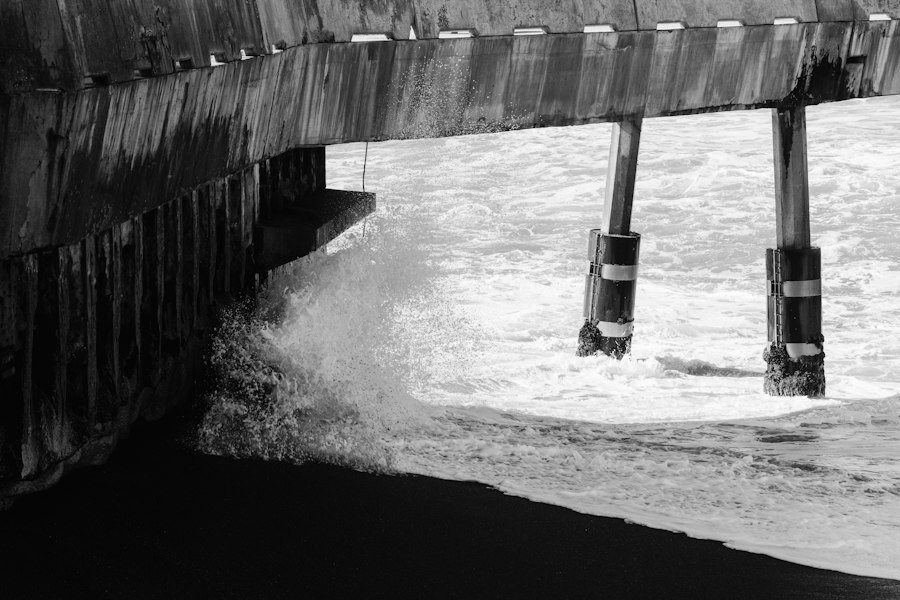
The true mettle of engineering is often revealed when put to the ultimate test. Numerous bridges across hurricane-prone regions have faced nature’s fury and emerged, perhaps battered but unbowed. Examining these specific examples provides invaluable insights into what makes a bridge resilient.
The Chesapeake Bay Bridge-Tunnel: A Tidal Fortress
The Chesapeake Bay Bridge-Tunnel (CBBT) is a remarkable engineering marvel, a 17.6-mile system of bridges, tunnels, and causeways that spans the mouth of the Chesapeake Bay, connecting the Eastern Shore of Virginia with the mainland. Situated in a region frequently battered by hurricanes and tropical storms, the CBBT has consistently demonstrated an exceptional level of resilience. Its design, completed in stages, incorporates numerous features specifically aimed at withstanding the harsh marine environment and the extreme weather it encounters.
The causeway sections, often the most vulnerable to storm surge and wave action, are heavily armored with a dense layer of interlocking concrete armor units, known as tetrapods and dolosse, placed on both sides of the structure. These units are designed to dissipate wave energy, preventing scour and protecting the underlying embankment. The bridge spans themselves are elevated significantly to provide ample clearance for storm surges and the passage of large vessels. The tunnels, located in deeper sections of the bay, are protected by concrete bulkheads and sophisticated pumping systems designed to manage any water ingress. Throughout its history, the CBBT has experienced direct hits from major hurricanes, including 1972’s Hurricane Agnes and more recently, Hurricane Isabel in 2003. While traffic has been temporarily suspended for safety during these events, and some minor damage to protective measures has occurred, the core structure of the CBBT has remained fundamentally intact, a testament to its robust design and ongoing maintenance. The ability of the CBBT to withstand the relentless pounding of the Atlantic Ocean and the powerful forces of hurricanes is a shining example of successful engineering in a challenging environment.
I-10 Twin Span Bridge: A Survivor of Katrina’s Wrath
The I-10 Twin Span Bridge, connecting Slidell, Louisiana, and Mobile, Alabama, faced one of the most devastating tests in its history with the arrival of Hurricane Katrina in 2005. While much of the surrounding infrastructure was annihilated, a significant portion of the Twin Span Bridge, remarkably, remained standing. However, it also suffered extensive damage, highlighting both the strengths and vulnerabilities of its design and the overwhelming power of the storm.
The original Twin Span Bridge, completed in the 1960s, was a double-decked structure supported by precast concrete piers. Its elevated design provided a substantial buffer against storm surge. During Katrina, however, the surge reached unprecedented heights, exceeding the design parameters in some areas. The immense wind forces and the sheer volume of water combined with the storm’s surge created a catastrophic scenario. While large sections of the bridge survived, several spans were toppled, and numerous piers were severely damaged or collapsed. The surviving sections, however, demonstrated the inherent strength of the bridge’s construction. The robust precast concrete elements and the deep foundations, in many instances, held firm against the onslaught. The damage was most pronounced in areas where the storm surge was most intense and where debris, such as entire buildings and barges, acted as battering rams against the structure. The aftermath of Katrina on the I-10 Twin Span Bridge led to a massive reconstruction effort, which not only rebuilt the damaged sections but also incorporated enhanced resilience features, including higher elevations, stronger pier designs, and improved scour protection, learning directly from the lessons of Katrina’s destructive path.
Bridges in the Florida Keys: Adapting to the Atlantic
The Florida Keys, a chain of low-lying islands stretching into the Gulf of Mexico and the Atlantic Ocean, are exceptionally vulnerable to hurricanes. The bridges connecting these islands, such as the iconic Seven Mile Bridge, are vital lifelines for residents and a critical route for commerce and tourism. Over the decades, the engineering of these bridges has evolved significantly in response to the lessons learned from numerous hurricane encounters.
Early bridges in the Keys, such as the original Overseas Railroad constructed in the early 20th century, were largely built on massive concrete pilings. While these structures were impressive for their time, they proved susceptible to the immense forces of hurricanes and subsequent redevelopment often saw them replaced. The modern bridges, including the current Seven Mile Bridge, are designed with significantly higher clearances to accommodate storm surge and wave action. The piers are often wider and more robust, designed to withstand the impact of debris and strong currents. Furthermore, modern construction techniques and materials are employed, including high-strength concrete and corrosion-resistant steel, to enhance durability in the harsh marine environment. The strategic placement of protective breakwaters and the use of advanced scour countermeasures around the piers are also critical components of the resilience strategy. The continuous process of evaluation and upgrading of these bridges, informed by direct experience with hurricanes, exemplifies a proactive approach to engineering resilience in an area where the threat is ever-present. The ability of these island connectors to endure repeated storms is a testament to adaptive engineering.
Innovative Materials and Construction Techniques
Beyond traditional concrete and steel, engineers are increasingly exploring and implementing advanced materials and construction techniques to bolster bridge resilience against hurricanes. These innovations aim to enhance strength, flexibility, and durability, providing an added layer of defense against the extreme forces.
High-Performance Concrete and Advanced Composites
High-performance concrete (HPC) is a crucial development in enhancing bridge durability. HPC formulations offer superior strength, reduced permeability (making them less susceptible to saltwater intrusion and chemical attack), and improved resistance to freeze-thaw cycles and abrasion. This increased strength and durability translate directly into a greater capacity to withstand the impact of debris and the prolonged exposure to corrosive elements often associated with hurricanes.
Fiber-reinforced polymers (FRPs), a class of advanced composites, are also gaining traction. FRPs, made from materials like carbon fibers or glass fibers embedded in a polymer matrix, are exceptionally strong, lightweight, and resistant to corrosion. They can be used as reinforcing bars in concrete, replacing traditional steel rebar, thereby eliminating a significant source of corrosion that can weaken bridges over time. FRPs can also be used as structural wraps to strengthen existing piers or decks, or in the fabrication of entire bridge components. Their ability to absorb energy and their inherent resistance to environmental degradation make them ideal for hurricane-prone regions. While often more expensive upfront, the extended lifespan and reduced maintenance requirements of FRP-based structures can offer significant long-term cost benefits and, more importantly, enhanced safety. The incorporation of these advanced materials is a forward-looking strategy in the battle against nature’s most powerful storms.
Smart Monitoring and Real-Time Diagnostics
The advent of sensor technology and data analytics has opened new avenues for ensuring bridge safety and resilience. “Smart” bridges are increasingly equipped with a network of sensors that continuously monitor various structural parameters. These sensors can detect subtle changes in strain, stress, vibration, and even the presence of scour around the foundations.
During a hurricane, these monitoring systems become invaluable. They can provide real-time data on how the bridge is responding to wind loads, wave action, and surge. This information allows engineers to assess the structural integrity of the bridge in real-time, identify any developing weaknesses, and make informed decisions about traffic management or potential evacuations. After a storm has passed, the data collected by these sensors can provide a detailed account of the stresses the bridge has endured, aiding in the assessment of damage and the planning of repairs. Furthermore, predictive maintenance strategies can be developed based on this continuous data stream. By understanding how a bridge is performing under normal conditions and during extreme events, engineers can identify potential problems before they become critical, allowing for proactive repairs and ensuring the long-term resilience of the structure. This shift from reactive maintenance to proactive, data-driven management is a significant step forward in safeguarding vital infrastructure.
Enhanced Foundation and Scour Countermeasures
Recognizing that foundation failure is often the precursor to catastrophic bridge collapse during hurricanes, significant advancements have been made in foundation design and scour countermeasures. Beyond simply increasing the depth of piles, engineers are employing more sophisticated methods to ensure foundation stability.
Deep cement mixing and soil stabilization techniques are used to improve the bearing capacity of the soil around piers, making it more resistant to erosion. The use of specialized concrete mixes with enhanced durability and resistance to abrasion is also prevalent in foundation construction. For scour protection, while riprap remains a common solution, newer methods are being adopted. Articulated concrete block mattresses, which conform to the seabed and provide a flexible yet robust protective layer, are increasingly used. Furthermore, the design of pier shapes themselves is being optimized to minimize turbulence and scour. Hydrodynamic analyses are conducted to understand how water will flow around different pier geometries, leading to the selection of shapes that are inherently more resistant to erosion. The development of intelligent scour monitoring systems, which can detect changes in the seabed around piers and alert authorities to potential issues, is also a crucial innovation. These advancements in foundation and scour protection represent a critical focus on the “feet” of the bridge, ensuring that its most vulnerable components are fortified against the relentless forces of water.
In recent years, the resilience of infrastructure has come into focus, particularly when it comes to bridges that withstand the forces of nature. An insightful article discusses how certain bridges have managed to survive hurricane damage, highlighting innovative engineering techniques and materials that enhance their durability. For more information on this topic, you can read the full article on the importance of resilient infrastructure here. Understanding these advancements is crucial for future construction and disaster preparedness efforts.
The Human Element: Maintenance and Preparedness
| Bridge Name | Location | Hurricane | Year | Damage Level | Structural Integrity Post-Hurricane | Repair Time (Months) | Notes |
|---|---|---|---|---|---|---|---|
| Lake Pontchartrain Causeway | Louisiana, USA | Katrina | 2005 | Minor | Excellent | 2 | Minimal structural damage, quick reopening |
| Seven Mile Bridge | Florida Keys, USA | Irma | 2017 | Moderate | Good | 4 | Some deck damage, repaired promptly |
| San Luis Pass Bridge | Texas, USA | Harvey | 2017 | Severe | Compromised | 12 | Extensive repairs required, partial closure |
| Chesapeake Bay Bridge | Maryland, USA | Isaias | 2020 | Minor | Excellent | 1 | Withstood high winds with minimal impact |
| Verrazzano-Narrows Bridge | New York, USA | Sandy | 2012 | Minor | Excellent | 1 | Structural integrity maintained, minor surface repairs |
While engineering design is paramount, the long-term resilience of bridges against hurricanes also relies heavily on human factors: consistent maintenance, vigilant preparedness, and the ability to learn and adapt from past experiences.
Proactive Maintenance Regimes
The most sophisticated bridge designs can be compromised by a lack of diligent maintenance. A proactive maintenance regime is essential for ensuring that bridges remain in optimal condition to withstand extreme weather events. This involves regular inspections, both visual and structural, to identify any signs of wear and tear, corrosion, or damage.
Crucially, maintenance programs for bridges in hurricane-prone areas must be specifically tailored to address the unique threats they face. This includes thorough inspections of scour protection systems, checking for any dislodgement of riprap or erosion of embankments. The integrity of expansion joints, which allow the bridge deck to move with temperature changes, is also vital; if these become clogged with debris or damaged, they can lead to excessive stress on the structure during a storm. Similarly, the maintenance of drainage systems is critical. Blocked drains can lead to the accumulation of water on the bridge deck, increasing its weight and potentially leading to uplift forces during high winds. Furthermore, the regular cleaning of bridge decks and the removal of accumulated debris can prevent it from becoming dangerous projectiles during a storm. A culture of proactive maintenance, where potential issues are addressed before they escalate, is a cornerstone of enduring bridge resilience.
Emergency Response and Post-Storm Assessment
Preparedness for hurricane events extends beyond the design and construction phases and encompasses robust emergency response plans. This includes pre-storm protocols for closing bridges to traffic, often well in advance of landfall, to ensure public safety and prevent vehicles from becoming trapped. Bridge operators and transportation authorities must have clear communication channels and established procedures for monitoring weather forecasts and issuing evacuation orders.
In the immediate aftermath of a hurricane, swift and accurate post-storm assessment is critical. This involves deploying engineering teams to conduct thorough inspections of all bridges within the affected area. The use of drones and other advanced imaging technologies can greatly expedite this process, allowing for rapid visual surveys of large structures and difficult-to-access areas. The assessment process not only identifies immediate damage but also helps prioritize repairs based on the criticality of the bridge to the community and the severity of the damage. Lessons learned from these post-storm assessments are then fed back into the design and maintenance protocols, creating a continuous cycle of improvement. This iterative process of preparedness, response, and learning is fundamental to building and maintaining a resilient transportation network in the face of recurrent natural threats.
The Evolving Landscape of Climate Change and Infrastructure
The increasing frequency and intensity of extreme weather events, directly linked to climate change, present an ongoing challenge to existing infrastructure. Bridges designed decades ago, based on historical weather patterns, may no longer be adequate for the storms of the future. This necessitates a continuous re-evaluation of design standards and the implementation of adaptive strategies.
Engineers are now incorporating climate projections into their design considerations, anticipating higher storm surges, stronger winds, and more intense rainfall. This means designing bridges with greater freeboard (the vertical distance between the normal water level and the underside of the bridge), more robust foundations, and enhanced protection against the impacts of a wider range of potential storm scenarios. The concept of “future-proofing” infrastructure is becoming increasingly important. This involves not only designing for current extreme events but also for the anticipated changes in weather patterns over the lifespan of the structure. Furthermore, the development of more flexible and adaptable bridge designs that can be more easily reinforced or modified in response to changing conditions is also an area of active research. The ongoing dialogue between climate science and civil engineering is crucial for ensuring that our bridges continue to serve as vital links in an increasingly unpredictable world.
Looking Ahead: The Future of Resilient Bridges
The persistent threat of hurricanes necessitates a forward-looking approach to bridge engineering. The lessons learned from past storms are invaluable, but the evolving nature of climate change demands continuous innovation and adaptation. The future of resilient bridges lies in a multi-faceted strategy that integrates cutting-edge technology, sustainable practices, and a deep understanding of the forces they must withstand.
Embracing Digital Twins and Predictive Modeling
The concept of “digital twins” – virtual replicas of physical structures that are constantly updated with real-time data – holds immense promise for bridge resilience. By creating a dynamic digital model of a bridge, engineers can simulate the impact of various hurricane scenarios with unprecedented accuracy. This allows for the identification of potential weaknesses under a wide range of conditions, from moderate storms to the most extreme events. Predictive modeling, powered by artificial intelligence and machine learning, can analyze historical data and real-time sensor feeds to forecast potential structural issues before they manifest. This proactive approach enables targeted maintenance and timely interventions, preventing minor problems from escalating into catastrophic failures. The integration of digital twins and advanced predictive modeling will empower engineers to move beyond reactive responses and adopt a truly predictive and preventative approach to bridge management, ensuring their continued service even in the face of increasingly severe weather.
Sustainable and Self-Healing Materials
The pursuit of sustainability in infrastructure development is not only about environmental impact but also about long-term resilience. The development of self-healing materials, for instance, could revolutionize bridge maintenance. These materials, which contain microcapsules of healing agents that are released when cracks form, can autonomously repair minor damage, extending the lifespan of the structure and reducing the need for costly and disruptive repairs.
Furthermore, the use of advanced, durable, and environmentally friendly materials, such as recycled aggregates in concrete or bio-based composites, will play a crucial role. These materials not only reduce the carbon footprint of construction but can also offer enhanced performance characteristics, such as improved resistance to corrosion and weathering. The integration of renewable energy sources, such as solar panels embedded in bridge decks, can also contribute to the long-term sustainability and operational efficiency of these critical structures, making them more self-sufficient and less reliant on external power grids during post-storm recovery efforts. The future of bridge engineering is one where resilience and sustainability are inextricably linked, creating structures that are not only strong but also environmentally responsible and adaptable.
The Role of International Collaboration and Knowledge Sharing
The challenge of building hurricane-resilient bridges is a global one. Countries around the world face similar threats from tropical cyclones, and the lessons learned in one region can be invaluable to others. Fostering international collaboration and knowledge sharing is therefore essential.
Through conferences, research partnerships, and the open exchange of data and best practices, engineers can collectively advance the science and art of resilient bridge design. This collaboration allows for the rapid dissemination of innovative solutions and the identification of common challenges that require global attention. Sharing information on the performance of different materials, construction techniques, and maintenance strategies during extreme weather events can accelerate the development of more robust and reliable infrastructure worldwide. By working together, engineers can ensure that the most effective and up-to-date knowledge is applied to building bridges that can withstand the fury of hurricanes, safeguarding communities and economies for generations to come. The collective wisdom of the global engineering community is a powerful force in the ongoing quest for resilient infrastructure.

The Railroad That Bet on the Panama Canal—and Lost
FAQs
1. Can bridges be designed to withstand hurricane-force winds?
Yes, bridges can be designed to withstand hurricane-force winds by using advanced engineering techniques, such as aerodynamic shapes, strong materials, and strategic placement of support structures.
2. How do engineers ensure that bridges can survive storm surges during hurricanes?
Engineers ensure that bridges can survive storm surges during hurricanes by elevating the bridge deck above potential flood levels, using corrosion-resistant materials, and designing proper drainage systems to prevent water accumulation.
3. What role do regular inspections play in maintaining the resilience of bridges against hurricane damage?
Regular inspections play a crucial role in maintaining the resilience of bridges against hurricane damage by identifying any structural weaknesses, corrosion, or wear and tear that could compromise the bridge’s ability to withstand extreme weather conditions.
4. Are there specific construction materials that are more resistant to hurricane damage for building bridges?
Yes, there are specific construction materials that are more resistant to hurricane damage when building bridges, such as high-strength steel, reinforced concrete, and composite materials that offer durability and flexibility to withstand the forces of nature.
5. How do emergency response plans help in minimizing the impact of hurricanes on bridges?
Emergency response plans help in minimizing the impact of hurricanes on bridges by outlining protocols for monitoring bridge conditions during severe weather, implementing evacuation procedures if necessary, and coordinating rapid repair and recovery efforts post-storm to ensure the safety and functionality of the bridges.