Brazil, a country of vast natural resources and a significant global agricultural and industrial player, faces persistent challenges in its export logistics. These challenges, often referred to as chokepoints, act as bottlenecks, impeding the efficient and cost-effective movement of goods to international markets. Understanding these impediments is crucial for anyone involved in global trade with Brazil, whether as an exporter, importer, or investor. This article will delve into the primary chokepoints that define Brazil’s export logistics landscape, examining their causes, consequences, and the ongoing efforts to mitigate them.
The arteries of any nation’s economy are its transportation networks. In Brazil, these arteries are often constipated, leading to sluggish and expensive cargo movement. The overwhelming reliance on road transport, coupled with underdeveloped rail and waterway systems, creates a fundamental chokepoint that impacts virtually every export sector.
Road Network Strain
Paved vs. Unpaved Roads
Brazil’s extensive road network, while geographically encompassing, suffers from a significant imbalance in quality. A substantial portion of the country’s roads remain unpaved or are in poor repair, especially in interior regions where many key export commodities, such as agricultural products, are produced. This leads to slower transit times, increased wear and tear on vehicles, and a higher risk of cargo damage. Imagine trying to run a marathon on a gravel path; it’s inefficient and causes you to lose valuable energy.
High Maintenance Costs and Frequent Breakdowns
The poor condition of many roads directly translates into higher maintenance costs for logistical operators. Vehicles require more frequent repairs, and the risk of breakdowns during long journeys is significantly elevated. This not only adds to operational expenses but also creates uncertainty in delivery schedules, a crucial factor in international trade where punctuality is paramount.
Road Tolls and User Fees
While tolls are a common method of funding road maintenance globally, in Brazil, they can represent a significant cost for freight transport. The multitude of toll plazas and varying fee structures can add to the complexity and expense of moving goods, particularly on longer hauls. This can make Brazilian exports less competitive on the global market compared to those from countries with lower inland transportation costs.
Congestion in Key Export Corridors
Major highways leading to ports and export hubs often experience severe congestion, particularly during peak harvest seasons for agricultural products. This congestion acts as a temporal barrier, turning what should be a swift journey into a frustrating crawl. The delays caused by traffic jams can cripple supply chains, leading to missed vessel departures and hefty demurrage charges.
Underdeveloped Rail Network
Limited Connectivity and Coverage
Brazil’s rail network, while possessing significant potential for bulk cargo transport, suffers from a lack of comprehensive coverage and connectivity. Large swathes of the country remain underserved by rail, forcing producers in these regions to rely exclusively on road transport. The existing lines are often not strategically located to serve diverse production centers and their proximity to key export terminals.
Uneven Gauge and Interoperability Issues
A significant challenge within Brazil’s rail system is the presence of different track gauges. This lack of interoperability between various rail lines necessitates costly transshipment operations, where cargo must be transferred from one train to another. This adds time, labor, and expense to the logistics process, negating much of the efficiency advantage that rail transport typically offers for bulk commodities. It’s like having different types of plugs for electrical appliances; you need adapters, which are cumbersome and inefficient.
Private vs. Public Rail Operations
The fragmentation of rail operations, with both private concessions and state-owned entities, can lead to complexities in coordination and investment. Ensuring seamless integration and standardized operating procedures across different operators is a continuous challenge in maximizing the rail network’s potential.
Underutilized Waterways
Vast River Network Potential
Brazil boasts one of the world’s most extensive river systems, a potential goldmine for cost-effective cargo transportation. However, this potential remains largely untapped due to a lack of sufficient investment in dredging, navigation aids, and port infrastructure along these waterways. Imagine having a magnificent highway system that is largely ignored; this is the reality for many of Brazil’s navigable rivers.
Limited Navigability and Seasonal Fluctuations
Many rivers experience significant seasonal fluctuations in water levels, impacting navigability. During dry seasons, sections of rivers can become impassable for larger vessels, restricting the flow of goods. Furthermore, the navigability of certain stretches is limited by natural obstacles or the absence of proper channel deepening.
Insufficient Port Infrastructure and Connectivity
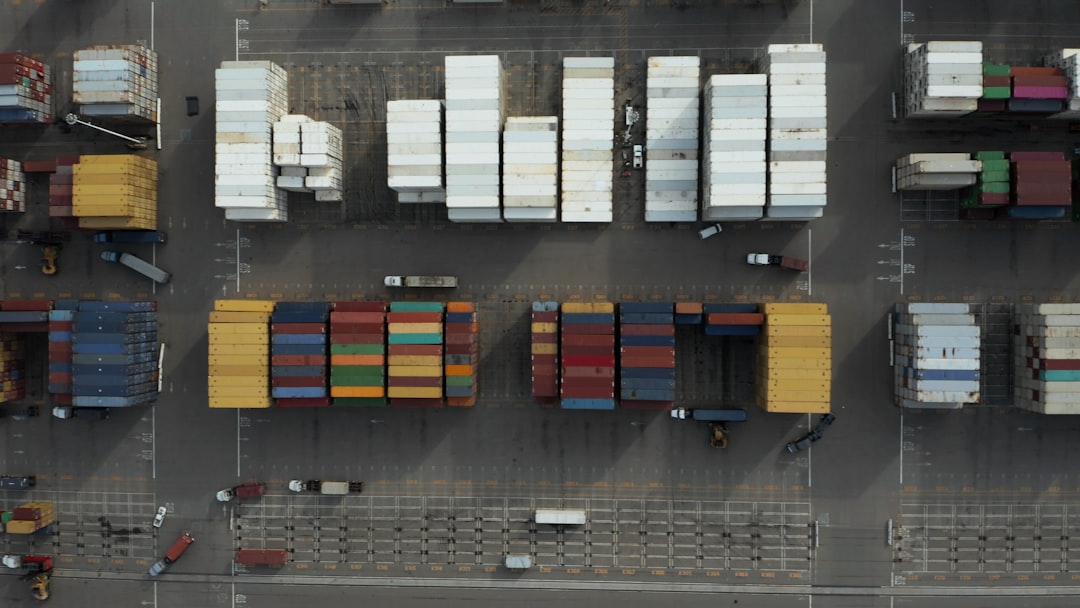
The chokepoints extend beyond inland transportation and critically impact Brazil’s maritime export capabilities. The country’s ports, while vital gateways to the world, often struggle with outdated infrastructure, limited capacity, and inefficient operational processes.
Port Congestion and Waiting Times
A recurring problem at major Brazilian ports is severe congestion, leading to extended waiting times for vessels. This translates into significant demurrage charges for shipping lines and delays for exporters. The sheer volume of cargo attempting to pass through these bottlenecks can create gridlock, reminiscent of rush hour traffic in a megacity.
Outdated Handling Equipment and Technology
Many ports still rely on older handling equipment and less efficient technologies, contributing to slower cargo turnaround times. Modernizing these facilities with automated systems and advanced cranes is crucial for increasing efficiency and reducing dwell times.
Limited Draft and Berth Availability
Some ports suffer from insufficient draft (the depth of water required for ships to dock), limiting the size of vessels that can call at these terminals. Additionally, a scarcity of available berths can exacerbate congestion.
Bureaucracy and Regulatory Hurdles
Beyond the physical infrastructure, Brazil’s export logistics are further hampered by a complex and often opaque bureaucratic and regulatory environment. This administrative labyrinth can slow down processes, increase costs, and create uncertainty for businesses.
Customs Procedures and Documentation
The process of customs clearance in Brazil is notoriously complex and time-consuming. The intricate web of documentation required, coupled with lengthy inspection procedures, can lead to significant delays. Imagine trying to assemble a large piece of furniture with instructions in a foreign language and missing pieces; this is the frustration many exporters face with Brazilian customs.
Multiple Government Agencies Involved
The involvement of numerous government agencies in export clearance, each with its own set of regulations and approval processes, creates a fragmented and inefficient system. Coordination between these agencies is often lacking, leading to delays and misunderstandings.
Frequent Regulatory Changes
The Brazilian regulatory landscape can be subject to frequent changes, creating an environment of uncertainty for businesses. Keeping abreast of these shifts and adapting compliance strategies can be a significant challenge.
Pernambuco and Bahia Railroads: Historical Chains on Modern Transport
Both Pernambuco and Bahia, states with significant agricultural and industrial output, have historical chains that now act as chokepoints for their modern transport of goods. The legacy of older railway systems, designed for different economic eras, creates specific challenges for their contemporary export logistics.
Pernambuco Railroads: Uneven Gauge and Limited Reach
While Pernambuco boasts a developing port infrastructure in Suape, its internal rail network presents significant hurdles. Historically, different railway lines operating within the state have utilized varying track gauges. This forces costly and time-consuming transshipment of goods, a relic of a past era that cannot efficiently serve the demands of modern bulk cargo transport. The lines, while present, often do not reach the key agricultural production zones directly, necessitating reliance on road transport for the initial leg of the journey, creating a dual-modal inefficiency. This lack of seamless integration between production sites and the port via rail is a significant inhibitor. Imagine trying to connect two pieces of a puzzle with different shaped interlocking parts; it’s a forced fit that isn’t ideal.
Bahia Railroads: The Challenge of Vast Distances and Underinvestment
Bahia, a large state with diverse export products, grapples with similar, albeit scaled differently, rail issues. The sheer vastness of Bahia means that rail lines need to cover immense distances to connect interior production centers to coastal ports like Salvador or Aratu. However, significant sections of Bahia’s rail network have historically suffered from underinvestment, leading to slower train speeds, limitations on load capacity, and a general lack of modernization. This makes rail transport less competitive against road transport for certain commodities, especially when initial road haulage is required to reach a railhead. The strategic planning of rail routes has also been a historical challenge, with lines sometimes not optimally positioned to serve the most productive agricultural hinterlands. The result is that goods often spend more time on slower, less efficient rail journeys or are forced onto the road network, contributing to greater costs and environmental impact.
In recent discussions about the challenges faced by Brazilian exports, one significant issue that has emerged is the presence of logistics chokepoints that hinder efficient transportation and distribution. A related article that delves deeper into this topic can be found at MyGeoQuest, where it explores the various factors contributing to these bottlenecks and their impact on the overall export performance of the country. Understanding these logistics challenges is crucial for stakeholders aiming to enhance Brazil’s competitiveness in the global market.
Storage and Handling Inefficiencies
Beyond the movement of goods, the points where cargo is stored and transferred also represent significant chokepoints. Inefficiencies in warehousing and handling at both inland consolidation points and export terminals contribute to delays, product damage, and increased costs.
Warehouse Capacity and Modernization
Limited Availability of Modern Warehousing
In many regions, particularly those remote from major export hubs, there is a scarcity of modern warehousing facilities equipped with advanced climate control and inventory management systems. This forces exporters to rely on less suitable storage options, which can lead to product spoilage, particularly for perishable goods.
Inefficient Inventory Management
Lack of sophisticated inventory management systems in many storage facilities leads to longer processing times for loading and unloading. Manual tracking and outdated methods of organization contribute to delays and a higher risk of errors.
Handling at Export Terminals
Slow Loading and Unloading Processes
At export terminals, particularly at ports, the time taken to load and unload cargo from trucks, trains, and ships can be a major bottleneck. Outdated equipment, insufficient labor, or poorly coordinated operations can lead to long queues of vehicles and vessels, directly impacting export timelines.
Incompatibility of Loading Equipment
The lack of standardization in loading equipment between different modes of transport and at various terminals can necessitate manual rehandling, adding time and expense. For example, if the container handling equipment at a port is not perfectly compatible with the specific type of chassis used by local trucking companies, it can lead to slower transfers.
Cold Chain Disruptions for Perishables
For Brazil’s significant export of fresh produce and other perishable goods, the integrity of the cold chain is paramount. Breaks in this chain, from farm to port to vessel, are a significant chokepoint that can lead to substantial product loss and reputational damage.
Inland Cold Storage Shortages
A lack of adequate refrigerated storage facilities in some production regions means that harvested goods may not be properly cooled before being transported, impacting their shelf life.
Temperature Control Issues During Transit
Maintaining a consistent temperature during long-haul road or rail transport to ports can be challenging, especially with older or less well-maintained refrigerated vehicles.
Portside Refrigeration Capacity
Even at ports, the availability of sufficient refrigerated container handling and storage capacity can be a limiting factor, especially during peak export seasons for produce.
Regulatory and Bureaucratic Complexities
The labyrinthine nature of Brazilian regulations and bureaucratic procedures represents a formidable obstacle for exporters. These administrative hurdles can create significant delays and increase the cost of doing business.
Export Licensing and Permits
Complex Application Processes
Obtaining the necessary export licenses and permits can involve navigating a complex application process that requires submitting a multitude of documents. Errors or omissions can lead to rejections and further delays.
Prolonged Approval Times
The time taken for government agencies to review and approve export applications can be excessively long, creating uncertainty in export schedules. This can be particularly problematic for time-sensitive goods or for businesses trying to meet contracted delivery dates.
Phytosanitary and Health Certificates
Stringent Requirements and Inspections
For agricultural and food products, obtaining phytosanitary and health certificates is a critical step. Brazil’s stringent requirements and lengthy inspection processes, while crucial for maintaining international standards, can add significant lead times to export shipments.
Variability in Inspection Procedures
The interpretation and application of inspection procedures can sometimes vary between different inspection bodies or even between individual inspectors, leading to inconsistencies and potential delays.
Compliance with International Standards
While Brazil aims for high standards, ensuring that all products and processes conform to the diverse and evolving international regulations of importing countries is a continuous challenge. This requires ongoing investment in quality control and adherence to a multitude of specific protocols.
Geopolitical and Economic Factors

While not solely logistical, broader geopolitical and economic factors significantly influence the efficiency and cost-effectiveness of Brazil’s export operations. These macro-level elements can amplify existing chokepoints or create new ones.
Exchange Rate Volatility
Impact on Export Competitiveness
Fluctuations in the Brazilian Real’s exchange rate against major international currencies can significantly impact the competitiveness of Brazilian exports. A strengthening Real can make Brazilian goods more expensive for foreign buyers, potentially leading to reduced demand and impacting export volumes. Conversely, a depreciating Real can boost competitiveness but may also lead to import cost inflation for necessary inputs.
Predictability for Long-Term Contracts
The volatility of exchange rates makes it difficult for exporters to offer stable pricing for long-term contracts, creating uncertainty and potentially deterring foreign investment.
Global Supply Chain Disruptions
Vulnerability to International Shocks
As a major player in global supply chains, Brazil is also vulnerable to disruptions originating elsewhere. Events such as pandemics, geopolitical conflicts, or natural disasters in other parts of the world can lead to shipping delays, increased freight costs, and shortages of essential imported components used in Brazilian manufacturing. Imagine the domino effect; one falling piece can trigger a cascade of issues across the entire chain.
Dependence on Imported Components
Many Brazilian industries rely on imported components and raw materials. Disruptions in the global supply of these inputs can directly impact Brazil’s ability to produce and export finished goods, creating an indirect logistical chokepoint.
Trade Policies and Agreements
Impact of Protectionism
Changes in international trade policies, such as the imposition of tariffs or non-tariff barriers by importing countries, can directly affect the flow of Brazilian exports. Protectionist measures can create significant hurdles, effectively acting as trade chokepoints.
Access to Preferential Trade Agreements
Conversely, Brazil’s ability to leverage preferential trade agreements can open up new markets and facilitate smoother export processes. However, the negotiation and implementation of such agreements can be complex and time-consuming.
Logistics chokepoints in Brazilian exports have become a significant concern for the country’s economy, impacting the efficiency of supply chains and the competitiveness of its products in global markets. A recent article explores the various factors contributing to these bottlenecks and offers insights into potential solutions. For a deeper understanding of the challenges and strategies related to this issue, you can read more in this informative piece on logistics in Brazil. Addressing these chokepoints is crucial for enhancing the flow of goods and ensuring that Brazilian exports can thrive in an increasingly competitive landscape.
Conclusion: Navigating the Bottlenecks
| Logistics Chokepoint | Description | Impact on Exports | Commonly Affected Products | Mitigation Measures |
|---|---|---|---|---|
| Port Congestion | Delays at major ports due to limited infrastructure and high cargo volume | Increased shipping times and costs | Soybeans, Iron Ore, Coffee | Port expansion, improved scheduling, investment in technology |
| Inland Transportation | Poor road and rail connectivity affecting cargo movement to ports | Higher transportation costs and delays | Meat, Sugar, Corn | Infrastructure development, rail network expansion |
| Customs Clearance | Lengthy and complex customs procedures | Delays in export processing | Electronics, Machinery, Agricultural Products | Process simplification, digitalization of customs |
| Storage Facilities | Insufficient warehousing capacity near ports | Product spoilage and delayed shipments | Perishables, Coffee, Fruits | Investment in cold storage and warehouses |
| Regulatory Barriers | Complex export regulations and documentation | Increased administrative burden and delays | All export sectors | Regulatory reform and harmonization |
Brazil’s export logistics landscape is a complex tapestry woven with threads of infrastructural deficits, bureaucratic tangles, and broader economic realities. The chokepoints discussed – transportation infrastructure deficiencies, storage and handling inefficiencies, regulatory complexities, and geopolitical influences – are not isolated incidents but rather interconnected challenges that collectively impede the nation’s export potential.
The transportation infrastructure remains the most visible and persistent bottleneck. The over-reliance on an under-maintained road network, coupled with an underdeveloped rail system and underutilized waterways, creates a costly and time-consuming journey for goods from production centers to ports. Ports themselves, the final gates to the global market, often suffer from congestion and outdated equipment, further exacerbating delays.
The storage and handling of goods, from inland warehouses to terminal operations, presents another layer of inefficiency. A lack of modern facilities and streamlined processes leads to increased dwell times, potential product damage, and higher operational costs. For perishable exports, the integrity of the cold chain is a critical vulnerability.
The regulatory and bureaucratic environment acts as a paper-based dam, slowing down the flow of goods through complex customs procedures, lengthy permit applications, and stringent inspection requirements. This administrative labyrinth demands significant effort and resources to navigate.
Finally, geopolitical and economic factors, such as exchange rate volatility and global supply chain disruptions, can amplify these existing chokepoints or create new vulnerabilities, impacting export competitiveness and predictability.
Addressing these chokepoints requires a multi-pronged and sustained effort involving significant public and private investment in infrastructure upgrades, the modernization of port facilities, the streamlining of bureaucratic processes, and the adoption of more efficient logistics technologies. While progress is being made, the journey towards truly efficient and cost-effective export logistics for Brazil is an ongoing one, demanding continuous attention and strategic intervention. For businesses engaging with Brazil, a thorough understanding of these chokepoints is not merely educational; it is essential for effective planning, risk mitigation, and ultimately, successful participation in the global marketplace.
WATCH NOW ▶️ SHOCKING: The $12 Trillion Lie Starving The World
FAQs
What are logistics chokepoints in Brazilian exports?
Logistics chokepoints in Brazilian exports refer to specific locations or stages in the supply chain where delays, congestion, or inefficiencies occur, hindering the smooth flow of goods from Brazil to international markets.
Which areas in Brazil are commonly identified as logistics chokepoints?
Common logistics chokepoints in Brazil include major ports such as Santos and Rio de Janeiro, key highways and railways with limited capacity, and inland transportation hubs where infrastructure may be insufficient to handle export volumes efficiently.
How do logistics chokepoints affect Brazil’s export economy?
These chokepoints can increase transportation costs, cause delays in delivery times, reduce competitiveness in global markets, and ultimately impact the profitability and reliability of Brazilian exports.
What measures are being taken to address logistics chokepoints in Brazil?
The Brazilian government and private sector are investing in infrastructure improvements, such as expanding port capacity, upgrading road and rail networks, and implementing technological solutions to streamline customs and cargo handling processes.
Why is it important to resolve logistics chokepoints for Brazilian exports?
Resolving logistics chokepoints is crucial to enhance Brazil’s export efficiency, support economic growth, attract foreign investment, and ensure that Brazilian products reach global markets in a timely and cost-effective manner.