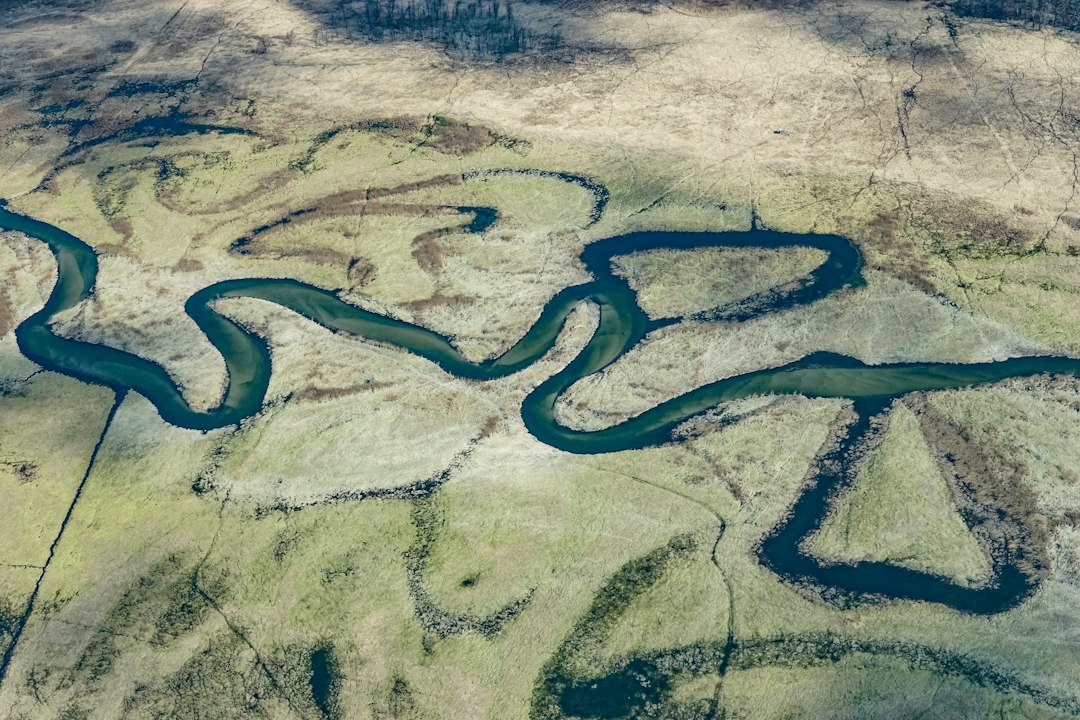
The Earth’s surface is a dynamic canvas, constantly reshaped by the relentless flow of water. Rivers, in particular, are powerful agents of erosion and deposition, sculpting landscapes over millennia. Among the myriad forms rivers can take, two distinct and fascinating archetypes emerge: braided rivers and meandering rivers. While both are products of flowing water, their formation, characteristics, and the environments they inhabit are remarkably different. Understanding these differences is crucial for comprehending riverine ecosystems, managing water resources, and appreciating the geological forces that shape our planet. This article will delve into the key dynamics and distinctions between braided and meandering rivers, exploring the factors that lead to their formation and the unique environments they create.
The Genesis of River Forms: Factors Influencing Channel Morphology
The shape a river adopts is not arbitrary; it is a consequence of a complex interplay of environmental factors. The gradient of the land, the type of sediment the river carries, the volume and variability of its flow, and the underlying geology all contribute to whether a river will carve a sinuous path or a complex, interwoven network.
Sediment Load and Its Role in Channel Pattern
One of the most significant drivers of river morphology is the sediment load. Rivers transport particles of varying sizes, from fine silt and clay to coarse gravel and boulders. The size and amount of this sediment, collectively known as the sediment load, directly influence the river’s ability to erode its banks and deposit material.
Coarse Sediment and Instability in Braided Systems
Braided rivers are characterized by a high sediment load, often dominated by coarse materials like sand and gravel. This abundance of sediment means that the river is constantly encountering obstacles and building up temporary bars or islands within its channel. When flow is high, these bars can be easily eroded and reformed, leading to the characteristic multi-channel pattern. The relatively shallow depths and wide channels of braided rivers allow for rapid sediment movement and frequent channel shifting. The river’s energy is dissipated by spreading across numerous, smaller channels, which in turn facilitates the deposition of sediment. Imagine a river that is so full of sand and gravel that it can’t decide on a single path, constantly splitting and reforming its routes. This instability is a hallmark of braided systems.
Fine Sediment and Smooth Flow in Meandering Systems
In contrast, meandering rivers typically carry a finer sediment load, primarily silt and clay, or have a more stable bed material that is less prone to rapid erosion. This finer sediment is more easily transported, and the river’s energy is concentrated along its banks, leading to the characteristic sinuous curves. The smoother flow, coupled with the river’s tendency to erode its outer banks and deposit sediment on its inner banks, encourages the development of a single, well-defined channel. The sinuous shape itself plays a role in this process: as water flows around a bend, the outer bank experiences faster flow and thus greater erosion, while the inner bank experiences slower flow and deposition. This feedback loop perpetuates and amplifies the meanders.
Discharge Variability and Channel Dynamics
The amount of water flowing in a river, known as discharge, and its variability over time, also play a critical role in shaping river channels. Rivers that experience significant fluctuations in discharge are more prone to developing complex channel patterns.
Flashy Flows and the Emergence of Braiding
Rivers with highly variable discharge, often referred to as “flashy” rivers, are common in arid or semi-arid regions and mountainous areas where rainfall can be intense and episodic. During periods of high flow, these rivers can carry enormous amounts of sediment and possess considerable erosive power. The rapid increase in water volume and velocity can overwhelm the river’s capacity to maintain a single channel. Sediment bars that may be stable during low flow become unstable and are quickly eroded or bypassed, leading to the formation of new channels and the abandonment of old ones. This constant process of erosion, deposition, and channel switching is the essence of braiding. The river is forced to find new pathways as it encounters obstructions or as sediment builds up, resulting in a dynamic and ever-changing network.
Stable Flows and the Development of Meanders
Rivers with more consistent and stable discharge tend to develop more stable, single-channel forms like meanders. While meanders do exist in rivers with some discharge variability, their development and maintenance are favored by a more predictable flow regime. A consistent flow allows for the establishment of the erosion-deposition cycle that underpins meander formation. The river can develop well-defined outer bank erosion and inner bank deposition, leading to the characteristic bends. Extreme flood events can temporarily widen or alter meanders, but the overall sinuous pattern is more likely to persist in rivers with less dramatic fluctuations in water volume.
Slope and Topography: The Foundation of River Behavior
The gradient of the land over which a river flows, its slope, is a fundamental determinant of its energy and its tendency to erode or deposit sediment.
Steep Slopes and Braided Tendencies
Rivers flowing down steep slopes generally have higher energy and a greater capacity to transport sediment. While steep slopes can contribute to the initial erosion that carves a valley, the presence of abundant coarse sediment combined with a steep gradient can lead to the rapid formation of braided channels. The high energy allows the river to move large quantities of gravel and sand, and the steepness of the slope encourages a faster, more turbulent flow. This combination often results in a wider, shallower channel that is more susceptible to splitting into multiple threads as sediment bars are formed and eroded. The river can’t efficiently maintain a single, deep channel when it’s carrying a lot of material downhill quickly.
Gentle Slopes and the Cultivation of Meanders
Conversely, rivers flowing over gentle slopes have lower energy. These rivers are less capable of transporting large volumes of coarse sediment, and their flow is generally slower and more laminar. Under these conditions, the forces that promote meandering become dominant. The river’s energy is dissipated along its curves, leading to the characteristic bends. The flatter terrain allows for the accumulation of finer sediments, which can further stabilize the banks and encourage the development of sinuous channels. The gentle slope provides the ideal canvas for the gradual, erosional and depositional processes that create and perpetuate meanders.
In exploring the dynamics of river systems, the comparison between braided rivers and meandering rivers offers fascinating insights into sediment transport and river morphology. For a deeper understanding of these concepts, you can refer to a related article that delves into the characteristics and formation processes of different river types. This article provides valuable information on how environmental factors influence river dynamics, which can be found at this link.
The Physical Characteristics of Braided and Meandering Rivers
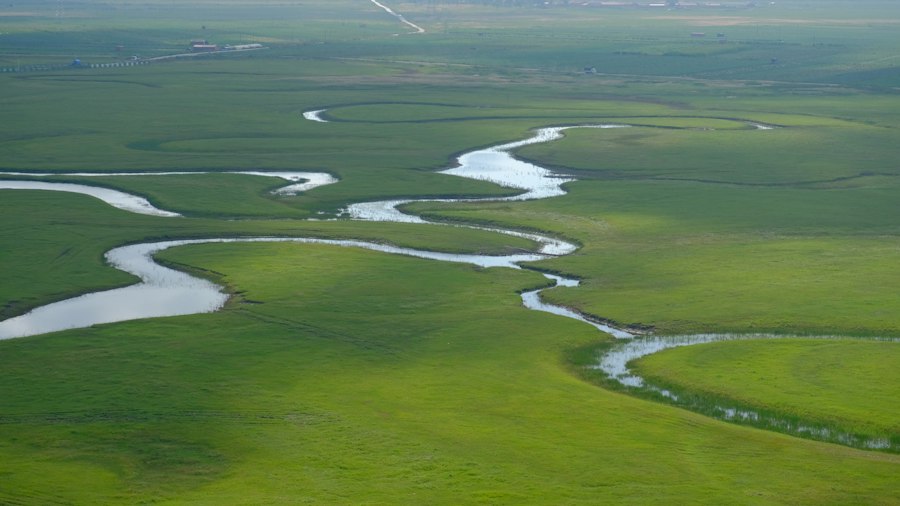
The abstract concepts of sediment load, discharge, and slope manifest in tangible differences in the physical appearance and structure of braided and meandering rivers. These differences have significant implications for the habitats they support and the ecological processes that occur within them.
Channel Morphology: A Tale of Multiple Threads vs. a Single Curve
The most obvious distinction lies in the overall morphology of the river channel.
Multiple, Shifting Channels in Braided Rivers
Braided rivers are defined by their intricate network of channels that split and recombine around islands or bars of sediment. These islands, often called “interfluves” or “braid bars,” are typically composed of sand and gravel and can be ephemeral, appearing and disappearing with changing flow conditions. The channels themselves are usually shallow and wide, with turbulent flow. The constant movement of sediment means that the river’s course is highly dynamic, with channels migrating and disappearing over short time scales. This creates a complex and constantly evolving landscape within the river valley. The interconnectedness of these channels can be intricate, resembling the strands of a braid, hence the name.
A Single, Winding Path in Meandering Rivers
Meandering rivers, in stark contrast, are characterized by a single, dominant channel that follows a sinuous, S-shaped path. This path is not static; it gradually migrates and evolves over time. The characteristic bends, or “meanders,” are formed by a process of erosion on the outer bank and deposition on the inner bank. The river has a more defined cross-section, typically deeper in the center and shallower near the banks. The overall form is one of graceful curves, reflecting a more stable and predictable flow regime. The continuous path of a meandering river offers a different set of ecological opportunities compared to the fragmented environment of a braided system.
Water Velocity and Flow Patterns: Turbulence vs. Circulation
The way water moves through these different channel types also varies significantly, influencing sediment transport and ecological dynamics.
Turbulent and Diffuse Flow in Braided Systems
The multiple, shallow channels of a braided river lead to a more turbulent and diffuse flow pattern. Water is spread across a wider area, and the presence of numerous islands and bars disrupts the smooth flow, creating eddies and areas of slack water. This turbulence is efficient at transporting sediment, but it also means that the river’s energy is distributed rather than concentrated. While the overall velocity might not be exceptionally high, the constant agitation of the water and sediment is a key characteristic. The rapid changes in flow and the presence of exposed sediment bars mean that aquatic life in braided rivers must be adapted to these dynamic conditions.
Predictable Patterns and Helical Flow in Meanders
Meandering rivers exhibit more predictable flow patterns. In a straight section, the fastest flow is typically in the center, with slower flow near the banks. However, as the river enters a bend, the flow becomes more complex. The fastest water on the outer bank creates a helical flow, where water moves in a spiral motion, carrying sediment downstream and contributing to erosion. On the inner bank, where the flow is slower, sediment is deposited, creating point bars. This consistent helical flow is a defining feature of meanders and plays a crucial role in their evolution. The relatively smoother, more predictable flow in the main channel of a meander can support a greater diversity of aquatic organisms.
Bank and Bed Stability: Ephemeral Structures vs. Established Features
The stability of the riverbanks and bed is a key indicator of the river’s energy and its tendency to shift.
Ephemeral and Unstable Banks in Braided Rivers
The banks of braided rivers are typically composed of unconsolidated sediments like sand and gravel. These materials are easily eroded by the turbulent flow, and the islands and bars within the channel are constantly being reformed. This means that the river’s edges are inherently unstable, and the river itself is prone to widening and shifting its course over time. Vegetation, if present, is often sparse and adapted to colonizing newly formed sediment deposits. The ephemeral nature of the river’s structure makes it a challenging environment for the establishment of long-term habitats.
More Stable Banks and Established Features in Meanders
Meandering rivers, particularly those with finer sediment loads and established vegetation along their banks, tend to have more stable channels. The roots of plants help to bind the soil, making the banks more resistant to erosion. While meanders do migrate, this process is often slower and more gradual than the channel switching seen in braided rivers. The established vegetation can create valuable riparian habitats, providing food and shelter for a wide range of terrestrial and aquatic species. The consistent erosion and deposition processes within a meander can lead to the development of distinct features like oxbow lakes, which are remnants of abandoned meanders that become isolated from the main river channel.
Ecosystems and Habitats: Life in the Flow

The contrasting physical characteristics of braided and meandering rivers create distinct ecological niches, supporting different types of flora and fauna.
Biodiversity and Adaptation in Braided River Systems
The dynamic and often harsh environment of a braided river presents unique challenges and opportunities for life.
Pioneer Species and Resilience in Harsh Conditions
Braided rivers are characterized by frequent disturbance. The constant shifting of channels, erosion of banks, and deposition of sediment mean that habitats are often ephemeral. This environment favors “pioneer species” – organisms that are well-adapted to colonizing newly formed or disturbed areas. Plants that can quickly root in unstable substrates and animals that can tolerate fluctuating water levels and temperatures are common. For example, certain grasses and willow species are adept at establishing themselves on newly formed gravel bars. Many fish species in braided rivers are mobile and can adapt to changing conditions, often seeking refuge in deeper pools during low flow.
Habitat Heterogeneity and Specialized Niches
Despite the overall dynamism, the intricate network of braided channels can also create a mosaic of habitats. Deeper pools, shallow riffles, and exposed gravel bars all offer different microhabitats. This heterogeneity can support a surprisingly diverse range of organisms, provided they are adapted to the fluctuating conditions. For instance, certain invertebrates may thrive in the turbulent riffles, while others might find refuge in the slower waters of wider channels. The dynamic nature of braided rivers also means that they are often important for nutrient cycling, as the constant erosion and deposition churns up and redistributes organic matter.
The Richness of Meandering River Ecosystems
Meandering rivers, with their more stable channels and established riparian zones, often support a greater abundance and diversity of life.
Established Riparian Zones and Aquatic Life
The stable banks of meandering rivers are often lined with lush vegetation, creating rich riparian zones. These zones provide shade, reduce water temperatures, and contribute organic matter to the river ecosystem. The slower, more predictable flow in the main channel and the presence of slower-moving backwaters and oxbow lakes create ideal habitats for a wide range of aquatic life, including numerous fish species, amphibians, and aquatic invertebrates. The deposition of finer sediments on inner banks can create fertile substrates for plant growth, further enhancing the habitat.
Connectivity and Ecological Succession
Meanders, while seemingly fixed in their sinuous path, are constantly evolving. The migration of meanders can lead to the formation of new habitats and the rejuvenation of old ones. Oxbow lakes, formed from abandoned meanders, can develop into unique wetland ecosystems over time, supporting a different suite of species. The connectivity between the river channel and its floodplain, often more pronounced in meandering river systems, is crucial for the exchange of nutrients and organisms, particularly during flood events. This connectivity contributes to the overall health and biodiversity of the riverine ecosystem.
Human Interactions and Management Challenges
Both braided and meandering rivers present distinct challenges and opportunities for human interaction, from water management to infrastructure development.
Managing the Dynamic Nature of Braided Rivers
The inherent instability of braided rivers makes them challenging to manage for human purposes.
Flood Control and Sediment Management
The tendency of braided rivers to shift course and inundate wide areas makes flood control a significant concern. Traditional methods of channelization or dam construction can be difficult to implement effectively due to the river’s dynamic nature. Furthermore, the high sediment loads can lead to rapid silting of reservoirs and the clogging of irrigation channels. Managing sediment transport in braided rivers often requires a more holistic approach that considers the entire river basin and focuses on controlling erosion in upstream areas.
Infrastructure Development and Navigation
Building stable infrastructure, such as bridges and roads, across braided rivers requires careful engineering to account for the constant shifting of channels and the erosive power of the water. Navigation can also be problematic, as the shallow depths and constantly changing channels make it difficult for larger vessels to operate safely. Human interventions in braided rivers often aim to stabilize certain channels or create artificial pathways, but these efforts can have unintended ecological consequences.
Sustaining the Flow of Meandering Rivers
Meandering rivers, while appearing more stable, also present their own set of management considerations.
Water Resource Management and Environmental Flows
Meandering rivers are often vital sources of water for agriculture, industry, and human consumption. Managing these resources sustainably involves ensuring adequate water availability while also maintaining “environmental flows” – the patterns of water flow required to sustain river ecosystems. This can be a delicate balancing act, as human demand for water can reduce flows to levels that harm aquatic life.
Channel Stability and Riparian Health
While meandering rivers are generally more stable than braided rivers, their meanders can still migrate, threatening infrastructure or valuable agricultural land. Interventions such as bank protection and vegetation management are often employed to stabilize channels. However, these interventions must be carefully considered to avoid disrupting the natural processes that sustain the river ecosystem and its riparian zones. The health of the riparian vegetation is crucial for maintaining water quality and biodiversity, and human activities that degrade these areas can have significant negative impacts on the river.
The dynamics of braided rivers and meandering rivers present fascinating contrasts in river morphology and sediment transport. For a deeper understanding of these river systems, you can explore an insightful article that delves into the characteristics and behaviors of these two types of rivers. This resource highlights how braided rivers, with their multiple channels and shifting paths, differ significantly from the more stable and sinuous nature of meandering rivers. To read more about these intriguing river dynamics, visit this article.
Conclusion: Two Faces of Riverine Power
| Feature | Braided River | Meandering River |
|---|---|---|
| Channel Pattern | Multiple interweaving channels separated by bars or islands | Single sinuous channel with pronounced bends |
| Flow Velocity | Variable, often high due to multiple channels and shallow depths | Moderate, with slower flow on inside bends and faster on outside bends |
| Sediment Load | High sediment load, mostly coarse material like gravel and sand | Lower sediment load, finer sediments like silt and clay dominate |
| Channel Stability | Highly unstable, channels frequently shift and rework | Relatively stable, channels migrate gradually over time |
| Gradient | Steeper gradients, often found in mountainous or glacial regions | Gentle gradients, typical of lowland floodplains |
| Bank Composition | Unconsolidated, easily erodible sediments | More cohesive soils and vegetation stabilize banks |
| Floodplain Development | Limited floodplain due to frequent channel shifts | Well-developed floodplains with oxbow lakes and point bars |
| Ecological Impact | Dynamic habitats with frequent disturbance, supporting pioneer species | Stable habitats supporting diverse and mature ecosystems |
Braided and meandering rivers, though both products of flowing water, represent fundamentally different expressions of fluvial geomorphology. Their distinct forms are sculpted by a complex interplay of sediment load, discharge variability, and land slope, each creating unique physical characteristics. Braided rivers, with their multiple, shifting channels and turbulent flow, are dynamic and ephemeral systems that favor resilient pioneer species. Meandering rivers, with their single, sinuous channel and more stable riparian zones, often support greater biodiversity and established ecological communities. Understanding these key dynamics and differences is not merely an academic exercise; it is essential for effective environmental management, sustainable water resource utilization, and appreciating the profound power of rivers to shape and sustain life on Earth. Whether navigating the intricate braids or following the graceful curves, recognizing the unique character of each riverine type allows for a deeper understanding of the natural world.
This River is Literally Erasing Islands
FAQs
What is a braided river?
A braided river is a type of river channel that consists of a network of interconnected channels that divide and rejoin multiple times, creating a braided pattern. These rivers often have a high sediment load and are characterized by shallow, shifting channels.
How does a braided river differ from a meandering river?
A braided river differs from a meandering river in its channel pattern. While a braided river has multiple interconnected channels that frequently split and rejoin, a meandering river has a single, sinuous channel that curves back and forth in a smooth, snake-like pattern.
What factors contribute to the formation of braided rivers?
Braided rivers are typically formed in areas with high sediment supply, steep gradients, and variable flow rates. These factors lead to the deposition of sediment in the river channel, causing it to split into multiple smaller channels.
What are the characteristics of a meandering river?
A meandering river is characterized by a single, sinuous channel that curves back and forth as it flows downstream. These rivers have a smooth, continuous flow pattern and are often found in areas with lower sediment loads and gentler gradients.
How do braided rivers and meandering rivers impact their surrounding environments differently?
Braided rivers tend to have a more dynamic and shifting channel pattern, which can lead to changes in sediment deposition and erosion along their banks. Meandering rivers, on the other hand, have a more stable channel pattern that can support diverse ecosystems and provide habitat for various species of plants and animals.