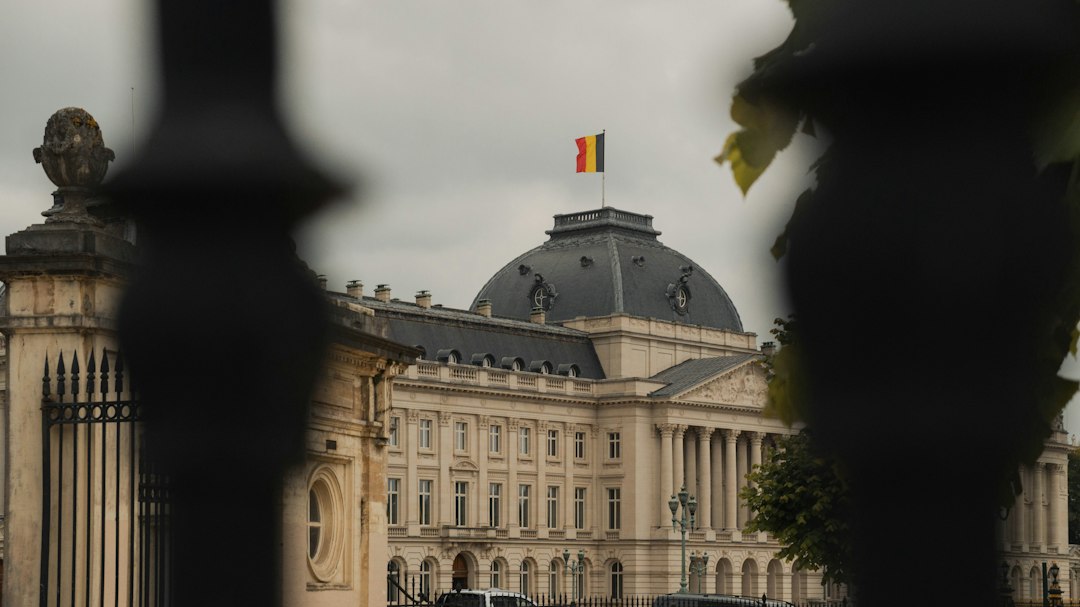
Belgium’s Federal Language Divide: Uniting a Nation
Belgium, a nation steeped in history and renowned for its exquisite chocolate and world-class beer, harbors a unique and often complex internal dynamic: its federal language divide. Far from being a mere linguistic quirk, this division into Dutch-speaking Flanders, French-speaking Wallonia, and the bilingual capital Brussels, with a small German-speaking minority in the east, has shaped the country’s political, social, and cultural landscape for centuries. The story of Belgium is, in many ways, the story of navigating these linguistic currents, striving to forge a united nation from distinct cultural identities. This article delves into the origins of this divide, its impact on governance and daily life, the ongoing challenges and efforts towards unity, and the potential future of this multilingual federation.
The origins of Belgium’s linguistic chasm are deeply embedded in its historical evolution. Understanding these roots is crucial to appreciating the nuances of the current situation. The geographical area that constitutes modern-day Belgium has been a crossroads of European civilizations for millennia, influencing its linguistic makeup.
Roman Influence and the Germanic Invasions
The Roman Empire’s presence in the region, particularly in the southern territories, left a lasting legacy of Latin. This Latin, over time, evolved into the Romance languages. The northern parts of Belgium, however, remained less deeply Romanized and were subsequently influenced by Germanic tribes, most notably the Franks. These tribes spoke dialects that would eventually form the basis of the Dutch language. This fundamental divergence in the early centuries laid the groundwork for the linguistic separation that would intensify over time. The Roman frontier, running roughly along the present-day border between Flanders and Wallonia, became an enduring linguistic boundary.
The Burgundian and Habsburg Eras: Seeds of Separation
During the medieval period and beyond, the territories that would become Belgium were often under the rule of external powers. The Burgundian Dukes and later the Habsburgs ruled over a diverse region. While they attempted to unify administration, the distinct linguistic communities persisted. Flanders, with its thriving Flemish bourgeoisie and its economic ties to the Dutch-speaking world, maintained its linguistic character. Wallonia, influenced by French culture and administration, increasingly adopted French as the language of governance and prestige. This period saw the gradual entrenchment of French as the language of the elite across the entire region, even in Flanders, leading to resentment and a growing sense of linguistic injustice among the Flemish population.
The Belgian Revolution and the French Hegemony
The Belgian Revolution of 1830, which led to the country’s independence from the Netherlands, was largely driven by a coalition of Catholic conservatives and liberal progressives. Crucially, the new Belgian state adopted French as its sole official language. This decision, understandable in the context of the time with French being the language of international diplomacy and intellectual discourse, quickly sowed seeds of discontent in Flanders. The Flemish population, the vast majority of the country’s inhabitants, found themselves disadvantaged in administration, education, and public life. This perceived linguistic oppression fueled a burgeoning Flemish movement demanding equal language rights.
The language divide within the Belgium federal government has been a longstanding issue, impacting both political dynamics and social cohesion. For a deeper understanding of this complex topic, you can explore a related article that discusses the historical context and current implications of Belgium’s linguistic divisions. To read more, visit this article.
The Structure of a Multilingual State: Governance and Federalism
The persistent linguistic divide necessitated a unique political structure, leading to the evolution of Belgium into a federal state. This federalization process has been a continuous endeavor to balance the powers and rights of the different linguistic communities and regions.
The Rise of Federalism: Accommodating Diversity
The initial unitary state, with French as the sole official language, proved unsustainable. Throughout the 20th century, a series of constitutional reforms gradually shifted power away from the central government towards the regions and linguistic communities. This was a pragmatic response to address the grievances of the Flemish population and to recognize the distinct identities of the different parts of the country. The first significant steps towards federalism were taken in the 1970s and 1980s, culminating in the formal establishment of the federal state in 1993.
The Pillars of Belgian Federalism: Regions and Communities
Belgian federalism is built upon two main pillars: Regions and Communities.
- Regions: There are three regions: Flanders (Dutch-speaking), Wallonia (French-speaking, with a small German-speaking minority), and the Brussels-Capital Region (bilingual). These regions have significant autonomy over matters such as economic development, employment, housing, and transport.
- Communities: There are also three communities, defined by language: the Flemish Community (representing the Dutch-speakers in Flanders and Brussels), the French Community (representing the French-speakers in Wallonia and Brussels), and the German-speaking Community (in eastern Wallonia). These communities are responsible for cultural affairs, education, and personal matters. This complex division means that a person living in Flanders is primarily governed by the Flemish Community and the Flemish Region, while a person in Brussels experiences a dual jurisdiction from both the French and Flemish Communities, as well as the Brussels-Capital Region.
The Role of the Federal Government: Lingering Tensions
While significant powers have been devolved, a federal government remains in place, responsible for matters such as defense, justice, foreign affairs, and macroeconomic policy. The allocation of powers and resources between the federal and regional levels remains a constant source of negotiation and, at times, tension. Debates over national debt, social security, and federal funding frequently highlight the underlying linguistic and regional divides, often leading to prolonged government formation periods.
The Impact on Daily Life: Language in Public and Private Spheres

The language divide is not an abstract political concept; it profoundly impacts the daily lives of Belgians, influencing everything from education and media to social interactions.
Education: A Separate System for Each Community
Education in Belgium is largely managed by the Communities. This means that Flemish children attend schools that teach in Dutch, while French-speaking children attend schools that teach in French. The German-speaking Community has its own educational system. This separation ensures that language is not a barrier to education within each community, but it also limits inter-community interaction at a formative age. Debates about the curriculum, the teaching of the other national languages, and the funding of schools are ongoing issues within each community’s educational framework.
Media and Culture: Distinct Audiences and Identities
The linguistic divide is clearly reflected in the media landscape. There are separate Dutch-language newspapers, television channels, and radio stations for Flanders, and French-language equivalents for Wallonia and Brussels. While some national media outlets exist, they often cater to a specific linguistic audience or strive for a neutral tone that can sometimes feel detached. Cultural production – literature, film, music – also largely follows linguistic lines, reinforcing distinct cultural identities. This can create a situation where citizens are not always fully aware of the cultural output of the other linguistic communities within their own country.
Social Interactions and Bilingualism in Brussels
In Brussels, the officially bilingual capital, the linguistic situation is unique and often complex. While both French and Dutch are official languages, French is spoken by a majority of the population. This creates a dynamic where many Brussels residents are effectively bilingual, navigating a society where both languages are present. However, even in Brussels, tensions can arise, and issues of language use in public services, signage, and private businesses are often points of contention. Outside of Brussels, interactions between Dutch and French speakers can be limited, with language often acting as a barrier to broader social integration.
Challenges and Efforts Towards Unity: Bridging the Divide
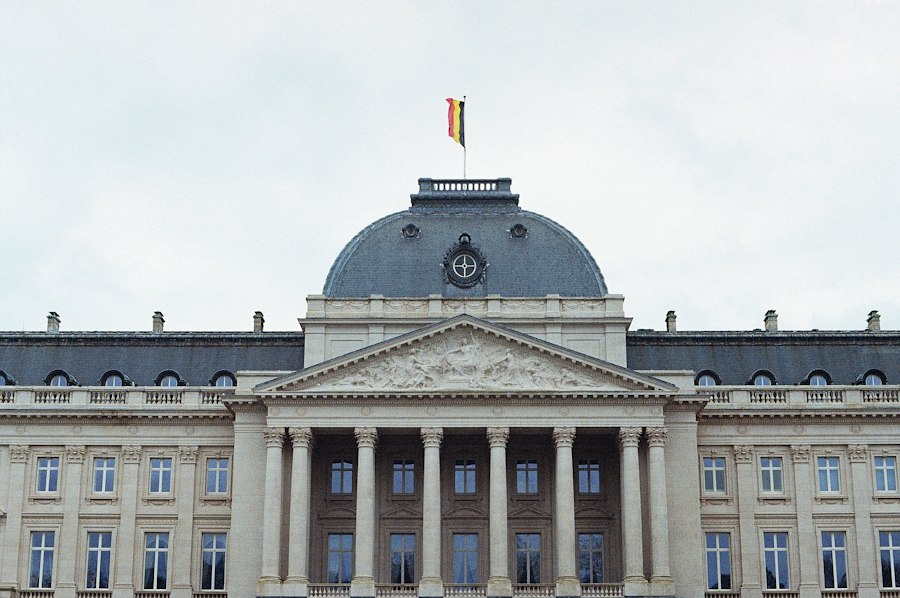
Despite the deep-seated divisions, Belgium has made significant efforts to foster national unity and create a functioning multilingual state. These efforts are ongoing and multifaceted, aiming to address historical grievances and build a shared future.
Linguistic Legislation and Minority Rights
Over the years, Belgium has enacted various linguistic laws aimed at guaranteeing language rights for all citizens. These laws ensure that individuals can communicate with public authorities in their preferred language and that services are available in the appropriate language. While these laws are designed to protect minority language speakers, their implementation and interpretation are often subjects of political debate. Ensuring the rights of the German-speaking minority in Wallonia, for instance, is a constant focus of their representatives.
The Role of Compromise and Negotiation in Politics
Belgian politics is characterized by a culture of compromise and negotiation. Given the linguistic diversity, consensus-building is essential for effective governance. This often leads to complex coalition governments and prolonged negotiations, but it also forces different linguistic groups to find common ground. The ability of Belgian politicians to negotiate and find solutions, however imperfect, has been crucial in preventing the country from fracturing. The creation of consultative bodies and inter-community dialogues are also part of this ongoing process.
Promoting Intercultural Understanding and Language Learning
Recognizing the importance of mutual understanding, various initiatives aim to promote intercultural dialogue and encourage language learning. Educational programs often include the teaching of the other national languages, though the effectiveness and depth of this instruction can vary. Cultural exchanges, festivals, and joint projects between Flanders and Wallonia are also encouraged to foster a sense of shared Belgian identity. These initiatives, though often facing resource constraints and political headwinds, are vital in building bridges between the communities.
The language divide within the Belgium federal government has been a topic of significant discussion, reflecting the complexities of its bilingual society. A related article explores the historical context and implications of this divide, shedding light on how it affects governance and public policy. For more insights, you can read the article here. Understanding these dynamics is crucial for anyone interested in the political landscape of Belgium and its ongoing challenges.
The Future of Belgian Federalism: Navigating Perpetual Evolution
| Aspect | Flemish Community | French Community | German-speaking Community | Notes |
|---|---|---|---|---|
| Population Percentage | ~60% | ~40% | Based on language spoken as mother tongue | |
| Official Language | Dutch | French | German | Each community has its own official language |
| Federal Government Representation | Approximately 50% | Approximately 50% | Minimal | Power-sharing aims to balance Flemish and French speakers |
| Parliament Seats (Chamber of Representatives) | 89 out of 150 | 60 out of 150 | 1 out of 150 | Seats allocated by electoral colleges based on language |
| Language Regions | Flanders | Wallonia | East Cantons | Regions correspond to language communities |
| Language Facilities | Some municipalities offer French facilities | Some municipalities offer Dutch facilities | Some municipalities offer French and Dutch facilities | Facilities granted in certain municipalities for minority languages |
| Governmental Language Use | Dutch in Flanders | French in Wallonia | German in East Cantons | Federal institutions use both Dutch and French officially |
| Education Language | Dutch | French | German | Education is community-based and conducted in the respective language |
The future of Belgium’s federal system and its linguistic divide is a subject of ongoing speculation and debate. The country’s unique model of federalism is constantly evolving, adapting to new challenges and societal shifts.
The Debate on Further Decentralization: Federalism’s Next Steps
There is a perennial debate within Belgium about the future of its federal structure. Some advocate for further decentralization, transferring even more powers to the regions and communities, potentially leading to a confederal or even confederal-like system. Others argue for strengthening the federal level and promoting greater national cohesion. The balance of power between the federal government and the constituent entities remains a dynamic and often contentious issue, influenced by economic conditions and political ideologies.
The “Belgian Identity”: A Work in Progress
Defining a singular “Belgian identity” in a country with such distinct linguistic and cultural communities is a complex undertaking. While shared experiences like the two World Wars, the success of Belgian sporting teams, and common European membership can foster a sense of unity, the linguistic divide often remains the dominant narrative. The younger generation, growing up in a more globalized world and exposed to a wider range of influences, may forge new understandings of what it means to be Belgian, transcending traditional linguistic boundaries.
The Enduring Strength of Multilingualism
Ultimately, Belgium’s federal language divide, while presenting challenges, has also fostered a unique model of multilingualism and power-sharing. The country’s ability to navigate these complexities, to adapt its governance structures, and to strive for unity amidst diversity is a testament to its resilience. The story of Belgium is a continuous negotiation, a perpetual balancing act between celebrating distinct identities and forging a shared national destiny. The enduring strength of its multilingualism, though often a source of friction, also represents a rich cultural asset and a unique contribution to the European mosaic. The journey of uniting this nation is far from over, but the ongoing commitment to dialogue and compromise offers a hopeful path forward.

Belgium Has a Border With No Wall — Here’s Why
FAQs
What is the language divide in the Belgium federal government?
The language divide in the Belgium federal government refers to the linguistic differences between the Dutch-speaking Flemish community and the French-speaking Walloon community.
How does the language divide impact the Belgium federal government?
The language divide in the Belgium federal government often leads to challenges in communication, decision-making, and policy implementation between the Dutch-speaking and French-speaking regions.
What are the official languages of Belgium?
Belgium has three official languages: Dutch, French, and German. Dutch is spoken by the majority of the population in Flanders, French is spoken in Wallonia, and German is spoken in a small region in the east of the country.
How is the Belgium federal government structured to address the language divide?
The Belgium federal government is structured as a federal state with a complex system of linguistic and regional autonomy. This includes separate language communities and regions with varying degrees of legislative and executive powers.
What efforts are being made to bridge the language gap in the Belgium federal government?
Efforts to bridge the language gap in the Belgium federal government include promoting bilingualism, providing language training for government officials, and fostering intercultural dialogue between the Dutch-speaking and French-speaking communities.