
Barge operations play a crucial role in the transportation of goods across waterways, serving as a vital link in the supply chain. These vessels, often used for moving bulk commodities such as coal, grain, and chemicals, are essential for both domestic and international trade.
The intricate nature of barge operations requires not only a deep understanding of the waterways but also an awareness of environmental conditions, traffic regulations, and the operational capabilities of the barges themselves. As global trade continues to expand, the demand for barge operations has surged. This increase in demand has highlighted the importance of skilled pilots who can navigate complex waterways and manage the logistics involved in barge transport.
However, the industry faces significant challenges, particularly concerning the availability of qualified pilots. The shortage of skilled personnel threatens to undermine the efficiency and safety of barge operations, making it imperative to address this issue comprehensively.
Key Takeaways
- Pilots play a critical role in ensuring safe and efficient barge operations.
- There is a significant current shortage of qualified barge pilots impacting operations.
- Factors such as aging workforce, regulatory hurdles, and limited recruitment contribute to the pilot shortage.
- Efforts to address the shortage include enhanced training programs, recruitment initiatives, and adoption of technology.
- Future solutions require balancing automation advancements with regulatory support and pilot workforce development.
Importance of Pilots in Barge Operations
Pilots are the backbone of barge operations, providing the necessary expertise to navigate challenging waterways. Their responsibilities extend beyond mere navigation; they are also tasked with ensuring compliance with safety regulations and environmental standards. A pilot’s knowledge of local waterways, including currents, depths, and potential hazards, is invaluable in preventing accidents and ensuring timely deliveries.
The role of a pilot is multifaceted, requiring not only technical skills but also strong decision-making abilities and effective communication with crew members and other vessels. Moreover, pilots play a critical role in optimizing the operational efficiency of barge transport. By understanding the intricacies of each waterway and its unique challenges, pilots can devise strategies that minimize delays and enhance fuel efficiency.
Their ability to anticipate and respond to changing conditions—such as weather fluctuations or unexpected obstacles—can significantly impact the overall success of a barge operation. In essence, pilots are not just navigators; they are strategic partners in ensuring that barge operations run smoothly and effectively.
Current Pilot Shortage in Barge Operations
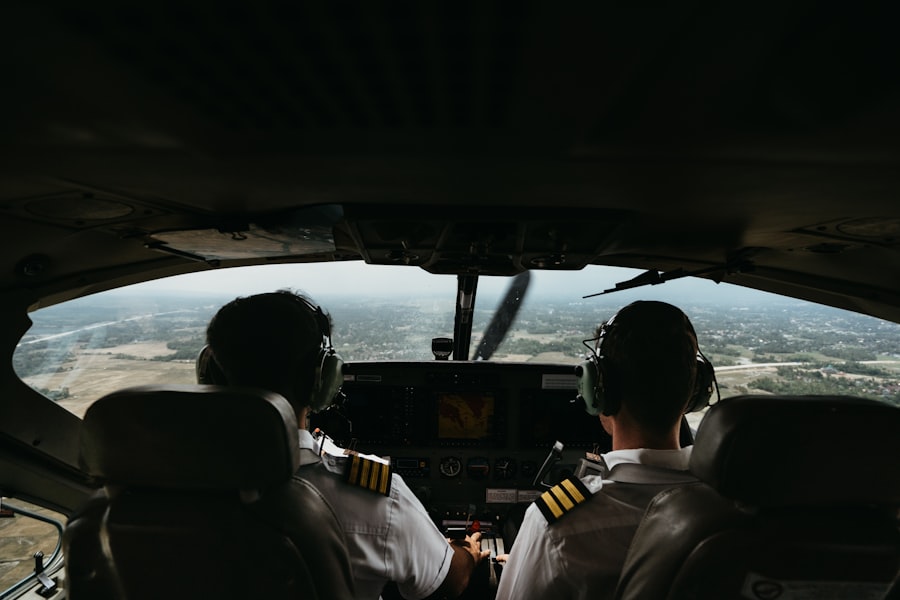
The current landscape of barge operations is marked by a significant pilot shortage that poses serious challenges to the industry. As experienced pilots retire or leave the profession for various reasons, there has been a noticeable decline in the number of qualified individuals available to fill these critical roles. This shortage is particularly acute in certain regions where barge traffic is heavy, leading to increased pressure on existing pilots who must manage larger workloads.
The implications of this pilot shortage are far-reaching. With fewer pilots available, delays in barge operations have become more common, leading to disruptions in supply chains and increased costs for shipping companies. The strain on existing pilots can also lead to burnout and decreased job satisfaction, further exacerbating the issue.
As the demand for barge transport continues to grow, addressing this shortage has become an urgent priority for stakeholders across the industry.
Factors Contributing to Pilot Shortage
Several factors contribute to the ongoing pilot shortage in barge operations. One primary issue is the aging workforce; many experienced pilots are nearing retirement age, and there are not enough new entrants into the profession to replace them. The rigorous training and certification process required to become a licensed pilot can deter potential candidates, as it demands significant time and financial investment.
Additionally, the working conditions associated with barge piloting can be challenging. Long hours, irregular schedules, and time spent away from home can make the profession less appealing to younger generations seeking work-life balance. Furthermore, competition from other sectors within the maritime industry can draw potential candidates away from barge piloting roles.
These factors combined create a perfect storm that has led to a critical shortage of qualified pilots in the field.
Impact of Pilot Shortage on Barge Operations
| Metric | Value | Unit | Notes |
|---|---|---|---|
| Number of Licensed Pilots | 150 | pilots | Current active pilots in barge operations |
| Annual Pilot Demand | 200 | pilots | Estimated number of pilots needed per year |
| Pilot Shortage | 50 | pilots | Gap between demand and supply |
| Average Pilot Age | 52 | years | Indicates aging workforce |
| Annual Pilot Retirement Rate | 5 | pilots/year | Number of pilots retiring annually |
| Training Duration for New Pilots | 18 | months | Time required to fully qualify a new pilot |
| Average Number of Pilots per Barge Operation | 3 | pilots | Typical staffing level per operation |
| Impact on Barge Operation Delays | 15 | % increase | Delay increase attributed to pilot shortage |
The impact of the pilot shortage on barge operations is profound and multifaceted. One immediate consequence is an increase in operational delays, as fewer pilots are available to handle the growing number of barges on waterways. This can lead to bottlenecks at ports and terminals, ultimately affecting supply chain efficiency and increasing costs for shipping companies.
Delays can ripple through various sectors of the economy, impacting everything from agricultural exports to energy supplies. Moreover, the strain on existing pilots can compromise safety standards within the industry. Overworked pilots may be more prone to errors or lapses in judgment, which can lead to accidents or incidents on the water.
As such, addressing the pilot shortage is not merely an operational concern; it is also a critical safety issue that must be prioritized by industry stakeholders.
Efforts to Address Pilot Shortage

In response to the growing pilot shortage, various stakeholders within the barge industry have begun implementing initiatives aimed at attracting new talent and retaining existing pilots. Industry associations and organizations are actively promoting awareness about career opportunities in barge piloting through outreach programs in schools and maritime academies. By highlighting the importance of this profession and its contributions to the economy, these efforts aim to inspire a new generation of pilots.
Additionally, some companies are exploring innovative recruitment strategies that include offering competitive salaries and benefits packages to attract candidates. Enhanced training programs that streamline the certification process may also be introduced to make it easier for aspiring pilots to enter the field. By creating a more appealing work environment and providing support throughout the training process, stakeholders hope to mitigate the effects of the pilot shortage.
Training and Recruitment of Barge Pilots
Training and recruitment are critical components in addressing the pilot shortage within barge operations. The traditional pathway to becoming a licensed pilot often involves extensive training that can take years to complete. To attract new candidates, there is a growing recognition that training programs must be more accessible and efficient without compromising safety or competency standards.
Some organizations are beginning to implement mentorship programs that pair experienced pilots with trainees, providing hands-on experience and guidance throughout their training journey. This approach not only enhances learning but also fosters a sense of community within the profession. Additionally, partnerships between maritime academies and industry stakeholders can help create tailored training programs that align with current industry needs while ensuring that new pilots are well-prepared for their roles.
Technology and Automation in Barge Operations
The integration of technology and automation into barge operations presents both challenges and opportunities concerning pilot shortages. On one hand, advancements in navigation technology can assist pilots by providing real-time data on waterway conditions, enhancing situational awareness and decision-making capabilities. Tools such as GPS systems, radar technology, and automated steering systems can help reduce some of the burdens placed on pilots during navigation.
On the other hand, there is concern that increased automation may lead to a diminished need for human pilots in certain contexts. While technology can enhance operational efficiency, it cannot fully replace the nuanced judgment and expertise that experienced pilots bring to complex navigational scenarios. As such, it is essential for industry stakeholders to strike a balance between leveraging technology and maintaining a skilled workforce capable of navigating unpredictable conditions.
Regulatory Challenges in Barge Pilot Recruitment
Regulatory challenges also play a significant role in shaping the landscape of pilot recruitment within barge operations. The licensing process for pilots is often governed by stringent regulations that vary by region or jurisdiction. While these regulations are designed to ensure safety and competency among pilots, they can also create barriers for aspiring candidates seeking entry into the profession.
Streamlining regulatory processes while maintaining high safety standards could facilitate greater access to training programs for new pilots. Collaboration between regulatory bodies and industry stakeholders may lead to more flexible approaches that encourage recruitment without compromising safety or operational integrity. By addressing these regulatory challenges head-on, stakeholders can create a more conducive environment for attracting new talent into barge piloting.
Future Outlook for Barge Operations and Pilot Shortage
The future outlook for barge operations amid the ongoing pilot shortage remains uncertain but presents opportunities for innovation and growth. As global trade continues to expand, so too will the demand for efficient barge transport solutions. However, without a concerted effort to address the pilot shortage through recruitment initiatives, training enhancements, and regulatory reforms, the industry may struggle to meet this demand effectively.
Looking ahead, it will be essential for industry stakeholders to collaborate on comprehensive strategies that prioritize workforce development while embracing technological advancements. By fostering a culture that values skilled piloting alongside innovation, stakeholders can work towards creating a sustainable future for barge operations that ensures safety, efficiency, and reliability.
Conclusion and Recommendations for Addressing Pilot Shortage in Barge Operations
In conclusion, addressing the pilot shortage within barge operations is imperative for ensuring the continued success and safety of this vital sector. Stakeholders must recognize the multifaceted nature of this challenge and implement comprehensive strategies that encompass recruitment efforts, training enhancements, regulatory reforms, and technological integration. By promoting awareness about career opportunities in piloting and creating supportive training environments, they can attract new talent into this essential profession.
Furthermore, collaboration between industry associations, educational institutions, and regulatory bodies will be crucial in developing streamlined pathways for aspiring pilots while maintaining high safety standards. Embracing technology as an ally rather than a replacement will also be key in enhancing operational efficiency while preserving the invaluable expertise that human pilots bring to barge operations. Through these concerted efforts, stakeholders can work towards mitigating the pilot shortage and securing a prosperous future for barge operations worldwide.
The ongoing pilot shortage has significant implications for barge operations, affecting the efficiency and safety of transporting goods via waterways. For a deeper understanding of how this shortage is impacting various sectors, you can read more in the article available at this link.
FAQs
What is causing the pilot shortage in barge operations?
The pilot shortage in barge operations is primarily due to an aging workforce, increased retirement rates, and a limited number of new pilots entering the profession. Additionally, stringent licensing requirements and the demanding nature of the job contribute to the shortage.
How does the pilot shortage affect barge operations?
The shortage of qualified pilots can lead to delays in barge movements, increased operational costs, and potential safety risks. It may also impact the efficiency of cargo transportation on inland waterways and coastal routes.
What qualifications are required to become a barge pilot?
Barge pilots typically need to obtain a pilot’s license issued by relevant maritime authorities, which requires extensive training, sea time, and passing rigorous exams. They must have strong knowledge of navigation, vessel handling, and local waterway conditions.
Are there any initiatives to address the pilot shortage?
Yes, various maritime organizations and industry stakeholders are implementing training programs, offering incentives, and promoting careers in maritime piloting to attract new talent. Some are also investing in technology to assist pilots and improve operational efficiency.
How long does it take to train a barge pilot?
Training to become a barge pilot can take several years, including gaining practical experience on vessels, completing formal education, and passing licensing examinations. The exact duration varies depending on the region and specific requirements.
Can technology help mitigate the pilot shortage?
Technology such as advanced navigation systems, remote piloting, and automation can assist pilots and improve safety, but it cannot fully replace the expertise and decision-making skills of experienced human pilots in complex barge operations.
What impact does the pilot shortage have on the shipping industry?
The pilot shortage can lead to increased shipping costs, scheduling disruptions, and reduced capacity for transporting goods via waterways, which may affect supply chains and the overall maritime economy.
Is the pilot shortage a global issue or region-specific?
While the pilot shortage is more pronounced in certain regions due to local factors, it is a concern in many parts of the world where barge and maritime operations are critical to commerce.