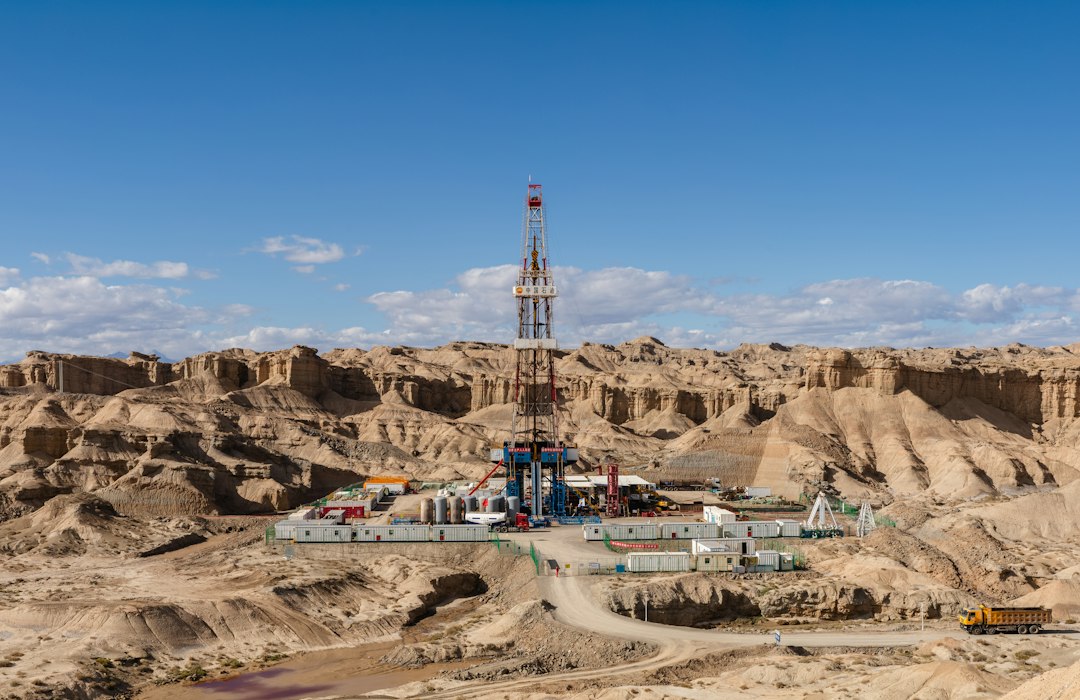
The delicate equilibrium between extracting vital natural resources and preserving the integrity of our planet’s precious aquatic ecosystems is a challenge that commands increasing attention. Nowhere is this tension more acutely felt than in regions where natural gas extraction, often through hydraulic fracturing or “fracking,” intersects with the presence of large, vital lakes. These bodies of water are not merely aesthetic features; they are critical sources of drinking water, habitats for diverse flora and fauna, crucial components of regional climates, and essential for local economies reliant on tourism and recreation. The promise of energy independence and economic growth offered by gas extraction must be weighed against the profound and potentially irreversible consequences that such activities can have on the stability and health of these lakes.
The Dance of Subsurface Pressure and Surface Water
The very nature of hydraulic fracturing involves injecting a high-pressure mixture of water, sand, and chemicals deep underground to fracture rock formations and release trapped natural gas. This process, while effective in unlocking reserves, introduces significant changes to the subterranean environment. The forces at play can propagate through geological strata, and the potential for these forces to interact with overlying aquifers and surface water bodies, including lakes, is a primary concern. Understanding the complex hydrogeological pathways and the potential for pressure changes to migrate is paramount to safeguarding lake stability.
Fractures, Faults, and Fluid Migration
The geological formations beneath and around lakes are rarely uniform. Natural faults and pre-existing fractures can act as conduits, facilitating the movement of fluids over considerable distances. When hydraulic fracturing occurs in proximity to such features, there is an increased risk that the injected fluids, or the released natural gas, could migrate upwards towards the lakebed or into the surrounding groundwater that feeds the lake. This migration can introduce contaminants, alter water chemistry, and potentially disrupt the natural flow of groundwater into and out of the lake.
Groundwater Interconnectivity
Lakes are not isolated entities; they are intrinsically linked to the regional groundwater system. The water level and quality of a lake are often a direct reflection of the health of the surrounding aquifers. If gas extraction activities compromise the integrity of these aquifers, for instance, by creating new pathways for contamination or altering subsurface flow patterns, the impact on the lake can be substantial. The intricate web of interconnectedness means that seemingly distant subsurface activities can have tangible and significant consequences for surface water bodies.
Gas extraction activities can significantly impact the stability of nearby lakes, leading to ecological disturbances and changes in water quality. A related article that delves into this issue is available at MyGeoQuest, where researchers discuss the implications of gas extraction on hydrological systems and the potential risks to aquatic ecosystems. Understanding these interactions is crucial for developing sustainable practices that mitigate environmental harm while meeting energy demands.
Monitoring the Pulse of the Lake
Effective monitoring is the cornerstone of responsible resource management. For lakes situated near natural gas extraction sites, continuous and comprehensive surveillance is essential to detect any deviations from baseline conditions and to enable timely intervention if issues arise. This goes beyond simple water quality testing; it requires a multi-faceted approach that examines physical, chemical, and biological parameters.
Baseline Data: The Foundation of Comparison
Before any extraction activities commence, establishing robust baseline data for the lake and its surrounding environment is critical. This includes detailed measurements of water levels, temperature profiles, dissolved oxygen, pH, nutrient loads, sediment composition, and the presence and abundance of aquatic life. This baseline serves as the benchmark against which all subsequent data will be compared, allowing scientists to identify genuine changes attributable to industrial activities rather than natural fluctuations.
Real-Time Surveillance and Early Warning Systems
Advanced sensor technologies and telemetry are vital for real-time monitoring. Devices deployed within the lake, along its shorelines, and in surrounding groundwater wells can transmit data continuously. This allows for the rapid detection of anomalies such as sudden changes in water pressure, unexpected chemical signatures, or unusual seismic activity that might indicate a problem. Early warning systems, linked to these monitoring networks, can alert operators and regulatory bodies to potential threats, enabling swift mitigation efforts.
Biological Indicators: The Living Barometer
Aquatic ecosystems are sensitive indicators of environmental stress. Monitoring the health and diversity of fish populations, macroinvertebrates, phytoplankton, and zooplankton can provide invaluable insights into the overall well-being of the lake. Declines in species diversity, the appearance of stress indicators in organisms, or shifts in community structure can signal underlying problems long before they are evident through purely chemical or physical measurements.
Mitigating Risks: Engineering and Operational Safeguards
The inherent risks associated with gas extraction near sensitive aquatic environments necessitate a proactive approach to risk mitigation. This involves implementing stringent engineering standards, employing best operational practices, and utilizing innovative technologies designed to minimize the potential for environmental damage. The focus must be on preventing problems before they occur, rather than reacting to them.
Well Integrity and Containment
The integrity of the wellbore is the first line of defense against subsurface fluid migration. Modern well construction standards involve multiple layers of steel casing and cement, designed to isolate the extracted resources from surrounding geological formations and groundwater. Rigorous testing of these casings and cement jobs, both during and after construction, is essential to ensure there are no leaks. Advanced techniques for detecting even microscopic breaches are crucial.
Exclusion Zones and Buffer Areas
Establishing appropriate exclusion zones or buffer areas around lakes is a critical planning measure. This involves restricting the location of extraction wells and associated infrastructure to a safe distance from the lake and its contributing groundwater recharge zones. The size and nature of these buffer areas should be determined by thorough geological and hydrogeological assessments, taking into account the specific subsurface conditions and the potential for fluid migration.
Responsible Water Management for Fracking Fluids
The sheer volume of water used in hydraulic fracturing presents its own set of challenges. Responsible management of these fluids, including their sourcing, treatment, and disposal, is paramount. This involves prioritizing recycled or treated wastewater where possible, minimizing the withdrawal of freshwater from lakes and rivers, and ensuring that flowback and produced water, which can contain naturally occurring radioactive materials and fracturing chemicals, are managed and disposed of in a manner that prevents any release into the environment.
Regulatory Frameworks and Enforcement
Effective governance is indispensable in ensuring that the pursuit of energy resources does not come at the unacceptable cost of environmental degradation. Robust regulatory frameworks, coupled with diligent enforcement, are necessary to set clear standards, mandate responsible practices, and hold operators accountable for their environmental stewardship. The principles of precaution, prevention, and polluter pays must be embedded within these frameworks.
Pre-Permitting Environmental Assessments
A comprehensive and independent environmental impact assessment should be a mandatory prerequisite for any natural gas extraction permit in proximity to a lake. These assessments must thoroughly evaluate potential risks to the lake’s water quality, quantity, ecosystem health, and surrounding groundwater. The findings of these assessments should directly inform the conditions under which permits are granted, including any necessary mitigation measures or operational restrictions.
Stringent Operational Standards and Compliance
Regulatory bodies must establish and enforce stringent operational standards for all aspects of natural gas extraction. This includes requirements for well construction, fluid management, waste disposal, seismic monitoring, and emergency response planning. Regular site inspections, audits, and transparent reporting mechanisms are essential to ensure ongoing compliance. Failure to comply with these standards should result in significant penalties.
Transparency and Public Engagement
Open communication and meaningful engagement with the public are vital components of responsible resource management. This includes providing accessible information about extraction activities, monitoring data, and environmental performance. Public consultation processes should be established for permit applications and significant operational changes, allowing local communities and stakeholders to voice their concerns and contribute to decision-making. Transparency builds trust and fosters a sense of shared responsibility.
Recent studies have highlighted the intricate relationship between gas extraction and lake stability, emphasizing the potential environmental impacts that can arise from such activities. For a deeper understanding of this issue, you can explore a related article that discusses how gas extraction processes can affect the surrounding ecosystems, particularly in terms of water quality and sediment stability. This comprehensive analysis can be found in the article linked here: gas extraction and lake stability.
The Future of Energy and Aquatic Health
| Metric | Description | Unit | Typical Range | Relevance to Gas Extraction and Lake Stability |
|---|---|---|---|---|
| Methane Concentration | Amount of methane gas dissolved in lake water | mg/L | 0.1 – 10 | Indicates potential for gas buildup and risk of limnic eruptions |
| Gas Saturation Level | Percentage of gas saturation in lake sediments | % | 0 – 100 | Higher saturation can destabilize sediments and trigger gas release |
| Lake Water Temperature | Temperature of lake water at various depths | °C | 4 – 25 | Temperature affects gas solubility and stratification stability |
| Lake Depth | Maximum depth of the lake | m | 10 – 300 | Deeper lakes can store more dissolved gases under pressure |
| Gas Extraction Rate | Volume of gas extracted from lake sediments | m³/day | 0 – 500 | Controls reduction of gas pressure and improves lake stability |
| Water Column Stability Index | Measure of stratification strength in the lake | Dimensionless | 0 – 1 | Higher values indicate stable stratification reducing gas release risk |
| pH Level | Acidity or alkalinity of lake water | pH units | 6.5 – 9.0 | Affects chemical reactions related to gas solubility and sediment chemistry |
| Dissolved Oxygen | Concentration of oxygen dissolved in lake water | mg/L | 0 – 14 | Low oxygen can promote anaerobic conditions favoring methane production |
The ongoing demand for energy necessitates a thoughtful and balanced approach to resource extraction. For regions where natural gas development intersects with the vital importance of lakes, the path forward requires a commitment to innovation, robust oversight, and a deep respect for the natural world. The technological advancements in extraction methods, coupled with a growing understanding of ecological interconnectedness, offer opportunities to pursue energy goals while simultaneously safeguarding these irreplaceable aquatic treasures.
Sustainable Extraction Technologies
The industry must continue to invest in and adopt technologies that minimize environmental footprints. This includes advancements in directional drilling to access reserves from further distances, reducing the surface impact. Research into alternative or less environmentally impactful fracturing fluids, as well as technologies for more efficient and complete recovery of produced water, are also crucial. The goal is to find methods that extract resources with the lowest possible risk to surrounding ecosystems.
A Holistic Ecosystem Approach
Recognizing that lakes are part of a larger, interconnected environmental system is fundamental. Management strategies must consider the entire watershed, including the upstream and downstream impacts of activities. This requires collaboration between energy companies, regulatory agencies, environmental scientists, and local communities to develop integrated plans that prioritize the long-term health and resilience of aquatic ecosystems.
Investing in Restoration and Resilience
In cases where historical extraction has led to impacts, or as a precautionary measure, investing in lake restoration and enhancing ecosystem resilience should be an integral part of the energy development equation. This could involve initiatives to improve water quality, restore riparian habitats, or implement measures to bolster the lake’s natural capacity to withstand environmental pressures. The ultimate objective is to ensure that our energy needs are met in a way that sustains, rather than degrades, the natural systems upon which we all depend.
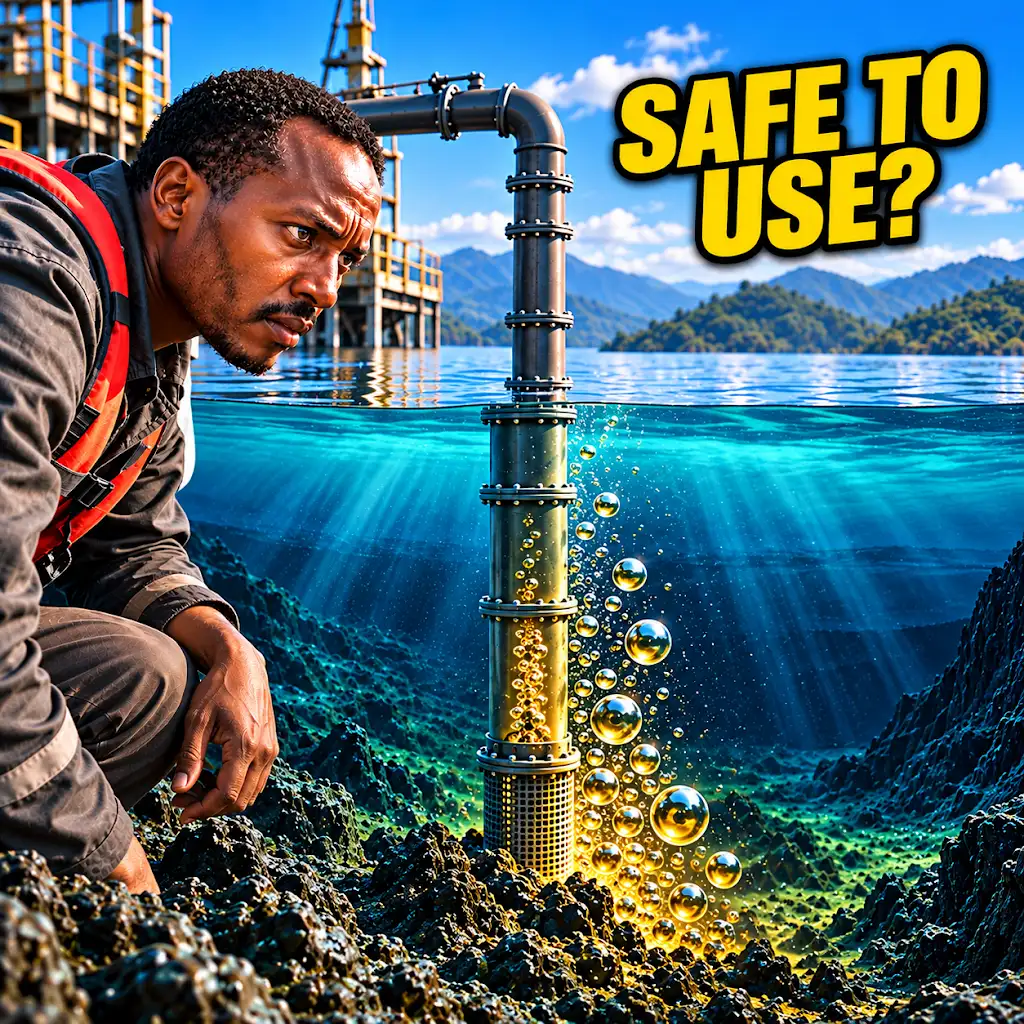
Lake Kivu’s Methane Powers Rwanda—What’s Changing Below?
FAQs
What is gas extraction?
Gas extraction is the process of removing natural gas from underground reservoirs through drilling wells and using various techniques to bring the gas to the surface for processing and distribution.
How does gas extraction impact lake stability?
Gas extraction can impact lake stability by causing subsidence, which is the sinking of the land surface due to the removal of gas from underground reservoirs. This can lead to changes in the water levels of lakes and potentially affect their stability.
What are some potential risks associated with gas extraction near lakes?
Some potential risks associated with gas extraction near lakes include the contamination of water sources, disruption of aquatic ecosystems, and the potential for increased seismic activity due to the extraction process.
How can gas extraction near lakes be managed to minimize risks to lake stability?
Gas extraction near lakes can be managed by implementing proper monitoring and regulation of extraction activities, conducting thorough environmental impact assessments, and implementing measures to mitigate potential risks such as subsidence and water contamination.
Are there any regulations in place to govern gas extraction near lakes?
Regulations governing gas extraction near lakes vary by region, but many countries have environmental regulations in place to protect water sources and ecosystems from the potential impacts of gas extraction activities. It is important for companies involved in gas extraction to comply with these regulations to minimize risks to lake stability.