
A delicate dance is underway in the global effort to combat climate change and preserve biodiversity. This dance involves two crucial, yet often conflicting, environmental objectives: achieving zero deforestation and implementing zero drainage strategies. Both are lauded for their potential to sequester carbon, enhance ecosystem health, and protect vulnerable species. However, the pursuit of one can inadvertently undermine the other, creating a complex balancing act that requires careful consideration and innovative solutions. Understanding the intricacies of this dichotomy is paramount for crafting effective and sustainable environmental policies.
The call for zero deforestation has echoed through international forums and conservation circles for decades. It signifies a commitment to halt the conversion of forests into other land uses, such as agriculture, urbanization, and resource extraction. Forests are the lungs of our planet, vast green cathedrals that absorb enormous quantities of carbon dioxide, a primary greenhouse gas. Beyond their role in climate regulation, they are reservoirs of biodiversity, providing habitats for countless species, many of which are yet to be discovered.
Deforestation: A Global Crisis
Drivers of Forest Loss
The drivers of deforestation are multifaceted and often interconnected. Industrial agriculture, particularly for palm oil, soy, and cattle ranching, stands as a leading culprit. These commodities, in high demand globally, exert immense pressure on forestlands. Land speculation, often driven by anticipated economic returns from converting forests to other uses, also plays a significant role. Infrastructure development, including roads and dams, can fragment forests and open them up to further exploitation. Logging, both legal and illegal, contributes to forest degradation and can serve as a precursor to complete clearing.
The Ecological and Climatic Ramifications
The consequences of deforestation are far-reaching. Beyond the release of stored carbon, which directly contributes to global warming, the loss of forests leads to soil erosion, desertification, and a decline in water quality. The disruption of forest ecosystems results in habitat loss and fragmentation, pushing many species towards extinction. Changes in local and regional rainfall patterns, often linked to reduced evapotranspiration from deforested areas, can exacerbate drought conditions and impact agricultural productivity.
Mitigation Strategies: A Multifaceted Approach
The strategies to achieve zero deforestation are equally diverse. They encompass strengthening law enforcement to combat illegal logging and land grabbing, promoting sustainable land management practices, and supporting the economic viability of standing forests through mechanisms like payments for ecosystem services. The development and adoption of deforestation-free supply chains are also critical, empowering consumers and corporations to make responsible choices. Reforestation and afforestation initiatives, while important for restoring degraded lands, are not a substitute for preventing original forest loss.
The ongoing debate between zero deforestation and zero drainage practices highlights the complexities of sustainable land management. A related article that delves into these issues can be found on MyGeoQuest, which explores the implications of both approaches on biodiversity and ecosystem services. For more insights, you can read the article here: MyGeoQuest.
The Emerging Promise of Zero Drainage
In recent years, the concept of zero drainage has gained traction, particularly in wetland ecosystems. Wetlands, often perceived as “wastelands” or “swamps,” are in fact vital ecological assets. They act as natural sponges, absorbing excess water and mitigating floods. They also play a crucial role in filtering pollutants and improving water quality. Furthermore, many wetlands, especially peatlands, store vast amounts of carbon, often exceeding the carbon stored in forests. The concept of zero drainage advocates for preserving the natural hydrological regimes of these ecosystems, preventing artificial drainage that can lead to peat oxidation and the release of greenhouse gases.
Wetlands: Nature’s Water Filters and Carbon Vaults
The Essential Functions of Wetlands
Wetlands perform an array of critical ecological functions. They serve as nurseries for a multitude of aquatic species, supporting fish populations and invertebrate communities. Their ability to absorb and slowly release water helps regulate river flows, reducing the intensity of both floods and droughts. The saturated conditions within wetlands create anaerobic environments where organic matter decomposes very slowly, leading to the accumulation of carbon-rich peat over millennia. This makes them incredibly effective carbon sinks.
The Threat of Drainage
Historically, wetlands have been targets for drainage for various land uses, including agriculture, urban development, and the extraction of resources deemed more “valuable.” This drainage disrupts their natural hydrological balance, leading to a cascade of negative environmental impacts. For instance, draining peatlands exposes the peat to oxygen, initiating a process of oxidation that releases significant amounts of carbon dioxide and methane into the atmosphere. This can transform a carbon sink into a carbon source, contributing to climate change.
The Principles of Zero Drainage
Zero drainage emphasizes the preservation of natural water levels and flow patterns within wetland ecosystems. This means refraining from activities that artificially lower water tables, such as digging drainage ditches or building canals. It also involves restoring hydrology in previously drained areas where possible. The focus is on working with, rather than against, the natural water dynamics of these environments to maximize their ecological benefits.
The Interplay and the Conflict
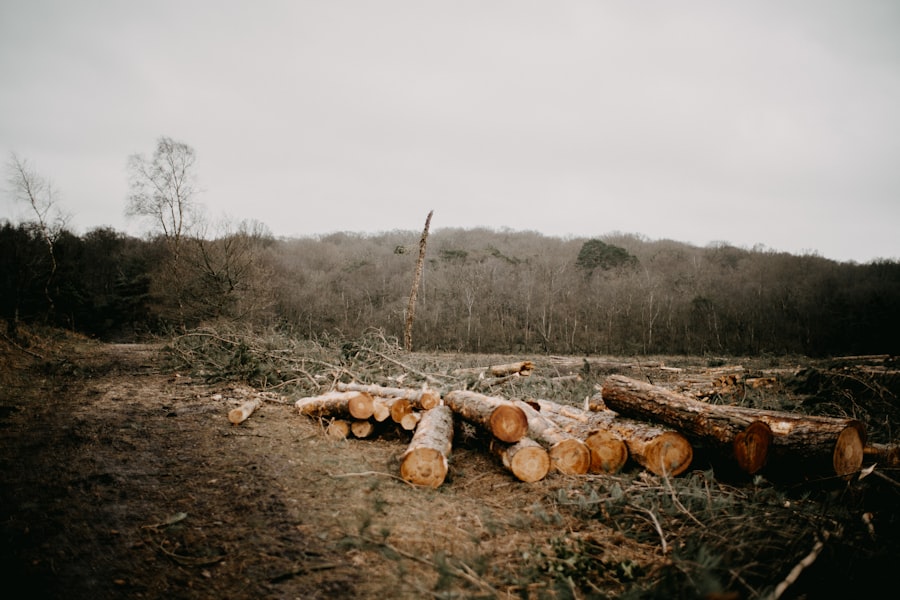
The tension between zero deforestation and zero drainage arises from the overlapping ecological functions of forests and wetlands and the land-use pressures that affect them. Many forest ecosystems are hydrologically linked to wetlands, with forests playing a role in regulating water flow into these areas. Conversely, some wetland ecosystems, particularly those with peat soils, are characterized by a high water table that can support specific forest types, such as swamp forests.
Forests and Wetlands: A Symbiotic Relationship
Hydrological Connectivity
The health of forests and adjacent wetlands is often intertwined. Forests, through their canopy interception and soil structure, influence the rate at which water reaches rivers and wetlands. Intact forest cover can help regulate the timing and volume of water entering wetland systems, preventing rapid runoff that can cause erosion and flooding downstream. Similarly, wetlands can act as buffers for forest ecosystems, helping to maintain stable water tables during dry periods.
Carbon Storage: Shared Responsibility
Both forests and wetlands are significant carbon reservoirs. Forests store carbon in their biomass (trees, understory, roots) and in their soils. Peatlands, a type of wetland, are unparalleled in their ability to store carbon in their waterlogged soils, often for thousands of years. When either of these ecosystems is degraded or destroyed, this stored carbon is released into the atmosphere, exacerbating climate change.
The Land-Use Dilemma
The demand for land for agriculture, development, and resource extraction often pits these two objectives against each other. For example, an area of forest might be cleared for plantation agriculture, and the associated land might also include or be adjacent to wetland areas that are subsequently drained. This dual destruction amplifies the environmental impact. Similarly, efforts to restore degraded forests might involve reintroducing water to areas that were previously drained, potentially impacting downstream wetland hydrology if not carefully managed.
Conflicting Management Approaches
Sometimes, the management strategies for these two goals can create conflict. For instance, some afforestation projects might involve planting trees in areas that were historically wetlands but were drained for agriculture. While re-establishing forest cover is beneficial, if the wrong tree species are planted or if the hydrology is not fully restored, it could negatively impact the remaining wetland functions. Conversely, strict wetland preservation could, in some cases, limit opportunities for certain types of forestry or agroforestry initiatives that might offer economic alternatives to complete deforestation.
Navigating the Nexus: Towards Integrated Solutions

Effectively addressing the balancing act between zero deforestation and zero drainage requires a paradigm shift towards integrated land-use planning and management. This approach recognizes the interconnectedness of ecosystems and seeks to find synergies rather than trade-offs. It involves a holistic view of landscapes, encompassing both terrestrial and aquatic environments.
The Power of Integrated Land-Use Planning
Landscape-Scale Conservation
Integrated land-use planning moves beyond a site-specific focus to consider entire landscapes. This means identifying critical ecological corridors, understanding the hydrological connections between forests and wetlands, and designating areas for different, but compatible, land uses. It involves mapping out where intact forests and wetlands are most valuable for carbon sequestration, biodiversity conservation, and water regulation, and prioritizing their protection.
Ecosystem Services Mapping
A key component of integrated planning is mapping and valuing the diverse ecosystem services provided by both forests and wetlands. This includes quantifying carbon sequestration potential, water purification capacity, flood control benefits, and habitat provision. By understanding the economic and societal value of these services, policymakers can make more informed decisions about land allocation and prioritize the protection of areas that deliver the most significant benefits.
Participatory Approaches
Effective integrated planning necessitates the involvement of all stakeholders, including local communities, indigenous peoples, government agencies, private sector actors, and non-governmental organizations. This participatory approach ensures that diverse perspectives are considered, local knowledge is incorporated, and solutions are tailored to specific socio-economic and environmental contexts. It fosters a sense of ownership and shared responsibility for conservation efforts.
Innovative Technologies and Practices
Remote Sensing and Monitoring
Advances in remote sensing technologies, such as satellite imagery and drones, provide invaluable tools for monitoring deforestation and wetland changes across vast areas. These technologies allow for early detection of illegal logging, land conversion, and the extent of drainage, enabling rapid response and enforcement. They also facilitate the assessment of the effectiveness of conservation interventions.
Nature-Based Solutions
Nature-based solutions, which leverage natural processes to address environmental challenges, offer promising avenues for balancing these objectives. This could include the restoration of riparian buffer zones, which are vegetated areas along rivers and streams that help filter water and stabilize banks, benefiting both forest and wetland ecosystems. It might also involve the creation of artificial wetlands to manage stormwater and improve water quality in urbanized areas, thereby reducing pressure on natural wetlands.
Sustainable Agriculture and Forestry
Promoting sustainable agricultural practices that minimize land footprint, such as agroforestry and precision agriculture, can reduce the demand for forest clearing. Similarly, adopting sustainable forestry management that prioritizes long-term forest health and biodiversity can ensure that timber production does not lead to irreversible deforestation. Research into tree species that are more resilient to changing hydrological conditions and can thrive in areas with fluctuating water tables is also crucial.
The ongoing debate between zero deforestation and zero drainage practices highlights the complexities of sustainable land management. A recent article explores how these two approaches can coexist, emphasizing the need for balanced strategies that protect forests while ensuring water resources are managed effectively. For more insights on this topic, you can read the full article here. Understanding the interplay between these concepts is crucial for developing policies that support both environmental conservation and agricultural productivity.
The Economic and Social Dimensions
| Metric | Zero Deforestation | Zero Drainage |
|---|---|---|
| Definition | Commitment to avoid clearing or degrading forests | Commitment to avoid draining wetlands or waterlogged lands |
| Primary Environmental Focus | Forest conservation and biodiversity protection | Wetland preservation and water table maintenance |
| Carbon Impact | Reduces CO2 emissions by preserving carbon sinks | Prevents release of methane and CO2 from drained soils |
| Water Cycle Impact | Maintains forest transpiration and rainfall patterns | Preserves natural water retention and groundwater recharge |
| Soil Impact | Prevents soil erosion and degradation | Maintains soil moisture and prevents subsidence |
| Biodiversity Impact | Protects forest-dependent species and habitats | Protects wetland species and aquatic ecosystems |
| Common Challenges | Illegal logging, agricultural expansion | Land conversion for agriculture, urban development |
| Examples of Implementation | Zero deforestation supply chain commitments in palm oil | Wetland conservation policies and peatland restoration |
The challenges of balancing zero deforestation and zero drainage are not purely ecological; they are also deeply rooted in economic and social realities. Many communities, particularly in developing countries, rely on forest and wetland resources for their livelihoods. Finding ways to provide viable economic alternatives that do not necessitate environmental destruction is paramount.
Livelihoods and Economic Alternatives
Sustainable Resource Management
Empowering local communities to manage forest and wetland resources sustainably is a critical aspect of achieving both objectives. This can involve supporting non-timber forest product harvesting, ecotourism initiatives that generate revenue from intact ecosystems, and aquaculture practices that minimize environmental impact. Education and capacity building are essential to ensure that these sustainable practices are implemented effectively.
Payments for Ecosystem Services (PES)
PES schemes are financial incentives offered to landowners and communities for managing their land in ways that provide ecosystem services, such as carbon sequestration or watershed protection. These schemes can provide a direct economic benefit from keeping forests standing and wetlands intact, creating a strong incentive against deforestation and drainage.
Policy and Governance Reform
Strengthening land tenure rights and ensuring equitable access to resources can empower local communities and indigenous peoples to protect their ancestral lands. Good governance, transparency, and the rule of law are essential for preventing corruption and illegal land grabbing, which often drive deforestation and wetland drainage.
The Role of International Cooperation
Climate Finance
International cooperation plays a vital role in facilitating the transition to more sustainable land-use practices. Climate finance mechanisms, such as the Green Climate Fund and REDD+ (Reducing Emissions from Deforestation and Forest Degradation), provide financial and technical support to developing countries to implement forest conservation and climate mitigation projects.
Knowledge Sharing and Capacity Building
Sharing knowledge, best practices, and technological innovations across borders is crucial for accelerating progress. International partnerships can facilitate capacity building initiatives, helping countries to develop robust monitoring systems, implement effective conservation policies, and foster collaboration among governments, researchers, and civil society organizations.
The Path Forward: A Concerted Effort
The quest for zero deforestation and zero drainage is not a zero-sum game, but rather a complex puzzle that requires innovative, integrated, and collaborative solutions. The successful navigation of this balancing act hinges on a deep understanding of the interconnectedness of these vital ecosystems and a commitment to implementing strategies that benefit both nature and humanity.
Conclusion: A Shared Future for Forests and Wetlands
The world is at a critical juncture. The choices made today regarding land use will have profound implications for the future of our planet. By embracing integrated approaches, fostering collaboration, and investing in sustainable solutions, we can move beyond the apparent conflict between zero deforestation and zero drainage. Instead, we can forge a path where healthy forests and vibrant wetlands coexist, providing essential ecological services and securing a more resilient and sustainable future for all. The delicate dance continues, but with informed steps and a shared vision, the music of a thriving planet can play on.
WATCH NOW ▶️ SHOCKING: The $12 Trillion Lie Starving The World
FAQs
What is zero deforestation?
Zero deforestation is a commitment or policy aimed at halting the clearing or destruction of forests. It focuses on preserving existing forest areas to maintain biodiversity, protect ecosystems, and reduce carbon emissions associated with deforestation.
What does zero drainage mean?
Zero drainage refers to the practice of avoiding the drainage of wetlands, peatlands, or other waterlogged areas. This approach helps preserve natural water cycles, prevent soil degradation, and maintain habitats that are crucial for biodiversity and carbon storage.
How do zero deforestation and zero drainage differ?
Zero deforestation targets the prevention of forest loss, while zero drainage focuses on maintaining natural waterlogged conditions in wetlands and peatlands. Although both aim to protect ecosystems and reduce environmental impact, they address different types of land use and environmental concerns.
Why are zero deforestation and zero drainage important for climate change mitigation?
Both zero deforestation and zero drainage help reduce greenhouse gas emissions. Forests store large amounts of carbon, so preventing deforestation avoids releasing this carbon into the atmosphere. Similarly, draining wetlands or peatlands releases stored carbon and disrupts natural carbon sequestration processes, so zero drainage helps maintain these carbon sinks.
Can zero deforestation and zero drainage policies be implemented together?
Yes, these policies can be complementary. Protecting forests and maintaining wetland hydrology together contribute to conserving biodiversity, preserving ecosystem services, and mitigating climate change. Integrated land management strategies often include both zero deforestation and zero drainage commitments to achieve broader environmental goals.