
The Bab el-Mandeb Strait has become a focal point of escalating tensions, a narrow maritime artery that carries a significant portion of global trade between the Red Sea and the Gulf of Aden. In recent months, this strategically vital chokepoint has been the scene of increasingly frequent drone attacks, primarily targeting commercial shipping. These incidents are not isolated occurrences but rather symptomatic of a wider geopolitical struggle, transforming a passageway of commerce into a battlefield. The implications of these attacks ripple outward, impacting global supply chains, exacerbating regional instability, and drawing international powers into a complex web of security concerns.
The Bab el-Mandeb, literally translating to “Gate of Tears” in Arabic, is a slender strait, barely 20 miles wide at its narrowest point. This geographical constraint forces vessels into tightly defined shipping lanes, making them vulnerable targets. Its importance cannot be overstated: it serves as a critical nexus for energy shipments from the Persian Gulf to Europe and North America, and for manufactured goods moving in both directions. Over 12% of the world’s seaborne trade, including a substantial volume of oil and liquefied natural gas, transits this waterway daily. Its closure or severe disruption would be akin to severing a major artery of global commerce, leading to severe economic consequences.
A Gateway to Global Trade
The volume of cargo passing through the Bab el-Mandeb is staggering. Annually, tens of thousands of ships navigate its waters. This constant flow of goods represents the lifeblood of economies worldwide. Disrupting this flow, even temporarily, can lead to significant price hikes for commodities and finished products, impacting consumers and businesses alike. The sheer volume of traffic underscores the critical role this strait plays in maintaining the intricate web of global economic interdependence.
The Geopolitical Nexus
Beyond its economic importance, the Bab el-Mandeb sits at the confluence of several geostrategically significant regions. Yemen, on the northern shore, has been embroiled in a protracted civil war, with Houthi forces controlling significant territory, including a large stretch of the coast overlooking the strait. Adjacent to Yemen lies Djibouti, a small but crucial nation that hosts numerous foreign military bases, including those of the United States, France, and China. Across the strait lies Somalia, a nation grappling with its own internal security challenges and coastal piracy. This proximity to active conflict zones and areas of strategic military interest makes the Bab el-Mandeb a volatile maritime environment.
Recent developments in the Bab el Mandeb region have raised concerns over drone attacks, highlighting the strategic importance of this maritime chokepoint. For a deeper understanding of the geopolitical implications and the ongoing conflicts in the area, you can read a related article that discusses the broader context of these events. For more information, visit this article.
The Rise of Drone Warfare in the Strait
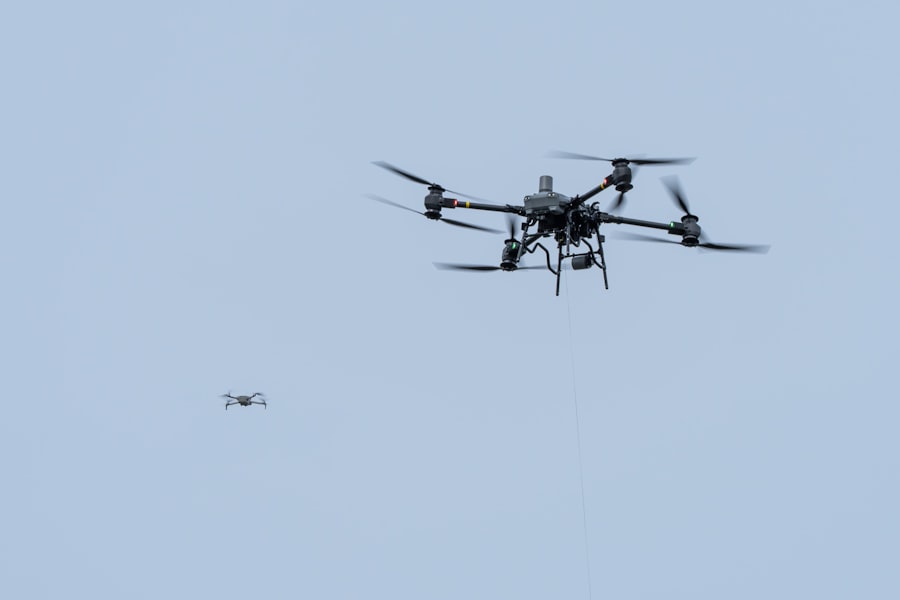
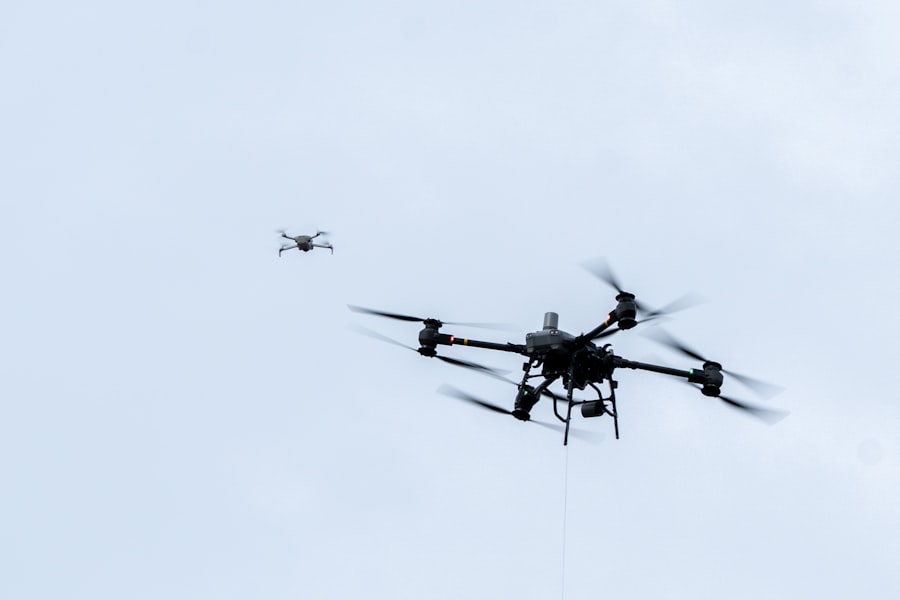
The recent surge in drone attacks in the Bab el-Mandeb marks a significant escalation in the nature of conflict in the region. Traditionally, maritime security concerns in this area have revolved around piracy and the potential for naval blockades. However, the deployment of unmanned aerial vehicles (UAVs) introduces a new dimension of asymmetric warfare. These drones, often low-cost and difficult to detect, can be launched from remote locations, presenting a persistent and unpredictable threat to shipping.
Unmanned Aerial Vehicles as a Weapon of Choice
The Houthi movement, based in Yemen, has been widely implicated in many of these drone attacks. Leveraging their operational capabilities, the group has increasingly incorporated drones into their military arsenal. These uncrewed systems offer a strategic advantage, allowing them to project power and influence over long distances with a reduced risk to their own personnel. The proliferation of drone technology globally has democratized aerial strike capabilities, and Yemen’s conflict zone has become an unfortunate testing ground for this evolving threat.
The Nature of the Attacks
The drone attacks on shipping have varied in their targets and alleged motivations. Some incidents have targeted vessels perceived to be linked to Israel, in retaliation for the ongoing conflict in Gaza. Other attacks appear to have been more indiscriminate, aimed at disrupting international shipping regardless of nationality or affiliation. The use of explosive payloads on these drones transforms them from mere surveillance tools into dangerous offensive weapons. The psychological impact on seafarers and shipping companies is also considerable, fostering an atmosphere of fear and uncertainty.
Impact on Global Shipping and Supply Chains
The drone attacks in the Bab el-Mandeb have had a tangible and immediate impact on global shipping operations. The perceived threat has forced many major shipping companies to reroute their vessels, opting for longer and more expensive journeys around the southern tip of Africa. This rerouting not only increases transit times and fuel consumption but also contributes to higher shipping costs, which can ultimately be passed on to consumers in the form of increased prices for goods.
Rerouting and Increased Transit Times
The decision by major shipping lines, such as Maersk and Hapag-Lloyd, to suspend transits through the Red Sea and Bab el-Mandeb has been a significant development. The alternative route around the Cape of Good Hope adds approximately 10-14 days to voyages between Asia and Europe. This extended transit time has a cascading effect on supply chains, leading to cargo backlogs, delays in product delivery, and increased inventory holding costs for businesses. The intricate ballet of global logistics has been forced to perform a clumsy, extended pirouette.
Economic Ramifications
The economic ramifications of these disruptions are far-reaching. The increased cost of shipping directly impacts the price of imported goods, contributing to inflationary pressures. For energy markets, the rerouting of tankers carrying oil and LNG can lead to price volatility. Businesses that rely on just-in-time inventory management face significant challenges in maintaining their production schedules. The Bab el-Mandeb attacks are acting as an unwelcome tax on global trade, slowing down the engine of international commerce.
The Insurance Dimension
The maritime insurance market has also been significantly affected. Premiums for vessels transiting the region have surged, reflecting the increased risk. In some cases, insurance coverage may be difficult to obtain, further disincentivizing shipping companies from traversing the strait. This financial burden adds another layer of complexity to the decision-making process for shipping operators.
International Response and Geopolitical Ramifications
The escalating drone attacks have prompted a strong international response, with several nations deploying naval assets to the region to protect shipping and deter further attacks. This military presence, while intended to enhance security, also highlights the growing geopolitical entanglement in the Bab el-Mandeb. The actions of various state and non-state actors in this narrow waterway are creating a complex geopolitical chess game with potentially far-reaching consequences.
Naval Deployments and Escalation Risks
The United States, in particular, has led efforts to assemble a multinational maritime task force aimed at safeguarding freedom of navigation in the Red Sea and Bab el-Mandeb. This includes warships from the U.S. Navy and contributions from allies. The presence of these naval assets is designed to intercept and neutralize drones and other aerial threats. However, the potential for miscalculation or direct confrontation between deployed forces and the perpetrators of the attacks remains a significant concern, raising the specter of wider regional conflict.
The Role of Regional Powers
Regional powers are also playing a significant role in the evolving security landscape. Saudi Arabia, the United Arab Emirates, and Egypt, all nations with significant interests in maritime security and regional stability, are closely monitoring the situation. Their response, whether diplomatic or military, will be critical in shaping the future of the Bab el-Mandeb. The intricate relationships and rivalries between these states add further layers of complexity to the situation.
The Houthi-Iran Connection
There is a widely reported and often asserted connection between the Houthi movement and Iran. Western intelligence agencies and regional analysts suggest that Iran provides the Houthis with financial and material support, including advanced drone technology. While Iran officially denies direct involvement in the attacks, the continued flow of such capabilities to the Houthis points to a complex and potentially destabilizing relationship, with the Bab el-Mandeb serving as a proxy battleground.
Recent developments in the Bab el Mandeb region have raised concerns about the increasing frequency of drone attacks, which have significant implications for maritime security and regional stability. A related article discusses the strategic importance of this vital waterway and the potential consequences of escalating tensions in the area. For more insights on this topic, you can read the full article here. Understanding these dynamics is crucial for grasping the broader geopolitical landscape surrounding the Red Sea and its impact on global trade routes.
The Future of the Bab el-Mandeb: Navigating Uncertainty
| Date | Location | Number of Drones | Target | Damage Reported | Casualties | Perpetrator | Response |
|---|---|---|---|---|---|---|---|
| March 2022 | Bab el-Mandeb Strait | 3 | Commercial Vessel | Minor structural damage | 0 | Houthi Rebels | Increased naval patrols |
| July 2023 | Bab el-Mandeb Strait | 5 | Military Ship | Moderate damage to radar systems | 2 injured | Houthi Rebels | Air defense systems activated |
| January 2024 | Bab el-Mandeb Strait | 4 | Oil Tanker | Fire outbreak, contained | 0 | Unknown | Emergency response teams deployed |
The drone attacks in the Bab el-Mandeb represent a fluid and evolving crisis. The motivations behind the attacks, the capabilities of the perpetrators, and the effectiveness of the international response will all shape the future of this critical maritime chokepoint. Navigating this uncertainty requires a careful balancing of security concerns, diplomatic engagement, and a clear understanding of the complex geopolitical forces at play. The path forward is fraught with challenges, and the consequences of inaction or miscalculation could be severe, not just for the region, but for the entire global economic order.
Potential for De-escalation or Further Conflict
The trajectory of the Bab el-Mandeb crisis remains uncertain. A de-escalation could occur through diplomatic channels, a change in regional political dynamics, or a successful neutralization of the threat by international forces. Conversely, a miscalculation, an accidental escalation of hostilities, or a deliberate expansion of attacks could plunge the region into a more severe conflict, with devastating consequences for global trade and stability. The delicate balance of power in this region is like a house of cards, easily toppled by a strong gust of wind.
Long-Term Solutions and Regional Stability
Addressing the root causes of the instability in Yemen and the surrounding region is crucial for achieving long-term stability in the Bab el-Mandeb. This will likely require sustained diplomatic efforts, humanitarian assistance, and a comprehensive approach to conflict resolution. Without tackling the underlying issues that fuel conflict and empower non-state actors, the Bab el-Mandeb may remain a hotbed of tension and a recurring threat to global commerce. The current crisis in the strait is merely a symptom of a deeper malaise.
FAQs
What is the Bab el Mandeb Strait?
The Bab el Mandeb Strait is a strategic waterway located between the Arabian Peninsula and the Horn of Africa. It connects the Red Sea to the Gulf of Aden and the Arabian Sea, serving as a critical maritime route for global trade and oil shipments.
What are the Bab el Mandeb drone attacks?
The Bab el Mandeb drone attacks refer to incidents where unmanned aerial vehicles (drones) have been used to carry out strikes or surveillance in the Bab el Mandeb region. These attacks often target military or commercial vessels and infrastructure, impacting security and navigation in the area.
Who is responsible for the drone attacks in Bab el Mandeb?
Various armed groups and state actors have been implicated in drone attacks in the Bab el Mandeb region. The area’s geopolitical tensions involve countries and militant groups with competing interests, but specific responsibility can vary depending on the incident.
Why are drone attacks significant in the Bab el Mandeb Strait?
Drone attacks in the Bab el Mandeb Strait are significant because the strait is a vital chokepoint for international shipping, including oil transport. Disruptions caused by attacks can affect global trade, increase shipping costs, and escalate regional conflicts.
What measures are being taken to address drone attacks in Bab el Mandeb?
To counter drone attacks, regional and international naval forces have increased patrols and surveillance in the Bab el Mandeb Strait. Efforts also include diplomatic initiatives to reduce tensions, improve maritime security cooperation, and deploy technology to detect and neutralize drone threats.