
The sheer destructive power of natural disasters is a constant reminder of humanity’s vulnerability. Among the myriad of these earth-shattering events, avalanches and earthquakes stand out for their rapid and often devastating impact. While both can trigger catastrophic loss of life and property, a comparative analysis of their casualty profiles reveals distinct characteristics, influencing factors, and societal responses. Understanding these differences is crucial for effective disaster preparedness, mitigation, and recovery efforts. This article delves into the complexities of avalanche versus earthquake casualties, exploring the scale, nature, and contributing elements that define their deadly toll.
The Mechanics of Destruction: Understanding Avalanche and Earthquake Dynamics
Avalanches and earthquakes, despite both being geological phenomena, operate on fundamentally different principles, leading to varied destructive mechanisms and subsequent casualty patterns. A thorough understanding of these mechanics is foundational to grasping why their impacts differ so dramatically.
Snowpack Instability and the Avalanche’s Downward Fury
Avalanches are essentially massive slides of snow, ice, and sometimes rock and debris down a mountainside. Their formation is a complex interplay of snowpack layering, temperature gradients, and external triggers. The snowpack is rarely a uniform entity. It forms in layers, each with different densities, crystal structures, and bonding strengths. Over time, temperature fluctuations, precipitation events, and wind can create weak layers within the snowpack. These weak layers act as failure planes, susceptible to fracturing under stress.
Triggers for avalanches are varied. The most common are natural events like snowfall, wind loading, or even small temperature rises. However, human activity, such as skiers, snowboarders, or snowmobiles, can also act as triggers, often in areas with pre-existing instability. Once a weak layer fails, a large mass of snow begins to move. The initial descent is often slow but rapidly accelerates, gaining momentum and volume as it picks up more snow and debris. The forces involved are immense, capable of crushing, suffocating, and burying everything in their path. The speed of an avalanche can exceed 80 miles per hour, making escape virtually impossible for anyone caught directly in its path. The sheer kinetic energy of a fast-moving avalanche can flatten trees, demolish buildings, and transport enormous quantities of material. Burial is the primary danger, with victims succumbing to asphyxiation, hypothermia, or trauma from the impact of debris.
Plate Tectonics and the Earthquake’s Tremors
Earthquakes, on the other hand, are the result of sudden energy release within the Earth’s crust. This energy is typically released when tectonic plates, which are constantly moving, become stuck and then suddenly slip. The points where this slip occurs are called faults. When the stress along a fault exceeds the strength of the rocks, a rupture occurs, propagating seismic waves outwards in all directions. These seismic waves are responsible for the ground shaking.
The intensity of an earthquake is measured by its magnitude (e.g., on the Richter scale or Moment Magnitude scale), which quantifies the energy released at the source. The impact on the surface, however, is determined by a combination of factors including magnitude, distance from the epicenter, the type of ground soil, and the quality of construction. Ground shaking is the most direct cause of destruction. Buildings not designed to withstand these forces can collapse, leading to widespread devastation and high casualty rates. Beyond shaking, earthquakes can trigger secondary hazards such as landslides, tsunamis (if occurring under the ocean), liquefaction (where saturated soil loses its strength and behaves like a liquid), and fires (due to ruptured gas lines). The direct impact of an earthquake is the physical force of the shaking and the subsequent collapse of structures, leading to blunt force trauma, crushing injuries, and entrapment.
In examining the devastating impacts of natural disasters, a related article provides valuable insights into the comparison of casualties caused by avalanches and earthquakes. This article delves into the statistics and factors influencing the severity of each disaster, highlighting how geographical location and preparedness can significantly affect survival rates. For more information on this topic, you can read the article here: Avalanche vs Earthquake Casualties.
The Scale and Scope of Human Loss: Quantifying Casualties

Comparing the casualty figures of avalanches and earthquakes requires acknowledging the vast disparities in their potential for widespread devastation. While both can be deadly, the scale at which they operate and the populations they can affect are fundamentally different.
Avalanche Fatalities: Localized but Intense
Avalanche fatalities, while tragic, are typically localized events. They occur primarily in mountainous regions and disproportionately affect individuals engaged in winter recreational activities. The number of deaths from a single avalanche event can range from zero to a few dozen, though exceptionally large and destructive avalanches have been documented to cause more significant loss of life. For instance, the 1970 Huascarán debris avalanche in Peru, triggered by an earthquake, buried several towns and is estimated to have killed tens of thousands, but this was a complex event involving earthquake-induced landslides rather than a pure snow avalanche. In more typical scenarios, such as in the Alps, Rockies, or Himalayas, individual avalanche incidents rarely result in more than a handful of fatalities.
The Global Avalanche Accident Database (GAAD) provides statistics on avalanche incidents and fatalities. While exact global figures are difficult to pinpoint due to reporting variations, estimates suggest hundreds of avalanche fatalities occur worldwide each year. The majority of these involve backcountry skiers, snowboarders, and snowmobilers. The remoteness of many avalanche-prone areas also contributes to the challenge of rescue and recovery, potentially increasing the fatality rate for those caught. Furthermore, the highly localized nature means that while devastating for the immediate victims and their communities, the broader societal impact is generally less pronounced compared to a major earthquake.
Earthquake Casualties: Widespread Devastation and Mass Fatalities
Earthquakes, particularly large ones in densely populated areas, have the potential to cause mass fatalities on a scale rarely seen with avalanches. The seismic waves can travel for hundreds of miles, affecting vast geographical regions. When an earthquake strikes a city, the collapse of buildings is the primary driver of casualties. The density of urban populations means that even a moderate earthquake can result in thousands, or even tens of thousands, of deaths.
Historically, some of the deadliest earthquakes have claimed hundreds of thousands of lives. The 2010 Haiti earthquake, with an estimated 220,000 to 300,000 deaths, and the 1976 Tangshan earthquake in China, with a death toll estimated to be between 242,000 and 655,000, exemplify the catastrophic potential of large-scale seismic events. These figures are orders of magnitude higher than typical avalanche casualties. The reasons for this disparity are multifaceted: the sheer area affected, the vulnerability of human structures to ground shaking, the difficulty of rapid evacuation from large urban centers, and the secondary hazards like fires and tsunamis that compound the death toll. The impact of such events extends far beyond immediate fatalities, causing widespread displacement, economic collapse, and long-term humanitarian crises.
Factors Influencing Casualty Rates: Anatomy of Risk
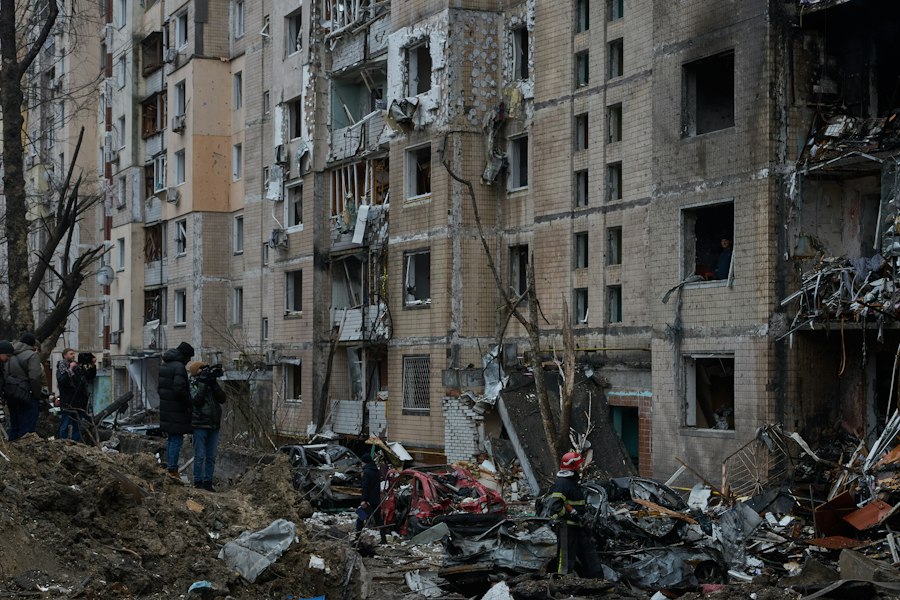
Several critical factors contribute to the number of casualties in both avalanche and earthquake events. These range from the inherent characteristics of the disaster itself to the socio-economic and environmental context in which it occurs. Understanding these contributing elements is vital for targeted risk reduction strategies.
Terrain, Snowpack, and Human Behavior in Avalanches
In avalanche casualties, the terrain plays a paramount role. Steep, snow-laden slopes, particularly those with a history of avalanches, are inherently more dangerous. The aspect (direction the slope faces) and elevation also influence snowpack stability, with certain conditions favoring avalanche formation. The depth and structure of the snowpack are critical; deeper, layered snowpacks with weak interfaces are more prone to failure. Wind also significantly impacts snow distribution, creating dangerous wind slabs.
Human behavior is perhaps the most significant factor in controlling avalanche fatalities. The majority of avalanche victims are caught in slides that they themselves triggered, often due to a lack of awareness, poor decision-making, or insufficient training. Factors like traveling alone, venturing into avalanche-prone terrain during periods of high risk, and failing to carry essential rescue gear (transceivers, probes, shovels) dramatically increase the likelihood of death. Conversely, proper avalanche education, risk assessment, and adherence to safe travel practices can drastically reduce fatalities. The availability and effectiveness of search and rescue operations also play a role, though the short window for survival in a buried avalanche limits their ultimate impact.
Seismic Activity, Building Codes, and Population Density in Earthquakes
For earthquakes, the magnitude and depth of the seismic event are fundamental. Deeper earthquakes generally produce less intense shaking at the surface than shallower ones of the same magnitude. The proximity to the epicenter is also crucial; areas closest to the rupture zone experience the most violent shaking. The geological characteristics of the ground surface significantly influence shaking intensity, with soft, unconsolidated soils amplifying seismic waves.
The most critical factor in earthquake casualty rates, however, is often the built environment. The presence and enforcement of stringent building codes designed to withstand seismic forces are paramount. Structures built to modern earthquake-resistant standards are far less likely to collapse, thereby saving countless lives. In contrast, older buildings, informal settlements, and structures not engineered to seismic standards are highly vulnerable. Population density is another major determinant; the more people concentrated in an area, the greater the potential for mass casualties when buildings collapse. Emergency preparedness, including early warning systems (though still nascent for many regions), public education, and readily available disaster response infrastructure, also plays a role in mitigating the human toll.
Preparedness, Response, and Recovery: Societal Safeguards
The way societies prepare for, respond to, and recover from avalanches and earthquakes significantly shapes their ultimate human cost. These efforts are often shaped by the nature of the disaster itself, influencing the types of strategies employed and their effectiveness.
Avalanche Preparedness: Education and Risk Management
Preparedness for avalanches largely revolves around education and individual risk management, particularly for those venturing into the backcountry. Avalanche education courses, offered by organizations worldwide, teach essential skills in snowpack assessment, route selection, safe travel techniques, and companion rescue. The use of avalanche safety equipment is also a cornerstone of preparedness. Avalanche transceivers, which emit and receive radio signals, allow buried individuals to be located by rescuers. Avalanche probes are used to pinpoint the exact location of a buried victim, and shovels are crucial for excavation.
Public avalanche forecasting services, provided by governmental agencies and non-profit organizations in many mountainous regions, offer daily assessments of avalanche danger levels and specific hazard information. These forecasts are indispensable for recreationalists in making informed decisions about where and when to travel. Rescue services, often a combination of professional rescue teams and highly trained volunteers, are crucial for responding to avalanche incidents. However, the limited time window for survival for avalanche victims means that self-rescue and immediate companion rescue are the most effective means of saving lives. Recovery efforts are typically focused on reuniting individuals with their families and providing psychological support, as the physical damage is usually localized.
Earthquake Preparedness: Infrastructure, Drills, and Aid
Earthquake preparedness encompasses a broader spectrum of societal and infrastructural interventions. The most critical aspect is the development and enforcement of robust building codes that mandate seismic-resistant construction. Retrofitting older buildings to meet these standards is also a significant undertaking. Public awareness campaigns and educational programs are essential to inform citizens about earthquake risks and safety measures, such as “drop, cover, and hold on.” Regular earthquake drills in schools, workplaces, and communities help familiarize people with appropriate responses during shaking.
Emergency response to earthquakes involves coordinated efforts from first responders, medical personnel, and the military. Search and rescue operations are critical in collapsed structures, often requiring specialized equipment and training. Mass casualty management protocols are put into place to handle the large influx of injured individuals. Medical facilities are often overwhelmed, necessitating the establishment of temporary field hospitals. Recovery efforts are extensive and long-term, involving the provision of shelter, food, and water to displaced populations, the rebuilding of damaged infrastructure, and economic recovery. International aid often plays a crucial role in supporting these efforts. Early warning systems, while still under development and limited in their predictive accuracy for all regions, offer the potential to provide seconds or minutes of advance notice, allowing for some protective actions.
In exploring the devastating impacts of natural disasters, a recent article highlights the differences in casualties between avalanches and earthquakes, shedding light on the unique challenges each presents. Understanding these differences can be crucial for disaster preparedness and response strategies. For more insights on this topic, you can read the full article on the effects of natural disasters at My Geo Quest.
Lessons Learned and Future Directions: Adapting to the Threat
| Disaster Type | Average Annual Casualties Worldwide | Deadliest Recorded Event | Casualties in Deadliest Event | Primary Causes of Death |
|---|---|---|---|---|
| Avalanche | ~150 | Rigopiano Avalanche, Italy (2017) | 29 | Burial under snow, trauma, asphyxiation |
| Earthquake | ~10,000 (varies greatly by year) | Shaanxi Earthquake, China (1556) | ~830,000 | Building collapse, landslides, tsunamis |
The recurring tragedies of avalanches and earthquakes offer invaluable lessons for enhancing human safety and resilience. By analyzing past events and understanding their underlying dynamics, societies can refine their strategies for mitigation, preparedness, and response, striving to minimize future loss of life.
Enhancing Avalanche Safety: Technology and Awareness
Future directions in avalanche safety are likely to involve continued advancements in technology and a sustained emphasis on awareness. The development of more sophisticated snowpack analysis tools, including remote sensing technologies and real-time monitoring systems, could provide more accurate and localized avalanche hazard forecasts. Improved communication systems and mobile applications can disseminate this information more effectively to backcountry users. Furthermore, research into the biomechanics of avalanches and human survivability within them can inform rescue strategies and the design of protective gear.
However, technology alone is not a panacea. The human element remains paramount. Continued investment in comprehensive avalanche education, fostering a culture of risk assessment, and promoting responsible decision-making are indispensable. Addressing the increasing popularity of backcountry recreation in many regions will require innovative approaches to outreach and education, ensuring that new participants are equipped with the necessary knowledge and skills. Ultimately, a proactive approach that prioritizes safety and informed judgment over recklessness will be key to reducing avalanche fatalities.
Strengthening Earthquake Resilience: Innovation and Global Cooperation
Strengthening earthquake resilience is a complex, multi-faceted endeavor. Continued innovation in earthquake-resistant building materials and design technologies is crucial, especially for developing regions with limited resources. The development of more effective and widespread earthquake early warning systems, coupled with robust public education on how to respond to these warnings, holds significant promise. Furthermore, research into seismic hazard assessment and the understanding of fault behavior can lead to more accurate risk mapping and land-use planning.
The interconnectedness of the modern world highlights the importance of global cooperation in earthquake preparedness and response. Sharing best practices, technological advancements, and financial resources can significantly enhance the capacity of vulnerable nations to withstand and recover from seismic events. International collaborations in disaster relief, including the pre-positioning of supplies and the training of multinational response teams, can expedite aid delivery and save lives in the aftermath of a major earthquake. Ultimately, building a truly resilient society requires a sustained commitment to investing in infrastructure, education, and a culture of preparedness that recognizes the ever-present threat of seismic activity. By learning from the past and embracing innovation, humanity can strive to mitigate the devastating impact of these natural forces.

The Social Security Mistake At 62 That Could Ruin Your Spouse’s Retirement
FAQs
What causes more casualties, an avalanche or an earthquake?
An earthquake typically causes more casualties than an avalanche due to its widespread impact on infrastructure and population centers.
Are avalanches more likely to cause casualties in mountainous regions?
Yes, avalanches are more likely to cause casualties in mountainous regions where snow accumulation and steep slopes create ideal conditions for avalanches to occur.
Do earthquakes or avalanches result in more secondary casualties?
Earthquakes often result in more secondary casualties due to factors such as building collapses, fires, and tsunamis triggered by the seismic activity.
Which natural disaster tends to have a higher survival rate for those buried under debris?
Survival rates for those buried under debris are generally higher in avalanches compared to earthquakes, as victims have a better chance of being located and rescued in a timely manner.
How do rescue efforts differ between avalanche and earthquake scenarios?
Rescue efforts in avalanche scenarios often involve specialized search and rescue teams equipped with avalanche beacons and probes, while earthquake rescue efforts focus on urban search and rescue teams using heavy machinery and specialized tools to locate and extract survivors from collapsed structures.