
The Strait of Malacca, a vital artery of global trade, has become a proving ground for the future of maritime operations with the recent successful navigation by autonomous vessels. This development marks a significant milestone, hinting at a transformative shift in how goods traverse the world’s oceans.
The Strait of Malacca is more than just a waterway; it is a historical crossroads and a testament to human endeavor in facilitating commerce. Its strategic location, connecting the Indian Ocean to the South China Sea and beyond, has cemented its importance throughout centuries.
A Maritime Silk Road
From ancient spice routes to the modern oil supertankers, the Strait has always been a pivotal conduit. Its narrow passages have witnessed the ebb and flow of empires and the relentless pursuit of trade, shaping global economies and cultures.
Strategic Importance in Modern Trade
Today, the Strait of Malacca handles a substantial portion of the world’s maritime trade. Its congestion and inherent navigational challenges make it a prime candidate for the application of advanced technologies. For a vessel captain, navigating this strait is akin to threading a needle in a hurricane – a complex dance of precision and foresight.
The increasing interest in autonomous ships has significant implications for maritime navigation, particularly in busy waterways like the Strait of Malacca. A related article that explores the advancements and challenges of implementing autonomous vessels in this critical shipping corridor can be found at MyGeoQuest. This article delves into the potential benefits of enhanced safety and efficiency, as well as the regulatory hurdles that need to be addressed for successful integration.
The Genesis of Autonomous Navigation in Maritime Sector
The pursuit of autonomy at sea is not a sudden innovation but a carefully orchestrated progression, building upon decades of research and development in automation and artificial intelligence. The vision is to create vessels that can operate with reduced or no human intervention, enhancing safety, efficiency, and potentially sustainability.
Evolution of Ship Automation
Early forms of automation focused on improving specific ship functions, such as engine control and ballast management. This laid the groundwork for more sophisticated systems that could integrate and manage multiple operational domains.
Role of Artificial Intelligence and Machine Learning
The advent of advanced AI and machine learning algorithms has been a game-changer. These technologies enable vessels to perceive their environment, make complex decisions, and adapt to dynamic situations in real-time, mirroring, and in some cases exceeding, human cognitive capabilities.
Driving Forces: Safety, Efficiency, and Cost Reduction
The primary impetus behind autonomous shipping is the desire to mitigate the risks associated with human error, which accounts for a significant percentage of maritime accidents. Furthermore, optimizing routes, fuel consumption, and crew deployment promises substantial cost savings.
Autonomous Vessel Technology in Action
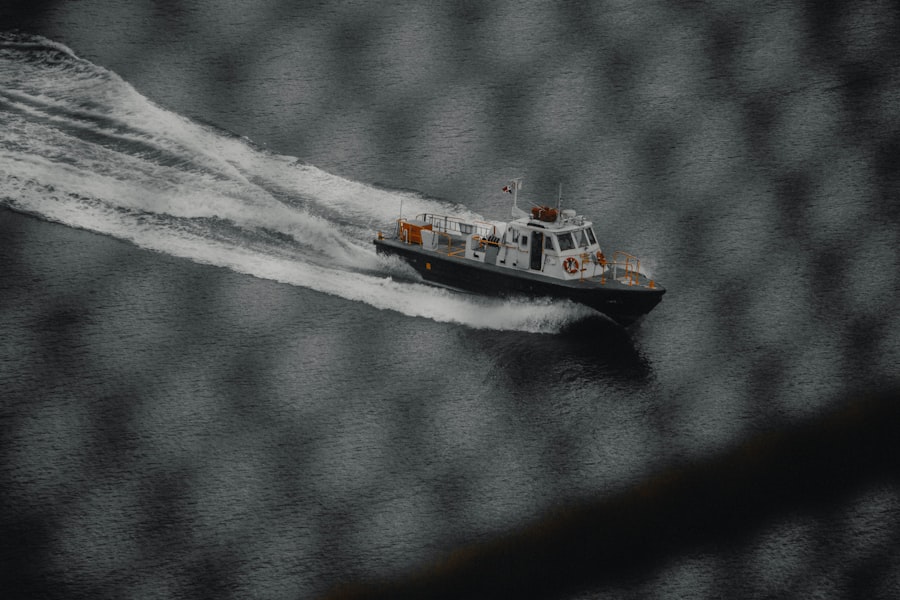
The successful navigation of the Strait of Malacca by autonomous vessels demonstrated the maturity of the underlying technologies. These vessels are not simply remote-controlled toys; they are sophisticated platforms equipped with a suite of sensors, communication systems, and intelligent decision-making software.
Sensor Fusion and Environmental Perception
Autonomous ships rely on an array of sensors, including radar, lidar, optical cameras, and GPS, to create a comprehensive and accurate picture of their surroundings. This sensor fusion allows them to detect other vessels, obstacles, and environmental conditions with remarkable precision. Imagine a ship with eyes that see in all directions, through fog, and in the dark, constantly processing a 360-degree panorama of its surroundings.
Advanced Navigation and Decision-Making Systems
At the heart of an autonomous vessel lies its AI-powered navigation system. This system processes the data from sensors, interprets navigational charts, and predicts the behavior of other traffic. It then makes real-time decisions regarding course, speed, and maneuvering to ensure safe and efficient passage, much like a seasoned captain but with computational speed and unwavering impartiality.
Path Planning and Collision Avoidance
The ability to plan optimal routes and dynamically adjust them to avoid potential collisions is paramount. These systems are designed to anticipate the actions of other vessels, even those with less predictable movements.
Real-time Data Integration and Analysis
Autonomous ships continuously gather and analyze data from various sources, including AIS (Automatic Identification System), weather feeds, and maritime traffic databases. This constant influx of information allows for informed decision-making and adaptive navigation strategies.
Communication and Connectivity
Robust communication systems are crucial for autonomous vessels. They enable constant data exchange with shore-based control centers, other vessels, and maritime traffic services. This connectivity ensures a collaborative and safe operational environment, bridging the gap between the vessel and its human overseers, who are always on standby, akin to mission control for a space shuttle.
Maritime Internet of Things (MIoT) Integration
The integration of autonomous vessels into the broader Maritime Internet of Things (MIoT) ecosystem allows for unprecedented levels of data sharing and coordination within the maritime domain.
Remote Monitoring and Control Capabilities
While fully autonomous, these vessels are designed to be monitored and, if necessary, controlled remotely by human operators. This dual capability provides a critical safety net and allows for human oversight in complex or unforeseen situations.
Challenges and Considerations for Autonomous Navigation in Congested Waterways

Navigating a busy and complex waterway like the Strait of Malacca presents a unique set of challenges for autonomous vessels, distinct from open-sea operations. The sheer density of traffic and the presence of smaller, less technologically advanced vessels demand specialized adaptations.
Navigating High-Traffic Density
The Strait of Malacca is one of the busiest shipping lanes in the world, with hundreds of vessels transiting daily. Autonomous systems must be exceptionally adept at distinguishing between different types of vessels, assessing their intentions, and navigating safely amidst this crowded environment. This is like trying to drive a sports car through a rush-hour traffic jam where some drivers might not follow the rules.
Interaction with Conventional Vessels and Human Crews
The transition period will see autonomous and conventionally operated vessels sharing the same waters. Ensuring seamless and predictable interactions between these two distinct operational paradigms is crucial for preventing misunderstandings and accidents. The autonomous vessel must be able to interpret the intentions of a human-driven vessel, which can sometimes be less predictable than the precise algorithms of another autonomous system.
Regulatory Frameworks and Legal Implications
The introduction of autonomous vessels necessitates the development and refinement of international regulations and legal frameworks. Questions surrounding liability in the event of an incident, certification standards, and operational guidelines are still being actively addressed. The law of the sea, a venerable institution, is being tested by these new technological marvels, requiring fresh interpretations and perhaps even new decrees.
Cybersecurity Threats
As vessels become more connected and reliant on digital systems, they become more vulnerable to cyber threats. Robust cybersecurity measures are essential to protect autonomous ships from malicious attacks that could compromise their navigation, communication, or operational integrity. A digital handshake with the wider maritime network must be fortified against unseen intruders.
The increasing interest in autonomous ships has significant implications for busy maritime routes like the Strait of Malacca, a critical passage for global trade. As nations explore the potential of these advanced vessels, the need for comprehensive regulations and safety measures becomes paramount. For a deeper understanding of how autonomous shipping technology is evolving and its potential impact on maritime navigation, you can read a related article on this topic here. This exploration sheds light on the future of shipping in one of the world’s most vital waterways.
The Future of Maritime Trade: Implications of Autonomous Shipping
| Metric | Value | Unit | Notes |
|---|---|---|---|
| Number of Autonomous Ships Operating | 15 | Ships | As of 2024, pilot projects and commercial operations combined |
| Average Transit Time | 9 | Hours | Autonomous ships average transit through the Strait of Malacca |
| Reduction in Human Error Incidents | 40 | Percent | Compared to traditional manned vessels |
| Average Fuel Efficiency Improvement | 12 | Percent | Due to optimized autonomous navigation systems |
| Number of Autonomous Ship Collisions Reported | 0 | Incidents | Reported in the last 2 years |
| Communication Latency | 150 | Milliseconds | Average latency in remote control and monitoring systems |
| Percentage of Total Traffic | 2 | Percent | Autonomous ships as a share of total vessel traffic in the strait |
The successful navigation of the Strait of Malacca by autonomous vessels is a harbinger of a significant transformation in the maritime industry, promising a future where efficiency, safety, and sustainability are paramount.
Enhanced Safety and Reduced Accidents
By minimizing human error, autonomous shipping has the potential to dramatically reduce the incidence of accidents at sea, saving lives and preventing costly environmental damage. The goal is to create a maritime environment where accidents are the exception, not the unfortunate rule.
Increased Efficiency and Cost Savings
Optimized routing, fuel management, and reduced crewing requirements can lead to substantial cost savings for shipping companies, potentially translating into lower shipping costs for consumers. A lean, efficient operation can become the benchmark.
New Opportunities for Maritime Logistics and Operations
The advent of autonomous vessels opens up new possibilities for logistics and supply chain management. Ships could operate on more frequent schedules, respond more dynamically to market demands, and potentially undertake missions that are currently too dangerous or cost-prohibitive for human crews.
Environmental Sustainability and Fuel Efficiency
AI-driven route optimization and precise speed control can lead to significant reductions in fuel consumption and, consequently, lower emissions. This aligns with the global imperative to reduce the environmental impact of shipping. Imagine ships gliding more gracefully through the water, leaving a smaller carbon footprint in their wake.
Reduced Emissions and Carbon Footprint
By operating with optimal efficiency, autonomous vessels contribute to a cleaner maritime environment.
Innovative Hull Designs and Propulsion Systems
The development of autonomous vessels may also spur innovation in ship design and propulsion systems, further enhancing their environmental performance.
The journey of autonomous ships through the Strait of Malacca is not an endpoint but a significant waypoint. It signals a bold leap into a new era of maritime transportation, one that promises to be safer, more efficient, and more sustainable. As the technology matures and regulatory frameworks adapt, the global fleet of vessels may soon become a network of intelligent, self-guided entities, seamlessly navigating the world’s waterways and reshaping the very fabric of global commerce. The sea, once navigated by chart and sextant, is now charting a course towards a digital horizon.
WATCH NOW ▶️ SHOCKING: Malacca: The $10 Trillion Lie Revealed
FAQs
What are autonomous ships?
Autonomous ships are vessels equipped with advanced technologies that allow them to operate with minimal or no human intervention. They use sensors, artificial intelligence, and navigation systems to perform tasks such as steering, speed control, and collision avoidance.
Why is the Strait of Malacca significant for autonomous ships?
The Strait of Malacca is one of the world’s busiest and most strategic maritime routes, connecting the Indian Ocean to the Pacific Ocean. Its narrow and congested waters present unique challenges and opportunities for deploying autonomous ships to improve safety, efficiency, and reduce human error.
What are the main benefits of using autonomous ships in the Strait of Malacca?
Autonomous ships can enhance navigational safety by reducing human errors, optimize fuel consumption, and improve traffic management in the congested strait. They also have the potential to lower operational costs and reduce environmental impact through more efficient sailing.
What challenges do autonomous ships face in the Strait of Malacca?
Challenges include navigating through heavy maritime traffic, dealing with complex weather conditions, ensuring cybersecurity, and complying with international maritime regulations. The narrowness of the strait and the presence of numerous small vessels also require highly reliable and precise autonomous systems.
Are there any regulations governing autonomous ships in the Strait of Malacca?
Currently, international maritime organizations like the International Maritime Organization (IMO) are working on frameworks and guidelines for the safe operation of autonomous ships. Regional authorities around the Strait of Malacca are also collaborating to address regulatory, safety, and security concerns related to autonomous vessel operations.