
The Kra Canal Project, often referred to as the Thai Canal or Kra Isthmus Canal, is a proposed megaproject involving the construction of a navigable waterway across the Kra Isthmus in Thailand. This ambitious undertaking aims to connect the Gulf of Thailand with the Andaman Sea, bypassing the Strait of Malacca. The concept has a long history, dating back centuries, but recent geopolitical shifts and economic aspirations have rekindled interest in its feasibility. This article delves into the multifaceted aspects of assessing such a colossal endeavor, examining its potential benefits, challenges, and broader implications.
The idea of a canal across the Kra Isthmus is not a contemporary invention; its roots stretch deep into history, reflecting a recurring desire to overcome geographical barriers and streamline maritime trade routes.
Early Proposals and Colonial Ambitions
Early proposals for a canal across the Kra Isthmus emerged as early as the 17th century. During the reign of King Narai the Great (1656–1688), French engineers were reportedly consulted about the possibility of digging a canal. These early explorations, however, were largely driven by the imperial ambitions of European powers seeking to establish more direct trade routes to the East, thereby circumventing the then-dangerous and lengthy journey around the Malay Peninsula. The strategic importance of such a shortcut was not lost on colonial powers like the British and French, who frequently considered the project as a means of projecting their influence and economic dominance.
20th-Century Revival and Geopolitical Considerations
The 20th century saw sporadic resurgences of interest in the Kra Canal. As maritime trade intensified and the Strait of Malacca became a bottleneck for growing traffic, the strategic arguments for an alternative route gained renewed traction. During various periods, particularly in the aftermath of major global conflicts, different governments and international consortia explored the viability of the project. These considerations were often intertwined with geopolitical maneuvering, with nations viewing the canal as a tool for economic leverage and strategic positioning in Southeast Asia. The perceived vulnerability of the Strait of Malacca, a narrow chokepoint susceptible to piracy, congestion, and potential geopolitical disruptions, further fueled these discussions.
Recent Developments and Renewed Interest
In recent decades, particularly with the rise of China’s “Belt and Road Initiative” and its emphasis on infrastructure development and connectivity, the Kra Canal project has experienced a significant revitalization. Several Thai governments have, at various points, expressed interest in pursuing the project, often citing its potential to boost the country’s economy and elevate its standing as a regional logistics hub. While concrete plans have remained elusive, the recurring engagement of engineering firms and feasibility studies underscores a persistent belief in the canal’s transformative potential.
The feasibility study for the Kra Canal project has garnered significant attention due to its potential impact on regional trade and transportation. For a deeper understanding of the implications and challenges associated with this ambitious initiative, you can read a related article that explores various aspects of the project. Check it out here: Kra Canal Project Feasibility Study.
Economic and Trade Implications
The economic rationale for the Kra Canal is often presented as its most compelling advantage, promising a sea change in regional and global trade patterns.
Bypassing the Strait of Malacca: Time and Cost Savings
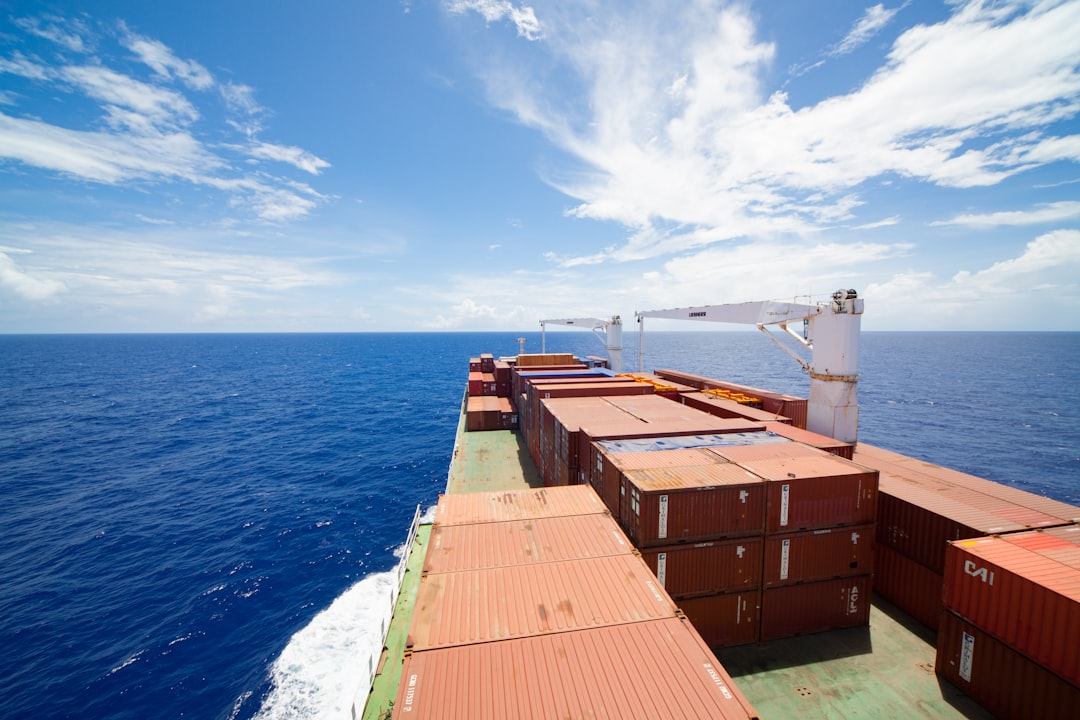
The most frequently cited economic benefit of the Kra Canal is its potential to significantly shorten transit times for vessels traveling between the Indian Ocean and the Pacific Ocean. Imagine, if you will, the Kra Canal as a finely honed scalpel, deftly cutting through the geographical impediment that is the Malay Peninsula. This direct route would allow ships to avoid the additional distance, fuel consumption, and associated operational costs incurred by navigating the lengthy and often congested Strait of Malacca. For container ships, tankers, and bulk carriers, every nautical mile saved translates into reduced fuel costs and faster delivery times, directly impacting profitability and supply chain efficiency.
Impact on Regional Ports and Shipping Hubs
The construction of the Kra Canal would inevitably reshape the landscape of regional maritime logistics. While it could create new opportunities for port development in Thailand, particularly in the vicinity of the canal’s termini, it also poses a significant challenge to existing shipping hubs like Singapore and Malaysia’s Port Klang. These established ports, currently serving as crucial transshipment points, could potentially see a diversion of traffic, impacting their revenue streams and strategic importance. The canal, therefore, acts as a potential tectonic plate shift, creating new land for some while eroding the foundations of others.
Potential for Economic Development in Thailand
Proponents argue that the Kra Canal would be a catalyst for unprecedented economic growth in Thailand. Beyond the direct revenue generated from tolls and port services, the project could spur the development of industrial zones, logistics parks, and associated services along the canal’s route. This infrastructure build-out would create numerous employment opportunities, attract foreign investment, and foster technological advancements within the country. The canal, in this vision, becomes not just a waterway, but an economic artery, pumping lifeblood into the Thai economy.
Engineering and Environmental Challenges
While the economic allure is strong, the engineering and environmental hurdles associated with the Kra Canal are formidable and demand meticulous consideration.
Geological and Hydrological Considerations
The Kra Isthmus presents a complex geological tapestry. Digging a canal of the proposed scale – often envisioned as several kilometers wide and tens of meters deep – would necessitate managing diverse rock formations, soil types, and hydrological conditions. Consider the immense scale of excavation required; it would be like carving a new Grand Canyon, but through active terrain. Engineers would need to contend with potential seismic activity, as the region is not entirely geologically inert, and manage the impact on groundwater levels and existing river systems. The sheer volume of earth to be moved, and its subsequent disposal, represents an engineering feat on par with the Suez or Panama Canals.
Managing Sedimentation and Coastal Erosion
Connecting two distinct marine environments, the Gulf of Thailand and the Andaman Sea, through an artificial channel introduces complex oceanographic challenges. Differences in tidal patterns, currents, and salinity levels could lead to significant sedimentation within the canal, requiring constant dredging and maintenance. Furthermore, the alteration of natural coastal processes could exacerbate erosion in certain areas and impact delicate marine ecosystems. The canal, in a sense, becomes an open wound on the landscape, requiring constant vigilance to prevent its natural defenses from being compromised.
Environmental Impact Assessments and Mitigation Strategies
The environmental footprint of the Kra Canal would be substantial. The project would inevitably necessitate the clearing of vast tracts of land, potentially impacting forests, wetlands, and agricultural areas. The displacement of local communities, destruction of natural habitats, and disruption of biodiversity are significant concerns. Therefore, comprehensive and unbiased environmental impact assessments (EIAs) would be paramount. These assessments must not only identify potential harms but also propose robust mitigation strategies, such as habitat restoration projects, compensatory ecological measures, and stringent anti-pollution protocols, to minimize the long-term ecological damage.
Geopolitical and Strategic Implications
Beyond economics and engineering, the Kra Canal is a deeply geopolitical project, with ripple effects across the Indo-Pacific region.
Shift in Regional Power Dynamics
The construction of the Kra Canal would undoubtedly alter the geopolitical chessboard of Southeast Asia. By providing an alternative to the Strait of Malacca, the canal could reduce the strategic leverage currently held by nations bordering the Strait. This shift could reshape naval strategies, influence alliances, and potentially lead to new security arrangements in the region. The canal, therefore, is not merely a waterway; it is a geopolitical lever, capable of subtly, yet profoundly, adjusting the regional balance of power.
Impact on International Shipping Lanes and Maritime Security
While offering a new transit route, the Kra Canal would also introduce a new chokepoint. The security of the canal itself, from piracy, terrorism, and potential military conflicts, would become a critical international concern. The establishment of dedicated naval forces, international cooperation agreements, and robust surveillance systems would be essential to ensure its safe and uninterrupted operation. The global shipping community, accustomed to the well-established protocols of existing canals, would need to adapt to a new paradigm of maritime security in the region.
Concerns Regarding Sovereignty and Foreign Influence
Given the monumental cost and complexity of the project, significant foreign investment and expertise would likely be required for the Kra Canal’s construction. This raises legitimate concerns within Thailand about potential infringements on national sovereignty and undue foreign influence in the canal’s operation and management. The financing and ownership structures would need to be carefully crafted to safeguard Thailand’s national interests and prevent the canal from becoming a tool for external powers to exert control. The project, in essence, becomes a delicate dance between attracting necessary investment and preserving national autonomy.
The feasibility study for the Kra Canal project has garnered significant attention due to its potential impact on global shipping routes. A related article that delves deeper into the implications of this ambitious initiative can be found at My Geo Quest, where experts discuss the environmental and economic factors that could influence the project’s success. This analysis not only highlights the strategic importance of the canal but also raises questions about the long-term sustainability of such large-scale infrastructure developments.
Financial Feasibility and Funding Models
| Metric | Description | Value | Unit | Remarks |
|---|---|---|---|---|
| Project Length | Total length of the canal | 485 | km | From Lake Victoria to Lamu Port |
| Estimated Water Flow | Average water flow capacity | 100 | m³/s | Designed for irrigation and hydropower |
| Cost Estimate | Projected construction cost | 25,000,000,000 | USD | Subject to detailed engineering design |
| Construction Duration | Estimated time to complete project | 5 | Years | Includes planning and execution phases |
| Environmental Impact Score | Assessment of environmental risks | Moderate | N/A | Mitigation measures recommended |
| Economic Benefit | Projected increase in GDP contribution | 2.5 | % | Over 10 years post-completion |
| Job Creation | Number of jobs generated during construction | 15,000 | Jobs | Includes direct and indirect employment |
| Hydropower Potential | Estimated power generation capacity | 150 | MW | Part of integrated energy plan |
The sheer scale of the Kra Canal project necessitates a deep dive into its financial viability and the mechanisms through which such an endeavor could be funded.
Estimated Construction Costs and Funding Challenges
Estimates for the construction cost of the Kra Canal vary widely, but most figures place it in the tens of billions of US dollars, potentially even exceeding $100 billion. This staggering sum presents a formidable funding challenge. Unlike smaller infrastructure projects, the Kra Canal would require an unprecedented level of capital investment, making traditional government funding models insufficient. Imagine attempting to fill a massive cistern with buckets; while possible, it is remarkably inefficient. The project demands a comprehensive and innovative financial strategy.
Public-Private Partnerships and International Investment
Given the enormous capital requirements, public-private partnerships (PPPs) are frequently envisioned as the most viable funding model. This would involve a collaboration between the Thai government and private consortia, potentially including international investors and construction firms. Examining successful models from other megaprojects, such as the expansion of the Panama Canal or the construction of major infrastructure in China, could offer valuable insights. The involvement of multilateral development banks, such as the World Bank or Asian Development Bank, could also be crucial for providing loans and technical assistance, thereby lending credibility and financial stability to the project.
Long-Term Revenue Projections and Return on Investment
A rigorous assessment of the Kra Canal’s financial feasibility must include detailed long-term revenue projections. These projections would need to account for expected traffic volumes, toll fees, ancillary services, and potential economic benefits generated in the surrounding areas. The return on investment (ROI) calculation would be a complex exercise, considering not only direct financial returns but also the broader economic and strategic value derived by Thailand. The project’s proponents must convincingly demonstrate that the substantial initial outlay will eventually be recouped through a sustainable and profitable operational model, making the canal not merely a costly venture, but a long-term profit-generating asset.
In conclusion, the Kra Canal Project is a multifaceted diamond, dazzling with potential while simultaneously presenting numerous facets that require cautious and thorough examination. Its historical resonance, economic promises, engineering complexities, environmental sensitivities, and profound geopolitical ramifications demand a holistic and unbiased assessment. To move forward, Thailand and its potential partners must embark on an exhaustive series of detailed feasibility studies, engaging a broad spectrum of international experts, and conducting transparent public consultations. Only through such a rigorous and inclusive process can the true viability of this ambitious undertaking be definitively determined, ensuring that any decision regarding the Kra Canal is based on robust evidence and a clear-eyed understanding of its immense implications. The path to constructing such a monumental waterway is not a gentle stroll but a challenging climb, fraught with both exhilarating vistas and treacherous terrain.
WATCH NOW ▶️ SHOCKING: Malacca: The $10 Trillion Lie Revealed
FAQs
What is the KRA Canal Project?
The KRA Canal Project is a proposed infrastructure initiative aimed at constructing a canal to improve water management, transportation, or irrigation in a specific region. The project typically involves detailed planning and feasibility studies to assess its viability.
What is the purpose of a feasibility study for the KRA Canal Project?
A feasibility study evaluates the technical, economic, environmental, and social aspects of the KRA Canal Project. It determines whether the project is practical, cost-effective, and sustainable before proceeding to the construction phase.
What factors are considered in the KRA Canal Project feasibility study?
The study examines factors such as geological conditions, water availability, environmental impact, cost estimates, potential benefits, engineering challenges, and socio-economic effects on local communities.
Who conducts the feasibility study for the KRA Canal Project?
Feasibility studies are typically conducted by a team of experts including civil engineers, environmental scientists, economists, and project planners, often commissioned by government agencies or private developers involved in the project.
How long does the feasibility study for the KRA Canal Project usually take?
The duration of the feasibility study varies depending on the project’s complexity but generally ranges from several months to over a year to ensure comprehensive analysis and accurate recommendations.