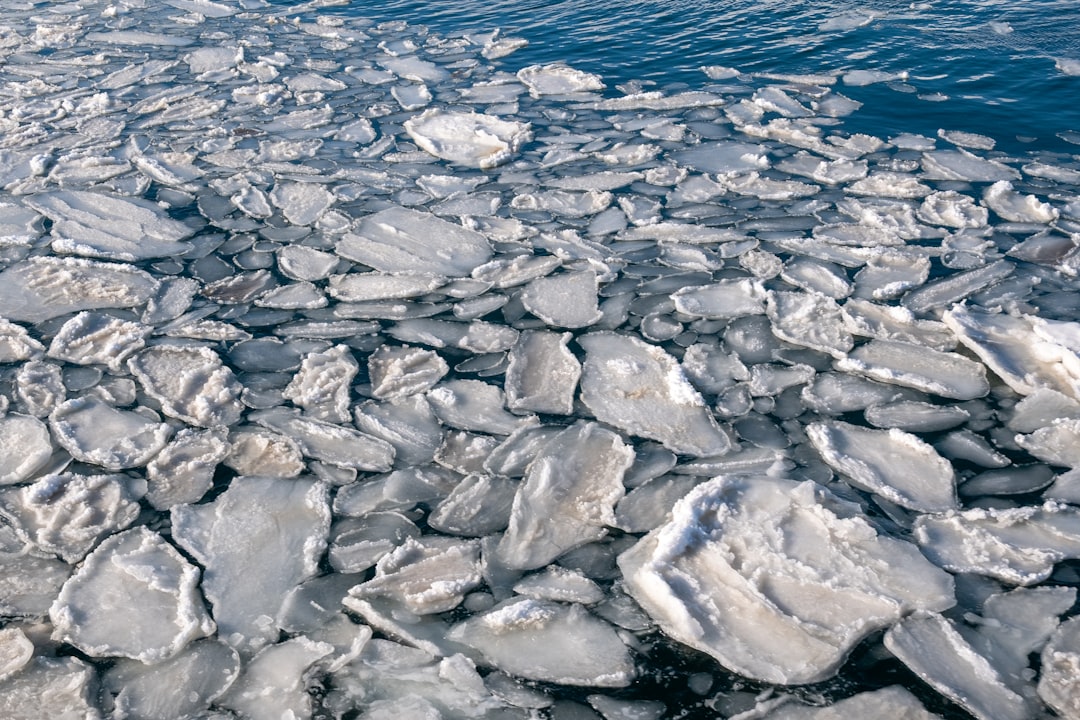
The Arctic region, a vast expanse of ice and snow, is currently at a critical crossroads. For decades, the world has viewed this remote area primarily through a lens of pristine wilderness and a repository of unique biodiversity. However, underneath this frozen facade, significant geological and ecological processes are accelerating, driven by global climate change. As the ice melts, revealing new possibilities for resource extraction and shipping routes, the existing environmental legal frameworks are being stretched to their limits. This article will delve into the concept of “Arctic Stabilization Clauses,” a proposed evolution in environmental law designed to address the unique challenges and inherent vulnerabilities of this rapidly changing region, aiming to transform the delicate balance of the Arctic ecosystem from a precarious tightrope walk into a more robustly engineered structure.
The Arctic is not a monolithic entity. It encompasses vast oceanic areas, extensive coastlines, and terrestrial landscapes across multiple sovereign states. Its climate is characterized by extreme cold, prolonged periods of darkness and light, and a reliance on sea ice and permafrost for ecological stability. These unique features have shaped its biodiversity, where species have evolved specialized adaptations to survive in such unforgiving conditions. However, these same characteristics also render the Arctic exceptionally sensitive to environmental perturbations. The consequences of global warming are amplified at the poles, a phenomenon known as Arctic amplification, leading to rates of warming significantly higher than the global average. This has far-reaching implications for the physical environment, from the melting of glaciers and ice sheets, which contribute to global sea-level rise, to the thawing of permafrost, releasing potent greenhouse gases.
The Arctic as a Sentiel Ecosystem
The Arctic often serves as a barometer for global environmental health. Changes observed in the Arctic can foreshadow or mirror shifts occurring in other parts of the world. For instance, the disruption of sea ice patterns impacts migratory species like polar bears and seals, whose survival is intrinsically linked to its presence. Furthermore, the albedo effect, where ice and snow reflect solar radiation, plays a crucial role in regulating global temperatures. As these reflective surfaces diminish, more solar energy is absorbed, creating a feedback loop that further accelerates warming. Understanding the Arctic’s role as a sentinel ecosystem is paramount when considering any new legal or regulatory approaches. The proposed stabilization clauses are not solely about protecting the Arctic in isolation but also about safeguarding the global systems that the Arctic influences.
The Pace of Change and Conventional Legal Frameworks
Traditional environmental laws, often developed in more temperate or less rapidly changing environments, may struggle to keep pace with the accelerated rate of change in the Arctic. These existing legal instruments, while valuable, may not adequately address the cascading effects of multiple stressors, such as increased industrial activity, shifting marine ecosystems, and the potential for large-scale environmental accidents. The long-term nature of many Arctic ecological processes, combined with the immediate pressure for economic exploitation, creates a complex dynamic that requires forward-thinking legal solutions. The advent of Arctic Stabilization Clauses aims to provide a more agile and robust legal scaffolding to support the region’s environmental resilience.
In recent discussions surrounding Arctic stabilization clauses and environmental laws, a pertinent article can be found on MyGeoQuest, which delves into the implications of these legal frameworks on climate change mitigation efforts. The article highlights how such clauses can play a crucial role in balancing economic development with environmental protection in the fragile Arctic ecosystem. For more insights, you can read the full article here: MyGeoQuest.
Defining Arctic Stabilization Clauses: A Framework for Resilience
Arctic Stabilization Clauses, as a concept, refers to a suite of legally binding provisions and agreements designed to actively promote and maintain the ecological stability of the Arctic region. Unlike conventional environmental legislation, which often focuses on mitigating specific pollutants or regulating particular activities, stabilization clauses would adopt a more holistic and precautionary approach. They would acknowledge the interconnectedness of Arctic ecosystems and the profound impact of climate change, aiming to build in mechanisms that proactively foster resilience rather than merely reacting to degradation. The core idea is to imbue Arctic environmental law with a built-in gyroscope, helping to steady the region’s environmental compass amidst turbulent forces.
The Precautionary Principle as a Cornerstone
A fundamental tenet of Arctic Stabilization Clauses would be the robust application of the precautionary principle. This principle dictates that where there are threats of serious or irreversible damage, lack of full scientific certainty shall not be used as a reason for postponing cost-effective measures to prevent environmental degradation. In the Arctic context, this means erring on the side of caution when considering new industrial activities or infrastructure development. It implies an onus on proponents of such activities to demonstrate a high degree of certainty that their operations will not lead to significant, long-term harm.
Proactive Adaptation Measures
Beyond prevention, stabilization clauses would also embed mechanisms for proactive adaptation. This involves anticipating future environmental changes and developing strategies to help ecosystems and human communities adjust. For example, this could include designated “no-go” zones for certain types of development in permafrost-rich areas vulnerable to thaw, or the establishment of corridors for species migration as habitats shift. These clauses would seek to build a more resilient Arctic by anticipating the river’s changing course and placing strategically placed levees and diversions.
Integration of Scientific Uncertainty
Arctic Stabilization Clauses would recognize and account for the inherent scientific uncertainties associated with predicting long-term ecological responses. Instead of demanding absolute certainty, which is often impossible in complex systems, these clauses would establish adaptive management frameworks. This means that regulations would be designed to be reviewed and adjusted as new scientific information becomes available. This iterative approach allows for continuous learning and refinement of environmental protection strategies, ensuring that the legal framework remains relevant and effective.
Key Components and Mechanisms of Stabilization Clauses
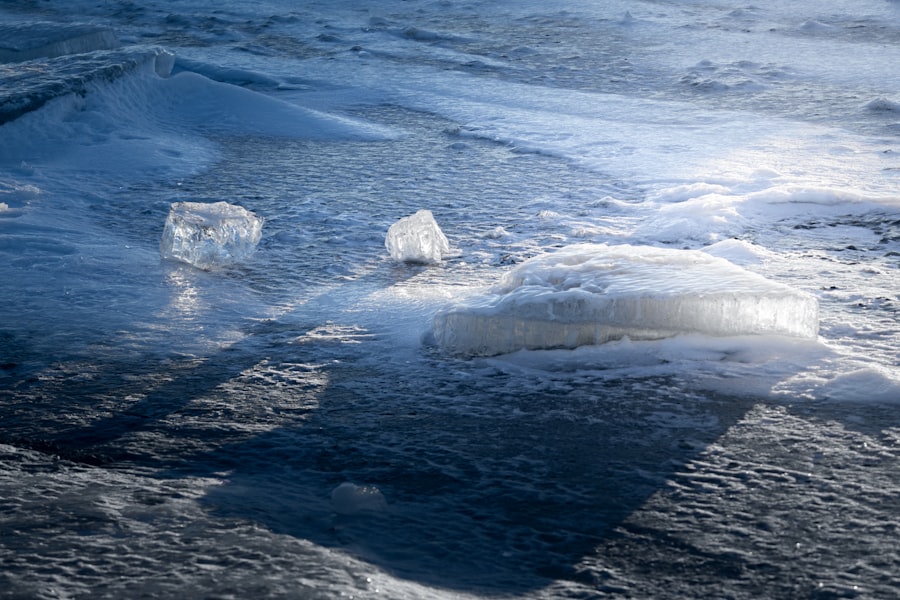
The effective implementation of Arctic Stabilization Clauses would necessitate the development of specific, actionable components. These are not abstract ideals but concrete legal and policy tools designed to steer the Arctic towards a more stable environmental future. Think of these components as the distinct beams and trusses of the stabilization structure, each fulfilling a critical role in supporting the overall integrity.
Enhanced Monitoring and Reporting Regimes
A crucial element would be the establishment of rigorous, standardized, and transparent monitoring and reporting regimes across the Arctic. This would involve state-of-the-art technologies for tracking environmental parameters, such as ice extent, permafrost temperatures, biodiversity indicators, and pollution levels. Data collected would be made publicly accessible in near real-time, fostering scientific collaboration and accountability. Effective monitoring acts as the eyes and ears of the stabilization, constantly scanning for tremors of environmental instability.
Advanced Remote Sensing and Data Integration
The deployment of advanced remote sensing technologies, including satellite imagery, drones, and underwater sensors, would be vital. This data would then be integrated into common platforms, allowing for comprehensive analysis of environmental trends and early detection of anomalies. The development of sophisticated data analytics tools would be essential for interpreting this vast amount of information.
Independent Scientific Advisory Bodies
Established independent scientific advisory bodies, composed of leading Arctic experts from diverse disciplines, would play a critical role in interpreting monitoring data and providing evidence-based recommendations for policy adjustments. These bodies would act as objective arbiters of scientific understanding, helping to inform decision-making without undue political or economic influence.
Strict Liability and Enhanced Enforcement for Environmental Incidents
Stabilization clauses would introduce stringent liability regimes for environmental damage caused by industrial activities. This would likely involve the principle of strict liability, meaning that the polluter is held responsible for the damage regardless of fault. Furthermore, enforcement mechanisms would need to be significantly strengthened, including enhanced inspection capabilities and deterrent penalties for non-compliance. This creates a powerful deterrent, like a robust fence around a sensitive garden, deterring unwelcome intrusions.
The polluter pays principle codified
The “polluter pays” principle, already a cornerstone of environmental law, would be deeply embedded and vigorously enforced. This would ensure that the economic costs of pollution and environmental damage are borne by those who cause them, rather than by the public or future generations. Financial assurance mechanisms, such as bonds and insurance, would be mandated for all high-risk activities.
Strengthened transnational enforcement cooperation
Given the transboundary nature of Arctic ecosystems, enhanced cooperation between Arctic states on enforcement would be essential. This could involve joint surveillance operations, mutual legal assistance in prosecuting environmental offenders, and the harmonization of enforcement standards.
Establishment of Protected and Climate-Resilient Zones
A key component would be the designation of specific Arctic areas as protected zones, where certain types of industrial exploitation would be prohibited or severely restricted. These zones would be strategically chosen to safeguard critical habitats, biodiversity hotspots, and areas of high ecological sensitivity. Furthermore, the concept of “climate-resilient zones” could be introduced, areas identified as being more likely to retain their ecological integrity in the face of climate change, and therefore requiring enhanced protection.
Marine protected areas with adaptive management
The expansion and strengthening of existing marine protected areas (MPAs) and the establishment of new ones, particularly in ecologically significant areas, would be prioritized. These MPAs would be managed adaptively, with management plans regularly reviewed and adjusted based on scientific monitoring and evolving threats.
Terrestrial and permafrost protection areas
Designated terrestrial areas, particularly those with significant permafrost or unique tundra ecosystems, would also be identified and protected from disruptive development. This would involve careful land-use planning and restrictions on activities that could lead to permafrost thaw or habitat fragmentation.
Challenges and Considerations in Implementation

The noble goals of Arctic Stabilization Clauses face a complex web of challenges, ranging from geopolitical realities to economic pressures. Overcoming these hurdles will require skillful navigation and a commitment to the long-term health of the Arctic. These challenges act as formidable winds that any proposed structure must withstand.
Geopolitical complexities and national interests
The Arctic is governed by eight sovereign states, each with its own national interests and priorities. Reaching consensus on legally binding stabilization clauses that might constrain economic development or resource extraction could prove difficult. The differing views on Arctic governance, particularly concerning resource rights and security, present a significant diplomatic hurdle.
Sovereignty and resource rights
The inherent tension between the exercise of national sovereignty over Arctic territories and the need for collective action to address transboundary environmental issues will need to be carefully managed. Any proposed clauses must respect existing international law concerning maritime boundaries and resource rights.
Competition for resources and strategic interests
The increased accessibility of Arctic resources, such as oil, gas, and minerals, coupled with the opening of new shipping routes, has intensified competition among Arctic and non-Arctic states. This competition can create pressure to prioritize economic gains over environmental protection, a dynamic that stabilization clauses would seek to counterbalance.
Economic pressures and the drive for development
The economic incentives for exploring and exploiting Arctic resources are substantial, driven by global demand and the potential for significant financial returns. This economic impetus can create powerful lobbying forces advocating against stringent environmental regulations. Balancing these economic aspirations with the imperative of long-term environmental stability is a central challenge.
The allure of untapped resources
The Arctic holds vast reserves of hydrocarbons and other valuable minerals, which are increasingly sought after in a world grappling with energy security and resource scarcity. These economic drivers can exert significant influence on policy decisions.
Emerging shipping and tourism industries
The opening of the Northern Sea Route and the Northwest Passage offers significant potential for shorter and more efficient shipping. Similarly, Arctic tourism is growing. While these offer economic opportunities, they also introduce new environmental risks, including shipping accidents, pollution, and increased human presence in sensitive areas.
Scientific uncertainties and predictive modeling
As previously mentioned, while the precautionary principle is a cornerstone, translating it into practical, enforceable legal clauses requires robust scientific data and predictive modeling. The complexity of Arctic ecosystems and the rapid pace of change make it challenging to forecast all potential impacts of human activities with absolute certainty. This can create avenues for debate and potential watering down of regulations.
The dynamic nature of Arctic ecosystems
The continuous state of flux in the Arctic, with constantly shifting ice conditions, changing ocean currents, and evolving species distribution, makes it difficult to establish fixed baselines for environmental assessment.
Long-term impacts and tipping points
Predicting the long-term consequences of industrial activities, particularly in relation to permafrost thaw and potential ecosystem tipping points, remains a significant scientific challenge. This uncertainty can be exploited to argue for less stringent regulations.
In recent discussions about Arctic stabilization clauses and their implications for environmental laws, it is essential to consider how these regulations can impact climate change mitigation efforts. A related article explores the complexities of these clauses and their potential effects on both local ecosystems and global environmental policies. For more insights, you can read the article on environmental laws that delve into this critical issue. Understanding these connections is vital for developing effective strategies to protect the Arctic region.
The Path Forward: Towards a Sustainable Arctic Future
| Clause Name | Jurisdiction | Purpose | Key Provisions | Environmental Impact Metrics | Enforcement Agency |
|---|---|---|---|---|---|
| Arctic Environmental Stabilization Clause | International Arctic Council | To maintain environmental standards despite regulatory changes | Freezing current environmental regulations for contract duration | Reduction in pollution incidents by 15% annually | Arctic Council Environmental Working Group |
| Norwegian Arctic Stabilization Clause | Norway | Protect Arctic ecosystems from industrial impact | Mandatory environmental impact assessments and fixed emission limits | Carbon emissions capped at 10,000 tons/year per project | Norwegian Environment Agency |
| Russian Arctic Stabilization Clause | Russia | Ensure long-term environmental compliance in Arctic operations | Stabilization of environmental fees and pollution limits | Water contamination levels maintained below 5 mg/L | Ministry of Natural Resources and Environment |
| Canadian Arctic Environmental Clause | Canada | Preserve biodiversity and indigenous rights in Arctic regions | Fixed environmental standards and community consultation requirements | Wildlife disturbance incidents reduced by 20% | Environment and Climate Change Canada |
The conceptualization of Arctic Stabilization Clauses represents a critical imperative if the region is to navigate the profound changes it is currently undergoing. It is not a question of merely preserving an unchanging landscape, but of actively fostering a system that can adapt and endure. The development and implementation of such clauses will require a concerted, collaborative effort, transcending national boundaries and economic interests. This is an arduous yet essential construction project, demanding meticulous planning and a shared vision for the future.
International Cooperation and Legal Harmonization
Given the international character of the Arctic, the successful implementation of stabilization clauses will depend heavily on enhanced international cooperation. This includes the continued strengthening of existing Arctic governance bodies, such as the Arctic Council, and the negotiation of new legally binding agreements. Harmonizing legal and regulatory frameworks across the eight Arctic states will be crucial for consistent and effective environmental protection.
Strengthening the Arctic Council’s mandate
The Arctic Council, as the primary intergovernmental forum for Arctic cooperation, can play a pivotal role in facilitating dialogue, developing common scientific understanding, and negotiating the specific provisions of stabilization clauses. Its mandate could be expanded to include stronger oversight and enforcement capabilities.
Negotiating new legally binding instruments
Specific treaties or protocols focused on Arctic environmental stabilization may be necessary. These instruments would need to clearly define the scope, objectives, and enforcement mechanisms of the stabilization clauses, ensuring their legal authority and long-term effectiveness.
Engaging Stakeholders and Indigenous Communities
The effective design and implementation of Arctic Stabilization Clauses must involve the active participation of all relevant stakeholders, including governments, industry, scientific communities, and, crucially, indigenous peoples. Indigenous communities possess invaluable traditional knowledge about the Arctic environment, which can significantly enhance the scientific understanding and inform adaptive management strategies. Their rights and perspectives must be at the forefront of any legal development.
Incorporating traditional ecological knowledge (TEK)
Traditional Ecological Knowledge held by Arctic indigenous peoples offers long-term, place-based insights into ecosystem dynamics, species behavior, and the impacts of environmental change. Integrating TEK alongside scientific data will provide a more holistic and robust understanding of the Arctic.
Ensuring the rights and participation of indigenous peoples
Indigenous communities have unique rights and deep connections to the Arctic. Their involvement in decision-making processes related to environmental management and resource development is not only a matter of justice but also essential for the legitimacy and effectiveness of any regulatory framework.
A Long-Term Vision and Investment in Resilience
Ultimately, the adoption of Arctic Stabilization Clauses signifies a fundamental shift in how humanity interacts with this critically important region. It is an investment not just in the Arctic’s future, but in the planet’s. This requires a long-term vision that prioritizes ecological resilience over short-term economic gains and a sustained commitment to scientific research, monitoring, and adaptive management. The goal is to build an Arctic that is not merely surviving, but thriving, a testament to our ability to foster stewardship in the face of profound environmental challenges. The success of Arctic Stabilization Clauses, therefore, will be a direct reflection of humanity’s capacity to act as responsible custodians of this irreplaceable global commons.
FAQs
What are Arctic stabilization clauses in environmental laws?
Arctic stabilization clauses are provisions in environmental laws or agreements designed to maintain or “stabilize” regulatory conditions in the Arctic region. They aim to ensure consistent environmental protection measures despite changing political or economic circumstances.
Why are stabilization clauses important for the Arctic environment?
Stabilization clauses help provide long-term legal certainty and protection for the fragile Arctic ecosystem. They prevent sudden regulatory rollbacks that could harm biodiversity, climate stability, and indigenous communities dependent on the environment.
Which international agreements include Arctic stabilization clauses?
Some Arctic-related agreements, such as those under the Arctic Council or specific bilateral treaties between Arctic nations, may include stabilization clauses. These clauses help maintain agreed-upon environmental standards despite shifts in national policies.
How do stabilization clauses affect resource development in the Arctic?
Stabilization clauses can limit or regulate resource extraction activities like oil drilling or mining by ensuring environmental safeguards remain in place. This helps balance economic interests with the need to protect the Arctic’s sensitive environment.
Can stabilization clauses be modified or removed?
Yes, stabilization clauses can typically be amended or repealed through legal or diplomatic processes. However, doing so often requires consensus among involved parties and may involve environmental impact assessments to justify changes.