The vast, ice-bound waters of the Arctic are increasingly becoming a highway for global commerce. As melting ice opens new shipping routes, the question of which flags these vessels fly, and the implications of those choices, takes on geopolitical and economic significance. The concept of “flags of convenience” (FoC), long a feature of international shipping, is now casting its shadow upon the Arctic, raising critical considerations for environmental protection, safety standards, and regulatory oversight. Understanding what constitutes an Arctic flag of convenience, and the nuances of vessel registry in this burgeoning maritime frontier, is crucial for navigating the complexities of this evolving landscape.
Before delving into the Arctic context, it is essential to define what a flag of convenience entails. It is a practice where a ship is registered in a country other than the country of ownership or operation, often to take advantage of that nation’s less stringent regulations, lower taxes, and cheaper labor costs. For owners, it can be a powerful lever in optimizing their operational expenses, akin to finding a favorable harbor in a turbulent economic sea. For the registering nation, it can be a source of revenue and employment, a way to anchor a piece of the global maritime industry within its borders. However, this flexibility comes with inherent challenges, particularly regarding accountability and oversight.
The Rationale Behind Flag Choice
Shipowners opt for specific registries for a multitude of reasons, all aimed at enhancing profitability and operational efficiency. These motivations are not inherently illicit but are driven by the competitive nature of the global shipping industry.
Economic Incentives
- Lower Taxation: Many flag states offer attractive tax regimes, including corporate tax exemptions or significantly reduced rates for ships registered under their flag. This can translate into substantial savings for shipowners, directly impacting their bottom line.
- Reduced Operating Costs: Countries offering flags of convenience often have lower manning requirements, allowing for the employment of crews from countries with lower wage expectations. This can be a significant cost-saving measure in an industry where labor constitutes a substantial portion of operational expenditure.
- Flexible Labor Laws: Employment contracts and regulations concerning working hours, leave, and welfare for seafarers can be more relaxed under certain flag states, potentially leading to lower labor-related administrative burdens and costs.
Regulatory Advantages
- Lax Safety and Environmental Standards: In some instances, flag states may have less rigorous enforcement of international maritime safety and environmental regulations. This can mean less frequent inspections, fewer penalties for non-compliance, and a more permissive approach to operational practices.
- Simplified Bureaucracy: Navigating the administrative processes of ship registration, certification, and licensing can be significantly streamlined in some jurisdictions, reducing the time and resources required for compliance.
- Anonymity and Secrecy: Certain flag registries can offer a degree of anonymity regarding vessel ownership, which can be attractive to parties seeking to obscure their maritime activities.
The “Open Registry” Concept
The concept of an “open registry” is closely intertwined with flags of convenience. These are countries that actively seek foreign-owned vessels to register under their flag, often on a simplified and cost-effective basis. Their maritime administrations are geared towards facilitating this influx of foreign tonnage.
Characteristics of Open Registries
- Ease of Registration: The process of registering a vessel is typically straightforward and efficient, with minimal requirements regarding the nationality of the owner or the physical presence of the vessel in the registering country.
- International Crews: Open registries generally permit the employment of crews from any nationality.
- Absence of Trade Restrictions: Vessels registered under open registries are usually free to trade globally without undue restrictions imposed by the flag state.
Criticisms and Controversies
Despite the economic advantages, the practice of flags of convenience has been a subject of considerable criticism from various international bodies, labor unions, and environmental organizations. The primary concern revolves around accountability and the potential for substandard practices to go unchecked.
Concerns Raised
- Undermining International Standards: Critics argue that FoCs can create a two-tier system in shipping, where vessels operating under lax regulations may gain an unfair competitive advantage over those adhering to higher standards.
- Labor Exploitation: The drive to reduce costs can, in some cases, lead to the exploitation of seafarers, with poor working conditions, inadequate wages, and limited recourse.
- Environmental Risks: Lax enforcement of environmental regulations can increase the risk of pollution from shipping activities, a concern amplified in ecologically sensitive areas like the Arctic.
- Difficulty in Enforcement: When incidents occur, it can be challenging to assign responsibility and enforce regulations when the vessel’s flag state has limited oversight and may be geographically distant from the incident.
The issue of Arctic flags of convenience vessel registry is intricately linked to the broader discussions surrounding maritime regulations and environmental protection in polar regions. For a deeper understanding of the implications of these practices, you can read a related article that explores the challenges and consequences of such registries in the Arctic context. To learn more, visit this article.
Arctic Waters: A New Frontier for Shipping
The Arctic is undergoing a profound transformation due to climate change. Rising global temperatures have led to significant melting of Arctic sea ice, opening up previously impassable waterways for longer periods. This presents both opportunities and immense challenges for international shipping. The allure of shorter transit times, particularly for routes connecting Asia to Europe, is a powerful economic magnet. However, the Arctic environment is exceptionally fragile and unforgiving, demanding a level of preparedness and responsibility far exceeding that required in more temperate waters.
The Impact of Climate Change on Arctic Shipping
The most visible impact of climate change on Arctic shipping is the reduction in sea ice extent and thickness. This gradual opening of the Arctic Ocean has sparked renewed interest in its potential as a global shipping artery.
Evolving Ice Conditions
- Seasonal Openings: Areas that were once permanently ice-bound are now navigable for several months of the year, allowing for increased maritime traffic.
- Arctic Shipping Routes: The Northern Sea Route (NSR) along the north coast of Russia and the Northwest Passage (NWP) through the Canadian Arctic Archipelago are becoming increasingly viable alternatives to traditional routes like the Suez Canal.
- Unpredictability: Despite the overall trend of ice decline, Arctic weather remains notoriously unpredictable. Sudden ice formation, fog, and severe storms can still pose significant hazards.
The Economic Drivers
The economic incentives for Arctic shipping are largely driven by the potential to reduce transit times and, consequently, fuel costs.
Potential Benefits
- Shorter Distances: Voyages through the Arctic can be significantly shorter than those via established routes, leading to considerable savings in time and fuel consumption.
- Reduced Congestion: Current Arctic routes are far less congested than traditional shipping lanes, potentially offering smoother transit.
- Access to Resources: The Arctic is also rich in natural resources, and improved shipping access could facilitate their exploration and extraction. However, this aspect brings its own set of environmental concerns.
The Environmental Stakes
The Arctic’s environment is unique and exceptionally vulnerable. Its ecosystems are characterized by slow growth rates, specialized species, and a delicate balance that can be easily disrupted.
Arctic Ecosystems
- Fragile Marine Life: The Arctic marine ecosystem supports a variety of species, including whales, seals, polar bears, and numerous fish populations, many of which are highly adapted to the cold and ice-dependent.
- Permafrost and Coastal Erosion: Melting permafrost can lead to coastal erosion, impacting infrastructure and increasing sedimentation in marine environments.
- Limited Search and Rescue Capabilities: The vastness and remoteness of the Arctic, coupled with harsh weather conditions, make search and rescue operations incredibly challenging.
Arctic Vessel Registry: The Flag Question
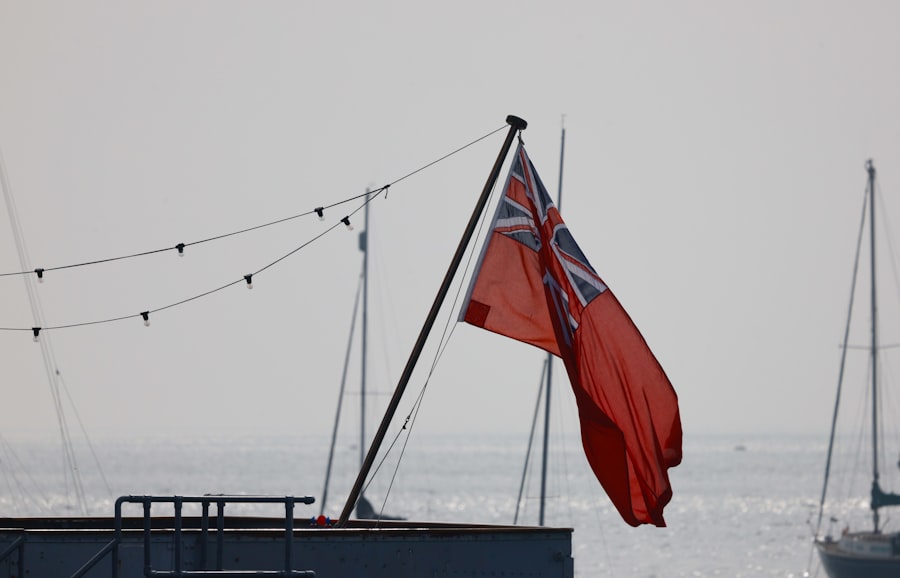
As more vessels venture into Arctic waters, the question of their registry—their “flag”—becomes paramount. While specific registries are designated as “Arctic flags of convenience,” the term generally applies to any registry chosen by a shipowner to operate in the Arctic, irrespective of the shipowner’s domicile, that may fall under the broader definition of convenience. The choice of registry can have significant implications for the operational standards, safety protocols, and environmental safeguards employed by these vessels.
Identifying Potential Flags of Convenience in the Arctic Context
While no single country operates a registry exclusively for Arctic operations, certain nations with open registries and reputations for more permissive regulations are more likely to be chosen by shipowners seeking such advantages for Arctic voyages. The choice often hinges on a pragmatic assessment of benefits versus risks, a calculation that can be further complicated by the specific demands of Arctic navigation.
Factors Influencing Registry Choice
- Reputation of the Flag State: Shipowners will consider the flag state’s track record regarding safety, environmental compliance, and enforcement of international conventions. However, “reputation” can be subjective and influenced by economic pragmatism.
- Ease of Compliance: Vessels may opt for flags where the administrative burden of compliance with regulations, even those pertaining to Arctic operations, is perceived as lower.
- Economic Competitiveness: As with global shipping, the economic advantages of a particular registry—taxation, manning costs, etc.—will be a significant factor.
The Role of the International Maritime Organization (IMO)
The IMO, the United Nations specialized agency with responsibility for the safety and security of shipping and the prevention of pollution by ships, plays a crucial role in setting international standards for maritime activities, including those in the Arctic. However, the effective implementation and enforcement of these standards often depend on the flag state.
IMO Conventions and Arctic Shipping
- The Polar Code: The International Code for Ships Operating in Polar Waters (the Polar Code) is a set of mandatory rules established by the IMO that addresses the design, construction, equipment, manning, training, and operation of ships operating in the Arctic and Antarctic. Compliance with the Polar Code is a cornerstone of safe and environmentally responsible Arctic shipping.
- Flag State Responsibility: Under international maritime law, the flag state bears the primary responsibility for ensuring that ships flying its flag comply with applicable international conventions and regulations.
The Reality on the Water
The reality on the water is that vessels operating in the Arctic will fly the flag of a specific nation. While some of these nations have robust maritime administrations and are committed to high standards, others may have more limited capacity or a less stringent approach to enforcement. This disparity is where the “flag of convenience” concept becomes particularly relevant and concerning in the Arctic context.
Navigating the Regulatory Landscape
The Arctic’s unique environment necessitates a robust and consistently applied regulatory framework. The choice of vessel registry can either bolster or undermine the effectiveness of these regulations, creating a complex interplay between national jurisdictions and international maritime law.
International Regulations and Their Implementation
The international community, through the IMO, has developed specific regulations to address the challenges of Arctic shipping. The effectiveness of these regulations hinges on their faithful implementation and enforcement by the flag states.
Key Regulations for Arctic Shipping
- The Polar Code: As mentioned, this is the most critical regulatory instrument. It covers aspects such as ship structure, stability, fire protection, life-saving appliances, navigation, communications, and environmental protection, with specific provisions tailored to the Arctic environment.
- MARPOL (International Convention for the Prevention of Pollution from Ships): MARPOL Annex I (oil pollution), Annex II (noxious liquid substances), Annex IV (sewage), Annex V (garbage), and Annex VI (air pollution) are all relevant to Arctic shipping. The Polar Code also includes specific prohibitions or restrictions on discharges in Arctic waters.
- SOLAS (International Convention for the Safety of Life at Sea): SOLAS provisions related to navigation safety, ice navigation, communications, and search and rescue are particularly pertinent in the Arctic.
Port State Control and Its Role
While flag state responsibility is primary, Port State Control (PSC) plays a vital role in ensuring that ships in international waters comply with international regulations, regardless of their flag. PSC inspectors can board vessels in port and verify their compliance with various conventions.
PSC in Arctic Waters
- Inspecting Compliance with the Polar Code: PSC authorities can inspect vessels for compliance with the Polar Code during port calls. However, the limited number of Arctic ports and the vastness of the region can restrict the scope and frequency of such inspections.
- Identifying Substandard Ships: PSC operations are crucial for identifying and detaining substandard ships that may pose a risk to safety and the environment, regardless of their flag.
The Challenge of “Shadow Fleets”
The term “shadow fleet” is sometimes used to describe vessels that operate in a way that circumvents regulatory oversight. In the Arctic context, this can translate to vessels registered under less scrupulous flags, making it difficult to ascertain their true operational standards and track their activities. This is a significant concern when considering the potential for environmental incidents.
Characteristics of Shadow Operations
- Obscure Ownership Structures: Vessels might have complex ownership chains designed to obscure ultimate beneficial ownership and thus accountability.
- Lack of Transparency: Limited reporting and transparency regarding movements, cargo, and operational history.
- Avoidance of Scrutiny: Deliberately choosing routes and timings to avoid inspections or stringent regulatory oversight.
The issue of Arctic flags of convenience vessel registry has garnered significant attention in recent years, particularly as shipping routes in the region become more accessible due to climate change. This topic is intricately linked to the broader discussions surrounding maritime regulations and environmental protections. For a deeper understanding of the implications of these practices, you can explore a related article that delves into the complexities of international shipping laws and their impact on Arctic navigation. To read more, visit this insightful piece.
Environmental and Safety Implications
| Registry | Number of Vessels | Flag Type | Common Vessel Types | Registration Fees | Regulatory Oversight | Notable Arctic Operations |
|---|---|---|---|---|---|---|
| Panama | 150+ | Flag of Convenience | Bulk Carriers, Tankers, Container Ships | Low to Moderate | Minimal, Lenient Enforcement | Ice-class bulk carriers in Northern Sea Route |
| Marshall Islands | 80+ | Flag of Convenience | Oil Tankers, Cargo Ships | Moderate | Moderate Oversight | Support vessels for Arctic oil exploration |
| Bahamas | 60+ | Flag of Convenience | Cruise Ships, Cargo Vessels | Moderate | Lenient | Tourist cruises in Arctic waters |
| Belize | 40+ | Flag of Convenience | General Cargo, Fishing Vessels | Low | Minimal | Fishing vessels operating in Arctic zones |
| St. Kitts and Nevis | 30+ | Flag of Convenience | Bulk Carriers, Tankers | Low | Minimal | Ice-strengthened vessels in Arctic shipping lanes |
The unique fragility of the Arctic environment amplifies the risks associated with maritime operations. Substandard vessels or lax operational practices, often associated with the pursuit of flags of convenience, can have devastating consequences in this sensitive region.
Environmental Risks in the Arctic
The Arctic is an ecosphere on the edge, and disruptions can have long-lasting and far-reaching effects. The introduction of pollutants or physical disturbances can damage delicate ecosystems that are slow to recover.
Potential Environmental Hazards
- Oil Spills: The remoteness of the Arctic and the presence of ice make oil spill response incredibly difficult. Even a small spill can have catastrophic consequences for wildlife and marine ecosystems.
- Ballast Water Discharge: Invasive species transported in ballast water can disrupt native Arctic ecosystems, which have evolved in relative isolation.
- Noise and Air Pollution: Increased shipping traffic can lead to elevated levels of underwater noise, disrupting marine mammals, and air pollution, which can contribute to Arctic warming.
- Waste Discharges: Improper disposal of sewage and garbage can pollute Arctic waters, impacting the marine food web.
Safety Challenges for Arctic Voyages
Navigating the Arctic is inherently dangerous. The combination of extreme weather, ice, remote locations, and limited infrastructure creates a challenging operational environment.
Specific Safety Concerns
- Ice Hazards: The presence of ice, whether static or pack ice, poses a constant threat of hull damage, grounding, and becoming trapped.
- Extreme Weather Conditions: Arctic weather can change rapidly, with severe storms, high winds, and extreme cold impacting visibility, maneuverability, and the safety of the crew.
- Limited Search and Rescue (SAR) Capabilities: The vast distances and harsh conditions mean that SAR resources are scarce and response times can be prolonged, significantly increasing the risk to life in the event of an emergency.
- Navigation Challenges: Navigating in Arctic waters can be complex, with potential for uncharted hazards, limitations in electronic navigation systems in certain areas, and the need for specialized ice navigation skills.
The Role of Responsible Shipping Practices
Mitigating these risks requires a commitment to responsible shipping practices that go beyond mere compliance with minimum standards. This includes investing in proper vessel maintenance, employing experienced and well-trained crews, and adopting proactive risk management strategies.
Best Practices for Arctic Operations
- Vessel Suitability: Ensuring vessels are specifically designed or adapted for Arctic conditions, with adequate ice reinforcement and specialized equipment.
- Crew Training and Experience: Employing crews with extensive experience in ice navigation and Arctic conditions, with specialized training in emergency response.
- Advanced Navigation and Communication Systems: Utilizing state-of-the-art navigation and communication technologies to enhance situational awareness and facilitate communication.
- Contingency Planning and Emergency Preparedness: Developing comprehensive contingency plans for potential emergencies, including oil spills, medical evacuations, and search and rescue.
The Future of Arctic Flags of Convenience
The ongoing transformation of the Arctic maritime landscape compels a re-evaluation of how flags of convenience operate within this critical region. As the volume of shipping increases, so too does the potential for incidents, underscoring the urgent need for enhanced oversight and accountability.
Evolving Trends and Potential Developments
The international community is increasingly aware of the unique challenges and responsibilities associated with Arctic shipping. This awareness is driving discussions and potential policy shifts aimed at ensuring greater accountability.
Emerging Patterns
- Increased Scrutiny of Flag States: As the Arctic becomes a more prominent shipping route, flag states that have historically offered more lenient regulations may face greater international pressure to align their standards with the unique demands of the region.
- The Influence of Environmental Activism: Environmental organizations are likely to continue to advocate for stricter regulations and greater transparency in Arctic shipping, potentially influencing flag state choices and regulatory frameworks.
- Technological Advancements: Improved tracking and monitoring technologies could make it more difficult for vessels to operate opaquely, potentially diminishing the appeal of registries that offer excessive privacy.
International Cooperation and Regional Agreements
Given the transboundary nature of Arctic shipping, international cooperation and the development of regional agreements will be crucial in establishing and enforcing robust standards. The Arctic Council, an intergovernmental forum promoting cooperation, dialogue and coordination among the Arctic states, their Indigenous peoples and other inhabitants of the Arctic region, plays a significant role in this regard.
Collaborative Efforts
- Strengthening the Polar Code: Ongoing review and potential updates to the Polar Code to address emerging risks and technological advancements.
- Information Sharing and Data Transparency: Encouraging greater transparency in vessel movements, ownership, and operational data to facilitate better oversight.
- Joint Exercises and Capacity Building: Collaborative efforts in search and rescue training and spill response exercises to enhance regional capabilities.
The Debate over Arctic-Specific Registries
While the concept of mandatory Arctic-specific registries has been discussed, it remains a complex proposition with significant political and economic considerations. Such registries would aim to consolidate the highest standards of safety and environmental protection under a dedicated framework.
Considerations for Dedicated Arctic Registries
- Establishment of Stringent Standards: A primary goal would be to ensure that all vessels operating in Arctic waters meet a uniform, high level of safety and environmental protection.
- Implementation and Enforcement Mechanisms: Robust mechanisms for monitoring, inspection, and enforcement would be essential for the success of such a registry.
- Economic Viability and International Acceptance: The economic implications for shipowners and the challenge of gaining broad international acceptance would need to be carefully considered.
The Arctic, a delicate frontier under rapid transformation, demands a vigilant approach to maritime governance. The issue of vessel registry, particularly with the backdrop of flags of convenience, is not merely a technical detail but a critical determinant of the safety and environmental integrity of this vital global region. As the ice recedes, the flags flown by the vessels that traverse these waters will continue to be a focal point of international attention, reflecting the commitment to a responsible and sustainable future for Arctic navigation.
FAQs
What is a flag of convenience in the context of Arctic vessel registry?
A flag of convenience refers to the practice of registering a ship in a country different from that of the ship’s owners, often to benefit from more favorable regulations, lower fees, or less stringent enforcement. In the Arctic context, this can affect how vessels are regulated in terms of safety, environmental standards, and crew requirements.
Why do ship owners choose Arctic flags of convenience for vessel registration?
Ship owners may choose Arctic flags of convenience to take advantage of lenient regulatory frameworks, reduced operational costs, and simplified administrative procedures. This can be particularly appealing for vessels operating in the challenging Arctic environment where compliance with strict regulations can be costly.
What are some common countries offering Arctic flags of convenience?
Countries that offer flags of convenience for vessels operating in Arctic waters often include those with Arctic coastlines or those with registries open to international vessels. Examples may include Russia, the Marshall Islands, and other nations with open registries that allow foreign-owned ships to register under their flag.
How does registering under an Arctic flag of convenience impact maritime safety and environmental protection?
Registering under an Arctic flag of convenience can sometimes lead to less stringent enforcement of safety and environmental regulations, potentially increasing risks in the fragile Arctic ecosystem. However, some registries have adopted stricter standards to address these concerns, balancing economic benefits with environmental responsibility.
Are there international regulations governing Arctic vessel registries and flags of convenience?
Yes, international maritime laws and conventions, such as those established by the International Maritime Organization (IMO), set standards for vessel safety, pollution prevention, and crew welfare. These regulations apply regardless of the vessel’s flag, but enforcement can vary depending on the flag state’s commitment and capacity to regulate its registered vessels.