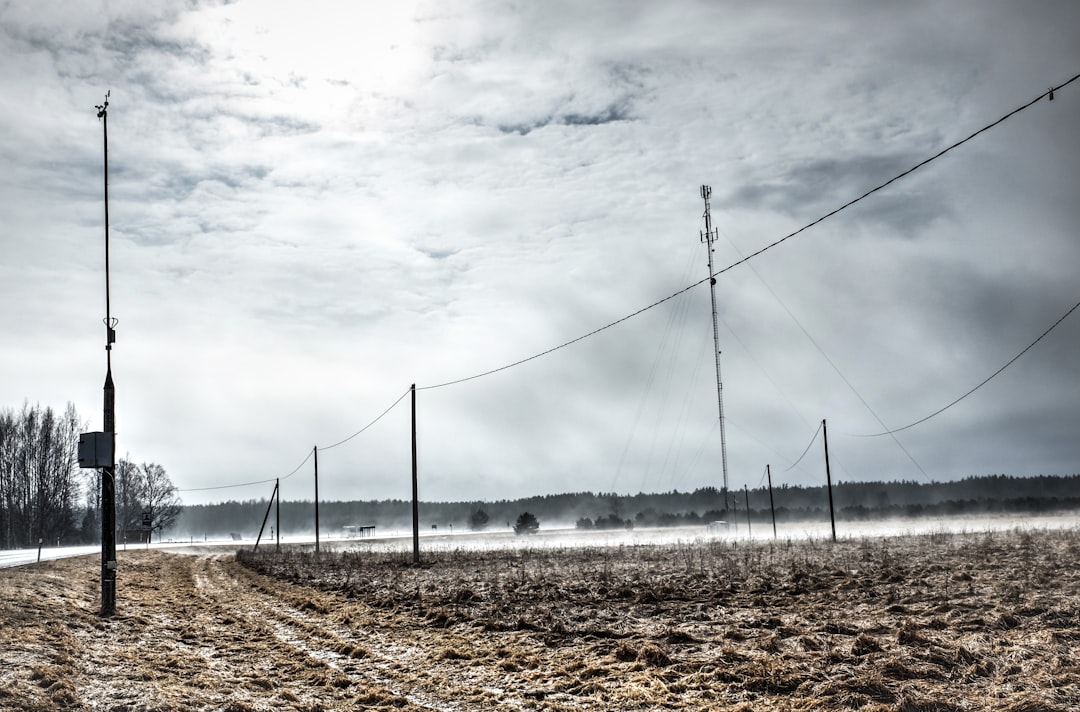
The frigid expanse of the Arctic, long a frontier of exploration and resource extraction, is undergoing a different kind of transformation – an invisible one, etched by the silent hum of fiber optic cables. At the forefront of this technological surge lies Nuuk, the capital of Greenland, a city poised to become a critical nexus for global digital connectivity. The establishment of Arctic fiber optic cable landing stations in Nuuk signifies a monumental shift, unlocking new pathways for data transmission and reshaping geopolitical and economic landscapes.
The Arctic, once a remote and largely disconnected region, is now increasingly integrated into the global digital nervous system. The development of subsea fiber optic cables across the Arctic Ocean is not merely an infrastructure project; it’s a paradigm shift that connects previously underserved regions and offers alternative routes for vital data flows. Nuuk, with its strategic location, has emerged as a pivotal point in this ambitious endeavor. The presence of these landing stations represents the culmination of years of planning and investment, transforming a city known for its ice and isolation into a gateway for the 21st-century information age.
Unveiling the Arctic Fiber Optic Initiative
The initiative to lay fiber optic cables across the Arctic is driven by a confluence of factors, including the growing demand for bandwidth, the desire for more resilient global networks, and the strategic importance of diverse data routes. As the digital world expands its reach, the traditional overland and equatorial subsea cable routes are becoming increasingly congested. The Arctic offers a potential solution, providing shorter, faster, and more secure pathways for data to traverse between continents. This vision, once a distant dream, is now materializing in the form of sophisticated landing stations, each a silent sentinel guarding the flow of information.
The Strategic Imperative of Nuuk
Nuuk’s selection as a landing point for these cutting-edge cables is no accident. Its geographical position on the southwestern coast of Greenland places it along a natural corridor for trans-Arctic routes. The city’s relatively ice-free harbor, compared to other Arctic locations, further enhances its suitability. The establishment of these stations is a testament to strategic foresight, recognizing Nuuk’s potential to become a hub for digital trade and communication, much like historical port cities became centers of maritime commerce.
The development of Arctic fiber optic cable landing stations, such as the one in Nuuk, is crucial for enhancing global connectivity and internet access in remote regions. For more insights on this topic, you can read a related article that discusses the implications of these advancements on communication infrastructure in the Arctic. Check it out here: My GeoQuest.
Navigating the Technological Landscape
The engineering and deployment of subsea fiber optic cables in the Arctic present a unique set of challenges. The extreme temperatures, immense pressures, and the dynamic nature of the Arctic seabed require specialized equipment, robust materials, and meticulous planning. The landing stations themselves are intricate facilities, designed to protect delicate fiber optic infrastructure from the harsh environment and ensure the integrity of the data they carry.
The Anatomy of a Fiber Optic Landing Station
A fiber optic landing station is more than just a building; it is a sophisticated technological ecosystem. It houses the equipment necessary to receive the signals from the subsea cable, amplify and regenerate them, and then transmit them onto terrestrial networks. This involves a complex interplay of optoelectronic devices, power supply systems, and network interface hardware. The design must account for scalability, allowing for future expansion as data demands increase. Within Nuuk’s stations, these technological marvels are housed in structures built to withstand the Arctic climate, providing a secure and stable environment for critical digital infrastructure.
Splicing and Termination: The Delicate Art
The initial connection of the subsea cable to the terrestrial network is a process of extreme precision – splicing. This involves meticulously joining the delicate glass fibers of the cable to the land-based infrastructure. Any disruption or impurity at this stage can lead to significant signal degradation or complete connectivity failure. The technicians performing these tasks are akin to surgeons, their steady hands and keen eyes ensuring the seamless flow of light carrying vast amounts of data.
Signal Amplification and Regeneration: Maintaining the Flow
As light signals travel through hundreds or thousands of kilometers of fiber optic cable, they naturally attenuate, losing strength. To compensate for this, landing stations are equipped with optical amplifiers and regenerators. These devices boost the signal, ensuring that data remains intact and is transmitted at optimal speeds across long distances. Without these components, the data would fade like a whisper carried on the wind, losing its clarity and strength over its journey.
Powering the Digital Arteries: Ensuring Uninterrupted Service
The continuous operation of a fiber optic landing station is paramount. A stable and reliable power supply is crucial. This often involves a combination of grid power, backup generators, and in some cases, renewable energy sources, aiming to create a resilient power infrastructure. The stakes are high; a power outage can disrupt global communications, highlighting the importance of robust power management systems within these facilities.
The Material Science of Arctic Cables
The cables themselves are marvels of engineering. They are not simply strands of glass. Instead, they are robust structures designed to withstand the immense pressures of the ocean depths and the abrasive nature of the seafloor. Multiple layers of protection, including steel armoring, gel filling, and polyethylene jackets, shield the delicate optical fibers from physical damage, thermal fluctuations, and chemical corrosion. The choice of materials is a critical factor in ensuring the longevity and reliability of these subsea lifelines.
The Steel Guardian: Armor for the Depths
A prominent feature of Arctic cables is their substantial steel armoring. This layer acts as a primary defense against external forces, such as anchors from ships, ice scour, and the movement of the seabed. The thickness and strength of this armor are meticulously calculated, providing a robust shield that allows the cables to endure the harsh realities of their subsea environment.
The Gel Embrace: Protection from Moisture and Pressure
Beneath the armor, a water-blocking gel is often employed. This viscous substance serves a dual purpose: it prevents water ingress, which can be detrimental to the optical fibers, and it helps to distribute pressure evenly along the cable, mitigating the effects of deep-sea hydrostatic forces.
The Polyethylene Cloak: The Outer Shell of Resilience
The outermost layer is typically a durable polyethylene jacket. This material provides insulation, protects against abrasion, and offers resistance to the corrosive elements found in seawater. Its smooth surface also aids in the cable-laying process, reducing friction as it is deployed across the ocean floor.
Economic and Geopolitical Implications
The establishment of fiber optic cable landing stations in Nuuk carries significant economic and geopolitical ramifications, extending far beyond the immediate benefits of improved internet connectivity. These developments can reshape trade patterns, foster new economic opportunities, and influence the strategic positioning of nations in the digital age.
A New Hub for Data Commerce
Nuuk’s landing stations are poised to transform the city into a vital hub for data commerce. Businesses and telecommunication providers can leverage these new pathways for faster and more efficient data transfer, potentially leading to increased investment and job creation in Greenland. The ability to move data quickly and reliably is becoming as crucial as the movement of goods in the global economy.
Bridging the Digital Divide
For many remote Arctic communities, access to reliable and high-speed internet has been a significant challenge. The infrastructure established in Nuuk can serve as a critical gateway for extending these digital services to other parts of Greenland and potentially to other Arctic regions. This helps to bridge the digital divide, ensuring that more people can participate in the online economy and access educational and informational resources.
Fostering Innovation and E-commerce
The availability of robust digital infrastructure can act as a catalyst for innovation and the growth of e-commerce in Greenland. Local businesses will have better access to global markets, and new digital services can emerge, catering to both local and international demand.
Shifting Geopolitical Dynamics
The Arctic has long been a region of geopolitical interest, and the fiber optic cable infrastructure further amplifies this. These cables represent vital arteries of global communication, and their strategic importance cannot be overstated. Control over and access to these pathways can influence national security and economic competitiveness.
Diversifying Global Connectivity
The addition of Arctic routes provides crucial diversification for global data transmission. Reliance on a limited number of subsea cable routes can create vulnerabilities. Arctic cables offer an alternative, making global networks more resilient to disruption, whether from natural events or deliberate interference. This is akin to having multiple routes to your destination; if one is blocked, you can reroute, ensuring continuity.
The Arctic as a Digital Crossroads
Nuuk’s role as a landing station positions Greenland at a digital crossroads, connecting major continents and influencing the flow of information. This elevated status brings with it both opportunities and responsibilities, requiring careful management of infrastructure and data flows.
Challenges and Future Outlook
While the establishment of fiber optic cable landing stations in Nuuk represents a significant advancement, several challenges remain. Addressing these will be crucial for realizing the full potential of this new digital frontier.
Environmental Considerations: A Delicate Balance
The Arctic environment is fragile, and the construction and operation of subsea infrastructure must be undertaken with utmost care. Minimizing the environmental impact during cable laying and ensuring the long-term sustainability of the landing stations are paramount. This involves rigorous environmental impact assessments and the adoption of best practices for marine protection.
Seabed Integrity: Preserving the Marine Ecosystem
The deployment of cables on the seabed requires careful consideration of marine habitats. Efforts are made to route cables in ways that minimize disturbance to sensitive ecosystems, such as coral reefs or benthic communities. The long-term impact of cable presence on marine life is an ongoing area of study and concern.
Ice Scour and Permafrost: Unique Arctic Challenges
The dynamic nature of the Arctic includes challenges like ice scour, where moving ice can damage subsea infrastructure, and permafrost, which can affect the stability of land-based facilities. Advanced engineering solutions and monitoring systems are employed to mitigate these risks.
Security and Resilience: Guarding the Digital Lifelines
Ensuring the security and resilience of these critical data pathways is a continuous effort. Cybersecurity measures must be robust, protecting against potential attacks. Furthermore, physical security of the landing stations is vital to prevent unauthorized access or damage, safeguarding the continuous flow of data.
Cybersecurity Vigilance: Protecting Against Digital Threats
As the volume of data flowing through these cables increases, so does the potential for cyber threats. Advanced encryption, intrusion detection systems, and regular security audits are essential to protect the integrity and confidentiality of the transmitted information.
Physical Security of Infrastructure: The First Line of Defense
The landing stations themselves are nodes of critical infrastructure. Robust physical security measures, including access controls, surveillance, and protective barriers, are implemented to safeguard against physical tampering or damage.
The Future of Arctic Connectivity
The landing stations in Nuuk are not an endpoint but a beginning. As technology evolves and data demands continue to grow, the Arctic is likely to see further expansion of subsea fiber optic networks. This evolution promises to bring even greater connectivity, foster new economic opportunities, and solidify the Arctic’s role in the global digital landscape. The ongoing development signifies a commitment to integrating this remote region more deeply into the interconnected world, unlocking its potential as a vital node in the global information superhighway.
Expanding Network Reach: More Cables, More Connections
Future plans may involve additional cable routes originating or terminating in Nuuk, further enhancing its connectivity and solidifying its position as a key digital gateway. This could involve cables connecting to other parts of Greenland, North America, Europe, and Asia, creating a more intricate web of digital pathways.
The Evolving Role of Greenland: From Isolation to Integration
The establishment of these stations marks a significant shift for Greenland, transitioning from a position of relative isolation to one of crucial integration within global digital infrastructure. This transformation offers opportunities for economic diversification and strengthens the nation’s geopolitical relevance in the digital age.
The development of Arctic fiber optic cable landing stations in Nuuk is a significant step towards enhancing connectivity in the region. This initiative not only promises to improve internet access for local communities but also opens up new opportunities for businesses and research in the Arctic. For a deeper understanding of the implications and benefits of such infrastructure, you can read a related article that explores these themes in detail. To learn more, visit this article.
Conclusion: Nuuk’s Digital Anchorage
| Landing Station | Location | Coordinates | Capacity (Tbps) | Operator | Year Established | Connected Networks |
|---|---|---|---|---|---|---|
| Nuuk Landing Station | Nuuk, Greenland | 64.1814° N, 51.7216° W | 40 | Arctic Fiber | 2023 | Arctic Fiber, Greenland Connect |
Nuuk’s transformation into a strategic location for Arctic fiber optic cable landing stations is a testament to human ingenuity and a forward-looking vision. These silent conduits are not just cables; they are digital lifelines, weaving a new tapestry of connection across a historically remote and challenging region. The implications of this development are far-reaching, promising to reshape economies, alter geopolitical dynamics, and fundamentally connect the Arctic to the rest of the world in ways previously unimaginable. As the digital currents flow through these newly established arteries, Nuuk stands as a testament to the power of infrastructure to bridge distances and unlock potential, anchoring the Arctic firmly in the global digital age.
FAQs
What is the Arctic fiber optic cable landing station in Nuuk?
The Arctic fiber optic cable landing station in Nuuk is a facility where undersea fiber optic cables connecting the Arctic region to global networks come ashore. It serves as a critical hub for data transmission, enabling high-speed internet and communication services in Greenland and surrounding areas.
Why is Nuuk chosen as a landing point for the Arctic fiber optic cable?
Nuuk, the capital of Greenland, is strategically located along the Arctic route, making it an ideal landing point for fiber optic cables. Its geographic position allows for efficient connectivity between North America, Europe, and the Arctic region, enhancing communication infrastructure in the area.
What are the benefits of the Arctic fiber optic cable landing station for Greenland?
The landing station improves internet speed, reliability, and capacity in Greenland, supporting economic development, education, healthcare, and government services. It also facilitates better communication with the rest of the world and supports scientific research in the Arctic.
How does the Arctic fiber optic cable impact global communications?
The cable provides a new, shorter route for data transmission between continents, reducing latency and increasing bandwidth. This enhances global internet connectivity, supports international business, and contributes to the resilience of global communication networks.
What measures are taken to protect the Arctic fiber optic cable landing station in Nuuk?
The landing station is equipped with security systems to prevent unauthorized access and physical damage. Additionally, the cables are buried or protected underwater to minimize risks from environmental factors, fishing activities, and shipping traffic, ensuring continuous and reliable operation.