The following article aims to provide a factual overview of contractor housing solutions in the context of Arctic emergency response.
The Arctic region, characterized by its extreme temperatures, remote locations, and harsh environmental conditions, presents a formidable landscape for any form of sustained human activity, let alone critical emergency response operations. The logistical complexities are immense, and the planning for such scenarios must be exceptionally robust. When emergencies strike – whether natural disasters like unprecedented ice melt leading to coastal erosion, or industrial accidents involving oil spills or infrastructure failures – the ability to deploy and sustain personnel swiftly and effectively is paramount. This is where the need for specialized contractor housing solutions becomes a critical, often overlooked, component of Arctic emergency preparedness.
The Unforgiving Environment: More Than Just Cold
The Arctic environment is not merely about cold. It encompasses a dynamic and often hostile set of factors that directly impact the feasibility and success of emergency response efforts.
Extreme Temperatures and Their Impact on Infrastructure
Temperatures can plummet well below -40°C (-40°F) for extended periods. This imposes significant stress on all forms of materials, from steel to plastics, increasing brittleness and the risk of failure. Insulation becomes not just a matter of comfort but of survival, requiring advanced thermal engineering to prevent heat loss and maintain habitable conditions. Power generation and distribution systems must be designed to withstand these extremes, with backup systems being essential due to the unreliability of operations in such conditions. The very air can feel like a million tiny needles, a constant, biting reminder of nature’s raw power.
Permafrost: A Shifting Foundation
A significant portion of the Arctic landmass is underlain by permafrost, ground that has remained frozen for at least two consecutive years. While seemingly a stable foundation, permafrost is highly susceptible to thawing due to rising global temperatures and human activity. The thawing of permafrost can lead to severe ground subsidence, causing existing structures to become unstable or collapse. Any temporary or permanent housing solution must account for this dynamic and unpredictable sub-surface. Building on permafrost is akin to constructing on a giant, frozen sponge that is slowly, irrevocably, dissolving.
Remoteness and Accessibility Issues
Many Arctic emergency response sites are located far from established population centers, making rapid deployment of personnel and resources a significant challenge. Transportation infrastructure is often limited to seasonal ice roads or infrequent air or sea access. This necessitates self-sufficiency for any deployed team, including their housing, food, water, and power. The tyranny of distance in the Arctic is not an exaggeration; it dictates every aspect of operational planning.
The Role of Contractors in Arctic Emergencies
Contractors are often the first and most vital contingent in any extended Arctic operation, including emergency response. Their specialized skills and equipment are essential for addressing the unique challenges of the region.
Specialized Expertise and Skills
From ice-strengthening vessel operators and remote site logistics managers to specialized environmental cleanup crews and highly trained medical personnel, contractors bring a diverse range of expertise crucial for Arctic emergencies. These are often individuals with extensive experience operating in austere environments.
The Need for Rapid Deployment and Sustained Operations
In an emergency, time is a critical factor. Contractors are mobilized to provide immediate response and then sustain operations for the duration of the crisis, which can be weeks or months. This requires not only their professional skills but also the infrastructure to support them.
Minimizing Impact on Local Communities
By utilizing contractor teams, the burden on small, often vulnerable, Arctic communities is reduced. These communities may not have the capacity or resources to handle large-scale emergencies, making external contractor support indispensable.
In recent discussions surrounding Arctic emergency response, the need for specialized contractor housing has become increasingly critical. A related article that delves into the challenges and solutions for providing adequate accommodations in these harsh environments can be found at My Geo Quest. This resource highlights innovative approaches to designing and constructing dorms that can withstand extreme weather conditions while ensuring the safety and comfort of personnel involved in emergency response efforts.
Contractor Housing: A Critical Enabler for Arctic Emergency Response
The provision of suitable housing for contractors is not a mere amenity; it is a foundational element that directly impacts the operational effectiveness, safety, and well-being of emergency response teams in the Arctic. Without adequate shelter, the ability to deploy, operate, and recover from emergencies is severely compromised.
Defining “Adequate” in the Arctic Context
What constitutes adequate housing in the Arctic is a far cry from standard accommodations. It is a multifaceted requirement that addresses extreme environmental challenges and operational demands. The solutions must be robust, adaptable, and meticulously engineered.
Beyond Basic Shelter: Addressing the Elements
Adequate housing in the Arctic must provide a sanctuary from the relentless cold, high winds, and potential for extreme weather events. This means structures that are heavily insulated, wind-resistant, and capable of withstanding significant snow loads. They are not just buildings; they are highly engineered fortresses against the elements. Ice, wind, and snow are not merely adversities; they are active participants in the Arctic theatre of operations, and the housing must be designed to repel their advances.
Supporting Operational Readiness and Morale
The well-being of the personnel is directly linked to their housing. Comfortable, warm, and well-equipped living spaces are essential for maintaining morale, preventing fatigue, and ensuring that contractors are ready to respond when called upon. A poorly managed living situation can be a silent saboteur of an otherwise well-planned operation.
Ensuring Safety and Security
Arctic environments can present unique safety hazards, and contractor housing must be designed with these in mind. This includes fire safety, emergency egress, and security against potential environmental or other unforeseen threats. The living space must be a place of refuge, not an additional source of risk.
The Diverse Spectrum of Contractor Housing Solutions
The Arctic emergency response landscape requires a variety of housing solutions, tailored to the specific needs of the deployment, duration, and location. No single solution fits all scenarios, and flexibility is key.
Modular and Prefabricated Structures
These are often the backbone of temporary or semi-permanent Arctic housing. Prefabricated units can be manufactured off-site in controlled conditions and then transported to the Arctic for assembly.
Advantages of Modularity
- Speed of Deployment: Modules can be manufactured concurrently, saving significant time on-site.
- Quality Control: Factory production allows for stringent quality control, crucial for high-performance Arctic structures.
- Adaptability: Modules can be configured in various layouts and expanded or reconfigured as needed.
- Reduced On-Site Disruption: Minimizes the need for extensive on-site construction, which is particularly challenging in the Arctic.
Considerations for Arctic Deployment
- Transportation Logistics: Moving large modules across vast distances and challenging terrain requires specialized heavy lift capabilities.
- Assembly in Extreme Conditions: Even assembly needs to be planned for extreme weather, potentially requiring heated tent environments.
- Foundation Challenges: Ensuring a stable foundation on permafrost for modular structures is critical and often requires specialized engineering solutions like elevated platforms or thermosyphons.
Inflatable Structures and Temporary Shelters
For very short-term deployments or as supplementary facilities, inflatable structures and robust temporary shelters can be viable options.
Applications and Limitations
- Rapid Deployment: Can be erected much faster than traditional structures.
- Cost-Effectiveness: Generally less expensive than permanent modular solutions.
- Limited Durability: May not withstand the sustained rigors of prolonged Arctic winters or extreme weather.
- Insulation Challenges: Often require supplementary insulation measures to achieve habitable temperatures. These are like the emergency flares of housing – brilliant when you need them, but not a reliable lighthouse.
Re-purposed or Modified Existing Structures
In some cases, existing infrastructure in or near an operational area might be adapted for contractor housing.
Viability and Challenges
- Leveraging Existing Assets: Can reduce the need for new construction.
- Potential for Inadequacy: Existing structures may not be adequately insulated or designed for Arctic conditions, requiring significant modification.
- Location Constraints: Proximity to the emergency response site may be limited, increasing travel times.
Field Camps and Expeditional Housing
For highly mobile or expeditionary response efforts, specialized field camps and expeditionary housing units are employed.
Characteristics of Field Camps
- Self-Sufficiency: Designed to be autonomous, with integrated power generation, heating, and waste management.
- Mobility: Often designed for relatively easy relocation as operations shift.
- Robustness: Engineered to withstand Arctic conditions for extended periods.
Designing for Resilience: Key Considerations in Arctic Contractor Housing

The design and construction of contractor housing in the Arctic are highly specialized fields. A cavalier approach is a recipe for disaster. Every element, from the foundation to the ventilation system, must be meticulously planned and executed.
Foundation Systems: Battling the Permafrost
The foundation of any Arctic structure is as critical as the foundation of any operation. In the permafrost landscape, this is a complex engineering challenge.
Elevated Structures and Thermal Stability
Elevated foundations, often supported by robust pilings or insulated pads, are common. These create a ventilated air gap between the ground and the structure, helping to maintain the thermal stability of the permafrost and prevent thawing.
Thermosyphons and Active Cooling Systems
In some cases, active cooling systems, such as thermosyphons, are employed. These passive devices use the natural temperature difference between the ground and the ambient air to extract heat from the ground, thus keeping the permafrost frozen. This is akin to giving the permafrost a constant, icy drink to keep it from melting.
Insulated Pads and Advanced Ground Improvement Techniques
Specialized insulated pads and other ground improvement techniques can be used to distribute loads and mitigate the effects of permafrost thaw.
Insulation and Building Envelope: A Fortress Against the Cold
The building envelope is the first line of defense against the Arctic’s extreme temperatures.
High-Performance Insulation Materials
Advanced insulation materials with very low thermal conductivity are essential. These are not your average attic insulation; they are engineered to perform under immense thermal gradients. The walls, roofs, and floors must be a continuous blanket of protection.
Air Sealing and Vapor Barriers
Meticulous attention to air sealing and the installation of effective vapor barriers are crucial to prevent infiltration of cold air and the migration of moisture, which can lead to condensation and ice formation within the building structure. Even a tiny crack can be an open invitation for the Arctic wind to invade.
Triple-Pane Windows and Heated Window Systems
Windows are often a weak point in thermal performance. Triple-pane, low-emissivity windows are standard, and in some critical areas, heated window systems may be employed to prevent frost buildup.
Heating, Ventilation, and Air Conditioning (HVAC) Systems
Effective HVAC systems are vital for maintaining habitable temperatures and ensuring air quality.
Redundancy and Reliability
Given the impossibility of easy repairs and the critical need for warmth, HVAC systems must feature redundancy. Backup generators and multiple heating units are essential. The system must be as resilient as a seasoned Arctic explorer.
Heat Recovery Ventilation (HRV) and Energy Efficiency
To minimize energy consumption while maintaining air quality, Heat Recovery Ventilation (HRV) systems are commonly used. These systems preheat incoming fresh air using the heat from outgoing stale air, significantly reducing heating loads.
Fuel Supply and Storage Considerations
The reliable supply of fuel for heating is a major logistical consideration. Secure, insulated fuel storage facilities are necessary to prevent freezing and evaporation.
Logistics and Deployment: The Art of Bringing Shelter to the North
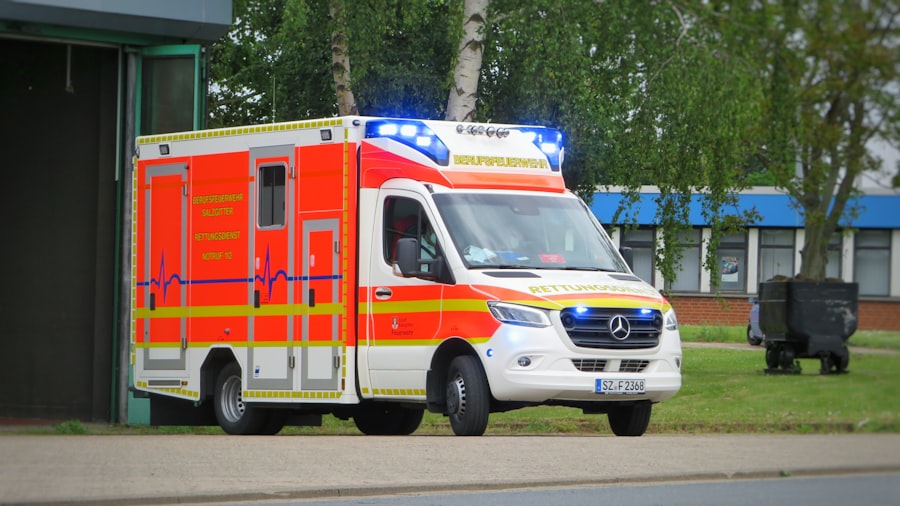
The transportation and deployment of contractor housing to remote Arctic locations is a monumental logistical undertaking, a symphony of planning and execution.
Transportation Modes: Overcoming Geographic Barriers
Reaching remote Arctic sites requires a combination of specialized transportation methods.
Air Transport: The Fastest, Most Expensive Option
For critical personnel and urgent equipment, air transport, including helicopters and fixed-wing aircraft capable of operating from remote airstrips, is often the primary choice.
Challenges of Arctic Air Operations
- Weather Dependency: Flights are highly susceptible to weather delays and cancellations.
- Limited Payload: Aircraft payload capacity can restrict the size and quantity of housing modules that can be transported.
- Cost: Air transport is an expensive solution, often a last resort for critical deployments.
Sea and Riverine Transport: Seasonal Opportunities
During ice-free periods, ice-strengthened vessels and barges can transport larger quantities of materials and modules. This is often the most cost-effective method for bulk transport.
Navigational Hazards and Ice Conditions
- Limited Navigational Windows: Sea ice, fog, and shallow waters create significant navigational challenges.
- Icebreaker Support: In some areas, icebreaker support may be required to maintain access.
- Shifting Ice: The dynamic nature of Arctic ice means routes can change rapidly.
Overland Transport: Ice Roads and Specialized Vehicles
In winter, ice roads can provide limited overland access. Heavy-duty, specialized vehicles are required to traverse difficult terrain and carry significant loads.
Limitations of Ice Roads
- Seasonal Dependency: Ice roads are only viable during the coldest months.
- Limited Durability: They require constant maintenance and can be compromised by fluctuating temperatures.
- Weight Restrictions: Strict weight limits are imposed to prevent ice road failure.
Site Preparation and Assembly
Once materials arrive at the general vicinity, site preparation and assembly must be undertaken with extreme care.
Geotechnical Surveys and Site Assessment
Before any construction begins, thorough geotechnical surveys are essential to understand the permafrost conditions and soil stability. This is the reconnaissance before the main expedition.
Minimal Environmental Footprint
Construction activities must be carefully managed to minimize their environmental footprint, especially in sensitive Arctic ecosystems. This includes waste management and the prevention of soil disturbance.
On-Site Assembly and Specialized Crews
Assembly of modular units requires specialized crews trained in working in extreme cold and remote conditions. They operate not as a typical construction crew, but as an elite unit performing under duress.
In the context of Arctic emergency response, the need for specialized contractor housing has become increasingly critical. A recent article discusses the innovative solutions being implemented to address the unique challenges posed by extreme weather conditions in these remote regions. For more insights on this topic, you can read the full article here. These developments not only enhance the safety and comfort of personnel but also ensure that emergency response operations can be carried out effectively in the harsh Arctic environment.
Future Trends and Innovations in Arctic Emergency Response Housing
| Metric | Value | Unit | Notes |
|---|---|---|---|
| Number of Dorm Units | 120 | Units | Capacity for emergency responders |
| Occupancy Rate | 85 | Percent | Average occupancy during peak season |
| Average Room Size | 250 | Square Feet | Includes sleeping and common areas |
| Heating System Type | Geothermal | N/A | Energy-efficient heating for Arctic conditions |
| Emergency Power Backup | 48 | Hours | Duration of backup power supply |
| Distance to Emergency Site | 15 | Kilometers | Average travel distance for responders |
| Contractor Staff Housed | 200 | People | Number of contractors accommodated |
| Construction Material | Insulated Steel Panels | N/A | For durability and thermal efficiency |
| Sanitation Facilities | 50 | Units | Bathrooms and showers available |
| Average Cost per Dorm Unit | 120000 | USD | Construction and outfitting cost |
The challenges of the Arctic are not static, and the solutions for contractor housing must evolve to meet ongoing changes and anticipate future needs.
Advanced Materials and Construction Techniques
Research and development into new materials and construction techniques are continuously improving the performance and efficiency of Arctic housing.
High-Performance Composites and Nanomaterials
The exploration of lightweight yet incredibly strong composite materials and the potential of nanomaterials for superior insulation and structural integrity are areas of active research.
3D Printing and Off-Site Manufacturing Advancements
The potential for 3D printing large structural components on-site or in pre-fabricated modules off-site offers exciting possibilities for faster, more efficient, and potentially more cost-effective construction.
Smart Housing and Integrated Systems
The integration of smart technologies into Arctic housing can significantly enhance operational efficiency and personnel safety.
Remote Monitoring and Predictive Maintenance
Sensors embedded within the housing structures can provide real-time data on environmental conditions, structural integrity, and system performance, allowing for predictive maintenance and early anomaly detection. This is like having a vigilant sentry that never sleeps.
Automated Climate Control and Energy Management
Smart HVAC systems can optimize energy consumption and automatically adjust internal environments based on occupancy and external conditions, ensuring comfort and reducing waste.
Increased Emphasis on Sustainability and Circular Economy Principles
As the Arctic becomes more accessible and its significance grows, there is an increasing focus on making operations more sustainable.
Renewable Energy Integration
The integration of renewable energy sources, such as wind and solar power (where feasible given seasonal variations), can reduce reliance on fossil fuels.
Modular Design for Deconstruction and Re-use
Designing housing with its end-of-life in mind, allowing for easy deconstruction and re-use of components, aligns with circular economy principles and minimizes waste in this delicate environment.
The challenges of providing adequate contractor housing for Arctic emergency response are substantial, but they are not insurmountable. Through meticulous planning, innovative design, and a deep understanding of the unique Arctic environment, effective and resilient solutions can be deployed. These solutions are not merely about providing shelter; they are about building the operational capacity and ensuring the safety of those who answer the call in one of the world’s most demanding frontiers. The success of any Arctic emergency response hinges, in no small part, on the quality of the roof over the heads of the brave individuals who are tasked with protecting this critical region.
FAQs
What is the purpose of Arctic emergency response dorms?
Arctic emergency response dorms provide temporary housing and shelter for workers and emergency personnel operating in remote Arctic regions. They are designed to offer safe, warm, and functional living spaces in extreme weather conditions.
Who typically uses contractor housing in Arctic emergency response projects?
Contractor housing is primarily used by construction workers, emergency responders, engineers, and support staff involved in Arctic infrastructure projects or emergency operations. These accommodations help ensure personnel can stay close to work sites in harsh environments.
What are the key features of contractor housing in Arctic conditions?
Key features include insulated and weather-resistant structures, reliable heating systems, communal living areas, secure storage, and facilities for cooking and sanitation. The housing is built to withstand extreme cold, high winds, and snow loads.
How are Arctic emergency response dorms transported and installed?
Dorms are often prefabricated off-site and transported via truck, ship, or air to remote locations. They are designed for quick assembly and disassembly to accommodate changing project needs and minimize environmental impact.
What safety measures are incorporated in Arctic emergency response housing?
Safety measures include fire-resistant materials, emergency exits, backup power supplies, communication systems, and protocols for extreme weather events. The housing also complies with local regulations and standards for worker safety in Arctic environments.