
The physical properties of sand grains, particularly their angularity, serve as a fundamental constraint in various natural and engineered systems. This article will explore the significance of angular sand grains as a physical bottleneck, examining their formation, characteristics, and the profound implications they have across diverse fields.
Weathering and Erosion: The Sculpting Forces
The journey of a sand grain from its parent rock to its final resting place is a testament to the relentless power of weathering and erosion. These geological processes, acting over vast timescales, are the principal architects of angularity.
Physical Weathering: Shattering the Stone
Physical weathering breaks down rock into smaller pieces without altering its chemical composition. Processes like frost wedging, thermal expansion and contraction, and abrasion by wind or water are crucial in this initial fragmentation. Imagine a colossal boulder that has endured centuries of freezing and thawing. Water seeps into its cracks, freezes, expands, and exerts immense pressure, widening those fissures. Repeated cycles of this action, akin to a sculptor’s hammer blows, can break off large chunks of rock.
Chemical Weathering: Dissolution and Alteration
While physical weathering provides the initial breaks, chemical weathering further modifies the rock. Processes like hydrolysis, carbonation, and oxidation can weaken the mineral bonds, making the rock more susceptible to disintegration. For instance, the presence of acidic rainwater can slowly dissolve certain mineral components, leaving behind a more porous and fragile structure. This chemical softening can contribute to the breaking of grains along inherent planes of weakness within the minerals themselves.
Transportation’s Role: The Tumbling and Grinding
Once dislodged, the fragments are transported by agents such as rivers, glaciers, wind, and gravity. This transportation phase is where the characteristic angularity truly begins to develop, or conversely, is diminished.
Riverine Transportation: The Grinding Mill
Rivers are particularly effective agents of abrasion. As sediment is carried downstream, grains collide with each other and with the riverbed. This constant jostling and grinding action acts like a natural mill, smoothing out sharp edges and rounding off corners. The longer and more turbulent the transport, the rounder the grains tend to become. Think of a rough, jagged pebble tossed into a fast-flowing stream; over time, its edges will soften, and it will begin to resemble a smooth, worn stone. This effect is often quantified by the “sphericity” of a sand grain.
Wind Erosion: The Sculptor’s Fan
Wind, while capable of transporting fine sand, also contributes to shaping grains. Aeolian abrasion, where sand particles are propelled by wind against rock surfaces, can create distinctive etched and pitted textures. While wind can contribute to the breakdown of larger rock formations, it is less efficient at rounding sand grains compared to water because the suspension of particles is generally at lower energy levels. However, the impact of sandblasting can create unique surface features, further defining the grain’s morphology.
Mineral Composition: The Intrinsic Factor
The type of minerals present in the parent rock also plays a significant role in determining the inherent angularity of sand grains.
Feldspar’s Fracture Cleavage: Sharp Edges Persist
Minerals like feldspar, which are abundant in many continental crust rocks, exhibit well-defined cleavage planes. This means they tend to fracture along specific, flat surfaces, resulting in grains with sharp, angular edges. Even after considerable transport, grains composed primarily of feldspar may retain a higher degree of angularity compared to minerals with more isotropic fracture patterns. This is akin to breaking a piece of chalk versus breaking a piece of glass; the chalk, with its inherent planes, will produce more angular fragments.
Quartz’s Resilience: A Common Angular Contributor
Quartz, another ubiquitous mineral in sand, is known for its toughness and resistance to weathering. While it can be rounded by extensive transport, it often retains a degree of angularity due to its robust crystalline structure. The sheer abundance of quartz in many sand deposits means its characteristic angularity often dominates the visual and physical properties of the sand.
The physical bottleneck of angular sand grains plays a crucial role in understanding sediment transport and erosion processes in geomorphology. For a deeper exploration of this topic, you can refer to a related article that discusses the implications of grain shape on sediment dynamics and stability. This article can be found at My Geo Quest, where it delves into how angularity affects the packing and movement of sand grains in various environments.
The Mechanics of Angularity: Interlocking and Resistance
The geometric form of sand grains directly influences how they pack together and interact, creating a physical bottleneck in a variety of contexts.
Packing Density: The Art of Close Fit
Angular sand grains, when compared to their rounded counterparts, tend to pack less efficiently. Their irregular shapes prevent them from settling into the tightest possible arrangements.
Interlocking Structures: The Tangled Web
The sharp edges and irregular surfaces of angular grains allow them to interlock with each other. This interlocking creates a more complex and less mobile arrangement. Imagine trying to stack irregular blocks versus perfectly spherical marbles. The blocks will fall into each other, creating voids, but also a kind of rudimentary stability. The marbles, free to roll, will arrange themselves much more uniformly and with less internal resistance. This is a fundamental difference in how masses of these particles behave.
Increased Void Space: The Gaps Within
The interlocking nature of angular grains leads to a higher proportion of interstitial space, or voids, within a given volume of sand. These voids are crucial as they can be filled with air, water, or other finer particles, significantly impacting the sand’s permeability and compressibility. Picture a box filled with marbles versus a box filled with awkwardly shaped pebbles. The pebbles will leave more empty space between them.
Shear Strength: Resisting Deformation
The interlocking and friction between angular grains provide a greater resistance to deformation under shear stress. This is a critical property in engineering applications involving soil mechanics.
Frictional Resistance: The Grip of the Edges
The rough surfaces and sharp edges of angular grains contribute significantly to frictional resistance. When subjected to shear forces, these grains grip each other, making it more difficult for layers of sand to slide over one another. This is the principle behind the stability of a sandcastle built with damp, angular sand; the grains hold together more effectively than loose, dry, rounded sand.
Dilatancy: The Expanding Void
A phenomenon particularly pronounced in angular sands is dilatancy. When a mass of angular sand is subjected to shear stress, the grains are forced to ride up and over each other, causing the overall volume to expand. This expansion increases the void space, which can temporarily reduce pore water pressure and increase the effective stress, contributing to a perception of increased strength. Think of trying to push down on a pile of angular pebbles; they will resist, and your push might cause them to shift and spread outwards slightly.
Friction Angle: A Measure of Stability
The shear strength of granular materials is often quantified by their friction angle. Angular sands typically exhibit higher friction angles than rounded sands, indicating greater internal stability. This higher friction angle is a direct consequence of the interlocking and increased frictional resistance offered by their shapes.
The Bottleneck in Practice: Engineering and Environmental Implications
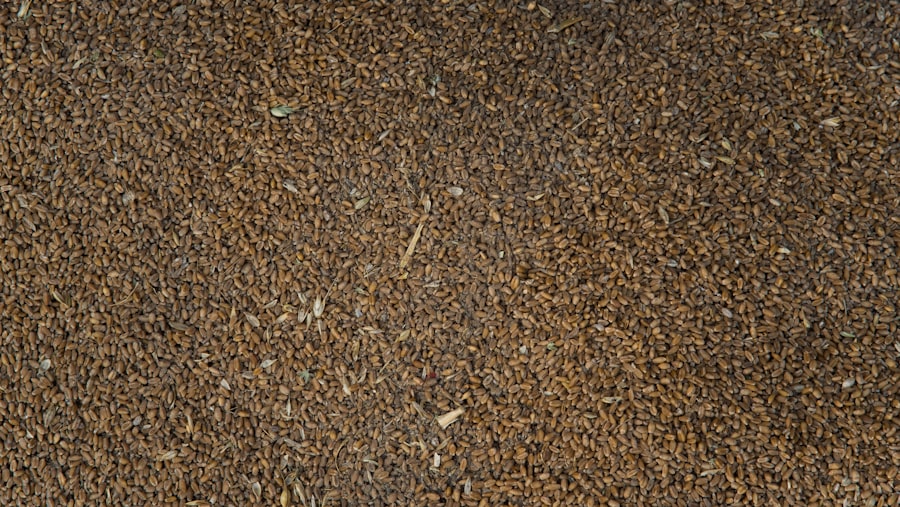
The physical bottleneck created by angular sand grains has far-reaching consequences across numerous disciplines. Understanding these implications is crucial for effective design and management.
Civil Engineering: Foundations of Structures
In civil engineering, sand is a ubiquitous material used in foundations, backfill, and as an aggregate in concrete. The angularity of sand grains profoundly influences the performance of these applications.
Soil Mechanics: Bearing Capacity and Settlement
Angular sands are generally favored for foundation applications due to their higher shear strength and greater bearing capacity. The interlocking nature of these grains allows them to support heavier loads before failing. However, their dilatant nature can complicate consolidation analyses, as settlement behavior can be more complex than with rounded sands. Engineers must account for these properties when designing foundations to prevent excessive settlement and ensure structural integrity. The sand acts as a structural element, and its internal geometry dictates how it can bear weight.
Slope Stability: Holding the Earth in Place
The higher friction angle of angular sands contributes to greater slope stability. This is particularly important in the design of earthen dams, road embankments, and retaining walls. Angular grains resist the gravitational forces that tend to cause soils to flow downhill, effectively holding the earth in place. A well-constructed embankment of angular sand will resist erosion and slumping far better than one composed of rounded grains.
Aggregate in Concrete: Strength and Durability
When used as aggregate in concrete, angular sand contributes to the overall strength and durability of the hardened material. The rough surfaces of angular grains provide a better bond with the cement paste, creating a more robust composite. Rounder sands might require more cement to achieve the same level of strength, as the bond between the aggregate and cement paste would be weaker.
Geotechnical Engineering: Groundwater Flow and Filtration
The void spaces within granular materials, governed by grain shape, are critical for fluid flow and filtration processes.
Permeability and Porosity: The Water’s Path
Angular sands typically exhibit lower permeability compared to rounded sands of the same grain size distribution. This is because the interlocking nature of the grains obstructs the free passage of fluids. While this can be a disadvantage in some applications, it can be advantageous in others. The higher porosity in angular sands can, however, mean a greater volume of pore space, even if the connectivity of those pores (permeability) is reduced.
Filtration and Groundwater Remediation: Trapping and Moving
In situations requiring filtration or groundwater remediation, the angularity of sand can act as a physical bottleneck for larger contaminants. However, the increased pore volume might also allow for the storage of certain pollutants. The effectiveness of sand filters in water treatment plants is directly related to the packing and void characteristics dictated by the grain shape. It’s a double-edged sword: it can trap unwanted particles, but the larger void space can also hold them.
Agricultural and Horticultural Applications: Soil Aeration and Drainage
Soil structure, heavily influenced by sand grain angularity, is paramount for plant health.
Soil Aeration: The Breath of the Roots
The higher void space in soils with angular sand particles promotes better aeration. Plant roots require oxygen to respire, and sufficient air circulation within the soil profile is essential. Soils composed of angular sands can therefore offer a more hospitable environment for root growth compared to those with predominantly rounded grains, which might compact more easily and restrict airflow. Imagine a dense mat of tightly packed threads versus a looser weave; the looser weave allows for more air to pass through.
Drainage Characteristics: Preventing Waterlogging
While angular sands can have lower bulk permeability, the distribution of void space can influence drainage. In some cases, the larger, interconnected voids can facilitate more effective drainage, preventing waterlogging and root rot. The interplay between pore size, shape, and connectivity is complex and depends on the specific soil composition and
structure.
The Bottleneck in Nature: Geological Formations and Processes
Beyond engineered systems, the physical bottleneck of angular sand grains plays a role in shaping natural landscapes.
Dune Formation and Stability: The Wind’s Sculpted Islands
The angle of repose of a sand dune, the steepest slope it can maintain before sliding, is influenced by the angularity of its constituent grains. Dunes formed from angular sands tend to be more stable and less prone to rapid erosion by wind. This inter-grain friction provides a higher degree of structural integrity to the dune system.
Sediment Transport in Rivers and Oceans: The Particle’s Journey
The settling velocity of sand grains in water is influenced by their shape. Angular grains, due to their increased surface area and resistance to flow, tend to settle more slowly than rounded grains of equivalent mass. This can affect the distribution of sediment in riverbeds and ocean floors, influencing the formation of deltas and other sedimentary features. The resistance to movement is higher, meaning more energy is required to keep them suspended.
Subsurface Flow and Aquifer Properties: The Water’s Underground Pathways
The permeability and connectivity of aquifers, crucial for groundwater resources, are directly impacted by the angularity of the sand grains that compose them. Understanding this bottleneck is essential for accurate groundwater modeling and resource management.
Quantifying Angularity: Measurement and Characterization
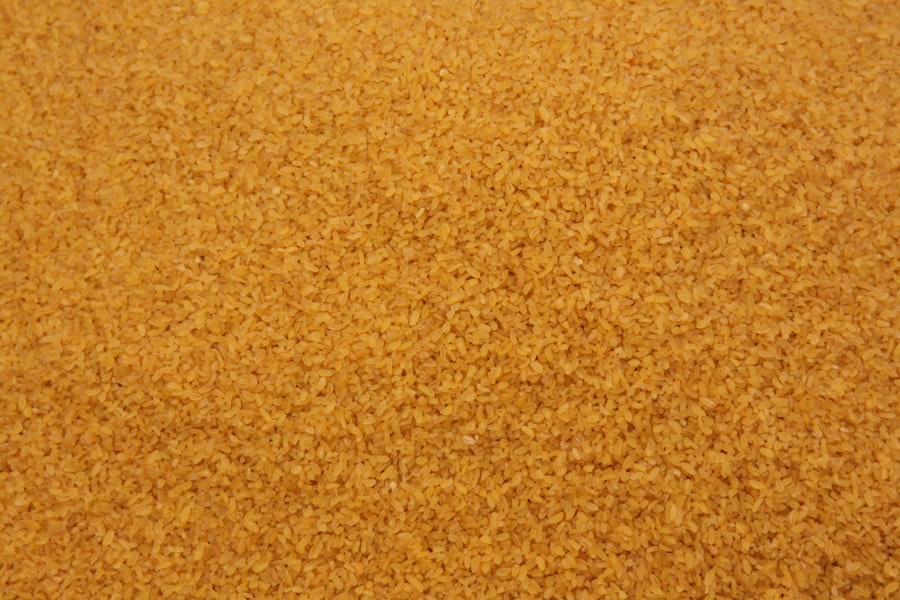
To understand the impact of angularity, methods for its quantification are essential.
Morphological Analysis: The Visual Clues
Direct observation and analysis of sand grain shapes provide fundamental insights into their angularity.
Microscopic Examination: Zooming In on Detail
Optical microscopy allows for detailed examination of individual sand grains. Features such as the presence of sharp corners, straight edges, and the overall irregularity of the grain outline can be assessed. This is the most direct way to observe the sculpting work of nature.
Image Analysis Techniques: Automated Assessment
Advanced image processing techniques can automate the quantification of grain shape parameters from microscopic images. Algorithms can measure parameters like aspect ratio, roundness, and solidity, providing objective measures of angularity. This allows for the analysis of vast datasets of sand grains, revealing statistical trends.
Sedimentological Indices: Mathematical Descriptions
Various indices have been developed to mathematically describe the shape of sand grains.
Sphericity and Roundness: The Key Metrics
Sphericity, a measure of how closely a grain resembles a sphere, and roundness, which describes the smoothness of its edges and corners, are fundamental parameters. Angular grains will exhibit low sphericity and low roundness. These metrics are often calculated based on measurements of the grain’s perimeter and area.
Form and Surface Texture: Further Refinements
More sophisticated analyses can also consider the overall form of the grain (e.g., platy or bladed) and its surface texture (e.g., pitted or etched). These finer details can further influence the inter-grain interactions and thus the “bottleneck” effect.
The study of angular sand grains reveals significant insights into the physical bottleneck that affects sediment transport and erosion processes. Researchers have found that the shape and angularity of these grains play a crucial role in determining how they interact with one another and with the surrounding environment. For a deeper understanding of this phenomenon, you can explore a related article that discusses the implications of grain morphology on sediment dynamics. This article can be found at this link, where it delves into the complexities of sediment behavior in various geological settings.
The Future of Angularity: Innovation and Adaptation
| Metric | Value | Unit | Description |
|---|---|---|---|
| Grain Size | 0.1 – 2.0 | mm | Diameter range of angular sand grains |
| Porosity | 25 – 40 | % | Volume percentage of void spaces between grains |
| Permeability | 10 – 1000 | mD (millidarcies) | Measure of the ability of fluid to flow through sand grains |
| Grain Angularity | High | Qualitative | Degree of sharpness and irregularity of grain edges |
| Bulk Density | 1.5 – 1.7 | g/cm³ | Mass of sand grains per unit volume including pore space |
| Critical Flow Velocity | 0.3 – 0.6 | m/s | Minimum fluid velocity to initiate sand grain movement |
| Intergranular Contact Area | Variable | mm² | Contact surface area between adjacent angular grains affecting strength |
As our understanding of the physical bottleneck posed by angular sand grains deepens, so too does our ability to harness or mitigate their effects.
Engineered Sands: Tailoring for Performance
The ability to control or replicate the angularity of sand grains opens up new possibilities in material science and engineering.
Artificial Aggregates: Precision in Particle Design
The development of artificial aggregates with controlled angularity allows engineers to design materials with specific performance characteristics, such as enhanced strength or improved filtration capabilities. This moves beyond relying on naturally occurring sands with their inherent variability.
Additives and Treatments: Modifying Existing Sands
Research into additives and surface treatments aims to modify the properties of existing angular sands, reducing their interlocking potential or enhancing their flowability when needed. This could involve applying coatings or incorporating fine particles that act as lubricants.
Computational Modeling: Predicting Behavior
Advanced computational models are increasingly used to simulate the behavior of granular materials, taking into account the complex interactions governed by grain shape.
Discrete Element Method (DEM): Simulating Grain Interactions
The Discrete Element Method (DEM) is a powerful tool for simulating the mechanical behavior of granular materials. By modeling individual sand grains with their specific shapes and properties, DEM can predict how they will pack, deform, and flow under various conditions. This allows for the virtual testing of different sand compositions and loading scenarios.
Pore Network Models: Understanding Fluid Flow
Pore network models focus on the geometry of the void spaces within granular materials, allowing for the prediction of fluid flow and transport phenomena. These models are crucial for understanding groundwater movement, contaminant transport, and the efficiency of filtration systems.
Addressing Environmental Challenges: Sustainable Practices
Understanding the role of angularity in natural systems is vital for addressing environmental challenges.
Coastal Erosion Management: Protecting Shorelines
The stability of beaches and coastal dunes is influenced by the angularity of the sand grains. Implementing strategies that consider these properties can aid in more effective coastal erosion management.
Water Resource Management: Ensuring Sustainable Groundwater Use
The influence of angularity on aquifer properties necessitates careful consideration in groundwater management plans, ensuring the sustainable extraction and protection of vital water resources.
In conclusion, the angularity of sand grains is not merely an aesthetic characteristic; it is a fundamental physical property that acts as a pervasive bottleneck across a vast spectrum of natural and engineered systems. From the deep foundations of our cities to the intricate pathways of groundwater, the sharp edges and irregular forms of these seemingly simple particles exert a profound influence. Recognizing and understanding this intrinsic bottleneck is key to unlocking efficiencies, mitigating risks, and ultimately, building a more resilient future.
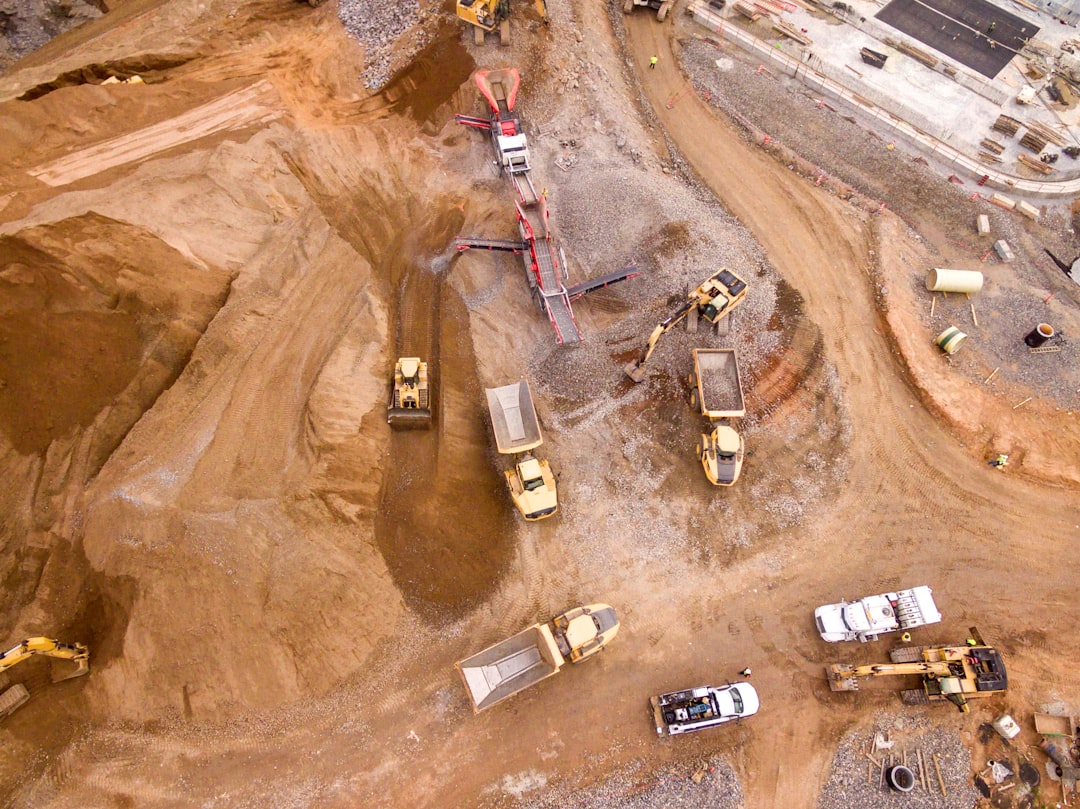
WATCH NOW ▶️ WARNING: Why the World is Running Out of Sand (And You Never Noticed)
FAQs
What is meant by the physical bottleneck of angular sand grains?
The physical bottleneck of angular sand grains refers to the limitations in the movement, packing, and flow of sand particles that have sharp edges and irregular shapes. These angular grains tend to interlock and resist rearrangement, creating constraints in processes like sediment transport, filtration, and soil compaction.
How do angular sand grains differ from rounded sand grains in physical behavior?
Angular sand grains have sharp edges and corners, which cause them to interlock more easily and create higher friction between particles. Rounded sand grains, on the other hand, have smoother surfaces and tend to flow and pack more efficiently. This difference affects permeability, stability, and mechanical strength in granular materials.
Why is understanding the physical bottleneck of angular sand grains important?
Understanding this bottleneck is crucial for fields such as geotechnical engineering, sedimentology, and petroleum engineering. It helps predict how sand will behave under stress, how fluids will flow through sand-packed formations, and how to optimize processes like hydraulic fracturing or soil stabilization.
What factors influence the severity of the physical bottleneck in angular sand grains?
Factors include grain size distribution, grain shape and angularity, packing density, moisture content, and applied stress or pressure. Higher angularity and tighter packing typically increase the bottleneck effect, reducing permeability and increasing mechanical resistance.
Can the physical bottleneck of angular sand grains be mitigated or managed?
Yes, it can be managed by altering grain size distribution, mixing angular grains with more rounded particles, applying mechanical vibration or compaction, and controlling moisture levels. Engineering interventions can optimize packing and flow properties to reduce the bottleneck effect in practical applications.