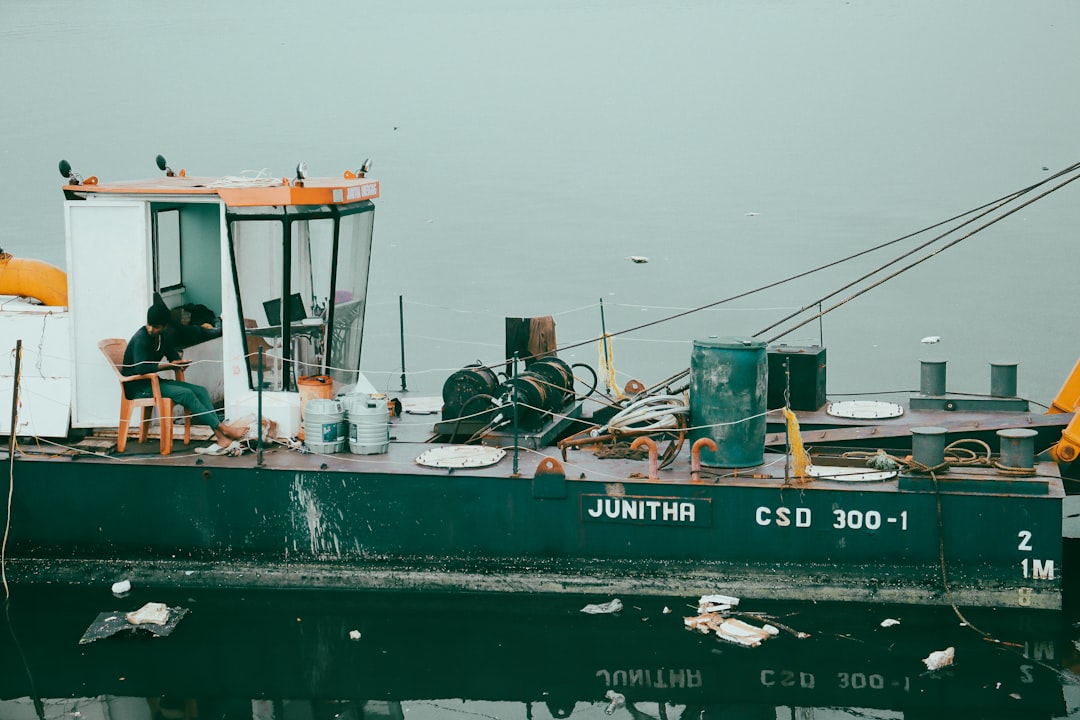
Alang, a coastal town in Gujarat, India, stands as a colossal testament to human ingenuity and the cyclical nature of industry. Here, the skeletal remains of once-proud maritime vessels are brought to a final, transformative resting place. Alang is not merely a graveyard of ships; it is a vibrant, pulsating hub of one of the world’s largest and most crucial industries: ship recycling. This article delves into the multifaceted world of Alang, exploring its historical evolution, the intricate processes involved, the economic and social impact it wields, and the ever-present challenges it navigates.
The story of Alang’s rise to prominence in the global ship recycling landscape is one of strategic foresight and an opportune confluence of factors. Its establishment marked a pivotal shift in how the maritime industry dealt with end-of-life vessels.
The Early Days and the Birth of Alang
The concept of shipbreaking, while ancient, gained significant momentum in the mid-20th century as global trade expanded and vessel lifespans became more defined. Initially, shipbreaking activities were scattered and often informal. However, the need for a more organized and efficient approach became apparent. Alang emerged as a deliberate initiative to consolidate these operations.
Strategic Location: A Natural Advantage
The selection of Alang was not accidental. Its geographical position on the Kathiawar peninsula in Gujarat offers a unique set of advantages. The region boasts wide, shallow beaches with a strong tidal range, allowing large vessels to be beached during high tide and then accessible for dismantling at low tide. This natural ebb and flow of the sea is fundamental to the mechanics of Alang’s operations. Furthermore, its proximity to major shipping routes facilitated the arrival of decommissioned ships.
Government Support and Policy Initiatives
The Indian government played a crucial role in the development of Alang. Recognizing the potential for job creation and economic activity, policies were implemented to encourage the growth of the ship recycling sector. These included creating an industrial estate, providing infrastructure, and offering incentives to attract investors and ship owners. The vision was to establish a dedicated zone that could handle the influx of ships efficiently and safely.
Global Shifts and the Alang Ascendancy
Alang’s ascent coincided with significant global shifts in maritime regulations and economic realities. As older, less efficient vessels were retired, and as countries with less stringent environmental and labor laws became less viable for shipbreaking, Alang emerged as a dominant player.
The Decline of Traditional Shipbreaking Yards
Several traditional shipbreaking centers, particularly in Europe and the United States, began to phase out operations due to rising labor costs and stricter environmental regulations. This created a vacuum in the global market, which Alang, with its vast coastline and a readily available workforce, was perfectly positioned to fill.
Economic Viability: A Key Driver
The economic proposition of recycling ships in Alang has always been compelling. The availability of a large, skilled, and relatively low-cost labor force significantly reduces dismantling costs. Moreover, the recovery of valuable materials like steel, copper, and other metals from the derelict ships generates substantial revenue, making the entire process economically attractive for both yard owners and ship owners.
The Alang ship recycling industry in India plays a crucial role in the global shipbreaking sector, providing both economic opportunities and environmental challenges. For a deeper understanding of the dynamics and implications of this industry, you can explore a related article that discusses the environmental impact and regulatory framework surrounding ship recycling in India. To read more, visit this article.
The Art and Science of Ship Recycling in Alang
The process of transforming a colossal steel leviathan into raw materials is a complex, labor-intensive, and often hazardous undertaking. Alang’s ship recycling operations are a blend of traditional techniques and modern safety considerations, though the latter has been a continuous area of development.
The Beaching Method: A Defining Feature
The hallmark of Alang’s operation is the “beaching” method. This involves guiding the decommissioned ship onto the shallow beach at high tide. Once the tide recedes, the ship rests firmly on the sand, allowing workers to access its hull from both sides.
High Tide Influx, Low Tide Dismantling
The choreography of this process is critical. Ships are carefully navigated into position, often with the assistance of tugboats. The receding tide then exposes the ship’s lower hull, creating a stable platform for the initial stages of dismantling. This natural rhythm dictates the pace of operations.
Stability and Access Challenges
While the beaching method offers accessibility, it also presents challenges. The stability of the ship on the uneven sand can be a concern, and workers must constantly assess and mitigate any risks. Access to different parts of the vessel, especially those below the waterline, requires specialized equipment and techniques.
The Dismantling Process: A Gradual Deconstruction
Once beached, the ship undergoes a systematic deconstruction process, carried out by thousands of skilled workers. This is a meticulous operation that requires precision, strength, and a deep understanding of the ship’s structure.
Cutting and Separation: The Core Activity
The primary activity involves cutting the ship into manageable sections. This is predominantly done using oxy-acetylene torches, capable of cutting through thick steel plates. Workers, often working at precarious heights and in confined spaces, meticulously sever the ship’s superstructure, decks, and hull.
Hazardous Material Management
A critical aspect of the dismantling process involves the identification and safe removal of hazardous materials. Ships often contain asbestos, PCBs, fuel oils, and other toxic substances. Proper handling and disposal of these materials are paramount for worker safety and environmental protection. This has been an area of significant focus and improvement in Alang over the years.
Material Recovery and Sorting
As the ship is dismantled, valuable materials are meticulously sorted and prepared for resale. Steel is the primary commodity, but other materials like copper wiring, aluminum, and even furniture and equipment are salvaged. This material recovery aspect is a significant contributor to the economic viability of Alang.
Safety and Environmental Considerations: Evolving Practices
The inherent dangers of shipbreaking have always been a major concern. Alang has, over time, seen significant efforts to improve safety standards and environmental practices, driven by international pressure, regulatory changes, and the industry’s own evolving awareness.
Worker Safety Measures
The safety of the workforce is paramount. This involves the provision of personal protective equipment (PPE) such as helmets, safety shoes, gloves, and respiratory masks. Training programs on safe working practices, hazard identification, and emergency response are crucial. Regular safety audits and inspections are conducted to ensure compliance.
Environmental Impact Mitigation
The environmental footprint of shipbreaking is a complex issue. Alang has implemented measures to manage oil spills, prevent the release of toxic substances into the sea, and control air pollution from cutting and burning operations. Waste management and the recycling of salvaged materials are also key components of environmental stewardship.
The Economic Engine of Alang: A Multifaceted Impact
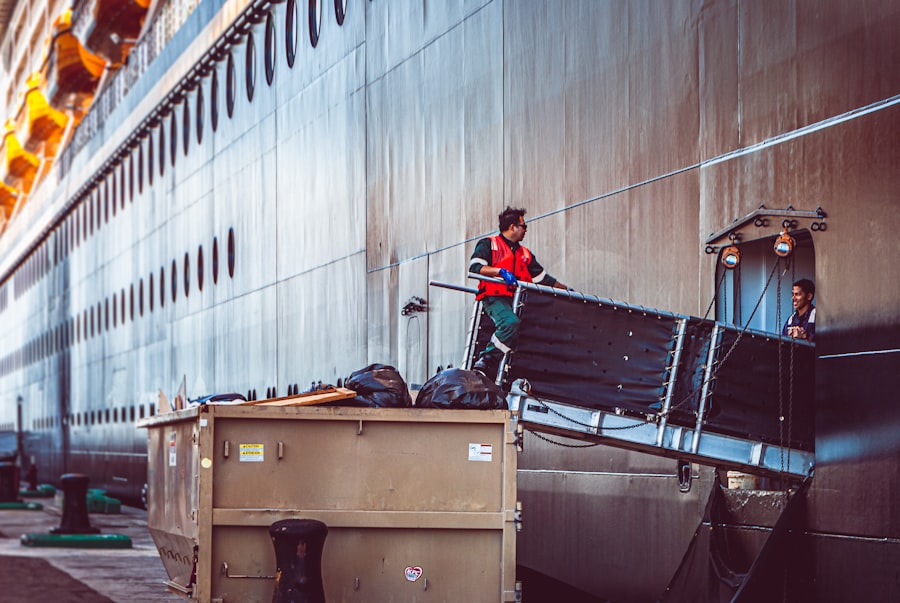
Alang is more than just a recycling yard; it is a powerful economic engine that drives substantial economic activity and provides livelihoods for a vast population. Its influence extends far beyond the immediate shores of Gujarat.
Job Creation: A Lifeline for Millions
The ship recycling industry in Alang is a massive employer, providing direct and indirect employment to hundreds of thousands of people. This includes skilled laborers, welders, fitters, crane operators, security personnel, and administrative staff.
Direct Employment in the Yards
The shipbreaking yards themselves are the primary source of direct employment. Thousands of workers are engaged in the physically demanding task of dismantling ships. The sheer scale of operations necessitates a large and diverse workforce.
Indirect Employment and Ancillary Industries
The economic ripple effect of Alang is significant. A vast network of ancillary industries and services has sprung up to support the shipbreaking operations. This includes suppliers of fuel, oxygen, cutting equipment, safety gear, catering services, transportation, and accommodation providers.
Contribution to India’s Economy: Raw Materials and Revenue
Alang plays a crucial role in supplying raw materials to India’s steel and metal industries, thereby reducing the country’s dependence on imported scrap. The revenue generated from the sale of recycled materials contributes significantly to the national economy.
Steel and Metal Production
The vast quantities of steel recovered from decommissioned ships are a vital feedstock for India’s burgeoning steel sector. This local sourcing reduces the cost of production and strengthens domestic manufacturing capabilities.
Foreign Exchange Savings and Earnings
By recycling ships domestically, India saves valuable foreign exchange that would otherwise be spent on importing scrap metal. Conversely, the sale of recycled materials on the international market can also generate export earnings.
The Role of Small and Medium Enterprises (SMEs)
Alang’s ecosystem is characterized by the presence of numerous Small and Medium Enterprises (SMEs) that operate specialized services or contribute to the recycling process. These SMEs are crucial for the agility and efficiency of the industry.
Specialized Services and Niche Markets
Many SMEs focus on specific aspects of ship dismantling or material recovery. Some might specialize in the removal of engines, while others might focus on the extraction of non-ferrous metals. This specialization contributes to the overall efficiency.
Entrepreneurship and Local Economic Growth
The success of these SMEs fosters entrepreneurship and stimulates local economic growth. They create employment opportunities at the grassroots level and contribute to the overall prosperity of the region.
Challenges and Criticisms: Navigating the Rough Seas
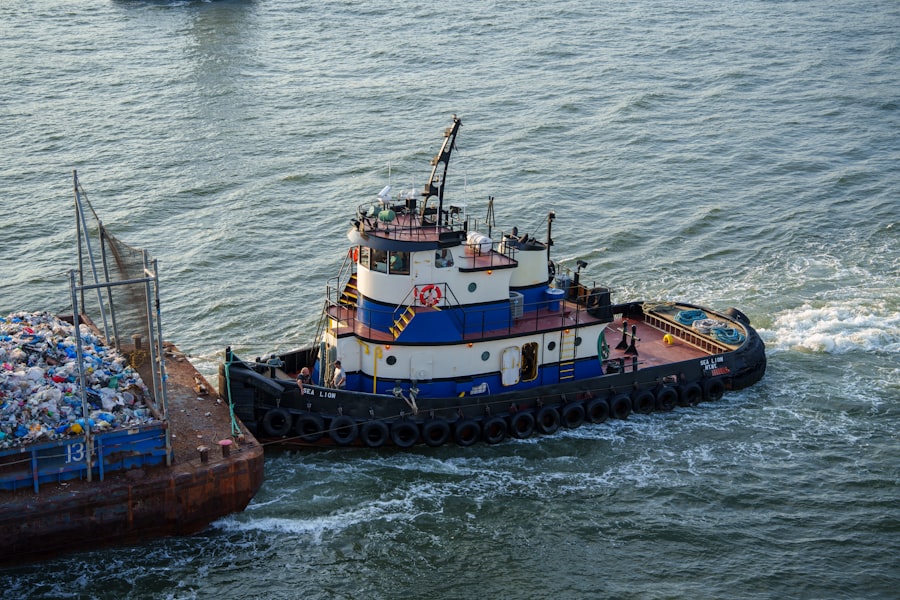
Despite its economic successes, Alang has not been without its share of challenges and criticisms, particularly concerning its environmental and labor practices. These issues have been a constant focus for improvement and international scrutiny.
Environmental Concerns: The Legacy of Pollution
Historically, Alang has faced significant criticism for its environmental impact. The uncontrolled dumping of waste, oil spills, and the release of hazardous substances have raised serious concerns.
Hazardous Waste Management
The proper management and disposal of hazardous waste, including asbestos, paints, and oils, have been a persistent challenge. Ensuring that these materials are handled safely and do not contaminate the surrounding environment requires robust regulatory oversight and infrastructure.
Marine Pollution and Coastal Ecosystems
The proximity of the shipbreaking yards to the Arabian Sea raises concerns about marine pollution. Efforts are continuously being made to minimize oil spills and prevent the discharge of pollutants into the ocean, which can harm marine life and coastal ecosystems.
Labor Rights and Working Conditions: A Human Dimension
The safety and well-being of the workforce have been a major area of concern and debate. Reports of inadequate safety measures, long working hours, and low wages have often surfaced.
Worker Safety and Health Risks
The nature of shipbreaking is inherently dangerous, involving working at heights, in confined spaces, and with heavy machinery. Ensuring adequate safety training, provision of proper protective equipment, and access to healthcare are critical for mitigating risks.
Fair Wages and Labor Practices
Ensuring fair wages, reasonable working hours, and the absence of child labor are essential for upholding labor rights. International organizations and NGOs have often highlighted the need for stricter enforcement of labor laws in Alang.
Global Regulations and the Hong Kong Convention
The international maritime community has been increasingly focused on establishing robust regulations for ship recycling. The Hong Kong International Convention for the Safe and Environmentally Sound Recycling of Ships, adopted in 2009, aims to set global standards.
Adoption and Implementation of the Convention
The effectiveness of Alang, and indeed the global ship recycling industry, hinges on the widespread adoption and effective implementation of the Hong Kong Convention. This convention provides a framework for safer and more environmentally sound ship recycling practices.
International Scrutiny and Compliance
Alang operates under the watchful eye of international regulatory bodies and environmental organizations. Continuous efforts are required to demonstrate compliance with evolving global standards and to address any criticisms effectively.
The Alang ship recycling industry in India plays a crucial role in the global maritime sector, providing an environmentally friendly solution for decommissioned vessels. For those interested in learning more about the intricacies and challenges faced by this industry, a related article can be found at this link, which explores the economic and ecological impacts of ship recycling in Alang. This resource offers valuable insights into how the industry operates and its significance in promoting sustainable practices.
The Future of Alang: Towards Sustainable and Responsible Recycling
| Metrics | Data |
|---|---|
| Number of ship recycling yards | Approximately 150 |
| Annual tonnage of ships recycled | Around 4.5 million metric tons |
| Employment generated | Over 50,000 workers |
| Environmental concerns | Issues related to pollution and worker safety |
The trajectory of Alang’s ship recycling industry is increasingly focused on sustainability, technological advancement, and stricter adherence to international standards. The industry is striving to overcome its historical challenges and position itself as a leader in responsible ship recycling.
Technological Advancements and Modernization
The adoption of new technologies is crucial for enhancing safety, efficiency, and environmental performance in Alang. This includes investing in advanced cutting equipment, improved material handling systems, and better waste management technologies.
Advanced Cutting and Dismantling Techniques
Moving beyond traditional torch cutting, the industry is exploring and adopting more advanced techniques that can improve precision, reduce noise and air pollution, and enhance safety.
Sophisticated Waste Management and Recycling Technologies
Investing in modern waste treatment facilities, oil recovery systems, and specialized recycling technologies for various materials will be key to minimizing the environmental footprint.
Embracing a Circular Economy Model
Alang is increasingly aligning itself with the principles of a circular economy, where resources are reused and recycled to minimize waste and maximize value. This involves looking beyond mere dismantling to optimizing the recovery and reintegration of materials into the industrial supply chain.
Maximizing Material Recovery and Value Addition
The focus is shifting towards extracting the maximum possible value from every component of a decommissioned ship, including non-traditional materials and even reusable parts.
Reducing Environmental Footprint through Innovation
By embracing circular economy principles, Alang can significantly reduce its environmental impact, moving from a linear “take-make-dispose” model to a more sustainable, resource-efficient approach.
The Role of Policy and International Cooperation
Strong governmental policies, coupled with effective international cooperation, will be vital for shaping the future of Alang. This includes enforcing regulations, providing incentives for sustainable practices, and collaborating with international bodies to share best practices.
Strengthened Regulatory Frameworks and Enforcement
Robust and consistently enforced regulations are the bedrock of responsible ship recycling. This includes clear guidelines for hazardous material management, worker safety, and environmental protection.
Global Partnerships for Knowledge Sharing and Capacity Building
Collaborating with international organizations, other shipbreaking nations, and industry stakeholders can foster knowledge sharing, promote capacity building, and drive continuous improvement in Alang’s operations.
Alang, India’s thriving ship recycling industry, stands at a critical juncture. It has evolved from a nascent enterprise into a global powerhouse, a testament to its economic significance and operational scale. However, the path forward demands a relentless commitment to improving safety, mitigating environmental impact, and ensuring fair labor practices. By embracing technological innovation, adhering to international conventions, and fostering a culture of sustainability, Alang has the potential to not only continue its vital role in the global maritime economy but to redefine what responsible ship recycling truly means for the future.

The Beaches Global Trade Can’t Afford to Lose
FAQs
What is the Alang ship recycling industry in India?
The Alang ship recycling industry in India is one of the largest ship breaking yards in the world, located in the state of Gujarat. It is known for dismantling and recycling old ships, salvaging valuable materials and equipment.
How does the Alang ship recycling industry operate?
Ships that have reached the end of their operational lives are brought to Alang for dismantling. The ships are beached on the shore, and workers dismantle them by hand, salvaging materials such as steel, copper, and other valuable metals.
What are the environmental and safety concerns associated with the Alang ship recycling industry?
The Alang ship recycling industry has faced criticism for its environmental and safety practices. Concerns include the release of hazardous materials into the environment, unsafe working conditions for laborers, and the lack of proper waste management.
What are the economic benefits of the Alang ship recycling industry?
The Alang ship recycling industry provides employment opportunities for thousands of workers, contributing to the local economy. It also supplies raw materials for various industries, such as steel and metal manufacturing.
What measures are being taken to address the environmental and safety concerns of the Alang ship recycling industry?
Efforts are being made to improve the environmental and safety standards of the Alang ship recycling industry. This includes the implementation of regulations and guidelines, as well as initiatives to promote sustainable and responsible ship recycling practices.