Air conditioning, once a luxury, has become an indispensable amenity in modern life, transforming how we live, work, and interact with our environment. Its widespread adoption, particularly in regions with hot climates, has undeniably enhanced comfort and productivity. However, this pervasive reliance on cooling technology casts a significant shadow on the electricity grids that power it. The sheer demand generated by millions of air conditioning units operating simultaneously, especially during peak summer months, presents a formidable challenge to grid stability, capacity, and sustainability. Understanding this intricate relationship is crucial for navigating the future of energy and ensuring a reliable and resilient power supply for generations to come.
The most substantial impact of air conditioning on electricity grids stems from the sheer volume of energy consumed by residential and commercial units. As temperatures rise, the thermostat becomes a beacon of relief, triggering a surge in electricity demand that can strain even robust power systems.
Residential Air Conditioning Load
In homes, air conditioning units represent a significant portion of a household’s electricity consumption. The Energy Information Administration (EIA) consistently reports that cooling is a primary driver of summer electricity bills for many households. The widespread ownership of central air conditioning systems and window units means that during heatwaves, millions of these devices are activated concurrently. This synchronized demand creates sharp spikes in energy consumption, particularly during the afternoon and early evening hours when temperatures are highest and people are home from work.
Factors Influencing Residential Demand
Several factors contribute to the variability and magnitude of residential air conditioning load. The size and efficiency of the air conditioning unit itself are paramount. Older, less efficient models consume considerably more electricity than modern, Energy Star-certified appliances. The thermal efficiency of a home also plays a critical role; well-insulated homes with efficient windows require less energy to maintain a comfortable temperature. Thermostat settings are another key variable. Each degree Fahrenheit lower setpoint can significantly increase energy consumption. Occupancy patterns within a home also influence demand, with continuous cooling being more energy-intensive than intermittent use. Finally, socioeconomic factors can influence the prevalence and usage of air conditioning, with higher-income households generally having greater access to and usage of cooling technologies.
Commercial and Industrial Cooling Needs
Beyond residential spaces, commercial buildings – offices, retail establishments, hospitals, and data centers – are major consumers of electricity for cooling. These structures often have larger, more powerful HVAC (Heating, Ventilation, and Air Conditioning) systems that operate for extended periods, sometimes around the clock, to maintain specific temperature and humidity levels essential for operations.
The Strain of Business Operations
In the commercial sector, the demand for air conditioning is not solely driven by comfort. In many industries, precise temperature and humidity control are critical for the functioning of equipment and the preservation of goods. Data centers, for instance, generate immense heat from servers and require substantial cooling to prevent overheating and ensure continuous operation. Hospitals need to maintain sterile environments, and retail spaces aim to create an inviting atmosphere for customers, both of which necessitate consistent cooling. This constant and often high-level demand from commercial entities adds a significant and less variable baseline load to the grid during warmer months.
The increasing reliance on air conditioning during peak summer months has significant implications for electricity grids, often leading to heightened demand and potential strain on energy resources. For a deeper understanding of this issue, you can explore the article that discusses how air conditioning usage impacts electricity consumption and grid stability. To read more, visit this article.
The Peak Load Predicament: Grid Stress and Instability
The synchronized activation of millions of air conditioning units during hot weather creates a phenomenon known as peak load, which poses a significant threat to the stability and reliability of electricity grids. This concentrated demand pushes the grid to its operational limits, increasing the risk of brownouts and blackouts.
Understanding Peak Load
Peak load refers to the period of highest electricity demand on the grid within a given timeframe. For electricity grids, this typically occurs during hot summer afternoons and evenings when residential and commercial air conditioning usage surges. This is in stark contrast to winter peak loads, which are usually driven by heating demand and occur in the morning and evening. The distinct nature of summer peak loads, driven primarily by air conditioning, presents unique challenges for grid operators.
The Amplifying Effect of Heatwaves
Heatwaves exacerbate the peak load predicament. During prolonged periods of extreme heat, air conditioning units run continuously at their highest settings, leading to unprecedented spikes in demand. This can overwhelm the generating capacity of power plants and the transmission and distribution infrastructure designed to deliver electricity. When demand exceeds supply, grid operators may be forced to implement rolling blackouts, also known as load shedding, to prevent a complete system collapse. These disruptions can have severe economic and social consequences, impacting businesses, critical services, and the well-being of residents.
Transmission and Distribution Challenges
The increased electricity flow required to meet peak demand places immense pressure on the physical infrastructure of the grid, including transmission lines and distribution networks. These systems were often designed for a lower average load and may not have the capacity to handle the surges experienced during heatwaves.
Bottlenecks and Overloads
Transmission lines carry electricity from power plants to substations, and distribution lines deliver it to individual homes and businesses. During peak load periods, these lines can become overloaded, leading to increased resistance, voltage drops, and potential equipment failure. This can manifest as localized power outages even if there is sufficient generation capacity. The problem is compounded by the fact that upgrading or expanding transmission and distribution infrastructure is a costly and time-consuming endeavor. Furthermore, the placement of new infrastructure can face significant regulatory and public opposition.
Generation Capacity Limitations
The ability of a power grid to meet demand is ultimately limited by its available generation capacity. During peak summer hours, the demand for electricity can exceed the instantaneous capacity of existing power plants, particularly those that are not designed to ramp up and down quickly.
The Role of Peaker Plants
To address these surges, many grids rely on “peaker plants,” which are typically natural gas-fired power plants designed to be brought online quickly to meet short-term demand spikes. While essential for grid reliability, peaker plants are often less efficient and more polluting than baseload power plants. Their heavy reliance during peak hours contributes significantly to the grid’s carbon footprint and can lead to higher electricity prices due to their higher operating costs. Investing in and maintaining sufficient peaker plant capacity to handle increasingly frequent and intense heatwaves presents a significant financial and environmental challenge.
Grid Modernization and Smart Solutions: Adapting to the Cooling Demand

Recognizing the profound impact of air conditioning on electricity grids, significant efforts are underway to modernize grid infrastructure and implement smart technologies that can better manage and mitigate the challenges posed by cooling demand. These advancements aim to enhance grid resilience, improve efficiency, and integrate renewable energy sources more effectively.
The Evolution of the Smart Grid
The concept of the “smart grid” represents a fundamental shift from the traditional, one-way flow of electricity to a more dynamic, two-way communication network. This integration of digital technology, advanced sensors, and automated controls allows for real-time monitoring and management of electricity supply and demand.
Enhanced Monitoring and Control
Smart grids provide unprecedented visibility into grid operations. Sensors deployed throughout the network can detect fluctuations in voltage, current, and temperature, allowing grid operators to identify potential issues before they escalate into outages. Automated systems can then respond rapidly to reroute power, adjust generation, or even implement demand-response programs. This enhanced control is particularly valuable during peak load periods when rapid adjustments are critical for maintaining stability.
Demand-Response Programs
Demand-response programs incentivize consumers to reduce their electricity consumption during peak hours. This can be achieved through various mechanisms, such as financial incentives for voluntarily curtailing energy use or automated systems that temporarily adjust thermostat settings in participating homes. By shifting a portion of the cooling load away from peak times, demand-response programs can significantly alleviate the strain on the grid and reduce the need for expensive and polluting peaker plants.
Integrating Renewable Energy Sources
The increasing integration of renewable energy sources, such as solar and wind power, offers a promising pathway to reduce the carbon intensity of electricity generation and alleviate pressure on the grid. However, the intermittent nature of these sources presents its own set of challenges that must be addressed.
Intermittency and Grid Balancing
Solar power, for example, is most abundant during the day, which often coincides with peak air conditioning demand. However, cloud cover can disrupt solar generation, and the sun sets in the evening, just as demand can remain high. Wind power is even less predictable. Grid operators must find ways to balance the variability of renewables with consistent demand. This requires advanced forecasting, robust energy storage solutions, and the ability to quickly dispatch other generation sources when needed.
Energy Storage Solutions
Energy storage technologies, such as large-scale battery systems, are becoming increasingly vital for integrating renewables and managing peak load. Batteries can store excess electricity generated during periods of low demand or high renewable output and then discharge it when demand is high or renewable generation is low. This not only helps to smooth out the fluctuations of renewable energy but also provides a valuable resource for meeting peak demand without relying on fossil fuel peaker plants.
Policy and Technological Innovations: Shaping the Future of Cooling and the Grid

Addressing the impact of air conditioning on electricity grids requires a multifaceted approach that involves supportive government policies, continued technological innovation, and a shift in consumer behavior. These interconnected strategies are essential for building a more sustainable and resilient energy future.
Incentivizing Energy Efficiency
Government policies play a crucial role in driving energy efficiency in air conditioning technologies and building design. Programs that offer rebates, tax credits, or other financial incentives for purchasing high-efficiency appliances can significantly influence consumer purchasing decisions.
Building Codes and Standards
Stricter building codes and energy efficiency standards for new construction are essential for ensuring that new homes and commercial buildings are designed to minimize cooling loads. This includes requirements for insulation, window performance, and the efficient design of HVAC systems. Retrofitting older buildings to improve their energy efficiency is also a critical, though often more challenging, undertaking.
Research and Development in Cooling Technologies
Continuous investment in research and development is paramount for creating next-generation cooling technologies that are not only more energy-efficient but also more sustainable and adaptable to grid constraints.
Advanced HVAC Systems
Innovations in HVAC systems include the development of variable-speed compressors, advanced refrigerants with lower global warming potential, and smart thermostats that can learn occupant behavior and optimize cooling schedules. Geothermal and solar thermal cooling technologies also offer promising alternatives to traditional air conditioning.
Decentralized Cooling Solutions
Exploring decentralized cooling solutions, such as district cooling systems or microgrids with integrated cooling capabilities, can help to reduce the strain on the central grid and improve energy resilience. These systems can leverage local renewable energy sources and optimize cooling delivery to specific areas.
Consumer Awareness and Behavioral Change
Ultimately, the energy consumption of air conditioning is also a function of consumer behavior. Raising public awareness about the impact of cooling choices on the grid and encouraging more mindful energy use is a vital component of the solution.
Education and Outreach
Educational campaigns can inform consumers about the benefits of energy-efficient appliances, proper thermostat settings, and the importance of regular HVAC maintenance. Simple behavioral changes, such as using fans in conjunction with air conditioning, closing blinds during the hottest parts of the day, and ensuring doors and windows are sealed, can also contribute to significant energy savings.
Air conditioning has become a significant factor in the demand for electricity, especially during the hot summer months when usage peaks. This increased demand can strain electricity grids, leading to potential outages and higher energy costs. For a deeper understanding of how these dynamics play out, you can explore a related article that discusses the impact of air conditioning on energy consumption and grid stability. To learn more, check out this insightful piece on the topic at My Geo Quest.
Conclusion: A Balanced Approach to Comfort and Grid Reliability
| Metrics | Impact |
|---|---|
| Increased electricity demand | During peak usage, air conditioning can significantly increase electricity demand, putting strain on the grid. |
| Grid instability | High usage of air conditioning can lead to grid instability, causing power outages and blackouts. |
| Need for infrastructure upgrades | To support the increased demand from air conditioning, electricity grids may require upgrades and investments in infrastructure. |
| Environmental impact | Increased electricity usage from air conditioning can contribute to higher carbon emissions and environmental impact. |
The pervasive influence of air conditioning on electricity grids is undeniable, presenting a complex interplay of demand, infrastructure limitations, and environmental considerations. While the pursuit of comfort and productivity through cooling technologies is a testament to human ingenuity, it necessitates a proactive and strategic approach to ensure the continued reliability and sustainability of our power systems.
The challenges posed by peak load, transmission and distribution constraints, and generation capacity limitations are significant. However, the ongoing evolution of the smart grid, coupled with advancements in renewable energy integration and energy storage, offers promising pathways to mitigate these impacts. Policies that incentivize energy efficiency, encourage the adoption of cleaner cooling technologies, and promote behavioral change are crucial.
Navigating the future of air conditioning and its relationship with electricity grids requires a balanced approach. It demands continued investment in technological innovation, robust infrastructure development, and a collective commitment to energy conservation. By embracing these principles, societies can continue to enjoy the benefits of a cool and comfortable environment while safeguarding the integrity and resilience of the electricity grids that power our modern world. The pursuit of comfort should not come at the expense of grid stability or environmental well-being; rather, it should be an integrated aspect of a sustainable and intelligently managed energy ecosystem. The ongoing dialogue between technological advancement, policy implementation, and consumer awareness will ultimately shape the effectiveness of our response to the cooling demands of the 21st century.
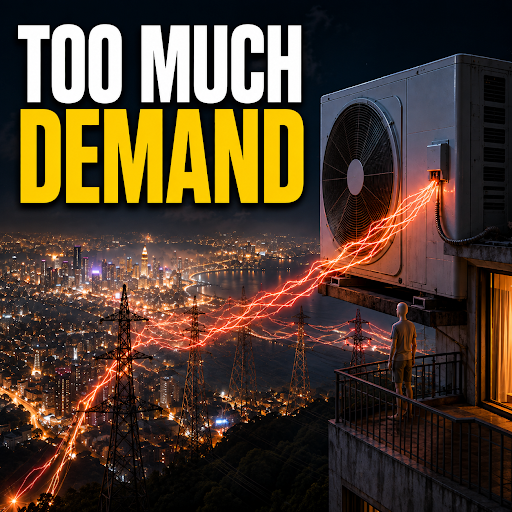
The Air-Conditioning Boom That Could Overwhelm Power Grids
FAQs
1. How does air conditioning affect electricity grids?
Air conditioning puts a significant strain on electricity grids, especially during hot summer months when demand for cooling is at its peak. This can lead to potential overloads and blackouts if the grid is not able to handle the increased demand.
2. What are the specific challenges that air conditioning poses to electricity grids?
The specific challenges include increased peak demand, which can strain the grid’s capacity, and the need for additional infrastructure to support the increased load. Additionally, air conditioning units often draw a large amount of power when they start up, which can cause voltage fluctuations and affect grid stability.
3. How can air conditioning impact electricity prices?
During periods of high demand for air conditioning, electricity prices can increase due to the need to bring additional, often more expensive, sources of power online to meet the increased demand. This can lead to higher electricity bills for consumers.
4. What are some potential solutions to mitigate the impact of air conditioning on electricity grids?
Some potential solutions include implementing demand response programs to reduce peak demand, improving energy efficiency of air conditioning units, and investing in smart grid technologies to better manage and distribute electricity during peak periods.
5. What are the long-term implications of air conditioning on electricity grids?
The long-term implications include the need for continued investment in grid infrastructure to support increasing demand for air conditioning, as well as the potential for increased strain on the grid as temperatures continue to rise due to climate change. It also highlights the importance of transitioning to more sustainable and energy-efficient cooling solutions.