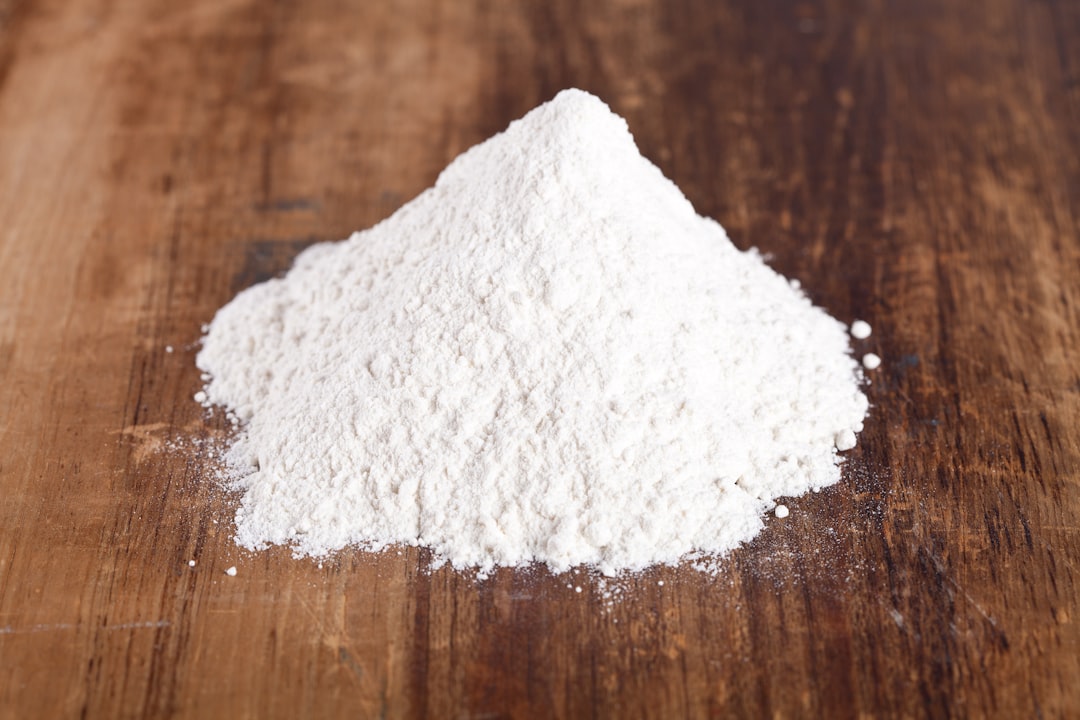
Fertilizers play a crucial role in modern agriculture, supplying essential nutrients to crops and boosting yields. However, concerns have arisen regarding the presence of heavy metals, particularly cadmium, in some fertilizer products. Cadmium is a toxic heavy metal that can accumulate in soils and crops, posing risks to both human and environmental health. This article will explore affordable low-cadmium fertilizers as a cost-effective solution for cultivating healthier crops.
The Nature of Cadmium
Cadmium (Cd) is a naturally occurring element found in the Earth’s crust. It is soft, malleable, and has a silvery-white appearance. While it has some industrial applications, its presence in fertilizers is primarily a consequence of the raw materials used in fertilizer production.
Sources of Cadmium in Fertilizers
The primary source of cadmium in phosphate fertilizers is the phosphate rock itself. Phosphate deposits often contain varying amounts of cadmium as an impurity. When these phosphate rocks are mined and processed into fertilizers, the cadmium is carried along. Other potential sources include byproducts from industrial processes that might be used as fertilizer components, although these are typically more stringently regulated.
Environmental and Health Implications of Cadmium Exposure
Cadmium is a persistent environmental pollutant. Once introduced into the soil, it can remain there for extended periods. In agricultural settings, cadmium can be absorbed by plants through their roots and subsequently accumulate in edible parts, such as grains and vegetables. When humans consume these contaminated crops, cadmium can build up in their bodies, particularly in the kidneys and liver. Chronic exposure to cadmium has been linked to a range of health problems, including kidney damage, bone disease, and an increased risk of certain cancers. The World Health Organization (WHO) has established guidelines for cadmium levels in food and water to protect public health.
Regulatory Landscape and Cadmium Limits
Recognizing the risks associated with cadmium, various regulatory bodies worldwide have established limits for cadmium content in fertilizers. These regulations vary by region and are often updated as more scientific information becomes available. For instance, the European Union has set strict maximum cadmium limits for phosphate fertilizers. These regulations serve as a critical tool to minimize the introduction of cadmium into agricultural systems.
The rising costs of low cadmium fertilizers have become a significant concern for farmers and agricultural producers, prompting discussions about sustainable practices and alternative solutions. For a deeper understanding of the implications and potential strategies related to this issue, you can read a related article on the topic at MyGeoQuest. This resource provides valuable insights into the challenges posed by fertilizer costs and the importance of adopting environmentally friendly agricultural practices.
The Advantages of Low-Cadmium Fertilizers
Minimizing Soil Contamination and Accumulation
One of the most significant benefits of using low-cadmium fertilizers is the reduction of cadmium buildup in agricultural soils. Over time, repeated application of cadmium-rich fertilizers can lead to elevated cadmium levels in the soil, making it more challenging to grow food crops safely. By opting for low-cadmium alternatives, farmers can act as responsible stewards of the land, preventing the insidious creep of this toxic metal into their fields.
Enhancing Crop Health and Quality
While cadmium itself is not a nutrient for plants, its presence can indirectly impact crop health. High cadmium levels in the soil can interfere with the uptake of essential nutrients by plants, leading to deficiencies and stunted growth. Furthermore, the accumulation of cadmium within plant tissues can affect crop quality and palatability, making them less desirable for consumption. Low-cadmium fertilizers, by contrast, provide essential nutrients without introducing harmful contaminants, allowing crops to thrive naturally, like a well-tended garden without invasive weeds.
Ensuring Food Safety and Human Health
The most profound advantage of low-cadmium fertilizers lies in their contribution to food safety. By reducing the cadmium content in the food chain, these fertilizers directly protect human health. Farmers who prioritize low-cadmium options are actively participating in a broader effort to ensure that the food reaching dinner tables is not a hidden source of harm. This is akin to building a reliable bridge instead of a precarious one to deliver nourishment.
Meeting Market Demands and Consumer Preferences
An increasing number of consumers are becoming aware of and concerned about the presence of heavy metals in their food. This growing awareness translates into a demand for food products produced using sustainable and health-conscious methods. Farmers who adopt low-cadmium fertilizers can better meet these market demands, potentially gaining a competitive edge and accessing premium markets that prioritize food safety and environmental responsibility. This foresight can position farmers as leaders, much like a seasoned captain navigating towards calmer waters.
Environmental Stewardship and Long-Term Sustainability
The use of low-cadmium fertilizers aligns with the principles of environmental stewardship and long-term agricultural sustainability. By avoiding the long-term contamination of soil, farmers are preserving the fertility and productivity of their land for future generations. This responsible approach fosters a more resilient agricultural ecosystem, capable of enduring the challenges of a changing climate and growing global population. It is an investment in the future, ensuring the land remains a fertile cradle for sustenance, not a poisoned chalice.
Identifying and Selecting Affordable Low-Cadmium Fertilizers

Understanding Fertilizer Labels and Certifications
Navigating the world of fertilizers can at times feel like deciphering an ancient script. However, careful attention to labeling can provide crucial insights. Manufacturers of reputable low-cadmium fertilizers often highlight their low-cadmium content directly on the product packaging. Look for specific claims or certifications that indicate adherence to reduced cadmium levels. Some regions or agricultural organizations may have their own certification programs for fertilizers with controlled heavy metal content.
Exploring Different Types of Low-Cadmium Fertilizers
Phosphate Fertilizers: The Primary Focus
As phosphate fertilizers are the most significant source of cadmium in agriculture, a substantial portion of the effort to reduce cadmium contamination has been directed towards them.
Soluble vs. Insoluble Phosphate Sources
The way phosphate is sourced and processed influences its cadmium content. For instance, some soluble phosphate fertilizers might be derived from raw materials with naturally lower cadmium levels or undergo specific purification processes.
Enhanced Biological Phosphate Fertilizers
These fertilizers often utilize microbial inoculants that can improve the availability of soil phosphorus and potentially mitigate the uptake of cadmium by plants. The microbes can form complexes with cadmium, making it less accessible to plant roots.
Organic Fertilizers with Low Cadmium Content
While not all organic fertilizers are inherently low in cadmium, some can be a viable option if sourced carefully. Compost made from specific materials and manure from animals not fed cadmium-contaminated feed can have significantly lower cadmium levels.
Alternative Nutrient Sources: Broadening the Horizon
Beyond phosphate, other nutrient sources can also be lower in cadmium.
Nitrogen Fertilizers
Most nitrogen fertilizers (e.g., urea, ammonium nitrate) generally have very low inherent cadmium contamination. Their primary concern relates to their nitrogen content and environmental impact, not heavy metals.
Potassium Fertilizers
Potassium fertilizers are typically mined from mineral deposits that are less prone to cadmium contamination compared to phosphate rock.
Micronutrient Products
Micronutrient fertilizers (e.g., iron, zinc, copper) are usually applied in smaller quantities and are generally formulated to be free of significant heavy metal contamination.
Cost-Effectiveness: Balancing Price and Purity
The term “affordable” is relative and depends on various factors, including crop type, geographical location, and market prices. However, the concept of cost-effectiveness for low-cadmium fertilizers extends beyond the initial purchase price.
Considering Long-Term Soil Health
While some low-cadmium fertilizers might have a slightly higher upfront cost compared to their cadmium-rich counterparts, their long-term benefits in preventing soil degradation and maintaining soil productivity can translate into greater cost-effectiveness over time. Investing in soil health is like investing in a robust foundation for a house; it pays dividends for years to come.
Reduced Risk of Crop Rejection or Lowered Market Value
Food produced with low-cadmium fertilizers is less likely to face rejection from markets with strict heavy metal regulations or suffer from reduced market value due to contamination concerns. This proactive approach can prevent significant financial losses for farmers.
Potential for Premium Pricing
In markets where consumer awareness of food safety is high, crops grown using low-cadmium fertilizers might command premium prices, further enhancing their cost-effectiveness.
Consulting Agricultural Extension Services and Experts
To make informed decisions about selecting the most appropriate and affordable low-cadmium fertilizers, farmers are encouraged to consult with local agricultural extension services, agronomists, or soil testing laboratories. These experts can provide tailored advice based on soil conditions, crop requirements, and the availability of specific fertilizer products in their region.
Practical Implementation of Low-Cadmium Fertilizers in Farming

Soil Testing: The Indispensable First Step
Before embarking on any fertilization program, conducting comprehensive soil tests is paramount. These tests reveal the existing nutrient levels, pH, and importantly, the baseline cadmium levels in the soil. This diagnostic assessment acts as a roadmap, guiding farmers toward the most suitable fertilizer choices and application rates. Without soil testing, fertilizer application can be akin to navigating a dense fog without a compass.
Tailoring Fertilization Programs
Based on soil test results and crop-specific nutrient requirements, farmers can develop tailored fertilization programs. This ensures that crops receive the necessary nutrients for optimal growth while minimizing the application of any potentially harmful substances.
Application Rates and Methods
The efficiency of nutrient uptake and the potential for cadmium accumulation are also influenced by fertilizer application rates and methodologies.
Avoiding Over-Application
Applying fertilizers in excess of crop needs can not only be economically wasteful but can also increase the risk of nutrient leaching and the unintended accumulation of undesirable elements. Precision in application is key.
Incorporating Fertilizers into the Soil
For certain types of fertilizers, incorporating them directly into the soil can improve nutrient availability and reduce nutrient losses through volatilization or surface runoff. This practice can also help to immobilize any residual cadmium present in the soil.
Monitoring Crop Health and Soil Cadmium Levels
The journey toward healthier crops and safer food does not end with the initial application of low-cadmium fertilizers. Ongoing monitoring is crucial.
Visual Inspection of Crops
Regularly observing crops for signs of nutrient deficiencies, disease, or stress can provide early indicators of potential issues.
Periodic Soil Cadmium Testing
Implementing a schedule for periodic soil cadmium testing, especially in areas with a history of cadmium contamination or intensive agricultural practices, is a prudent measure. This allows for tracking changes in soil cadmium levels and making necessary adjustments to fertilization strategies.
Integrating with Integrated Pest Management (IPM) Strategies
The principles of sustainability extend beyond fertilizer use. Integrating low-cadmium fertilizer practices with Integrated Pest Management (IPM) strategies creates a holistic approach to crop production. IPM focuses on minimizing pesticide use through a combination of biological, cultural, and chemical controls. This synergistic approach reinforces the commitment to producing healthy food in an environmentally responsible manner.
The rising costs of low cadmium fertilizer have become a significant concern for farmers and agricultural producers, prompting many to seek alternative solutions to maintain soil health and crop yields. A recent article discusses the implications of these rising prices and offers insights into sustainable farming practices that can mitigate the impact on agricultural productivity. For more information on this topic, you can read the full article here.
Benefits Beyond Cadmium Reduction
| Metric | Value | Unit | Notes |
|---|---|---|---|
| Average Price of Low Cadmium Fertilizer | 450 | per ton | Higher than standard fertilizer due to purification process |
| Price Premium Compared to Standard Fertilizer | 20 | percent | Additional cost farmers pay for low cadmium content |
| Cadmium Content Limit | 0.2 | mg/kg | Maximum allowed cadmium concentration in fertilizer |
| Cost Increase Due to Cadmium Removal | 50 | per ton | Estimated additional processing cost |
| Market Share of Low Cadmium Fertilizer | 15 | percent | Proportion of total fertilizer market |
| Environmental Compliance Cost | 30 | per ton | Costs related to meeting environmental regulations |
Improved Soil Structure and Fertility
While the primary focus is on cadmium reduction, many low-cadmium fertilizer options, particularly those that are organic or derived from biological processes, can also contribute to improved soil structure, water retention, and overall soil fertility. These fertilizers can act as a multi-tool for soil health, not just a single-purpose instrument.
Enhanced Microbial Activity in the Soil
Certain types of fertilizers, especially those containing organic matter or beneficial microbes, can stimulate and support a healthy soil microbiome. A robust soil ecosystem is essential for nutrient cycling, disease suppression, and plant growth.
Reduced Environmental Footprint
By minimizing the introduction of toxic heavy metals into the environment, the use of low-cadmium fertilizers contributes to a smaller overall environmental footprint of agricultural practices. This aligns with the growing global imperative for sustainable agriculture.
Supporting Ecosystem Health
The reduction of cadmium contamination in agricultural soils has broader implications for ecosystem health. It minimizes the risk of cadmium entering waterways through runoff and protects terrestrial and aquatic life from its toxic effects. This is like releasing a small dam that has been holding back a tide of pollution.
Contribution to Sustainable Development Goals
The adoption of practices that ensure food safety and environmental protection directly contributes to several of the United Nations’ Sustainable Development Goals, including Goal 2 (Zero Hunger), Goal 3 (Good Health and Well-being), and Goal 15 (Life on Land).
The Future of Low-Cadmium Fertilizers
Advancements in Fertilizer Production Technologies
Ongoing research and development are focused on refining fertilizer production technologies to further reduce or eliminate cadmium from fertilizer products. This includes exploring novel raw material sourcing and advanced purification techniques. The pursuit of this goal is akin to a sculptor meticulously refining their work.
Development of Bio-fortified Crops
Alongside advancements in fertilizer technology, research into bio-fortifying crops to reduce their cadmium uptake or enhance their ability to tolerate cadmium is also progressing. This offers a complementary strategy for ensuring food security and safety.
Increased Regulatory Oversight and Harmonization
As scientific understanding of cadmium’s impacts evolves, it is likely that regulatory frameworks will continue to be strengthened and potentially harmonized across different regions. This will create a more consistent and robust global approach to managing cadmium in fertilizers.
Growing Consumer Demand and Market Incentives
The increasing consumer awareness and demand for safe and sustainably produced food will continue to drive market demand for low-cadmium fertilizers. This will create stronger economic incentives for manufacturers and farmers to adopt these practices.
A Shift Towards Proactive Soil Management
The trend is moving away from reactive problem-solving towards proactive soil management. This includes a greater emphasis on preventing the accumulation of contaminants like cadmium, rather than trying to remediate them after they have become established in the soil. This forward-thinking approach is crucial for the long-term viability of agriculture.
FAQs
What is low cadmium fertilizer?
Low cadmium fertilizer is a type of agricultural fertilizer that contains minimal amounts of cadmium, a toxic heavy metal. It is designed to reduce cadmium accumulation in soil and crops, promoting safer food production.
Why is the cost of low cadmium fertilizer generally higher than regular fertilizer?
The cost is typically higher due to the additional processing required to remove or reduce cadmium content, sourcing of low-cadmium raw materials, and compliance with stricter environmental and safety standards.
How does the use of low cadmium fertilizer impact crop safety?
Using low cadmium fertilizer helps limit the uptake of cadmium by plants, reducing the risk of cadmium entering the food chain and thereby improving the safety and quality of agricultural products.
Are there any economic benefits to using low cadmium fertilizer despite its higher cost?
Yes, benefits include meeting regulatory requirements, avoiding potential penalties, improving marketability of crops, and protecting soil health, which can lead to long-term economic gains for farmers.
Where can farmers typically purchase low cadmium fertilizer?
Low cadmium fertilizers are available through specialized agricultural suppliers, some commercial fertilizer manufacturers, and distributors who focus on environmentally friendly or certified products. Availability may vary by region.