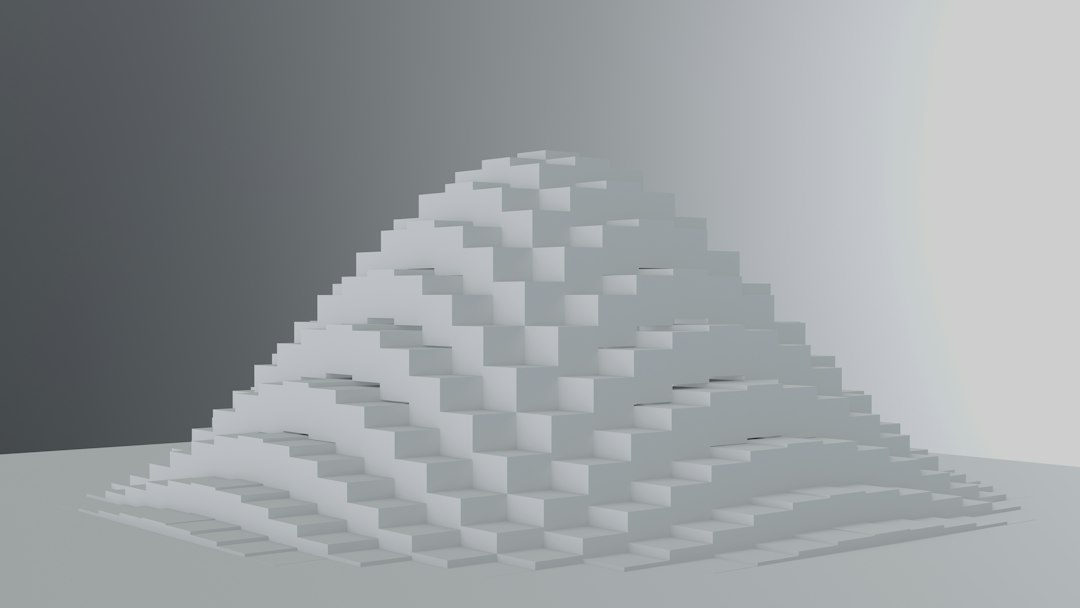
The quiet hum of processors and the intricate dance of algorithms are increasingly becoming frontline defenders against the destructive power of avalanches. For decades, avalanche forecasting relied heavily on the experience of seasoned forecasters, their observations of snowpack stability, and weather patterns. While invaluable, this approach inherently carried a degree of subjectivity and could struggle to accurately predict the precise timing and scale of potential slides, especially in complex terrain or under rapidly changing conditions. The advent and rapid evolution of computer modelling, however, are fundamentally transforming avalanche safety, moving from qualitative assessments to increasingly sophisticated quantitative predictions. These advanced models are not merely replacing human expertise; they are augmenting it, providing forecasters with powerful tools to analyze vast datasets, simulate complex physical processes, and ultimately deliver more precise and timely safety forecasts to backcountry enthusiasts, ski resorts, and emergency services.
The Shifting Sands of Snowpack Science
The behavior of an avalanche is a product of a complex interplay of factors, all rooted in the fundamental properties of snow and its accumulation over time. Understanding these factors is the bedrock upon which all avalanche modelling is built. The process begins with the formation of the snowpack itself. As precipitation falls, its crystal structure is influenced by temperature, humidity, and wind. These initial snow crystals can then transform through a variety of metamorphism processes, such as sintering (bonding of crystals), faceting (growth of angular crystals due to temperature gradients), and granularization (rounding of crystals). These metamorphic changes profoundly affect the strength and stability of different layers within the snowpack.
Layered Histories: Unraveling Snowpack Stratigraphy
One of the most critical aspects of avalanche forecasting is understanding the layered structure of the snowpack, known as stratigraphy. Each snowfall event, followed by periods of wind, sun, or temperature fluctuations, creates distinct layers with varying properties. Computer models aim to replicate this layering process, often starting with basic meteorological data. Early models might treat the snowpack as a series of distinct layers, each with defined properties like density, temperature, and crystal type. Modern advancements allow for much finer resolution, simulating the accumulation and transformation of snow at a much more granular level, akin to a three-dimensional digital representation of the mountainside.
The Elusive Weak Layer: Identifying Critical Instabilities
The formation of weak layers is the primary trigger for many dangerous avalanches. These layers, often characterized by loose, unconsolidated snow (like surface hoar or depth hoar), can lose their bonding strength with the layers above and below. Identifying these weak layers, their extent, and their susceptibility to triggering is a major challenge for both human observation and computer modelling. Advances in modelling focus on simulating the physical processes that lead to weak layer formation, such as specific temperature gradients within the snowpack, the presence of moisture, and the rate of snow accumulation.
Forces at Play: Understanding Stress and Strain
Avalanche modelling also seeks to quantify the forces that act upon the snowpack. These include the weight of the snow itself, which creates gravitational stress. Wind, as a dynamic force, can deposit snow unevenly, creating cornices and overloads, and also exert shear forces on the snowpack surface. Temperature changes, particularly rapid warming, can reduce the cohesion between snow grains and increase pore pressure due to melting, weakening the entire structure. Models incorporate these forces to predict where stress might exceed the snowpack’s shear strength, leading to failure and an avalanche.
Avalanche computer modeling is a critical area of research that helps in understanding and predicting avalanche behavior, which can significantly enhance safety measures in mountainous regions. For those interested in exploring this topic further, a related article can be found at MyGeoQuest, where various aspects of geospatial analysis and modeling techniques are discussed in detail. This resource provides valuable insights into the methodologies used in avalanche prediction and risk assessment.
From Static Representations to Dynamic Simulations
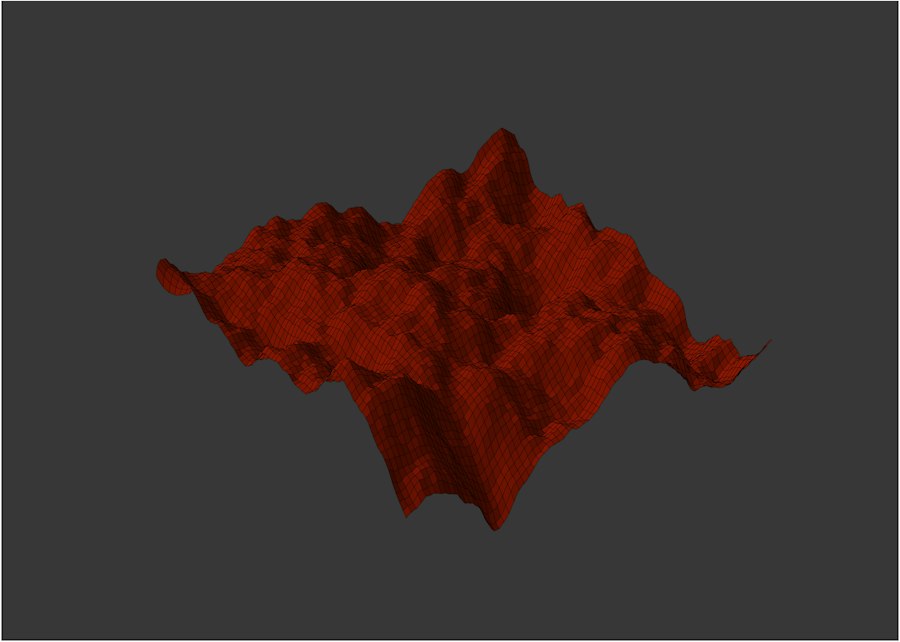
Early attempts at avalanche modelling often relied on relatively static representations of the snowpack, using simplified physics and limited datasets. These models could provide a general indication of avalanche risk but lacked the precision needed for fine-grained forecasting. The paradigm shift has been towards dynamic simulations, where the model continuously updates its representation of the snowpack based on incoming meteorological data and simulated physical processes. This allows for a more accurate and nuanced understanding of evolving avalanche conditions.
Embracing the Cloud: Leveraging Big Data and Cloud Computing
The sheer volume of data required for sophisticated avalanche modelling is immense. This includes historical and real-time meteorological data (temperature, precipitation, wind speed and direction, humidity), snow measurements (depth, density, temperature profiles), and topographic data. Cloud computing has been a game-changer, providing the necessary processing power and storage capacity to handle these vast datasets. It allows for complex simulations to be run efficiently, enabling forecasters to generate up-to-date assessments. This also facilitates the integration of data from diverse sources, such as remote sensing technologies and citizen science contributions.
The Algorithmic Arsenal: Sophisticated Physical Models
At the heart of advanced avalanche modelling are complex physical models that attempt to replicate the intricate processes governing snowpack behavior. These models often employ a multi-layered approach, simulating the accumulation, transformation, and mechanical properties of snow. They incorporate principles of thermodynamics, fluid dynamics, and solid mechanics. For instance, some models might simulate the formation of ice lenses due to melting and refreezing, or the propagation of cracks through the snowpack. The accuracy of these models is constantly being improved through ongoing research into snow physics and validation against real-world avalanche events.
A Visual Language: The Rise of 3D and GIS Integration
Geographic Information Systems (GIS) have become an indispensable tool in avalanche modelling. Topographic data, including slope angle, aspect (direction a slope faces), elevation, and exposure to wind, are crucial in determining avalanche potential. Advanced models integrate this spatial data with snowpack simulations, creating three-dimensional representations of the terrain and its snow cover. This allows forecasters to visualize where avalanches are most likely to occur, the potential runout paths, and the areas that might be impacted. This spatial understanding is critical for evacuation planning and route selection.
Beyond the Forecast: Enhanced Risk Assessment and Mitigation
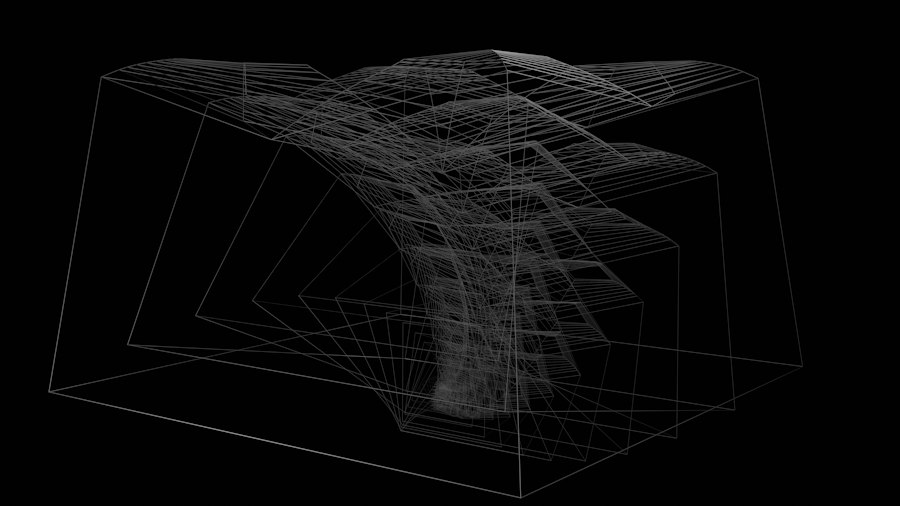
The ultimate goal of avalanche computer modelling is to enhance safety by providing more accurate and actionable forecasts. However, the impact of these models extends beyond simple risk assessment, contributing to a broader spectrum of mitigation strategies and a deeper understanding of avalanche dynamics.
Quantifying the Threat: Probabilistic Forecasting and Uncertainty
Traditional avalanche forecasts often used qualitative terms like “low,” “moderate,” “considerable,” or “high” risk. While useful, these categories can still leave room for interpretation. Advanced modelling is moving towards probabilistic forecasting, where the likelihood of an avalanche occurring on a specific slope, with a particular trigger, is expressed as a percentage. This provides a more precise quantification of risk, allowing users to make more informed decisions based on their own risk tolerance. Furthermore, these models are also capable of expressing the uncertainty associated with their predictions, acknowledging the inherent complexities and limitations of the data and simulations.
Simulating Scenarios: What-If Analysis for Preparedness
One of the most powerful applications of avalanche modelling is its ability to perform “what-if” scenarios. Forecasters can simulate the potential impact of different weather events, such as a sudden increase in temperature or a heavy snowfall, on the existing snowpack. They can also model the effects of different triggering mechanisms, such as a skier or a snowmobile. This allows for proactive planning and preparedness, helping authorities to anticipate potential dangers and develop effective response strategies. For example, simulations can help determine the areas most vulnerable to debris flow from a large avalanche, aiding in the design of mitigation structures.
Informing Infrastructure and Land Use: Long-Term Safety Planning
Beyond immediate forecasts, avalanche modelling plays a vital role in long-term safety planning. It can inform decisions about where to build infrastructure, such as ski resorts, roads, or buildings in avalanche-prone areas. By simulating the frequency and magnitude of historical and potential future avalanches, planners can identify areas that are too high-risk for development or require significant protective measures. This data-driven approach contributes to more sustainable and safer land-use planning in mountainous regions.
The Human Element: Augmenting, Not Replacing, Expertise
A common misconception is that advanced computer modelling will render experienced avalanche forecasters obsolete. This is far from the truth. Instead, these models are powerful tools that augment and enhance human expertise, allowing forecasters to be more efficient, objective, and comprehensive in their assessments. The art and science of avalanche forecasting have always relied on a combination of observation, experience, and analytical skills. Computer models provide a more sophisticated analytical framework.
The Forecaster as Curator: Interpreting and Validating Model Output
While models can generate vast amounts of data and predictions, they still require human interpretation. Experienced forecasters possess a deep understanding of local terrain, snowpack variability, and the nuances of weather systems that even the most sophisticated models may not fully capture. They use their knowledge to validate model output, identify potential discrepancies, and integrate model-generated information with their own field observations and intuition. The forecaster acts as a curator, sifting through the digital deluge to extract the most relevant and actionable information.
Bridging the Gap: Communicating Complex Risks Effectively
One of the challenges in avalanche safety is effectively communicating complex risks to the public. Computer models can provide precise data, but this needs to be translated into clear, understandable language that backcountry users and communities can act upon. Forecasters are increasingly adept at using visualization tools derived from models, such as hazard maps and probability charts, to communicate risk more effectively. This human element of communication, bridging the gap between scientific output and public understanding, remains paramount.
The Feedback Loop: Improving Models Through Real-World Data
The ongoing development and refinement of avalanche models depend on a continuous feedback loop with real-world data. When avalanches do occur, forecasters meticulously analyze the event, comparing it to model predictions. This allows them to identify areas where the model may have fallen short, leading to adjustments in the model’s parameters or algorithms. This iterative process of simulation, observation, and refinement is crucial for improving the accuracy and reliability of avalanche forecasting over time.
Avalanche computer modelling is a crucial area of research that helps predict and understand the dynamics of snow avalanches, which can have devastating effects on both natural landscapes and human settlements. For those interested in exploring this topic further, a related article discusses the latest advancements in simulation techniques and their applications in avalanche forecasting. You can read more about it in this insightful piece on avalanche prediction technologies. This research not only enhances safety measures but also contributes to the broader field of environmental science.
The Horizon of Avalanche Prediction: Future Directions and Challenges
| Metric | Description | Typical Range/Value | Unit |
|---|---|---|---|
| Snow Density | Density of the snowpack used in simulations | 150 – 450 | kg/m³ |
| Slope Angle | Inclination of the terrain where avalanche initiates | 25 – 45 | Degrees |
| Snow Layer Thickness | Thickness of individual snow layers in the model | 0.1 – 1.0 | m |
| Friction Coefficient | Coefficient representing friction between snow and ground | 0.1 – 0.4 | Dimensionless |
| Release Area | Area of snowpack that releases during avalanche | 100 – 10,000 | m² |
| Flow Velocity | Speed of avalanche flow during simulation | 10 – 40 | m/s |
| Runout Distance | Distance traveled by avalanche from release point | 100 – 3,000 | m |
| Simulation Time Step | Time interval used in numerical simulation | 0.01 – 1.0 | seconds |
| Model Resolution | Spatial resolution of the computational grid | 1 – 10 | m |
| Snow Temperature | Temperature of snowpack affecting stability | -20 to 0 | °C |
The field of avalanche computer modelling is dynamic and constantly evolving. Researchers and developers are pushing the boundaries of what is possible, driven by the ongoing need to improve safety in mountain environments. Several key areas represent the cutting edge of this research and offer a glimpse into the future of avalanche prediction.
The Power of Particles: Granular Snowpack Simulations
A significant area of ongoing research involves the development of more sophisticated models that treat snow as a collection of individual particles. These granular models can capture the complex interactions between snow grains, including friction, collisions, and packing densities. This allows for a more detailed simulation of snowpack behavior, particularly concerning its strength and deformation characteristics. By understanding these micro-scale interactions, researchers aim to develop models that can more accurately predict the onset and propagation of fractures within the snowpack.
Seeing is Believing: Advances in Remote Sensing and Data Assimilation
Remote sensing technologies, such as satellite imagery, LiDAR, and ground-based radar, are providing unprecedented amounts of data about snowpack properties. Future advancements will focus on integrating this data more seamlessly into avalanche models through advanced data assimilation techniques. This will allow models to be constantly updated with real-time information about snow depth, density, and temperature, leading to more accurate and dynamic forecasts. Imagine models that can automatically incorporate measurements from drones equipped with specialized sensors, or that can infer snowpack conditions from subtle changes in the landscape.
Machine Learning’s Moment: Unlocking Predictive Patterns
The application of machine learning (ML) and artificial intelligence (AI) to avalanche modelling is a rapidly expanding frontier. ML algorithms can be trained on vast datasets of historical avalanche events, meteorological data, and terrain characteristics to identify complex patterns and relationships that may not be apparent to human analysts or traditional physics-based models. This could lead to the development of entirely new predictive capabilities, allowing models to forecast avalanche likelihood with greater accuracy and at finer spatial resolutions. ML could also be used to optimize the parameterization of existing physics-based models, improving their performance.
The Global Challenge: Standardizing and Sharing Knowledge
Despite the significant progress, challenges remain. Standardizing methodologies and data formats across different research institutions and forecasting centers is crucial for facilitating collaboration and knowledge sharing. The development of open-source modelling platforms and data repositories would accelerate progress and ensure that the benefits of advanced modelling are accessible to a wider community. Furthermore, ensuring the equitable application of these technologies in diverse mountainous regions worldwide, particularly those with fewer resources, is an important ethical consideration for the future. The goal is a world where advanced avalanche prediction contributes to safety for all who venture into snow-covered mountains.
The Social Security Mistake At 62 That Could Ruin Your Spouse’s Retirement
FAQs
What is avalanche computer modelling?
Avalanche computer modelling is a method used to simulate and predict the behavior of avalanches using computer algorithms and mathematical equations.
How does avalanche computer modelling work?
Avalanche computer modelling works by inputting data such as snowpack conditions, terrain features, and weather patterns into a computer program that then calculates the likelihood and potential impact of an avalanche occurring in a specific area.
What are the benefits of using avalanche computer modelling?
The benefits of using avalanche computer modelling include providing valuable insights for avalanche forecasting, risk assessment, and mitigation strategies, which can help save lives and prevent property damage in avalanche-prone areas.
What are some limitations of avalanche computer modelling?
Some limitations of avalanche computer modelling include the complexity of accurately representing all factors that contribute to avalanche formation, uncertainties in input data, and the need for continuous refinement and validation of the models.
How accurate are avalanche computer models in predicting avalanches?
Avalanche computer models can provide valuable insights and predictions, but their accuracy can vary depending on the quality of input data, the complexity of the terrain, and the limitations of the model itself. Continuous improvement and validation are essential for enhancing the accuracy of avalanche computer models.