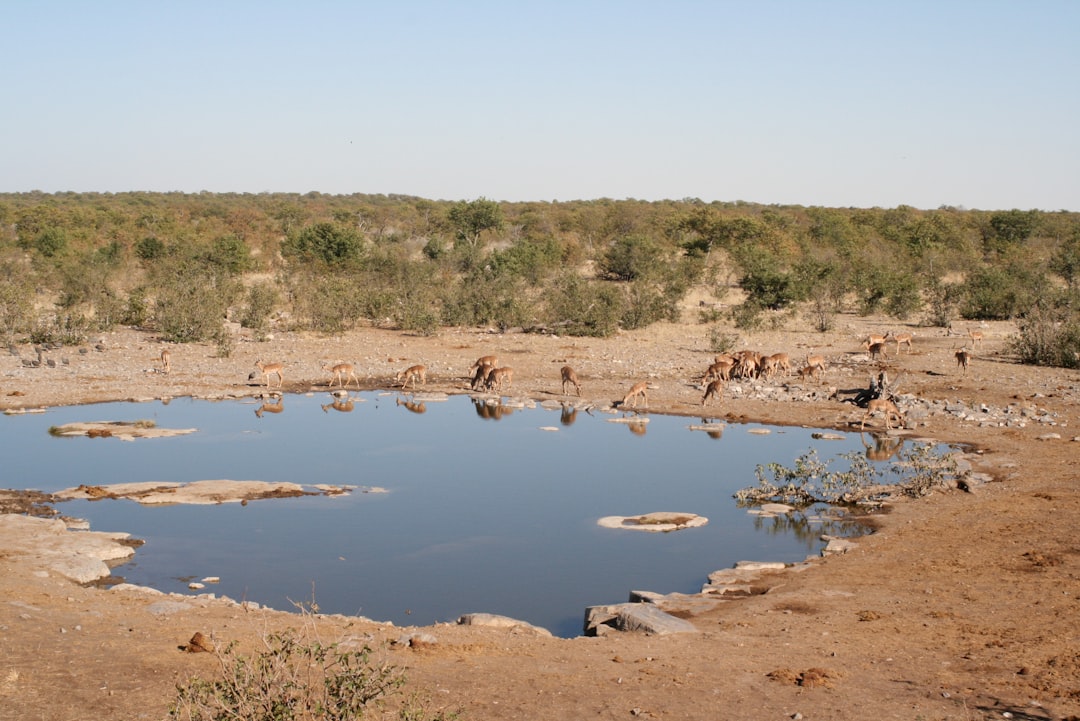
The growing challenge of freshwater scarcity in North America demands immediate and comprehensive attention. This article aims to explore the multifaceted nature of this issue, delving into its root causes, the varied impacts across the continent, and the crucial strategies being implemented and considered to ensure a sustainable water future for all inhabitants and ecosystems.
Climate change acts as a relentless sculptor, fundamentally reshaping the availability and distribution of freshwater across North America. Its influence is not a distant threat but a present reality, casting a long shadow over the continent’s water resources.
Shifting Precipitation Patterns: The Unpredictable Rain Gauge
One of the most significant consequences of a warming planet is the alteration of precipitation patterns. While some regions may experience increased rainfall, many others are facing a stark reduction, turning once reliable rain gauges into unreliable indicators of future water supply.
Drought Intensification and Frequency: The Parched Earth
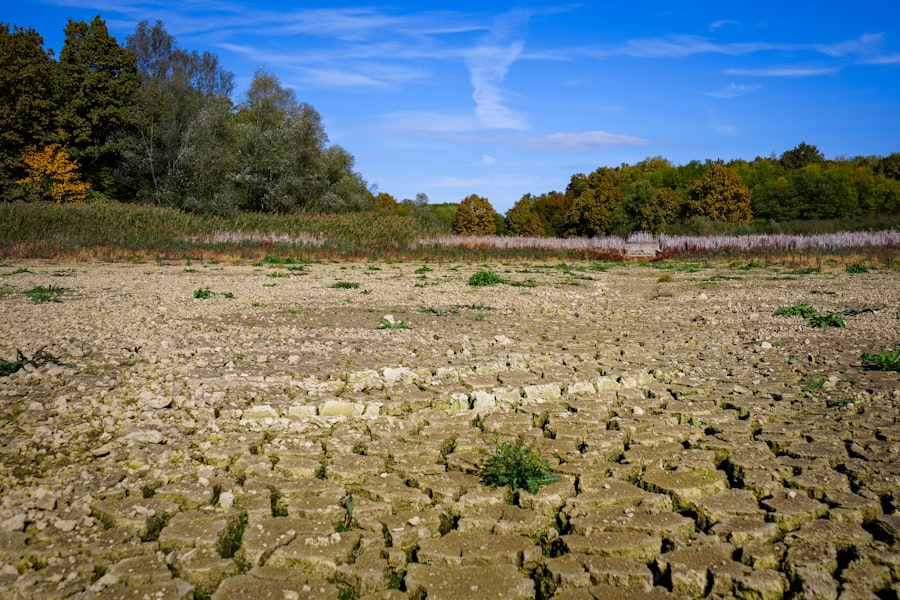
The intensification and increased frequency of droughts represent a critical manifestation of these shifting patterns. Vast swathes of land are experiencing prolonged periods of deficient rainfall, leading to the desiccation of soils, diminished river flows, and the depletion of groundwater reserves. This parched earth is a stark visual reminder of the escalating struggle for water.
Extreme Weather Events: The Deluge and the Drought’s Twin
Conversely, climate change also fuels the rise of extreme weather events. Intense, short-duration rainfall can lead to flash floods, overwhelming existing infrastructure and causing immediate damage. These deluges, however, often fail to replenish groundwater or provide sustained moisture for agriculture, highlighting the paradoxical nature of water scarcity when coupled with extreme precipitation.
Melting Glaciers and Snowpack: The Diminishing Ice Chest
North America’s vital glaciers and snowpack, functioning as natural ice chests for freshwater, are receding at an alarming rate. These frozen reservoirs provide a crucial, albeit shrinking, source of water during drier months, particularly for the western United States and Canada.
Reduced Summer Runoff: The Dry Summer Tap
As glaciers melt and snowpack diminishes, the flow of rivers that rely on this meltwater is significantly reduced during the crucial summer months. This reduction in summer runoff directly impacts irrigation, hydroelectric power generation, and municipal water supplies, effectively turning the summer tap off for many communities.
Altered Water Quality: The Stolen Purity
The accelerated melting of glacial ice and snowpack also has implications for water quality. As these ancient ice formations melt, they can release stored pollutants and sediment into waterways, compromising the purity of the freshwater that eventually reaches human consumption and ecosystems.
Rising Temperatures and Increased Evaporation: The Thirsty Air
Higher ambient temperatures amplify the problem by increasing evaporation rates from open water bodies, soil, and plant surfaces. The air itself becomes thirstier, drawing moisture away from the land and water sources at an accelerated pace.
Evapotranspiration Losses: The Plant’s Silent Struggle
Plants, essential for the ecosystem’s water cycle, also contribute to water loss through evapotranspiration – the combined process of evaporation from surfaces and transpiration from plants. With rising temperatures, this process intensifies, placing additional stress on vegetation and further depleting available soil moisture.
Freshwater scarcity in North America is an increasingly pressing issue, as climate change, population growth, and mismanagement of resources exacerbate the situation. For a deeper understanding of this critical topic, you can explore the article on water conservation strategies and their importance in mitigating freshwater shortages. This article provides valuable insights and practical solutions to address the challenges posed by water scarcity. To read more, visit this link.
Agricultural Demands: The Thirsty Fields of Plenty
Agriculture, the bedrock of food security across North America, is also the continent’s largest consumer of freshwater. The insatiable demand from vast agricultural landscapes presents a significant challenge when water resources are becoming increasingly strained.
Irrigation’s Insatiable Thirst: Watering the Harvest
Irrigation, the artificial application of water to land or soil, is vital for maintaining crop yields in many of North America’s agriculturally rich regions. However, inefficient irrigation practices and the sheer scale of irrigated land make this sector a primary driver of freshwater depletion.
Over-extraction from Surface and Groundwater: The Draining Reservoir
The reliance on irrigation often leads to over-extraction from both surface water sources like rivers and lakes, and vital underground aquifers. This continuous draining acts like a relentless siphon, depleting these reservoirs faster than they can be naturally replenished, leaving behind the hollowed husks of once abundant sources.
Water-Intensive Crops: The Thirsty Choices
The selection of crops themselves contributes significantly to agricultural water demand. Certain staple crops, while economically important, are inherently water-intensive, requiring substantial amounts of water for their growth and optimal yield. These “thirsty choices” place a disproportionate burden on already stressed water systems.
Inefficient Practices: The Leaky Faucet of Agriculture
Despite the critical need for water conservation, many agricultural practices remain inefficient, leading to significant water wastage. These inefficiencies act as a leaky faucet, allowing precious water to dribble away before it can reach the plant roots.
Sub-optimal Delivery Systems: The Untamed Flow
Outdated or poorly maintained irrigation systems, such as flood or furrow irrigation, are inherently inefficient, with a substantial portion of the water lost to evaporation or runoff before reaching the crops. This represents an untamed flow, lacking the precision needed for conservation.
Lack of Water-Saving Technologies: The Untapped Potential
The adoption of advanced water-saving technologies, such as drip irrigation or precision sprinkler systems, is not yet widespread across all agricultural regions. This lack of uptake signifies untapped potential for significant water conservation within the sector.
Urbanization and Industrialization: The Thirsty Hubs of Progress

North America’s burgeoning urban centers and expanding industrial sectors create concentrated points of high water demand, placing immense pressure on local and regional water supplies. These hubs of progress are also hubs of thirst.
Growing Urban Populations: The Swelling Tide
The continuous growth of urban populations across North America directly translates to increased demand for potable water for residential use, sanitation, and public services. This swelling tide of humanity requires a steady and reliable flow of freshwater.
Increased Domestic Consumption: The Expanding Reach of the Tap
As cities grow, so does the reach of the tap. More households mean more water used for drinking, cooking, bathing, and flushing. This increased domestic consumption, while essential for human well-being, contributes to the overall strain on municipal water systems.
Inadequate Infrastructure: The Aging Pipes
Many urban areas are grappling with aging and often inadequate water infrastructure. Leaky pipes can result in substantial water loss before it even reaches consumers, akin to the silent theft of water through a network of crumbling conduits. Investing in modern, efficient infrastructure is paramount.
Industrial Water Use: The Manufacturing Thirst
Industrial processes, from manufacturing to energy production, are significant water consumers. Many industries rely on water for cooling, cleaning, and as a component in their products. This manufacturing thirst adds another layer to the complex demand equation.
Cooling and Processing Needs: The Industrial Sponge
The immense water requirements for cooling industrial machinery and processing raw materials are substantial. These processes act like an industrial sponge, soaking up vast quantities of water, which, if not managed responsibly, can deplete local sources.
Wastewater Discharge and Contamination: The Polluted Runoff
Industrial activities can also lead to the discharge of wastewater, which, if not treated properly, can contaminate freshwater sources, rendering them unusable and exacerbating scarcity issues. This polluted runoff is a direct threat to the health of our water bodies.
Ecosystem Health: The Unseen Thirst of Nature
The health and vitality of North America’s natural ecosystems are intrinsically linked to the availability of freshwater. When human demands outstrip natural supplies, it is the environment that often bears the brunt of the scarcity, experiencing its own unseen thirst.
Aquatic Ecosystems: The Draining Veins of the Continent
Rivers, lakes, wetlands, and estuaries are the lifeblood of the continent’s biodiversity. When water levels decline, these aquatic ecosystems suffer immeasurable damage.
Reduced Instream Flows: The Stunted Riverbed
Insufficient instream flows, the amount of water required to maintain healthy river ecosystems, can lead to the degradation of habitats, impacting fish spawning grounds, aquatic invertebrates, and the overall ecological function of the river. This leaves riverbeds stunted and struggling.
Habitat Loss and Fragmentation: The Broken Links in the Chain
Declining water levels and altered flow regimes can lead to habitat loss and fragmentation for a wide array of aquatic species. This breaks vital links in the ecological chain, making it difficult for populations to survive and thrive.
Terrestrial Ecosystems: The Withering Green Lungs
Terrestrial ecosystems, including forests and grasslands, also rely on a steady supply of freshwater for their survival. Droughts and reduced water availability can have devastating consequences for these vital natural resources.
Plant Stress and Mortality: The Wilting Leaves
Prolonged water scarcity places significant stress on vegetation, leading to wilting, reduced growth, and in severe cases, widespread plant mortality. These wilting leaves are a visible sign of nature’s struggle.
Increased Wildfire Risk: The Kindling Dryness
Drier conditions, exacerbated by water scarcity, create ideal conditions for wildfires. The parched vegetation acts like tinder, making ecosystems more susceptible to ignition and the rapid spread of uncontrollable blazes, further impacting water quality and availability.
Freshwater scarcity in North America is becoming an increasingly pressing issue, impacting both urban and rural communities. As populations grow and climate change exacerbates water shortages, innovative solutions are necessary to address this challenge. A related article discusses various strategies for sustainable water management and conservation efforts that can help mitigate the effects of this crisis. For more insights on this topic, you can read the full article here.
Solutions and Strategies: Planting the Seeds of Water Sustainability
| Metric | Value | Unit | Notes |
|---|---|---|---|
| Annual Renewable Freshwater Supply | 6,000 | km³/year | Estimated total for North America |
| Per Capita Freshwater Availability | 15,000 | m³/year | Average across North America |
| Percentage of Population in Water-Stressed Areas | 15% | Percent | Regions with less than 1,700 m³ per capita per year |
| Annual Water Withdrawal | 480 | km³/year | Includes agriculture, industry, and domestic use |
| Percentage of Water Used by Agriculture | 70% | Percent | Major water consumer in North America |
| Groundwater Depletion Rate | 2.5 | km³/year | Estimated annual depletion in key aquifers |
| Number of Major Rivers Experiencing Reduced Flow | 5 | Count | Due to over-extraction and climate change |
| Projected Increase in Water Demand by 2050 | 40% | Percent | Based on population and economic growth |
Addressing the complex challenge of freshwater scarcity requires a multi-pronged approach, integrating technological innovation, policy reform, and a fundamental shift in public perception towards water conservation. Planting the seeds of sustainability requires a concerted and collaborative effort.
Water Conservation and Efficiency: The Frugal Use of the Liquid Gold
At its core, addressing scarcity lies in using what we have more responsibly.water conservation and the implementation of efficiency measures are paramount.
Promoting Water-Wise Practices: The Conscious Drop
Encouraging individuals, businesses, and industries to adopt water-wise practices is essential. This includes simple measures like fixing leaks, installing low-flow fixtures, and utilizing drought-tolerant landscaping. Each conscious drop saved contributes to the collective good.
Agricultural Water Management Improvements: The Intelligent Irrigation
Investing in and implementing advanced agricultural water management techniques is crucial. This includes the widespread adoption of drip irrigation, precision agriculture, and drought-resistant crop varieties. Intelligent irrigation ensures that water is delivered precisely where and when it is needed.
Industrial Water Reuse and Recycling: The Closed-Loop System
Industries must prioritize water reuse and recycling within their operations. Implementing closed-loop systems can significantly reduce the reliance on fresh water sources, transforming waste into a valuable resource.
Infrastructure Investment and Innovation: The Modern Artery
Modernizing and expanding water infrastructure is vital to ensure efficient delivery, minimize loss, and explore new water sources.
Leak Detection and Repair Programs: The Mending of the Artery
Implementing robust leak detection and repair programs for municipal water distribution systems can drastically reduce water loss. Mending these aging arteries ensures that water reaches its destination efficiently.
Water Treatment and Desalination Technologies: The New Sources
Investing in advanced water treatment technologies, including desalination of brackish water and even seawater, can open up new sources of freshwater, particularly for coastal regions. These technologies offer a lifeline where traditional sources are depleted.
Stormwater Management and Rainwater Harvesting: Capturing the Sky’s Bounty
Developing effective stormwater management systems and promoting rainwater harvesting at both individual and community levels can capture valuable precipitation that would otherwise be lost, essentially capturing the sky’s bounty.
Policy and Governance: The Guiding Hand
Effective policy and strong governance frameworks are essential to manage water resources equitably and sustainably.
Water Pricing and Allocation Reforms: The Fair Share
Reforming water pricing structures to reflect its true value and implementing equitable water allocation policies can incentivize conservation and ensure fair access for all users. This involves defining a fair share for every demand.
Integrated Water Resource Management (IWRM): The Holistic View
Adopting an Integrated Water Resource Management (IWRM) approach, which considers all aspects of the water cycle and involves all stakeholders, is crucial for holistic and sustainable water management. This provides a holistic view of the interconnected water system.
Transboundary Water Cooperation: The Shared Riverbanks
For transboundary water resources, fostering cooperation and agreements between different jurisdictions (e.g., between US states, Canada and the US, or Mexican states and the US) is vital to prevent conflict and ensure equitable management. This means respecting the shared riverbanks.
Public Awareness and Education: The Cultivation of a Water Ethic
A fundamental shift in public perception and a cultivated water ethic are perhaps the most powerful tools in the fight against scarcity.
Education Campaigns: The Spreading of Knowledge
Implementing comprehensive education campaigns to inform the public about the importance of water conservation, the challenges of scarcity, and practical ways to reduce water usage is vital. Spreading this knowledge is paramount.
Community Engagement and Participation: The Collective Effort
Engaging communities in water management decisions and encouraging active participation in conservation efforts fosters a sense of shared responsibility and collective ownership of water resources. This cultivates a collective effort towards sustainability.
The challenge of freshwater scarcity in North America is a complex tapestry woven from climate change, agricultural demands, urban growth, industrial needs, and the health of our ecosystems. It is not a problem that can be solved overnight, nor by any single entity. However, by understanding the intricate connections, embracing innovation, enacting responsible policies, and fostering a collective commitment to conservation, North America can navigate this dry spell and ensure a sustainable and equitable water future for generations to come. The metaphorical planting of seeds today will yield the vital water reserves of tomorrow.
SHOCKING: Why the Great Lakes Are Already Being Sold
FAQs
What is freshwater scarcity?
Freshwater scarcity refers to the lack of sufficient available freshwater resources to meet the demands of water usage within a region. It can result from factors such as overuse, pollution, and climate change.
What causes freshwater scarcity in North America?
Freshwater scarcity in North America is caused by a combination of factors including population growth, agricultural and industrial water use, droughts, pollution, and climate change impacting water availability and quality.
Which areas in North America are most affected by freshwater scarcity?
Regions such as the southwestern United States, parts of Mexico, and some areas in western Canada experience significant freshwater scarcity due to arid climates, high water demand, and limited water supply.
How does freshwater scarcity impact communities and ecosystems?
Freshwater scarcity can lead to reduced agricultural productivity, health issues due to lack of clean water, economic losses, and harm to aquatic ecosystems and biodiversity.
What measures are being taken to address freshwater scarcity in North America?
Efforts include water conservation programs, improved water management policies, investment in infrastructure for water recycling and desalination, and initiatives to protect and restore natural water sources.