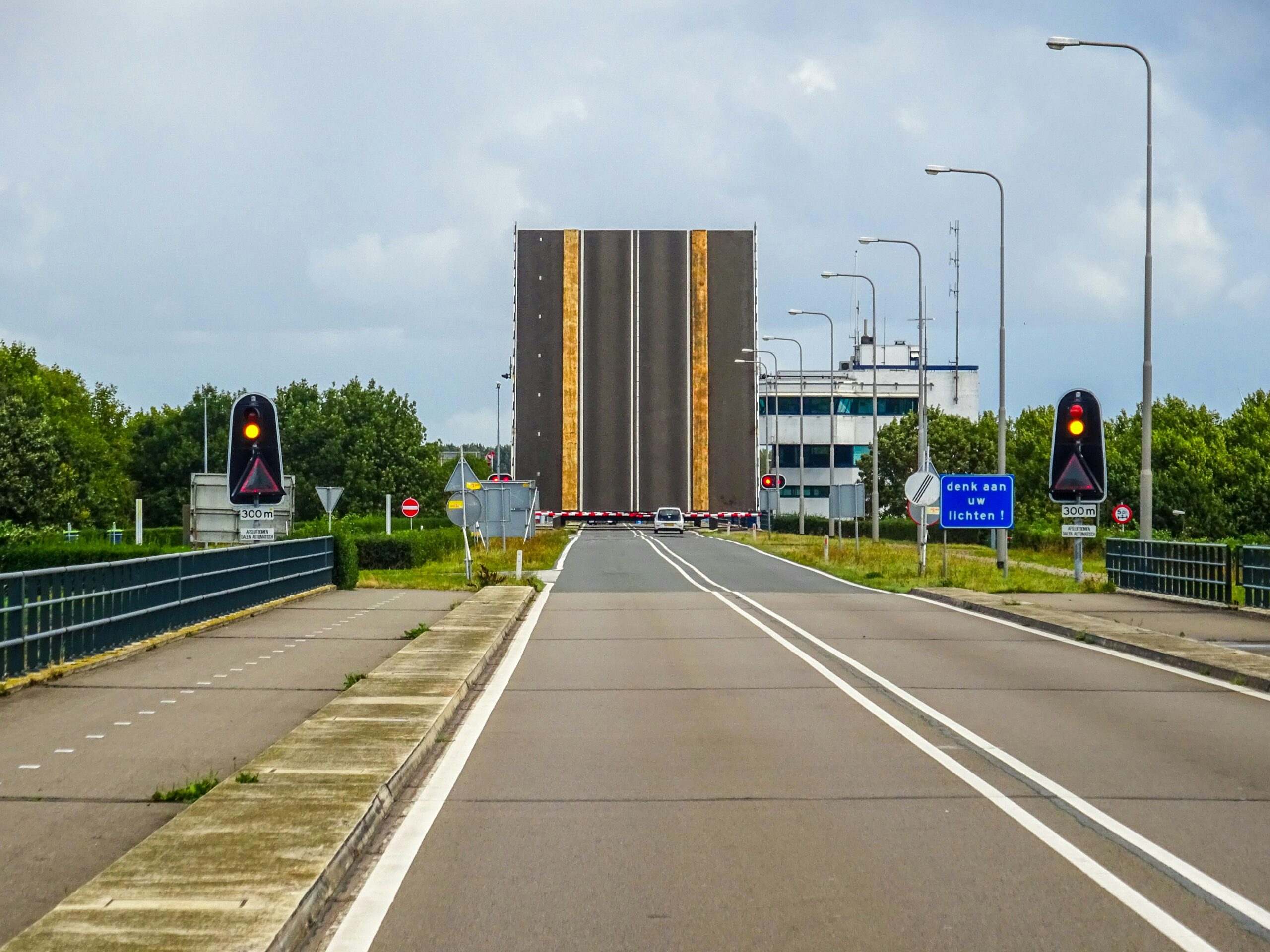
The relentless march of rising sea levels and intensifying storm surges presents a profound challenge to coastal communities worldwide. As shorelines recede, traditional infrastructure designed for a more stable past becomes increasingly vulnerable. This article explores the innovative concept of modular causeways as a potential solution for adapting to these changing coastal dynamics, offering a flexible and adaptable approach to maritime access and shoreline protection.
The Earth’s coastlines are not static entities. For millennia, they have been shaped by geological processes, tidal forces, and the ebb and flow of life. However, the current era is marked by an accelerating rate of change, primarily driven by anthropogenic climate change. The consequences are stark and increasingly visible.
The Accelerating Impact of Sea-Level Rise
Global average sea levels have been steadily rising, a phenomenon directly linked to the thermal expansion of ocean water as it warms and the melting of glaciers and ice sheets. Projections from the Intergovernmental Panel on Climate Change (IPCC) indicate a significant further increase in sea levels throughout the 21st century and beyond. This rise, even at a seemingly slow pace, has compounding effects on coastal erosion. The higher baseline water level means that storm surges penetrate further inland, exacerbating the erosive power of waves and currents. For coastal communities, this translates to a gradual but persistent loss of land, threatening homes, businesses, and vital infrastructure like ports, roads, and seawalls. Consider it an unseen tide, steadily nibbling away at the edges of our established territories, making familiar landscapes unrecognizable over time.
The Intensification of Extreme Weather Events
Beyond the gradual rise, the frequency and intensity of extreme weather events are also undergoing a transformation. Warmer ocean temperatures fuel more powerful hurricanes and typhoons, while shifts in atmospheric patterns can lead to more prolonged and damaging storm surges. These events act as dramatic accelerators of coastal change, delivering powerful blows that can reshape coastlines in a matter of days or weeks. The erosion and inundation caused by these events can overwhelm existing defenses, leading to significant damage and disruption. This is akin to a recurring wildfire, each event more ferocious than the last, leaving behind a landscape scarred and vulnerable.
The Limitations of Conventional Coastal Defenses
For decades, coastal management has relied on hard engineering solutions such as seawalls, breakwaters, and groynes. While these structures can offer localized protection, they often have limitations when faced with the scale and dynamism of accelerating coastal change. They can be expensive to build and maintain, and their rigid nature can sometimes displace erosion to adjacent areas, creating new problems. Furthermore, these fixed structures offer little flexibility in the face of dynamic shorelines. Once a seawall is breached or outflanked by erosion, extensive and costly repairs or complete reconstruction are often necessary. This approach, while offering a strong shield, is like building a fortress on shifting sand; eventually, the foundation will betray the structure.
Modular causeways have emerged as an innovative solution for addressing the challenges posed by retreating shorelines, providing both flexibility and resilience in coastal management. For further insights into the applications and benefits of modular structures in environmental adaptation, you can explore a related article on this topic at MyGeoQuest. This resource delves into various strategies for mitigating the impacts of climate change on coastal areas, highlighting the importance of sustainable engineering practices.
Introducing Modular Causeways: A Flexible Framework for Coastal Adaptation
In response to these challenges, the concept of modular causeways has emerged as a novel approach to address the complexities of a changing coastline. Unlike traditional fixed infrastructure, modular causeways are designed as adaptable, pieced-together structures that can be deployed, adjusted, and even decommissioned with relative ease. This inherent flexibility offers a pathway towards more resilient and sustainable coastal development.
The Concept of Modularity in Infrastructure
Modularity, in the context of construction and engineering, refers to the design and fabrication of components that can be assembled and reconfigured independently. For causeways, this means creating standardized, interlocking units that can be rapidly deployed and connected to form a continuous pathway or structure. These modules can range in size and material, from precast concrete elements to buoyant pontoon systems, depending on the specific application and environmental conditions. The underlying principle is to break down a large, complex structure into smaller, manageable parts that can be assembled and disassembled like building blocks. This allows for a much greater degree of customization and responsiveness to changing needs.
Advantages of a Modular Approach
The key advantages of a modular causeway system lie in its adaptability, cost-effectiveness, and reduced environmental impact.
Ease of Deployment and Assembly
The prefabricated nature of modular components allows for rapid deployment and assembly, often with specialized floating equipment. This contrasts sharply with the lengthy construction timelines and significant disruption associated with traditional fixed infrastructure projects. In emergency situations, such as providing access after a storm that has damaged existing port facilities, modular causeways can be erected in a fraction of the time required for conventional construction. This speed is not just a convenience; it can be the critical difference between maintaining vital supply lines and succumbing to isolation.
Adaptability to Changing Shorelines
As shorelines retreat or reshape, modular causeways can be extended, shortened, or relocated to maintain optimal functionality. This allows for a dynamic response to coastal erosion and sea-level rise, ensuring that access to waterborne transportation or recreational areas remains viable. Imagine a bridge that can lengthen or shorten itself as the riverbanks shift; this is the essence of adaptability in a modular system. This dynamic capability transforms the concept of coastal infrastructure from something static to something that can gracefully dance with the changing tides.
Scalability and Customization
Modular systems can be scaled to meet a wide range of requirements, from simple temporary jetties to extensive permanent structures. The ability to customize the configuration and length of the causeway allows it to be tailored to specific site conditions and operational needs. This eliminates the “one-size-fits-all” limitation of traditional approaches, offering solutions that are precisely engineered for their purpose.
Potential for Reduced Environmental Impact
Depending on the design and materials used, modular causeways can offer a reduced environmental footprint compared to large-scale concrete structures. Some modular systems, particularly those employing lighter materials or designed to sit above the seabed, may minimize seabed disturbance and allow for natural sediment flow. Decommissioning and reuse of modular components can also contribute to a more circular economy in construction.
Design Considerations for Modular Causeway Systems
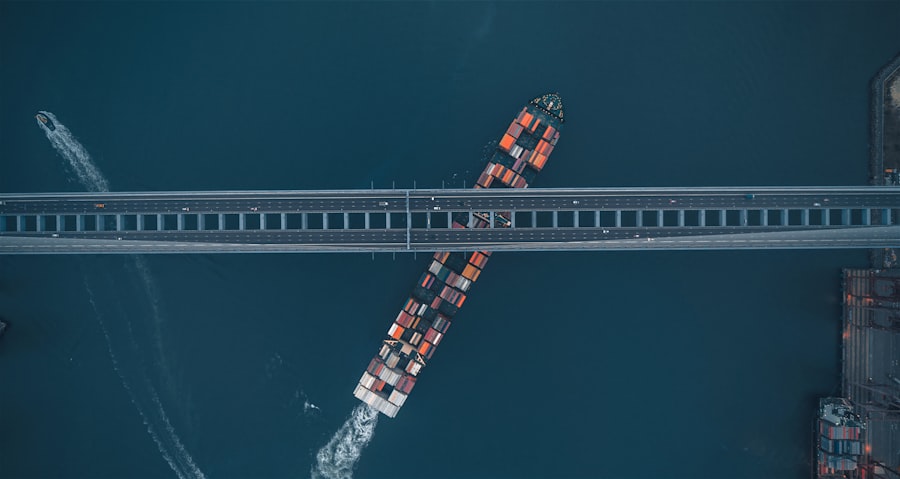
The successful implementation of modular causeways hinges on meticulous design that accounts for a multitude of environmental factors and operational requirements. The inherent flexibility of the system must be balanced with the need for robust engineering that can withstand the forces of the marine environment.
Material Selection and Durability
The choice of materials is paramount to ensuring the longevity and performance of modular causeways. Various options exist, each with its own set of advantages and disadvantages.
Concrete Units
Precast concrete modules offer a high degree of strength and durability, making them suitable for robust and long-term applications. They can be designed with interlocking mechanisms for secure connection and ballast systems to provide stability. However, their weight can increase deployment complexity, and concrete production itself has an environmental footprint.
Composite Materials
Advanced composite materials, such as fiber-reinforced polymers (FRPs), offer a lighter and more corrosion-resistant alternative to concrete. These materials can be fabricated into complex shapes and offer excellent strength-to-weight ratios, potentially simplifying deployment and reducing maintenance needs. Their long-term performance in harsh marine environments is an ongoing area of research and development.
Pontoon and Floating Systems
For applications requiring greater mobility or where minimizing seabed impact is crucial, pontoon-based modular systems can be employed. These buoyant units are interconnected to form a floating walkway or platform. Their ability to adjust to water level fluctuations makes them particularly attractive in areas with significant tidal ranges.
Structural Integrity and Stability
Ensuring the structural integrity and stability of a modular causeway is a critical engineering challenge. The system must be designed to withstand wave action, currents, wind loads, and other environmental forces.
Interlocking Mechanisms and Connections
The joints between modular units are particularly vulnerable. Robust and secure interlocking mechanisms are essential to prevent separation under stress. These can include various pin-and-socket systems, bolted connections, or specialized locking devices. The design of these connections must account for cyclic loading and potential fatigue.
Mooring and Anchoring Systems
Depending on the deployment strategy and the prevailing conditions, modular causeways may require sophisticated mooring or anchoring systems. For floating systems, this could involve a network of anchors and lines designed to resist drift and maintain the structure’s position. For fixed or semi-fixed structures, foundational designs will be critical to prevent undermining by erosion or scour.
Environmental Integration and Impact Mitigation
A key aspect of modern infrastructure development is minimizing environmental impact. Modular causeway systems offer opportunities for more sensitive integration with coastal ecosystems.
Minimizing Seabed Disturbance
The design of modular causeways can prioritize minimal contact with the seabed. Floating systems, for instance, can significantly reduce the direct impact on benthic habitats. For structures that do require a foundation, techniques like screw piles or adjustable scour protection can be employed to limit the footprint.
Facilitating Natural Sediment Transport
Where possible, the design of a modular causeway should aim to avoid disrupting natural sediment transport processes. This can involve creating gaps in the structure or designing elements that allow for unimpeded flow of water and sediment. This is analogous to designing a permeable fence rather than a solid wall, allowing the natural environment to flow through.
Habitat Creation and Restoration Potential
Certain modular designs can be engineered to serve as artificial reefs or substrate for marine life, potentially contributing to habitat restoration efforts. The textured surfaces of some concrete modules, for example, could provide attachment points for algae, invertebrates, and fish.
Applications of Modular Causeways in Coastal Environments
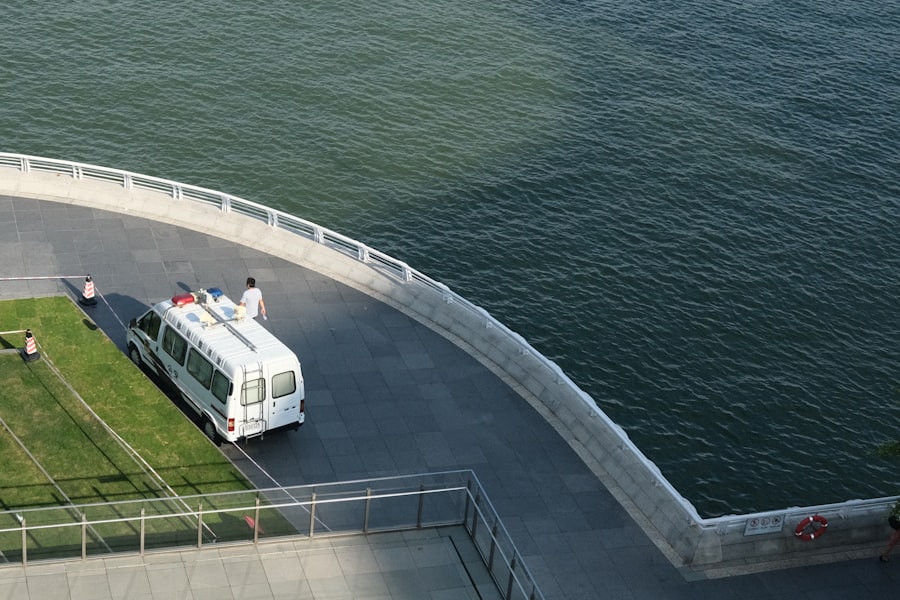
The inherent adaptability and flexibility of modular causeways make them suitable for a diverse range of applications in coastal zones facing inundation and erosion. Their utility extends beyond simple access to encompass broader coastal management objectives.
Enhancing Maritime Access in Vulnerable Ports
Coastal ports are often located in low-lying areas highly susceptible to sea-level rise and storm surges. Damaged or inundated piers and cargo handling facilities can cripple economic activity.
Resilient Port Infrastructure
Modular causeways can be deployed to create new or reinforce existing operational areas in ports, providing a stable platform for loading and unloading cargo even when traditional infrastructure is compromised. This ensures the continuity of trade and supply chains during and after extreme weather events.
Temporary and Emergency Access Solutions
In scenarios where existing port infrastructure is severely damaged, modular causeways offer a rapid deployment solution to restore essential access for humanitarian aid, emergency supplies, and repair crews. This capability is crucial for post-disaster response and recovery.
Facilitating Access for Coastal Communities and Tourism
The receding shorelines and increased erosion can make traditional access to beaches, recreational areas, and even small communities increasingly difficult.
Maintaining Public Access to Recreational Areas
Modular causeways can provide safe and stable pathways to beaches, fishing spots, and waterfront parks, ensuring that the public can continue to enjoy coastal amenities despite the changing environment.
Supporting Coastal Tourism and Economic Development
For coastal tourism and the businesses that rely on it, maintaining accessible waterfronts is vital. Modular causeways can ensure continued access for boats, ferries, and tourists, thereby supporting local economies.
Integrated Coastal Defense and Infrastructure
Beyond simple access, modular causeways can be integrated with other coastal defense strategies to offer a multi-functional solution.
Providing a Platform for Renewable Energy Infrastructure
As renewable energy technologies like offshore wind farms become more prevalent, modular causeways could serve as platforms for substations or maintenance access points, offering a versatile base in dynamic marine environments.
Supporting Resilient Transportation Networks
In areas where coastal roads are threatened by erosion, modular causeways, in conjunction with landward defenses, could provide a more resilient alternative for crucial transportation links. This offers a way to keep communities connected even as the land itself shrinks.
Modular causeways are emerging as an innovative solution for addressing the challenges posed by retreating shorelines, providing a flexible and sustainable approach to coastal management. For those interested in exploring this topic further, a related article discusses the various applications and benefits of these structures in detail. You can read more about it in this insightful piece on coastal engineering. For additional information, visit this link to discover how modular causeways can play a crucial role in protecting our shorelines.
The Future of Modular Causeways: Innovation and Integration
| Metric | Value | Unit | Description |
|---|---|---|---|
| Modular Unit Length | 2.5 | meters | Length of each modular causeway segment |
| Modular Unit Width | 1.2 | meters | Width of each modular causeway segment |
| Load Capacity | 15 | tons | Maximum load each modular unit can support |
| Installation Time | 4 | hours per 10 units | Average time to install 10 modular units |
| Expected Lifespan | 20 | years | Durability under coastal conditions |
| Wave Energy Reduction | 30 | percent | Reduction in wave energy at shoreline |
| Material | Reinforced Concrete | N/A | Primary construction material |
| Environmental Impact | Low | N/A | Impact on local marine ecosystems |
| Modularity | High | N/A | Ease of expansion or reconfiguration |
The ongoing development of modular causeway technology is paving the way for even more sophisticated and integrated solutions for coastal adaptation. Research and innovation are focused on enhancing performance, sustainability, and broadening their applicability.
Advancements in Materials Science and Engineering
The quest for lighter, stronger, and more environmentally sustainable materials is a constant driver of innovation in this field.
Smart Materials and Self-Healing Properties
Future developments may include the incorporation of “smart” materials that can monitor their own structural integrity and even possess self-healing properties, reducing maintenance requirements and extending lifespan.
Bio-Inspired Design and Sustainable Construction
The principles of bio-inspiration are being applied to design structures that mimic natural forms and processes, potentially leading to more efficient and environmentally harmonious modular systems. This could involve designs that better integrate with marine ecosystems or utilize sustainable, bio-derived construction materials.
Integration with Digital Technologies and AI
The increasing availability of sensors and data analytics presents opportunities to create more intelligent and responsive modular causeway systems.
Real-Time Monitoring and Predictive Maintenance
Integrating sensors into modular components can provide real-time data on structural stress, environmental conditions, and performance. This data, analyzed using AI, can enable predictive maintenance, identifying potential issues before they become critical failures.
Adaptive Control Systems
Future modular causeways could be equipped with adaptive control systems that allow them to respond dynamically to changing environmental forces. For instance, a floating causeway could adjust its buoyancy or position in response to predicted wave heights, optimizing stability and minimizing load.
Policy and Governance for Coastal Adaptation
The widespread adoption of innovative solutions like modular causeways will necessitate the development of supportive policies and adaptive governance frameworks.
Streamlining Permitting and Approvals
Existing regulatory processes may not be adequately equipped to handle the novel nature of modular coastal infrastructure. Streamlining permitting and approval processes will be crucial for enabling rapid deployment and innovation.
Fostering Collaboration and Knowledge Sharing
Effective coastal adaptation requires collaboration among governments, industry, researchers, and local communities. Fostering knowledge sharing and establishing best practices will be essential for the successful implementation of modular causeway solutions.
In conclusion, as the world grapples with the undeniable realities of a changing climate and its impact on our coastlines, traditional approaches to infrastructure are proving increasingly inadequate. Modular causeways, with their inherent flexibility, adaptability, and potential for reduced environmental impact, represent a promising avenue for creating more resilient and sustainable coastal environments. By embracing innovation and thoughtfully integrating these adaptable structures, coastal communities can begin to chart a course towards navigating the rising tides and ensuring a more secure future.
FAQs
What are modular causeways used for in retreating shorelines?
Modular causeways are structures designed to provide stable pathways or access routes over areas where shorelines are retreating due to erosion, rising sea levels, or other environmental factors. They help maintain connectivity and protect infrastructure in vulnerable coastal zones.
How do modular causeways differ from traditional causeways?
Modular causeways are composed of prefabricated, interlocking units that can be easily assembled, disassembled, or reconfigured. This flexibility allows for quicker installation and adaptation to changing shoreline conditions, unlike traditional fixed causeways which are permanent and less adaptable.
What materials are commonly used in modular causeways?
Modular causeways are typically made from durable materials such as reinforced concrete, steel, or high-density plastics. These materials are chosen for their strength, resistance to corrosion, and ability to withstand harsh marine environments.
Can modular causeways help mitigate the effects of shoreline erosion?
Yes, modular causeways can help reduce the impact of shoreline erosion by providing a stable structure that limits further land loss and protects adjacent areas. Additionally, their design can allow for water flow and sediment movement, which supports natural coastal processes.
Are modular causeways environmentally friendly?
Modular causeways can be designed to minimize environmental impact by allowing water circulation and reducing habitat disruption. Their modular nature also means they can be removed or relocated with less environmental disturbance compared to permanent structures. However, environmental assessments are necessary to ensure suitability for specific sites.