
The salt spray stung his face, a grim baptism into a reality he had only read about in adventure novels. Liam woke with a gasp, the rhythmic roar of the waves a jarring contrast to the silence that had followed the storm’s fury. Debris from the ‘Sea Serpent,’ the yacht that had been his ill-fated holiday, littered the shoreline. Twisted metal, splintered wood, and the unnerving stillness of absence. He was alone. Utterly and terrifyingly alone, on what appeared to be a deserted island. The sun, a relentless orb in a cloudless sky, beat down with an intensity that promised a quick descent into dehydration and despair. But a primal instinct, a flicker of defiance against the overwhelming odds, ignited within him. Survival. It was no longer a concept; it was an immediate, all-consuming imperative.
The Awakening and Initial Assessment
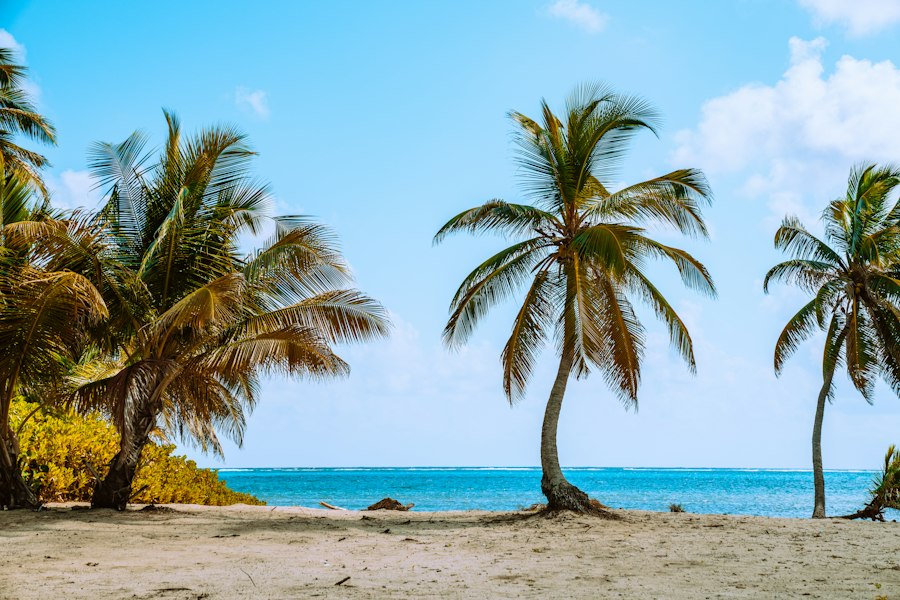
The initial shock, a paralyzing wave of disbelief, slowly receded, replaced by a cold, clear assessment of his surroundings. Liam pushed himself to his feet, his limbs aching and bruised. The beach stretched in both directions, a crescent of pale sand meeting a vibrant, turquoise sea. Behind the sand, a dense, emerald jungle loomed, its foliage thick and impenetrable, hinting at unseen dangers and, perhaps, sustenance. The air was thick with the scent of salt, damp earth, and something floral, a deceptive sweetness that masked the harsh realities of his predicament. He scanned the horizon, a futile exercise. Nothing but the endless expanse of the ocean, vast and indifferent. The ‘Sea Serpent’ was a ghost, its wreckage scattered like the broken dreams of a vacation gone horribly wrong.
Cataloging the Wreckage and Salvage
A methodical, almost frantic, search of the flotsam began. Liam knew that every piece of debris could be a lifeline. He stumbled through the tangled mess, his eyes sharp, his mind racing. A partially submerged cooler, miraculously intact, yielded a few bottles of water, a soggy packet of crackers, and a small first-aid kit. The meager bounty was a bittersweet victory. He found a length of rope, frayed but usable, a shattered oar, and a tattered sail. Among the debris, he spotted a waterproof bag, its contents offering a spark of hope: a knife, a ferrocerium rod and striker, a coil of fishing line, and a few lures. These were not luxuries; they were the tools of his new existence. The knife, especially, felt like an extension of his own will to live. He also salvaged a few pieces of sturdy plastic, which he meticulously set aside.
Establishing Immediate Needs
Dehydration was the most pressing threat. The limited water supply was a ticking clock. Shelter was another urgent concern. The midday sun was brutal, and the nights, he suspected, would bring their own challenges – perhaps rain, or chilling winds. He needed protection from the elements, a place to sleep soundly, or as soundly as one could on a deserted island. Food was a more distant, but equally vital, consideration. He knew his salvaged crackers wouldn’t last long. The jungle held the promise of fruits and perhaps small game, but also the threat of poisonous plants and unseen predators. The psychological toll was also beginning to manifest – the gnawing loneliness, the overwhelming sense of isolation. He had to fight despair as fiercely as he fought the physical challenges.
If you’re intrigued by the concept of being abandoned on a deserted island, you might find the article on survival strategies particularly enlightening. It explores various techniques and tips for thriving in isolation, from finding fresh water to building shelter. To delve deeper into this fascinating topic, check out the article here: Survival Strategies on a Deserted Island.
Crafting a Sanctuary

The immediate task was to secure a safe haven. The jungle offered shade, but its dense undergrowth was disorienting and potentially dangerous. The beach, while open, provided no protection. Liam decided to establish his base camp at the edge of the jungle, where the two environments met, offering a degree of both shelter and access to resources. He needed to create a space that would shield him from the sun, the rain, and the general harshness of the island. It was a monumental undertaking, with only his hands and the meager tools he had salvaged.
Constructing a Basic Shelter
Using the rope and the tattered sail, Liam began to construct a lean-to. He found a sturdy fallen branch, propping it up between two trees. The sail, stretched taut and secured with the rope, provided a rudimentary roof. He then gathered large palm fronds, weaving them together to create a wall on one side, offering additional protection from the wind. The floor of his shelter was a thick layer of dry leaves and grass, gathered from the forest floor, providing a surprisingly comfortable and insulated bed. It was crude, far from luxurious, but it was his. A small victory against the vastness of his predicament. He felt a sense of accomplishment, a fleeting moment of control in a world that had suddenly been stripped of it.
Securing a Water Source
The salvaged water was a precious resource, but Liam knew it was finite. His survival depended on finding a consistent, potable water source. He remembered reading about condensation traps and the importance of identifying signs of freshwater. He ventured into the jungle, following the slight depressions in the terrain, listening for the telltale trickle of water. After what felt like hours of arduous exploration, pushing through dense foliage and swatting at persistent insects, he heard it – the faint sound of running water. It led him to a small, clear stream, its water sparkling and inviting. He drank deeply, the pure, cool liquid a balm to his parched throat. He then used a large, concave leaf to collect water, which he carefully carried back to his camp. He also began to explore methods of boiling water using heated stones and a makeshift container, a critical step for ensuring its safety.
Fire: The Heartbeat of Survival
The ferrocerium rod and striker were Liam’s most prized possessions. Fire meant warmth, the ability to cook food, a deterrent to predators, and a beacon of hope. He cleared a small area for a fire pit, gathering dry tinder, kindling, and larger fuel wood. His first attempts were frustrating, sparks flying but failing to ignite. The humidity in the air, a constant presence, made it a challenging endeavor. He persisted, his hands growing sore, his brow beaded with sweat. Finally, after what felt like an eternity, a tiny ember caught, glowing with a life of its own. He carefully fed it, coaxing it into a flame, a warm, comforting light in the encroaching twilight. The crackling of the fire was a symphony to his ears, a sound of life and resilience.
The Daily Grind of Sustenance
With basic shelter and a water source secured, Liam’s focus shifted to the relentless pursuit of food. The island, while seemingly lush, presented its own set of challenges for foraging and hunting. He had to learn to distinguish edible from poisonous, to understand the habits of the local fauna, and to develop the skills necessary to procure sustenance. The hunger was a constant, gnawing companion, driving his every effort.
Foraging for Edibles
Liam began to explore the edges of the jungle, carefully observing the plants. He relied on basic knowledge from survival guides he had once perused, focusing on familiar-looking fruits and roots. He approached each new discovery with caution, conducting the universal edibility test – rubbing a small amount on his skin, then his lips, then tasting a tiny portion and waiting for any adverse reaction. He discovered wild berries, some sweet and tart, others vaguely unpleasant but apparently safe. He found starchy roots that, when roasted over the fire, became a surprisingly filling meal. He also learned to identify edible leaves and shoots, diversifying his diet. The constant vigilance against poisonous look-alikes was exhausting, but the reward of a safe, nourishing meal was immeasurable.
The Art of Fishing
The fishing line and lures were a godsend. Liam spent hours along the shoreline, casting his line into the shallows. The initial attempts were met with frustration. The fish were wary, and his casting technique was far from expert. He observed the patterns of the tide and the movement of the small fish darting in the clear water. He experimented with different bait, using small pieces of shellfish he found clinging to the rocks. Gradually, his luck improved. He managed to land small, silvery fish, which he carefully cleaned and roasted over his fire. The taste of fresh, cooked fish was a revelation, a significant boost to his morale and physical strength. He also began to experiment with weaving rudimentary nets from vines, hoping to improve his catch.
Hunting Small Game and Insects
While the island appeared to teem with life, hunting larger game seemed an insurmountable challenge with his limited tools. However, he did notice the presence of small lizards and various insects. He learned to stalk the lizards, a patient endeavor that often ended in a swift, albeit small, meal. He also discovered that certain large grubs, when roasted, provided a surprising amount of protein. This was a difficult hurdle to overcome mentally, but the sheer necessity of survival drove him to conquer his initial revulsion. He began to view insects not as pests, but as potential sources of nutrition, a crucial shift in his perspective.
Navigating the Island’s Interior
The allure of the unknown beckoned. Liam knew that his immediate vicinity offered sustenance, but a deeper understanding of the island might reveal more resources, a better vantage point, or even signs of civilization, however remote the possibility. Venturing into the denser parts of the jungle was a calculated risk, one that required careful preparation and a heightened sense of awareness.
Mapping the Terrain and Discovering Resources
Liam began to systematically explore the island, marking his path with broken branches and piles of stones to avoid getting lost. He discovered a small freshwater spring deeper inland, a more consistent source than the stream. He found areas with abundant fruit-bearing trees, carefully noting their locations. He also encountered a rocky outcrop that offered a panoramic view of the surrounding ocean, a place where he could watch for passing ships. During his explorations, he stumbled upon a small cave, a potential secondary shelter should his main camp be compromised or should he need protection from a severe storm. He carefully examined the cave, ensuring it was not inhabited by dangerous creatures, and began to consider its utility.
Understanding the Local Wildlife
Liam paid close attention to the animals he encountered. He observed the habits of the birds, their nesting grounds, and their feeding patterns. He learned to identify the tracks of smaller mammals, though catching them proved difficult. He also became aware of the presence of larger, potentially dangerous creatures – the rustling in the undergrowth, the distant calls – and learned to give them a wide berth. He understood that the island’s ecosystem was a delicate balance, and his role was to survive within it, not to disrupt it unnecessarily. His knowledge of the local fauna grew with each passing day, a valuable asset in his survival strategy.
The Psychological Battle Against Isolation
The silence of the island, broken only by the sounds of nature, could be a deafening weight. The lack of human contact was a constant pressure. Liam fought against the creeping despair by keeping himself occupied. He set daily goals, maintained a routine, and spoke to himself, narrating his actions, a conscious effort to maintain his sanity. He would often sit by the fire at night, gazing at the stars, and allow himself a moment of reflection, remembering his life before, but always pulling himself back to the present, to the tasks at hand. He found a small, smooth stone and began to scratch marks on it, a rudimentary calendar, a way of tracking time and maintaining a sense of order.
If you’ve ever wondered about the survival tactics of those stranded in isolation, you might find the article on survival strategies on a deserted island particularly intriguing. It delves into the essential skills and knowledge needed to endure such a challenging situation, offering insights that could be invaluable for adventurers and explorers alike. To explore this fascinating topic further, check out the article here.
The Fading Hope and the Will to Persevere
| Metric | Value | Unit | Notes |
|---|---|---|---|
| Average Survival Time | 30 | Days | Without rescue or external aid |
| Daily Water Requirement | 3 | Liters | Minimum for survival |
| Daily Caloric Intake Needed | 2000 | Calories | Average adult requirement |
| Average Temperature Range | 20 – 35 | °C | Typical tropical island climate |
| Freshwater Sources | 1-3 | Sources | Streams, rain catchment, or springs |
| Common Edible Plants | 5-10 | Types | Fruits, nuts, roots |
| Potential Hazards | High | Risk Level | Wild animals, weather, isolation |
| Rescue Probability | Variable | Percentage | Depends on location and signaling |
Days bled into weeks, and weeks into months. The initial adrenaline of survival had been replaced by a steady, determined grind. Liam had mastered many of the basic survival skills, but the overwhelming reality of his isolation continued to weigh on him. The hope of rescue, once a burning ember, had begun to dim, flickering with each passing day and the unchanging horizon. Yet, the instinct to survive, honed by months of relentless effort, remained fierce.
The Routine of Survival and its Toll
Liam’s days were a predictable cycle of foraging, fishing, maintaining his fire, and fortifying his shelter. He had become adept at these tasks, his movements efficient and purposeful. However, the constant physical exertion, coupled with a diet that was often meager, began to take its toll. His clothes were tattered, his skin weathered and scarred. The loneliness was a constant ache, a void that no amount of foraging could fill. He found himself talking to inanimate objects, to the fire, to the trees, as a way to combat the suffocating silence. The mental fatigue was as profound as the physical exhaustion.
The Search for Signs of Rescue
Despite the fading hope, Liam never stopped scanning the horizon. He climbed to his vantage point on the rocky outcrop every day, his eyes sweeping across the vast expanse of the ocean. He would light a signal fire whenever he saw any indication of smoke or a distant vessel, a desperate beacon in the emptiness. He also began to construct larger, more visible signals on the beach, using large stones to spell out “HELP” and arranging branches to create large X’s, hoping they would be spotted from the air. The futility of these efforts sometimes threatened to overwhelm him, but the ingrained need to try, to not give up, kept him going.
The Inner Strength and the Unyielding Spirit
Liam’s survival was not just a testament to his physical resilience, but to the indomitable strength of the human spirit. He had faced his fears, overcome his limitations, and adapted to a brutal reality. He had learned to find beauty in the smallest things – the vibrant colors of a tropical bird, the intricate patterns of a seashell, the warmth of the sun on his skin. He had found a profound connection to the natural world, a respect for its power and its resilience. He understood that his survival was a continuous battle, not against the island itself, but against despair, against the urge to surrender. Each sunrise was a new challenge, and with it, a renewed determination to face whatever the day might bring. His story was a testament to the power of perseverance, a stark reminder that even in the face of overwhelming odds, the will to live can be an unstoppable force.

They Survived 15 Years on an Island Almost No One Could Reach
FAQs
1. Can people survive being abandoned on a deserted island?
Survival on a deserted island is possible, but it requires resourcefulness, survival skills, and a strong will to live. People have been known to survive for extended periods of time in such situations.
2. What are some common challenges faced by individuals stranded on a deserted island?
Some common challenges include finding food and clean water, building shelter, maintaining a fire, avoiding dangerous wildlife, and coping with loneliness and psychological stress.
3. Is it legal to be abandoned on a deserted island as a form of punishment or exile?
Abandoning someone on a deserted island as a form of punishment or exile is illegal and considered inhumane. It goes against human rights and ethical standards.
4. How can someone signal for help if they are stranded on a deserted island?
Stranded individuals can signal for help by creating large SOS signs on the beach, using mirrors or reflective objects to catch the attention of passing ships or aircraft, and creating smoke signals using a fire.
5. Are there any real-life stories of people being abandoned on deserted islands?
Yes, there have been documented cases of individuals being stranded on deserted islands, such as the story of Alexander Selkirk, whose ordeal inspired the novel “Robinson Crusoe” by Daniel Defoe.