The Crucial Role of the Usoi Dam in Regional Flood Mitigation
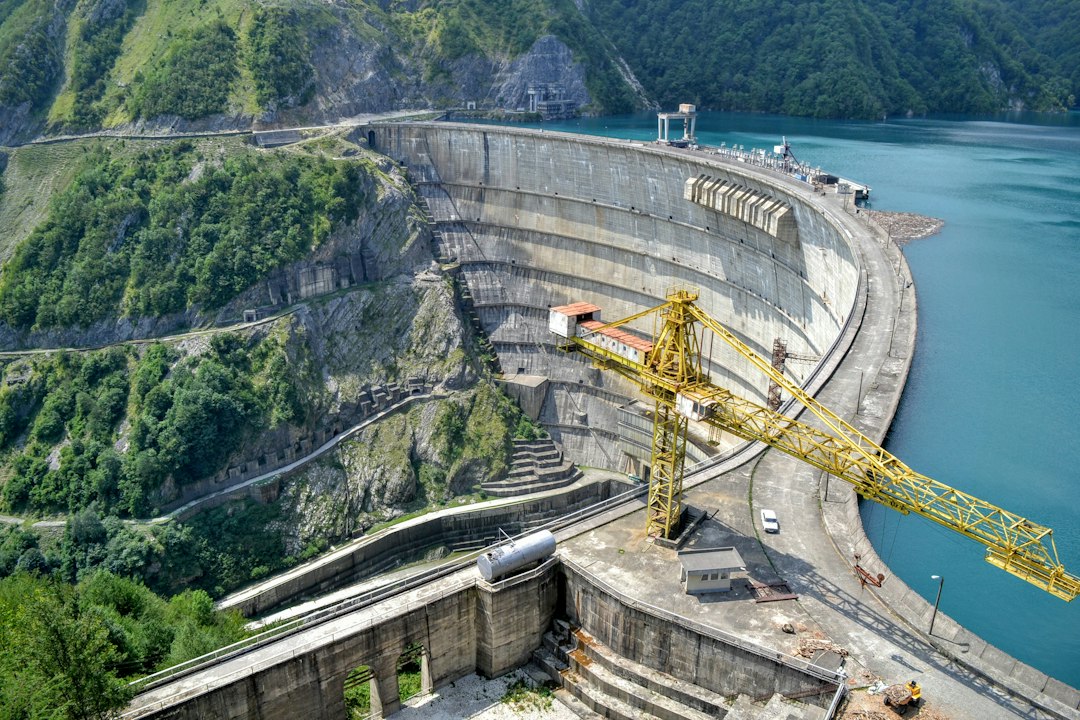
The Usoi Dam, a monumental feat of engineering nestled within a vital river basin, is poised to receive significant support from the World Bank, marking a pivotal moment in the region’s quest for enhanced flood protection. This collaborative effort underscores a shared commitment to safeguarding communities, critical infrastructure, and the overall economic stability of the area from the devastating impacts of unpredictable and often severe flooding. The World Bank’s involvement signifies not just a financial injection but also a crucial endorsement of the project’s strategic importance and its potential to deliver lasting benefits.
The dam, already a significant structure, is undergoing a comprehensive upgrade and enhancement program, spearheaded by the local authorities and now bolstered by the World Bank’s expertise and financial backing. This initiative is not merely about reinforcing existing structures; it encompasses a holistic approach to flood management, incorporating advanced technologies, sustainable practices, and community engagement. The implications of this support are far-reaching, promising to transform the landscape of disaster preparedness and resilience in the affected regions. Understanding the historical context of flooding in the area, the specific challenges the Usoi Dam aims to address, and the multifaceted nature of the World Bank’s support are essential to appreciating the significance of this development. The project’s success will be a testament to international cooperation and a beacon of hope for communities historically vulnerable to the capricious nature of riverine systems.
The World Bank’s Usoi Dam project has garnered significant attention for its potential to enhance water management and agricultural productivity in the region. For a deeper understanding of the project’s implications and the challenges it faces, you can read a related article that discusses the environmental and social impacts of large dam constructions. This insightful piece can be found at MyGeoQuest.
Strategic Importance and Project Objectives
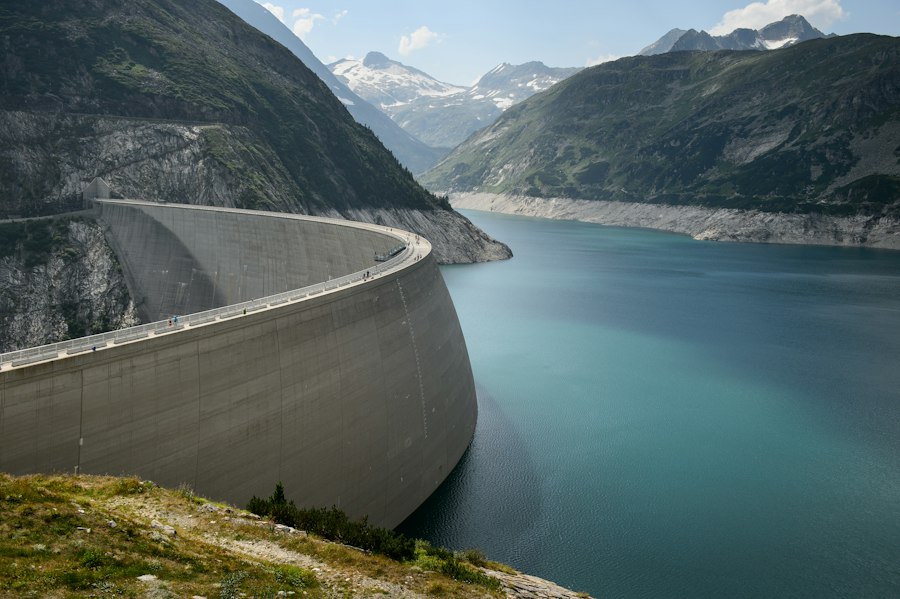
The decision by the World Bank to support the Usoi Dam project is rooted in a deep understanding of the region’s vulnerability to flooding. For decades, communities situated along the river’s course have endured devastating inundation events, leading to loss of life, widespread destruction of homes and livelihoods, and significant economic setbacks. These floods, often exacerbated by extreme weather patterns and inadequate flood control infrastructure, have created a cycle of recurrent disaster and recovery that has hampered sustainable development. The Usoi Dam, in its current form, provides a degree of flood control, but the evolving climate and increasing development in the downstream areas necessitate a more robust and sophisticated approach to water management and flood mitigation.
The overarching objective of the World Bank-supported Usoi Dam project is to significantly enhance the dam’s capacity and operational efficiency, thereby reducing the risk and impact of future floods. This involves a multi-pronged strategy that goes beyond simply increasing the dam’s height or structural integrity. The project aims to implement state-of-the-art flood forecasting and early warning systems, improve reservoir management protocols, and strengthen the dam’s resilience against seismic activity and other natural hazards. Furthermore, a key component of the project involves integrating the dam’s operation with broader watershed management strategies, promoting sustainable land use practices in the upstream catchment areas to reduce sediment runoff and improve water quality. The ultimate goal is to create a comprehensive flood management system that offers greater predictability, reduces the severity of flood events, and protects the lives and assets of millions.
Addressing Historical Flood Vulnerabilities
The historical record of flooding in the Usoi Dam’s river basin paints a stark picture of vulnerability. Numerous documented flood events, some occurring with alarming regularity, have left an indelible mark on the region. These incidents have not only resulted in immediate destruction but have also had long-term socio-economic consequences, including displacement of populations, agricultural land degradation, and damage to vital infrastructure such as roads, bridges, and power grids. The economic burden of repeated reconstruction and disaster relief has also placed a considerable strain on national and local budgets, diverting resources that could otherwise be invested in development and poverty reduction. The inherent unpredictability of these floods has fostered a climate of uncertainty, hindering long-term planning and investment.
The Usoi Dam project, therefore, is designed to directly confront these historical vulnerabilities. By upgrading the dam and its associated infrastructure, the project aims to create a more reliable and effective buffer against extreme hydrological events. This includes not only the physical capacity to store and regulate water flows but also the advanced operational systems necessary to anticipate and respond to changing conditions. The emphasis on early warning systems, for instance, is crucial for empowering communities with the information they need to take timely protective measures, thereby minimizing casualties and damage. The project’s holistic approach seeks to break the cycle of vulnerability by building a more resilient and adaptive flood management framework.
Enhancing Operational Efficiency and Capacity
A significant focus of the World Bank’s support is on modernizing the operational aspects of the Usoi Dam. This involves the implementation of advanced technologies for real-time monitoring of water levels, rainfall, and upstream conditions. Sophisticated hydrological models will be employed to forecast potential flood scenarios with greater accuracy, allowing for proactive reservoir management. The project will also invest in upgrading the dam’s control systems, ensuring swift and precise adjustments to water release rates in response to predicted inflows. This enhanced operational efficiency is paramount in preventing the dam from becoming overwhelmed during peak flood periods and in managing water resources effectively during drier seasons.
Beyond the immediate operational improvements, the project also aims to increase the dam’s overall storage and discharge capacity where feasible and environmentally sound. This might involve structural reinforcements, dredging of the reservoir, or the optimization of spillway operations. The goal is to ensure that the dam can effectively attenuate extreme flood peaks, thereby significantly reducing the downstream inundation risk. The careful consideration of environmental impacts and community needs will guide any decisions regarding physical capacity enhancements, ensuring that the benefits of increased flood protection are balanced with ecological sustainability and social equity.
World Bank’s Multifaceted Support Mechanism

The World Bank’s commitment to the Usoi Dam project extends far beyond mere financial assistance. It represents a comprehensive package of support designed to ensure the project’s long-term success and sustainability. This multifaceted approach recognizes that effective flood management is not solely a technical challenge but also involves institutional strengthening, capacity building, and the integration of environmental and social considerations. The Bank’s engagement is characterized by a rigorous due diligence process, ensuring that the project aligns with international best practices and contributes to the broader development goals of the region.
This support encompasses various forms of engagement, including financial instruments such as loans and grants, as well as crucial technical assistance and knowledge sharing. The World Bank leverages its global network of experts to provide advice on engineering design, environmental impact assessments, disaster risk management strategies, and financial management. This collaboration ensures that the project benefits from cutting-edge research and innovative solutions, tailored to the specific context of the Usoi Dam and its surrounding environment. The Bank’s involvement also facilitates dialogue and coordination among various stakeholders, including government agencies, local communities, and other development partners, fostering a cohesive and effective approach to project implementation.
Financial Instruments and Investment
The primary contribution of the World Bank to the Usoi Dam project comes in the form of significant financial investment. This funding is crucial for covering the extensive costs associated with upgrading the dam’s infrastructure, implementing advanced monitoring and control systems, and undertaking necessary environmental and social mitigation measures. The World Bank typically provides financial support through various instruments, including concessional loans with favorable repayment terms, grants for specific components such as technical assistance or capacity building, and sometimes through blended finance mechanisms that attract private sector investment. The specific structure of the financial package for the Usoi Dam project will be tailored to the needs of the recipient country and the project’s requirements, ensuring fiscal responsibility and debt sustainability.
This financial support is vital for overcoming the often substantial capital investment required for large-scale infrastructure projects like dam enhancements. It allows the local government to undertake necessary improvements that might otherwise be beyond its immediate financial capacity. The World Bank’s rigorous appraisal process ensures that the funds are allocated efficiently and effectively towards achieving the project’s stated objectives, providing assurance to all stakeholders about the responsible use of resources.
Technical Assistance and Knowledge Sharing
In addition to financial backing, the World Bank provides invaluable technical assistance and facilitates knowledge sharing to the Usoi Dam project. This is a critical component that ensures the project is not only well-funded but also technically sound and operationally effective. World Bank experts, drawing on their experience with similar projects in other parts of the world, offer guidance on a wide range of technical aspects. This can include advice on structural engineering, dam safety assessments, hydrological modeling, the design and implementation of flood forecasting and early warning systems, and the selection of appropriate technologies.
Furthermore, the World Bank plays a significant role in promoting best practices in environmental and social management. This includes ensuring that the project adheres to international standards for environmental impact assessments, biodiversity conservation, and the protection of local communities, including indigenous populations and vulnerable groups. Knowledge sharing also extends to institutional capacity building. The World Bank often supports training programs for local engineers, technicians, and government officials, equipping them with the skills and knowledge necessary to manage and maintain the upgraded dam and its associated systems effectively over the long term. This focus on capacity building ensures the project’s legacy extends beyond its construction phase, fostering self-sufficiency and resilience within the region.
Environmental and Social Safeguards
A cornerstone of the World Bank’s engagement with any development project, including the Usoi Dam enhancement, is the stringent application of environmental and social safeguards. These safeguards are designed to prevent, minimize, and mitigate any potential adverse environmental and social impacts that may arise from the project’s activities. The World Bank’s Operational Policies (OPs) and Bank Procedures (BP) provide a comprehensive framework for identifying, assessing, and managing these risks, ensuring that development is sustainable and benefits are shared equitably. For the Usoi Dam project, this means a thorough evaluation of potential impacts on water quality, ecosystems, biodiversity, land use, and the livelihoods of communities living in the vicinity of the dam and along the river.
The implementation of these safeguards is not a mere formality but an integral part of the project’s design and execution. It involves extensive stakeholder consultations, detailed environmental and social impact assessments (ESIAs), and the development of specific action plans to address identified risks. This ensures that the project proceeds in a responsible manner, respecting both the natural environment and the rights and well-being of affected populations. The World Bank’s oversight and support in this area are crucial for building trust and ensuring that the project contributes positively to the region’s overall development and resilience.
Environmental Impact Assessments and Mitigation
The process of assessing the potential environmental impacts of the Usoi Dam project is a critical and comprehensive undertaking. This involves a detailed study of the existing ecological conditions within the dam’s influence zone, including the river ecosystem, surrounding terrestrial habitats, and biodiversity. Potential impacts such as changes in water flow regimes, sedimentation patterns, water quality alterations, and the effects on aquatic and terrestrial flora and fauna are meticulously analyzed. The World Bank requires robust Environmental Impact Assessments (ESIAs) that not only identify potential risks but also propose concrete mitigation measures.
These mitigation measures can range from the implementation of strict pollution control protocols during construction and operation to habitat restoration initiatives and the establishment of protected areas to conserve sensitive ecosystems. For instance, if the dam’s operation affects downstream sediment flow crucial for fertile floodplains, measures might be taken to manage sediment release or to support alternative agricultural practices. Similarly, any disruption to fish migration routes would necessitate the design and implementation of fish passage facilities. The World Bank’s involvement ensures that these assessments are conducted by independent experts and that the mitigation plans are practical, effective, and integrated into the project’s overall design and operational framework, promoting ecological sustainability alongside flood protection.
Social Inclusion and Community Engagement
The social dimension of the Usoi Dam project is equally paramount, with a strong emphasis on social inclusion and meaningful community engagement. The World Bank mandates that all projects have a clear strategy for identifying and engaging with all affected communities, including vulnerable and marginalized groups. This process begins with thorough social assessments to understand the potential impacts on livelihoods, displacement, cultural heritage, and access to resources. For the Usoi Dam, this could involve communities whose agricultural lands might be affected by altered water availability, or those living in areas susceptible to induced seismic activity.
Meaningful engagement involves more than just information dissemination; it requires genuine dialogue and the incorporation of community feedback into project planning and decision-making. This might include the establishment of grievance redress mechanisms to address concerns and resolve disputes fairly and efficiently. The World Bank also supports the development and implementation of Resettlement Action Plans (RAPs) and Livelihood Restoration Programs (LRPs) for any populations that may need to be resettled. These plans aim to ensure that displaced persons are provided with adequate compensation, housing, and opportunities to re-establish their livelihoods at a standard comparable to, or better than, their pre-project situation. The goal is to ensure that the benefits of enhanced flood protection are realized without compromising the well-being and rights of the local population, fostering a sense of ownership and ensuring that the project contributes to social equity and sustainable development.
The World Bank’s involvement in the Usoi Dam project has sparked significant interest due to its potential impact on regional water management and disaster risk reduction. For those looking to explore more about the implications of such large-scale infrastructure projects, an insightful article can be found at this link, which discusses the challenges and benefits associated with dam construction in developing countries.
Long-Term Benefits and Regional Resilience
| Metric | Details |
|---|---|
| Project Name | Usoi Dam Stability and Safety Project |
| Location | Tajikistan, Murghab River Valley |
| Project Type | Dam Safety and Risk Management |
| Dam Height | 567 meters (Usoi Dam) |
| Year of Construction | 1911 (natural landslide dam) |
| Project Start Date | 2017 |
| Project End Date | 2023 (expected) |
| Project Objectives | Enhance dam safety, reduce flood risk, improve early warning systems |
| Funding Source | World Bank and Government of Tajikistan |
| Key Activities | Geotechnical studies, monitoring system installation, community awareness programs |
| Estimated Population at Risk | Approximately 20,000 downstream residents |
The support from the World Bank for the Usoi Dam project is not merely a short-term intervention but a strategic investment in the long-term resilience and prosperity of the region. By significantly enhancing flood protection, the project directly addresses a persistent threat that has historically hampered economic development and exacerbated poverty. The reduction in the frequency and severity of flood events will lead to a more stable environment for agriculture, industry, and urban development, fostering greater predictability for investment and economic growth. This increased stability is a critical prerequisite for sustainable development and poverty alleviation.
Furthermore, the project’s emphasis on modern infrastructure, advanced technology, and robust operational protocols will create a lasting legacy of improved water management capabilities. The capacity-building initiatives undertaken as part of the World Bank’s support will equip local institutions and personnel with the expertise to manage and maintain the upgraded dam effectively for decades to come. This enhanced capability extends beyond flood control, contributing to better water resource management for irrigation, hydropower generation, and other essential needs, thereby bolstering the region’s overall socio-economic well-being and its ability to withstand future environmental and economic shocks.
Economic Growth and Stability
The economic implications of enhanced flood protection are profound and far-reaching. Historically, flood events in the Usoi Dam’s basin have led to significant economic losses, including damage to crops, livestock, housing, and critical infrastructure. These losses not only represent direct financial costs but also lead to disrupted supply chains, reduced productivity, and increased unemployment. By mitigating these risks, the Usoi Dam project will create a more stable and predictable economic environment. This stability is essential for attracting domestic and foreign investment, as businesses are more likely to invest in regions where their assets and operations are less vulnerable to natural disasters.
The agricultural sector, often the backbone of economies in such regions, stands to benefit immensely. Reduced flood damage means more reliable crop yields and less loss of livestock, leading to improved food security and increased income for farmers. Similarly, industries and commercial enterprises will experience less disruption, leading to sustained production and employment. The improved safety of transportation networks and other public infrastructure will also facilitate trade and economic activity. Ultimately, the economic benefits will translate into job creation, poverty reduction, and an overall improvement in the quality of life for the region’s inhabitants.
Strengthening Disaster Preparedness and Response
Beyond the immediate flood control capabilities, the World Bank’s support for the Usoi Dam project contributes significantly to strengthening the region’s overall disaster preparedness and response mechanisms. The integration of advanced flood forecasting and early warning systems means that communities will have more lead time to prepare for and respond to impending flood events. This allows for timely evacuation of populations, protection of assets, and mobilization of emergency services, thereby minimizing casualties and reducing the impact of floods.
Moreover, the capacity-building components of the project ensure that local authorities and emergency responders are better equipped and trained to manage disaster situations. This includes improved coordination among different agencies, enhanced communication networks, and access to critical information for effective decision-making during emergencies. The legacy of the Usoi Dam project will be a region that is not only more resilient to floods but also better prepared to face a range of natural hazards, ultimately fostering a more secure and sustainable future for its communities. The collaboration with the World Bank serves as a catalyst for creating a comprehensive and integrated approach to disaster risk management that can be replicated and adapted to other vulnerable areas.

Could a Wave Push Lake Sarez Over This Natural Dam?
FAQs
What is the World Bank Usoi Dam project?
The World Bank Usoi Dam project is a development initiative aimed at constructing a dam in the Usoi village of Pakistan to provide clean drinking water and irrigation facilities to the local community.
How is the World Bank funding the Usoi Dam project?
The World Bank is providing financial assistance for the Usoi Dam project through a loan to the government of Pakistan, which will be used for the construction and implementation of the dam infrastructure.
What are the main objectives of the Usoi Dam project?
The main objectives of the Usoi Dam project include improving access to clean drinking water, enhancing agricultural productivity through irrigation, and promoting sustainable development in the Usoi village and surrounding areas.
What are the potential benefits of the Usoi Dam project for the local community?
The Usoi Dam project is expected to bring several benefits to the local community, including improved water supply for domestic use, increased agricultural yields, job creation through construction and maintenance activities, and overall economic development in the region.
How will the environmental impact of the Usoi Dam project be managed?
The Usoi Dam project includes environmental impact assessments and mitigation measures to minimize any negative effects on the ecosystem, wildlife, and surrounding environment. The project will adhere to environmental regulations and best practices to ensure sustainable development.