
The global energy landscape is experiencing a significant transformation toward renewable sources, with wind power becoming a key player in reducing carbon emissions and addressing climate change. However, this transition faces a notable obstacle: a shortage of magnets essential for wind turbine functionality. These magnets, particularly those containing rare earth elements, are vital components in modern wind turbines.
As wind energy demand increases, supply chains for these critical materials are experiencing pressure, creating concerns about sustained wind energy production. This magnet shortage has broader implications for renewable energy objectives globally.
The availability of these crucial components directly impacts the speed and extent of wind energy implementation. A comprehensive understanding of this supply challenge is critical for all energy sector participants, including manufacturers and policy makers, as they adapt to an evolving market environment.
Key Takeaways
- Magnets are critical components in wind turbines, essential for efficient energy generation.
- A shortage of magnets is disrupting wind turbine production and slowing renewable energy progress.
- Factors like supply chain issues and limited raw materials contribute to the magnet shortage.
- Innovations and diversification of magnet suppliers are key strategies to mitigate the shortage.
- Government policies and incentives play a crucial role in addressing the magnet supply challenges and supporting renewable energy goals.
The Role of Magnets in Wind Turbines
Magnets play a fundamental role in the operation of wind turbines, serving as key components in the generators that convert kinetic energy from wind into electrical energy. Most modern wind turbines utilize permanent magnets, which are favored for their efficiency and reliability. These magnets are typically made from rare earth elements such as neodymium and dysprosium, which possess unique magnetic properties that enhance the performance of generators.
The use of high-performance magnets allows for smaller and lighter turbine designs, which can be particularly advantageous in maximizing energy output while minimizing material use. In addition to their role in generators, magnets are also integral to various other systems within wind turbines, including pitch control mechanisms and braking systems. The efficiency and effectiveness of these systems directly impact the overall performance and safety of wind turbines.
As such, any disruption in the supply of magnets can have cascading effects on turbine functionality and reliability. The reliance on these specialized materials underscores the importance of addressing the current magnet shortage to ensure that wind energy can continue to grow as a viable alternative to fossil fuels. China’s dominance in the global market is evident through its china rare earth monopoly, which significantly impacts various industries worldwide.
Factors Contributing to the Magnet Shortage
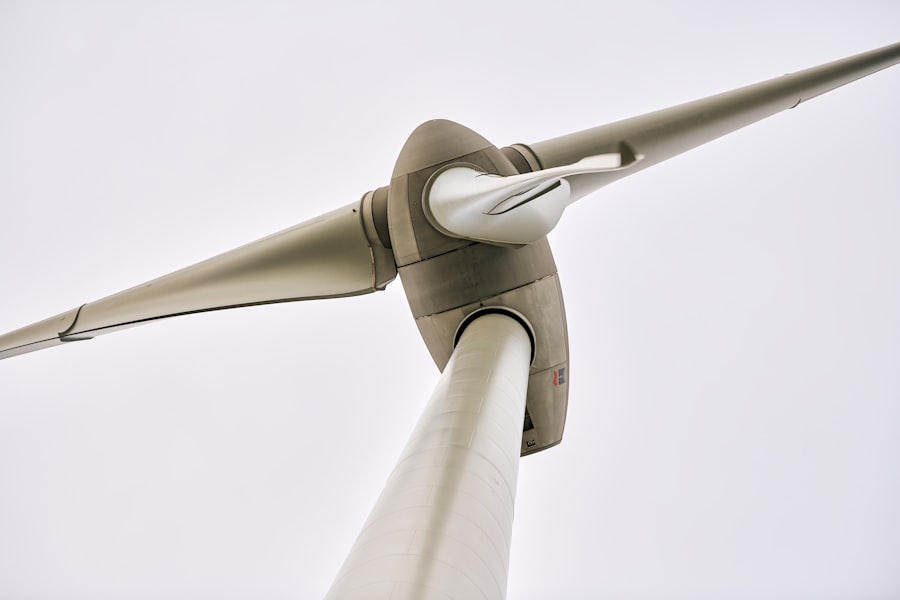
Several factors have converged to create the current magnet shortage affecting the wind turbine industry. One of the primary contributors is the increasing global demand for renewable energy solutions, which has surged in response to climate change concerns and government initiatives aimed at reducing carbon emissions. As more countries commit to ambitious renewable energy targets, the demand for wind turbines—and consequently, the magnets that power them—has skyrocketed.
Additionally, geopolitical tensions and trade restrictions have exacerbated the situation. A significant portion of rare earth elements is mined and processed in specific regions, particularly China, which dominates the global supply chain. Any disruptions in production or export policies can lead to significant shortages in availability.
Furthermore, environmental regulations surrounding mining practices have also impacted supply, as companies face stricter guidelines that can slow down production rates. These intertwined factors create a complex landscape that complicates efforts to secure a stable supply of magnets for wind turbine manufacturing.
Impact on Wind Turbine Production
The magnet shortage has had a profound impact on wind turbine production capabilities across the globe. Manufacturers are facing delays in their supply chains, leading to longer lead times for turbine assembly and deployment. This slowdown not only affects individual companies but also has broader implications for entire projects that rely on timely delivery of turbines to meet contractual obligations and project timelines.
As a result, many developers are forced to reassess their project schedules and budgets, which can lead to increased costs and potential cancellations. Moreover, some manufacturers have begun to explore alternative designs that do not rely heavily on rare earth magnets. While this innovation may provide a temporary solution, it often comes with trade-offs in terms of efficiency and performance.
The transition to alternative technologies may require significant investment in research and development, further complicating the landscape for wind turbine production. As companies grapple with these challenges, the urgency to find sustainable solutions becomes increasingly critical.
Impact on Renewable Energy Goals
| Metric | Value | Unit | Notes |
|---|---|---|---|
| Global Rare Earth Magnet Supply Deficit | 15,000 | tons/year | Estimated shortage impacting wind turbine production |
| Average Magnet Usage per Wind Turbine | 600 | kg | Neodymium-Iron-Boron magnets per 3 MW turbine |
| Increase in Magnet Prices (Year-over-Year) | 25 | % | Price increase due to supply constraints |
| Wind Turbine Production Delay | 6 | months | Average delay caused by magnet shortages |
| Percentage of Wind Turbines Using Rare Earth Magnets | 70 | % | Proportion of turbines relying on permanent magnets |
| Global Demand Growth for Rare Earth Magnets | 10 | % per year | Driven largely by renewable energy sector |
The implications of the magnet shortage extend far beyond individual manufacturers; they pose a significant threat to national and global renewable energy goals. Many countries have set ambitious targets for increasing their reliance on renewable sources, with wind energy playing a central role in these plans. However, if production capacities are hindered by a lack of essential components like magnets, achieving these targets becomes increasingly difficult.
The inability to produce enough wind turbines could lead to a slowdown in renewable energy adoption, ultimately impacting efforts to reduce greenhouse gas emissions and combat climate change. This situation creates a paradox where the very technologies designed to mitigate environmental issues are themselves constrained by supply chain challenges. Policymakers must recognize this critical juncture and take proactive measures to ensure that renewable energy goals remain attainable despite these obstacles.
Potential Solutions to the Magnet Shortage
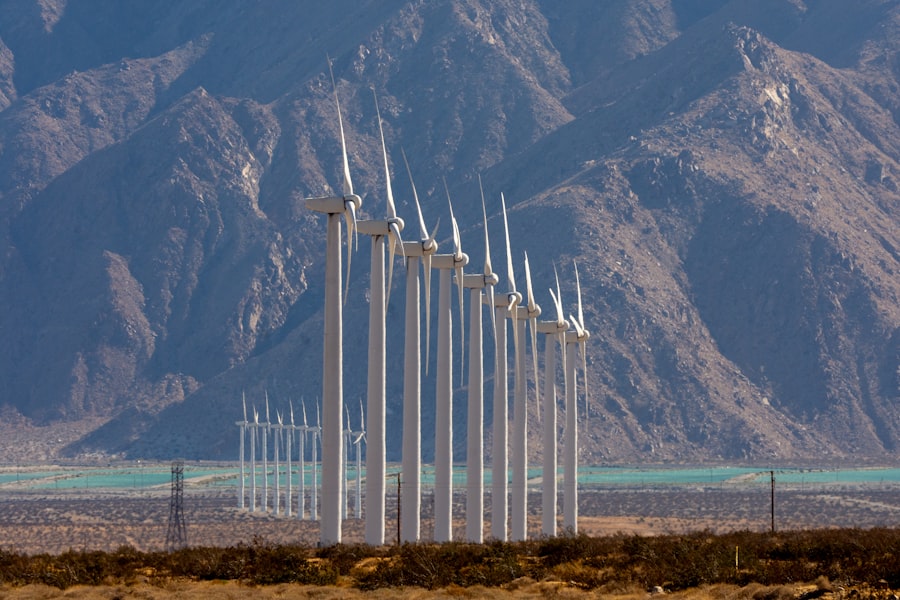
Addressing the magnet shortage requires a multifaceted approach that encompasses various strategies aimed at stabilizing supply chains and fostering innovation within the industry. One potential solution lies in diversifying sources of rare earth elements by exploring mining opportunities outside of traditional regions like China. Countries with untapped mineral resources could play a vital role in alleviating supply constraints while also bolstering their own economies through resource development.
Another avenue for addressing the shortage involves investing in research and development focused on alternative materials and technologies that can replace or reduce reliance on rare earth magnets. Innovations such as using ferrite magnets or developing new composite materials could provide viable substitutes without compromising performance. Additionally, enhancing recycling efforts for rare earth elements from old electronics and other products could help create a more circular economy around these critical materials.
Innovation in Wind Turbine Technology
The current magnet shortage has spurred innovation within the wind turbine industry as manufacturers seek ways to adapt to changing circumstances. One promising area of development is the exploration of direct-drive systems that eliminate the need for gearboxes and reduce reliance on rare earth magnets altogether. These systems can simplify turbine design while potentially lowering maintenance costs and improving overall efficiency.
Furthermore, advancements in digital technology and data analytics are enabling manufacturers to optimize turbine performance and maintenance schedules more effectively. By leveraging real-time data from operational turbines, companies can identify inefficiencies and make informed decisions about design improvements or operational adjustments. This focus on innovation not only addresses immediate challenges but also positions the industry for long-term growth and sustainability.
The Importance of Diversifying Magnet Suppliers
To mitigate future risks associated with magnet shortages, it is crucial for stakeholders within the wind energy sector to diversify their suppliers of rare earth elements and magnets. Relying heavily on a single source creates vulnerabilities that can lead to significant disruptions in production when geopolitical tensions or trade restrictions arise. By establishing relationships with multiple suppliers across different regions, manufacturers can create a more resilient supply chain capable of weathering unforeseen challenges.
Additionally, fostering partnerships with companies engaged in sustainable mining practices can enhance both supply security and environmental stewardship within the industry. As consumers increasingly demand transparency regarding sourcing practices, companies that prioritize ethical procurement will likely gain a competitive advantage in the marketplace. Diversification not only strengthens supply chains but also aligns with broader sustainability goals that resonate with stakeholders across various sectors.
Global Implications of the Magnet Shortage
The magnet shortage is not merely a localized issue; it has far-reaching global implications that extend beyond the wind energy sector. As countries strive to transition towards greener energy solutions, disruptions in one region’s supply chain can ripple through international markets, affecting prices and availability worldwide. This interconnectedness highlights the need for collaborative efforts among nations to address shared challenges related to resource management and sustainable development.
Moreover, as countries compete for access to limited resources like rare earth elements, geopolitical tensions may escalate, leading to potential conflicts over resource control. This scenario underscores the importance of establishing international agreements that promote fair trade practices and equitable access to critical materials necessary for advancing renewable energy technologies.
Government Policies and Incentives to Address the Shortage
Governments play a pivotal role in addressing the magnet shortage through policies and incentives designed to support domestic production and innovation within the renewable energy sector. By investing in research initiatives focused on alternative materials or recycling technologies, governments can help stimulate advancements that reduce reliance on rare earth elements while fostering economic growth. Additionally, implementing tax incentives or grants for companies engaged in sustainable mining practices can encourage responsible resource extraction while ensuring a stable supply chain for critical components like magnets.
Policymakers must recognize that proactive measures taken today will not only address immediate shortages but also lay the groundwork for a more resilient and sustainable energy future.
The Future of Renewable Energy in Light of the Magnet Shortage
As the world grapples with the implications of the magnet shortage on wind turbine production and renewable energy goals, it becomes clear that adaptability will be key to navigating this challenge successfully. The industry must embrace innovation while fostering collaboration among stakeholders across sectors to develop sustainable solutions that ensure continued progress toward clean energy objectives. While the current situation presents significant hurdles, it also offers an opportunity for transformative change within the renewable energy landscape.
By prioritizing research into alternative materials, diversifying supply chains, and implementing supportive government policies, stakeholders can work together to create a more resilient future for wind energy—and ultimately contribute to a cleaner planet for generations to come.
The ongoing shortage of magnets used in wind turbines has raised concerns about the future of renewable energy production. This issue is intricately linked to the supply chain challenges faced by the industry, which are discussed in detail in a related article. For more insights on this topic, you can read the article on MyGeoQuest by following this link.
WATCH THIS! 🚨 THEY CONTROL 94% OF YOUR MAGNETS 🧲 — And You Never Noticed 🤫
FAQs
What causes the shortage of magnets for wind turbines?
The shortage of magnets for wind turbines is primarily caused by limited supply of rare earth elements such as neodymium and dysprosium, which are essential for manufacturing high-performance permanent magnets used in turbine generators. Supply chain disruptions, geopolitical factors, and increased global demand also contribute to the shortage.
Why are magnets important for wind turbines?
Magnets are critical components in the generators of wind turbines. Permanent magnets made from rare earth elements enable efficient conversion of mechanical energy from the turbine blades into electrical energy, improving the turbine’s performance and reliability.
Which rare earth elements are used in wind turbine magnets?
The main rare earth elements used in wind turbine magnets are neodymium (Nd) and dysprosium (Dy). These elements are key to producing neodymium-iron-boron (NdFeB) magnets, which have strong magnetic properties necessary for wind turbine generators.
How does the magnet shortage affect wind turbine production?
A shortage of magnets can lead to delays in manufacturing wind turbines, increased production costs, and potential slowdowns in wind energy deployment. This can impact the renewable energy sector’s ability to meet demand and climate goals.
Are there alternatives to rare earth magnets in wind turbines?
Yes, alternatives include using electrically excited synchronous generators that do not require permanent magnets, or developing magnets with reduced rare earth content. However, these alternatives may have trade-offs in efficiency, cost, or complexity.
What measures are being taken to address the magnet shortage?
Efforts include diversifying rare earth element supply sources, investing in recycling of rare earth materials, researching alternative magnet materials, and improving turbine designs to reduce reliance on rare earth magnets.
Is the magnet shortage a long-term issue?
The magnet shortage is considered a significant challenge in the short to medium term due to supply constraints and growing demand. However, ongoing research, supply chain improvements, and technological innovations aim to mitigate the issue over time.