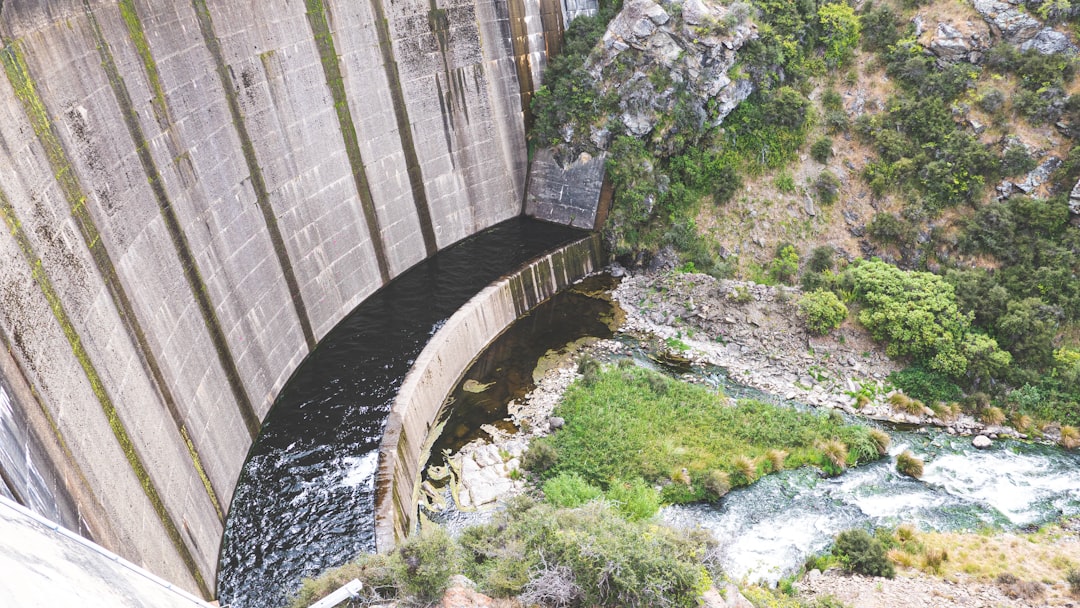
Dams play a crucial role in water management, flood control, and energy production. However, as these structures age, they require regular maintenance and repairs to ensure their safety and functionality. The importance of dam repairs cannot be overstated, as failing to address structural issues can lead to catastrophic consequences, including flooding, loss of life, and significant economic damage.
The need for repairs is often exacerbated by climate change, which can increase the frequency and intensity of extreme weather events, putting additional stress on these vital infrastructures. The process of dam repairs involves a comprehensive assessment of the structure’s condition, followed by the implementation of necessary interventions. This can range from minor maintenance tasks to major overhauls that may require significant financial investment.
As the demand for safe and reliable water management systems grows, so too does the urgency for effective funding solutions to support these essential repairs. Understanding the various funding sources available for dam repairs is critical for ensuring that these structures remain safe and operational for future generations.
Key Takeaways
- Dam repairs are funded through a mix of government, private, and international sources.
- Dam owners hold primary responsibility for maintenance and repair costs.
- Emergency repairs often require specialized funding sources and quick financial mobilization.
- Insurance plays a critical role in mitigating financial risks associated with dam repairs.
- Public-private partnerships and environmental grants are increasingly important for sustainable dam repair funding.
Government Funding for Dam Repairs
Government funding plays a pivotal role in supporting dam repairs across various jurisdictions. Federal, state, and local governments often allocate resources specifically for the maintenance and rehabilitation of dams. In the United States, for instance, the Federal Emergency Management Agency (FEMA) provides grants and financial assistance to state and local governments for dam safety projects.
These funds are essential for addressing urgent repair needs and ensuring that dams meet safety standards. In addition to direct funding, government agencies often establish programs aimed at enhancing dam safety through inspections and assessments. These initiatives not only identify potential issues but also prioritize funding based on the level of risk associated with each dam.
By focusing on high-risk structures, government funding can effectively mitigate the potential for disasters while promoting public safety. However, the challenge remains in securing consistent funding levels, as budget constraints can limit the resources available for dam repairs.
Private Funding for Dam Repairs
While government funding is a significant source of financial support for dam repairs, private funding also plays an important role in this sector. Private entities, including utility companies and private investors, often invest in dam infrastructure to ensure its reliability and efficiency. These stakeholders recognize that well-maintained dams are essential for their operations, particularly in sectors such as hydropower generation and irrigation.
Private funding can take various forms, including direct investments in repair projects or partnerships with public agencies to share costs. In some cases, private companies may also provide technical expertise and resources that enhance the repair process. However, reliance on private funding can create challenges, particularly when profit motives conflict with public safety priorities.
Responsibility of Dam Owners for Repairs
| Responsibility Aspect | Description | Typical Metrics | Regulatory Reference |
|---|---|---|---|
| Inspection Frequency | How often the dam owner must inspect the dam for safety and maintenance needs | Annual, Semi-Annual, Quarterly | State Dam Safety Regulations |
| Repair Response Time | Time allowed to address identified repair issues | 30 to 90 days depending on severity | Local Dam Safety Authority Guidelines |
| Maintenance Responsibility | Scope of maintenance activities the owner must perform | Routine cleaning, vegetation control, structural repairs | Owner’s Dam Operation Manual |
| Liability for Dam Failure | Owner’s legal responsibility in case of dam failure due to negligence | Full legal and financial liability | State and Federal Laws |
| Reporting Requirements | Obligation to report inspection and repair status to authorities | Annual reports, Immediate incident reporting | Dam Safety Program Regulations |
| Emergency Action Plan | Requirement to develop and maintain an emergency action plan | Plan updates every 2-5 years | Federal Emergency Management Agency (FEMA) Guidelines |
The responsibility for dam repairs primarily falls on the owners of these structures. Dam owners are tasked with ensuring that their facilities are safe and compliant with regulatory standards. This responsibility includes conducting regular inspections, maintaining the infrastructure, and addressing any identified issues promptly.
Failure to fulfill these obligations can result in legal liabilities and significant financial repercussions. In many jurisdictions, dam owners are required to develop and implement maintenance plans that outline the necessary repairs and upgrades needed to keep the structure safe. These plans often involve collaboration with engineers and safety experts who can provide insights into best practices for dam maintenance.
Additionally, owners must stay informed about evolving regulations and standards to ensure compliance and avoid potential penalties. Ultimately, the commitment of dam owners to prioritize repairs is crucial for safeguarding public safety and preserving the integrity of these vital structures.
Funding Sources for Emergency Dam Repairs
Emergency situations can arise unexpectedly, necessitating immediate funding for dam repairs. In such cases, various funding sources may be tapped to address urgent needs. Government agencies often have emergency funds set aside specifically for disaster response, which can be quickly mobilized to support critical repairs.
These funds are essential for addressing immediate threats to public safety and preventing further damage. In addition to government resources, non-profit organizations and foundations may also provide emergency funding for dam repairs. These entities often focus on disaster relief efforts and may offer grants or financial assistance to support urgent repair projects.
Furthermore, community fundraising initiatives can play a vital role in gathering resources quickly during emergencies. By leveraging a combination of public and private funding sources, communities can effectively respond to urgent repair needs and ensure the continued safety of their dams.
Role of Insurance in Dam Repairs

Insurance plays a significant role in managing the financial risks associated with dam repairs. Many dam owners carry insurance policies that cover damages resulting from structural failures or natural disasters. These policies can provide critical financial support when unexpected repair needs arise, helping owners mitigate the costs associated with extensive repairs or reconstruction.
However, navigating insurance claims can be complex, particularly when it comes to determining coverage limits and exclusions. Dam owners must carefully review their policies to understand what is covered in the event of a failure or emergency situation. Additionally, maintaining accurate records of inspections and maintenance activities can be crucial when filing claims, as insurers may require evidence of proper upkeep before approving coverage for repairs.
Ultimately, insurance serves as a vital safety net for dam owners, providing them with the financial resources needed to address repair needs promptly.
Legal and Regulatory Framework for Dam Repairs
The legal and regulatory framework governing dam repairs is multifaceted and varies by jurisdiction. In many countries, there are specific laws and regulations that outline the responsibilities of dam owners regarding maintenance and safety standards. These regulations often require regular inspections and assessments to identify potential issues before they escalate into serious problems.
Compliance with these legal requirements is essential not only for ensuring public safety but also for protecting dam owners from potential liabilities. Failure to adhere to regulations can result in fines or legal action if a dam failure occurs due to negligence. Therefore, it is imperative for dam owners to stay informed about relevant laws and regulations while implementing best practices for maintenance and repair.
By doing so, they can minimize risks and ensure that their dams remain safe and operational.
Public-Private Partnerships for Dam Repairs
Public-private partnerships (PPPs) have emerged as an effective model for financing dam repairs and maintenance projects. These collaborations between government entities and private organizations allow for shared resources, expertise, and financial contributions toward repair initiatives. By leveraging the strengths of both sectors, PPPs can enhance the efficiency and effectiveness of dam repair efforts.
One of the key advantages of PPPs is their ability to attract additional funding sources beyond traditional government budgets. Private partners may bring in capital investments or innovative technologies that improve repair processes while reducing costs. Furthermore, these partnerships can foster collaboration between stakeholders who share a common interest in maintaining safe and reliable water management systems.
As communities face increasing challenges related to aging infrastructure, exploring PPPs may offer a viable solution for addressing the growing need for dam repairs.
International Funding for Dam Repairs
International funding sources also play a significant role in supporting dam repairs around the world. Various global organizations, such as the World Bank and regional development banks, provide financial assistance for infrastructure projects aimed at improving water management systems. These funds are often directed toward developing countries where aging dams pose significant risks to public safety and economic stability.
International funding initiatives typically focus on comprehensive assessments of existing infrastructure and long-term planning for sustainable management practices. By investing in dam repairs through international partnerships, countries can enhance their resilience against climate change impacts while promoting regional cooperation on water resource management. However, accessing these funds often requires navigating complex application processes and demonstrating a clear commitment to sustainable practices.
Environmental and Conservation Funding for Dam Repairs
Environmental considerations are increasingly influencing funding decisions related to dam repairs. Many funding agencies prioritize projects that align with conservation goals or promote ecological restoration efforts. This trend reflects a growing recognition of the importance of maintaining healthy ecosystems while ensuring safe water management practices.
Funding sources focused on environmental conservation may support innovative repair techniques that minimize ecological impacts or enhance habitat restoration efforts around dams. For example, projects that incorporate fish passage solutions or sediment management strategies may receive preferential funding due to their positive environmental outcomes. By integrating environmental considerations into dam repair initiatives, stakeholders can achieve dual benefits: ensuring public safety while promoting ecological health.
Future Challenges and Solutions for Funding Dam Repairs
As the demand for safe and reliable water management systems continues to grow, so too do the challenges associated with funding dam repairs. Aging infrastructure, climate change impacts, and budget constraints pose significant obstacles to securing necessary resources for maintenance efforts. Additionally, public awareness regarding the importance of dam safety may not always translate into political will or financial support.
To address these challenges effectively, stakeholders must explore innovative funding solutions that leverage diverse sources of capital while fostering collaboration among public agencies, private entities, and community organizations.
Furthermore, enhancing public awareness about the critical role dams play in community safety can help galvanize support for necessary funding initiatives.
Engaging local communities in discussions about infrastructure needs may foster a sense of ownership and responsibility toward maintaining these vital structures. In conclusion, securing adequate funding for dam repairs is essential for ensuring public safety and preserving vital water management systems. By understanding the various funding sources available—ranging from government grants to private investments—stakeholders can work collaboratively toward effective solutions that address both current needs and future challenges in this critical area of infrastructure management.
When considering the financial responsibilities associated with dam repairs, it’s essential to explore various perspectives on funding and management. A related article that delves into these issues can be found at this link, which discusses the complexities of who ultimately bears the costs of maintaining and repairing dams. Understanding these dynamics is crucial for effective water resource management and infrastructure sustainability.
WATCH THIS! The $50 Billion Lie: America’s Dams Are About to Fail (60-Minute Documentary)
FAQs
Who is typically responsible for paying for dam repairs?
The responsibility for paying for dam repairs usually falls on the dam owner, which can be a private individual, a corporation, a government agency, or a public utility. The owner is generally required to maintain the dam and cover the costs of any necessary repairs.
Do government agencies contribute to dam repair costs?
In some cases, government agencies may provide funding or grants to assist with dam repairs, especially if the dam serves a public purpose such as flood control, irrigation, or hydroelectric power. However, the primary financial responsibility typically remains with the dam owner.
Are there regulations that mandate who pays for dam repairs?
Yes, dam safety regulations at the local, state, and federal levels often require dam owners to maintain their structures and carry out repairs. These regulations usually specify that the owner must bear the costs associated with repairs to ensure safety and compliance.
Can insurance cover dam repair costs?
Some dam owners may have insurance policies that cover certain types of damage or liability related to dam repairs. However, insurance coverage varies widely and may not cover all repair costs, especially those related to routine maintenance or aging infrastructure.
What happens if a dam owner cannot afford repairs?
If a dam owner cannot afford necessary repairs, they may seek financial assistance through government programs, grants, or loans. In some cases, ownership or responsibility for the dam may be transferred to another entity better equipped to manage and fund repairs.
Are there public funds available for dam repairs?
Certain public funds and grant programs exist to support dam repairs, particularly for dams that provide significant public benefits. Eligibility and availability of these funds depend on the dam’s location, purpose, and ownership.
Do downstream communities share in the cost of dam repairs?
Generally, downstream communities do not directly pay for dam repairs unless they are part of a public utility or special district that owns the dam. However, these communities may benefit from safer dams and reduced risk of flooding as a result of proper maintenance and repairs.