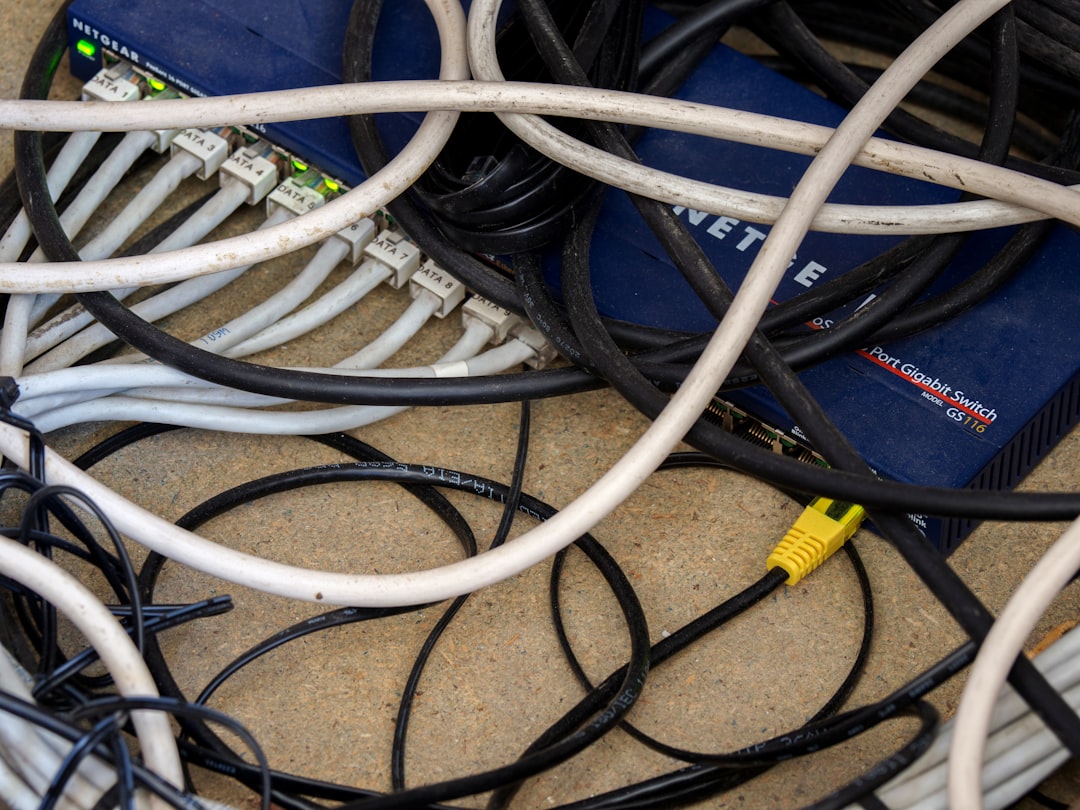
Internet cables serve as the backbone of global communication, facilitating the seamless exchange of information across vast distances. These cables, primarily fiber optic, transmit data at incredible speeds, enabling everything from personal emails to high-definition video streaming. The significance of these cables cannot be overstated; they connect continents and countries, allowing for real-time communication and collaboration.
In an increasingly digital world, the role of internet cables has become even more critical, as they underpin the infrastructure that supports modern economies and societies. Moreover, internet cables are essential for the functioning of various sectors, including education, healthcare, and commerce. They enable businesses to operate efficiently by providing reliable connectivity, which is crucial for cloud computing and online transactions.
The global economy relies heavily on these cables to facilitate trade and communication, making them a vital component of international relations. As the demand for data continues to grow, the importance of internet cables in maintaining global connectivity and fostering economic development becomes increasingly apparent.
Key Takeaways
- Internet cables play a crucial role in global communication, serving as the physical infrastructure for transmitting data across continents.
- The ownership and maintenance of internet cables are often managed by private companies, with government involvement in regulating and controlling their use.
- International agreements play a key role in governing the control and management of internet cables, ensuring global connectivity and security.
- Security and protection of internet cables are essential to safeguard against physical damage, cyber threats, and unauthorized access.
- Emerging technologies and environmental concerns are shaping the future of internet cables, highlighting the importance of transparency and accountability in their control and management.
The Physical Infrastructure of Internet Cables
The physical infrastructure of internet cables is a complex network that spans oceans and continents. Submarine cables, which lie on the ocean floor, are particularly crucial as they connect different countries and regions. These cables are laid using specialized ships that carefully install them to minimize disruption to marine life and ecosystems.
The process involves meticulous planning and engineering to ensure that the cables can withstand harsh underwater conditions, including pressure, temperature variations, and potential damage from natural disasters or human activities. On land, the infrastructure includes a series of data centers, switching stations, and terrestrial cables that work in tandem with submarine systems. This interconnected web allows for data to be routed efficiently from one point to another.
The design and maintenance of this infrastructure require significant investment and expertise, as any disruption can lead to widespread communication failures. As technology advances, the infrastructure must also evolve to accommodate increasing data demands and improve overall performance.
Ownership and Maintenance of Internet Cables
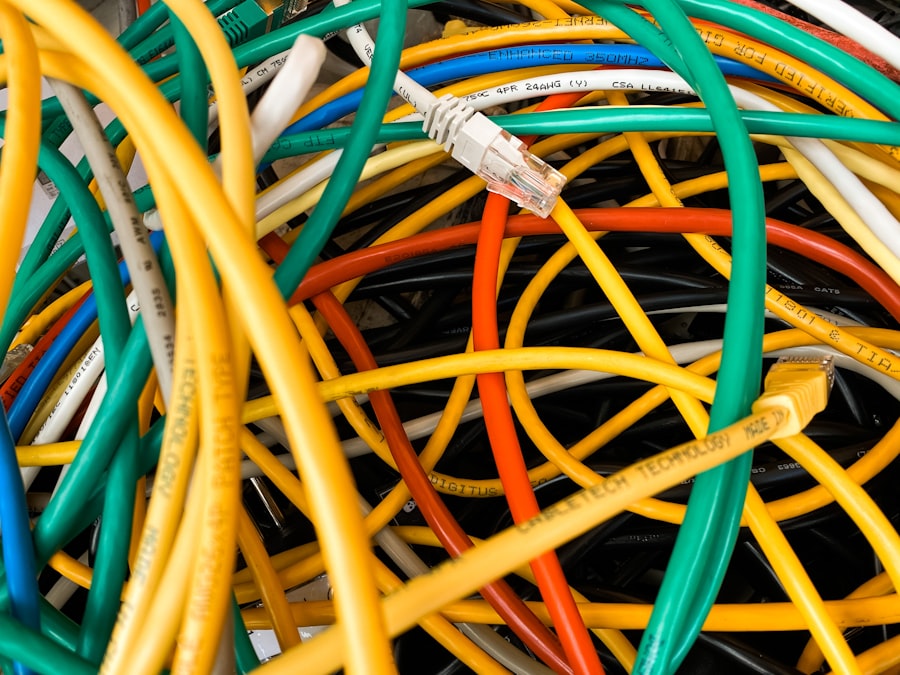
Ownership of internet cables is a multifaceted issue that involves various stakeholders, including governments, private companies, and international consortia. The ownership structure can significantly impact how cables are maintained and operated. In many cases, private companies invest in building and maintaining these cables, seeking to profit from the services they provide.
However, this profit motive can sometimes lead to conflicts over access and pricing, particularly in regions where competition is limited. Maintenance of internet cables is equally important as their construction. Regular inspections and repairs are necessary to ensure optimal performance and longevity.
Companies often collaborate with local governments and environmental organizations to address potential issues that may arise from cable degradation or damage. This collaborative approach helps to balance economic interests with environmental considerations, ensuring that the infrastructure remains functional while minimizing ecological impact.
Government Involvement in Internet Cable Control
| Country | Level of Government Involvement | Regulatory Measures |
|---|---|---|
| United States | Low | FCC regulations, limited government control |
| China | High | Strict government control, censorship measures |
| Germany | Medium | Government oversight, data protection laws |
Governments play a crucial role in regulating internet cable infrastructure, often establishing policies that govern ownership, maintenance, and access. This involvement is essential for ensuring that internet services remain equitable and accessible to all citizens. Governments may also intervene in cases where national security is at stake or when foreign ownership raises concerns about data privacy and sovereignty.
In addition to regulation, governments often invest in the development of internet cable infrastructure to promote economic growth and technological advancement. By funding projects or providing incentives for private companies to expand their networks, governments can help bridge the digital divide between urban and rural areas. This proactive approach not only enhances connectivity but also fosters innovation by enabling more people to access online resources and services.
Private Companies and Internet Cable Ownership
Private companies have emerged as key players in the ownership and operation of internet cables. These entities invest substantial resources into building networks that span the globe, often forming partnerships with other companies to share costs and risks. The competitive landscape encourages innovation and efficiency, as companies strive to offer better services at lower prices.
However, this competition can also lead to monopolistic practices in certain regions where a single company dominates the market. The ownership of internet cables by private entities raises questions about accountability and transparency. As these companies control critical infrastructure, their decisions can significantly impact global connectivity.
Issues such as pricing strategies, service quality, and access limitations can arise when profit motives take precedence over public interest. Therefore, it is essential for regulatory bodies to monitor these companies closely to ensure fair practices and protect consumers.
International Agreements and Internet Cable Control
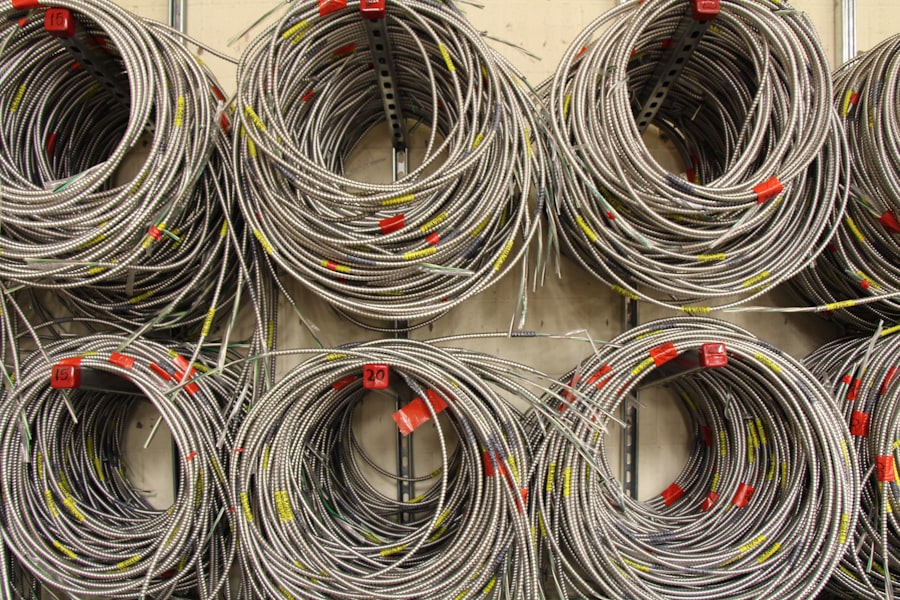
International agreements play a vital role in governing the operation of internet cables across borders. These agreements facilitate cooperation between countries on issues such as cable installation, maintenance, and dispute resolution. They help establish standards for cable technology and ensure that all parties adhere to best practices in terms of safety and environmental protection.
Furthermore, international agreements can address concerns related to data privacy and security. As data flows across borders through these cables, it becomes imperative for countries to collaborate on regulations that protect citizens’ information from unauthorized access or misuse. By fostering dialogue between nations, these agreements contribute to a more secure and reliable global communication network.
Security and Protection of Internet Cables
The security of internet cables is a pressing concern in today’s interconnected world. These cables are vulnerable to various threats, including natural disasters, accidental damage from fishing activities or shipping traffic, and deliberate attacks from malicious actors. Protecting this critical infrastructure is essential for maintaining uninterrupted global communication.
To mitigate risks, companies and governments implement various security measures. Surveillance systems monitor cable routes for potential threats, while regular maintenance checks help identify vulnerabilities before they escalate into significant issues. Additionally, international cooperation is crucial in addressing cybersecurity threats that could compromise the integrity of data transmitted through these cables.
By working together, nations can develop strategies to enhance the resilience of their internet infrastructure against both physical and cyber threats.
The Impact of Internet Cable Control on Global Connectivity
Control over internet cables has far-reaching implications for global connectivity. Regions with limited access to reliable internet infrastructure often face economic disadvantages compared to those with robust networks. This disparity can hinder development efforts and exacerbate existing inequalities between urban and rural areas or between developed and developing nations.
Moreover, the control exerted by private companies or governments can influence the flow of information across borders. Restrictions on access or censorship can limit individuals’ ability to communicate freely or access vital resources online. As such, ensuring equitable access to internet cables is essential for promoting social inclusion and fostering a more connected world.
Emerging Technologies and the Future of Internet Cables
As technology continues to evolve rapidly, so too does the landscape of internet cables. Emerging technologies such as satellite internet and 5G networks are beginning to complement traditional cable systems by providing alternative means of connectivity.
The future of internet cables may also see innovations in cable design and materials that improve performance while reducing environmental impact. Research into new fiber optic technologies could lead to faster data transmission rates and increased capacity for handling larger volumes of information. As these technologies develop, they will likely reshape how individuals and businesses connect with one another across the globe.
Environmental Concerns and Internet Cable Management
The installation and maintenance of internet cables raise several environmental concerns that must be addressed responsibly. Laying submarine cables can disrupt marine ecosystems if not done carefully; therefore, companies must adhere to strict environmental regulations during installation processes. Additionally, ongoing maintenance activities should consider potential impacts on local wildlife habitats.
As awareness of environmental issues grows, there is increasing pressure on companies to adopt sustainable practices in their operations. This includes using eco-friendly materials for cable construction and implementing strategies that minimize ecological disruption during installation or repair work. By prioritizing environmental stewardship, stakeholders can help ensure that the benefits of global connectivity do not come at the expense of the planet’s health.
The Importance of Transparency and Accountability in Internet Cable Control
Transparency and accountability are crucial components in managing internet cable infrastructure effectively. Stakeholders must be open about their operations, decision-making processes, and any potential conflicts of interest that may arise from ownership structures or partnerships. This openness fosters trust among consumers and ensures that companies prioritize public interest alongside profit motives.
Regulatory bodies play a vital role in promoting transparency by monitoring industry practices and enforcing compliance with established standards. By holding companies accountable for their actions, regulators can help prevent monopolistic behavior or unfair pricing strategies that could harm consumers. Ultimately, a commitment to transparency will contribute to a more equitable global communication landscape where all individuals have access to reliable internet services.
Their physical infrastructure requires careful planning and maintenance while being subject to various ownership structures influenced by both public and private interests. Government involvement is essential for ensuring equitable access while international agreements help regulate cross-border operations effectively.
As emerging technologies reshape the landscape of connectivity, stakeholders must remain vigilant about environmental concerns while prioritizing transparency and accountability in managing this critical infrastructure for future generations.
The control of internet cables is a critical issue that affects global connectivity and security. For a deeper understanding of the implications of this control, you can read the article on the topic at this link. This article explores the various stakeholders involved in managing internet infrastructure and the potential consequences for users worldwide.
WATCH THIS! The Map You Can’t See is Controlling the World
FAQs
What are internet cables?
Internet cables, also known as undersea cables or submarine communications cables, are cables laid on the ocean floor that carry telecommunications signals across bodies of water.
Who controls the internet cables?
The ownership and control of internet cables vary depending on the specific cable. Some cables are owned and operated by private companies, while others are owned by consortia of telecommunications companies. Additionally, some cables are owned by governments or government-owned entities.
How are internet cables laid?
Internet cables are typically laid by specialized cable-laying ships, which carefully place the cables on the ocean floor. The process involves precise planning and coordination to ensure the cables are laid in the correct locations and depths.
Are internet cables vulnerable to damage or sabotage?
Internet cables are vulnerable to damage from natural disasters, such as earthquakes or undersea landslides, as well as human activities, such as fishing trawlers or ship anchors. While sabotage is a possibility, it is relatively rare and there are security measures in place to protect the cables.
How are internet cables repaired?
When internet cables are damaged, specialized repair ships and equipment are used to locate and repair the damaged sections. This process can be complex and time-consuming, depending on the extent of the damage and the location of the cable.