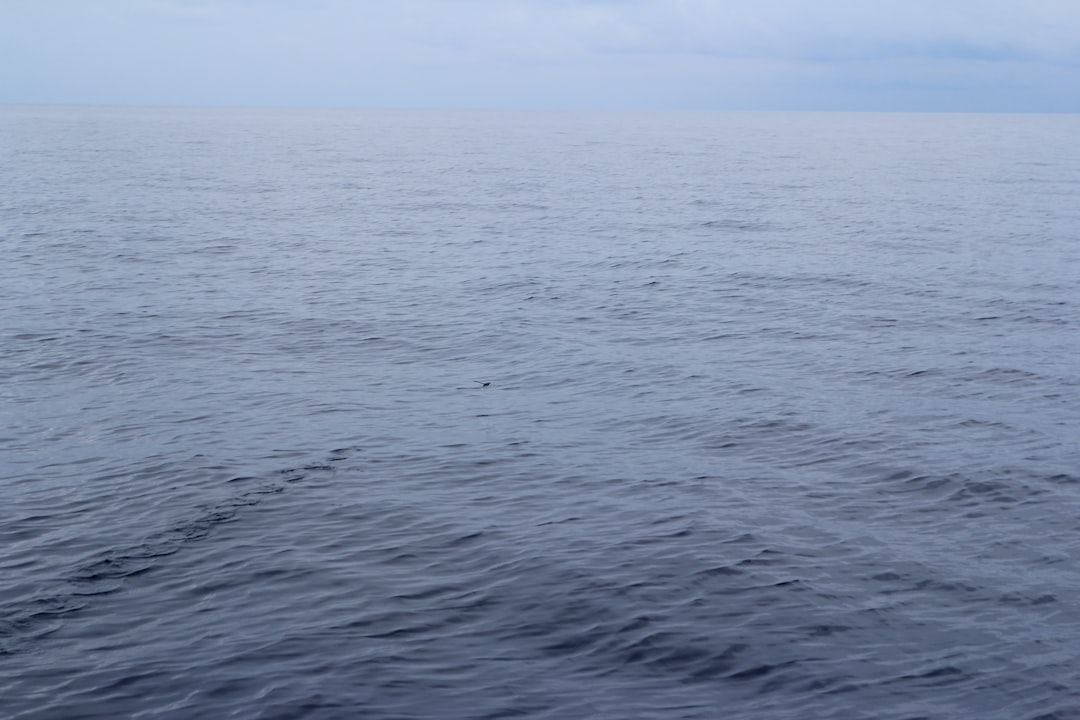
The Drake Passage, a body of water situated between the southern tip of South America and Antarctica, serves as a critical maritime corridor connecting the Atlantic and Pacific Oceans. Named after the English explorer Sir Francis Drake, who navigated these treacherous waters in the late 16th century, the passage is renowned for its tumultuous seas and unpredictable weather patterns. Stretching approximately 800 kilometers (500 miles) in width, it is often regarded as one of the most challenging maritime routes in the world.
The passage not only plays a vital role in global oceanic circulation but also serves as a gateway for scientific exploration and tourism to the Antarctic region. Navigating the Drake Passage is no small feat, as it is characterized by strong currents, high winds, and large waves. The confluence of the Atlantic and Pacific Oceans creates a unique environment that can shift from calm to chaotic in a matter of moments.
This unpredictability has made the Drake Passage a subject of fascination for sailors, scientists, and adventurers alike. As such, it stands as a testament to the raw power of nature and the enduring spirit of exploration that has driven humanity to traverse its waters.
Key Takeaways
- The Drake Passage is a body of water between South America’s Cape Horn and the South Shetland Islands of Antarctica.
- The significance of the Drake Passage lies in its role as a major conduit for the movement of ocean currents and marine life between the Atlantic and Pacific Oceans.
- The geographic features of the Drake Passage include its narrow width, strong winds, and rough seas, making it a challenging and dangerous route for navigation.
- The climate and weather conditions in the Drake Passage are characterized by strong winds, high waves, and rapidly changing weather patterns, creating harsh conditions for both humans and wildlife.
- The flora and fauna of the Drake Passage are diverse and unique, with a variety of seabirds, marine mammals, and cold-water species thriving in the region.
The significance of the Drake Passage
The significance of the Drake Passage extends far beyond its geographical location; it is a crucial component of Earth’s climate system and oceanic circulation. The passage acts as a conduit for the Antarctic Circumpolar Current, which encircles Antarctica and influences global weather patterns. This current plays a pivotal role in regulating temperatures and distributing nutrients across the oceans, thereby impacting marine ecosystems worldwide.
The Drake Passage’s unique position allows it to facilitate the exchange of water masses between the Atlantic and Pacific Oceans, contributing to the overall health of the planet’s oceans. Moreover, the Drake Passage holds immense importance for scientific research. It serves as a natural laboratory for studying climate change, oceanography, and marine biology.
Researchers from around the globe flock to this region to investigate its complex ecosystems and monitor changes in ocean temperatures and salinity levels. The data collected from the Drake Passage not only enhances understanding of local marine environments but also provides insights into broader global phenomena, such as El Niño and La Niña events.
Geographic features of the Drake Passage
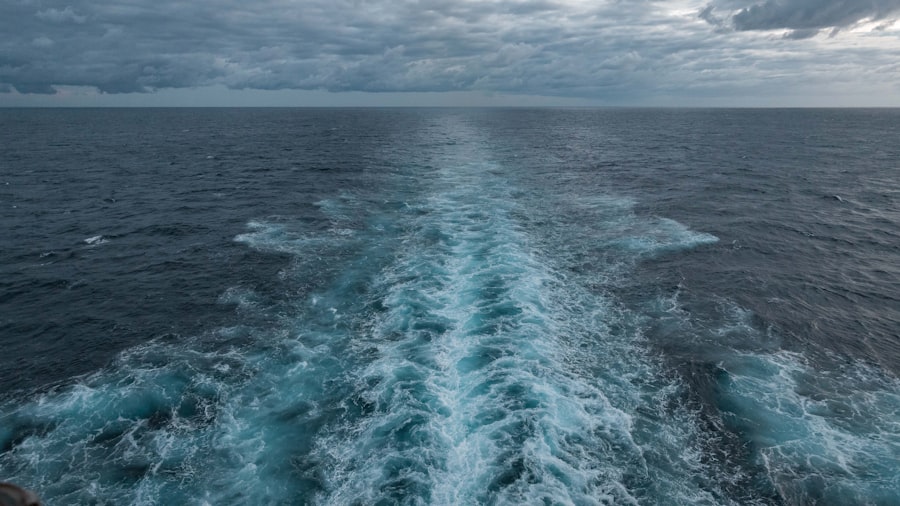
The geographic features of the Drake Passage are as diverse as they are striking. The passage is flanked by the rugged terrain of Cape Horn to the north and the icy expanse of Antarctica to the south. This juxtaposition creates a dramatic landscape where towering cliffs meet vast oceanic expanses.
The underwater topography is equally fascinating, with deep-sea trenches and submerged mountain ranges that contribute to the area’s complex hydrodynamics. One notable feature of the Drake Passage is its depth. The average depth of the passage is around 3,000 meters (9,800 feet), with some areas plunging even deeper into the ocean floor.
This depth not only influences marine life but also affects navigation and shipping routes. Additionally, the passage is home to various islands, including the uninhabited South Shetland Islands and South Georgia, which serve as important waypoints for vessels traversing these waters.
Climate and weather conditions in the Drake Passage
| Month | Average Temperature (°C) | Precipitation (mm) | Wind Speed (km/h) |
|---|---|---|---|
| January | 5 | 80 | 35 |
| February | 4 | 90 | 40 |
| March | 3 | 100 | 45 |
| April | 2 | 110 | 50 |
| May | 1 | 120 | 55 |
| June | 0 | 130 | 60 |
The climate and weather conditions in the Drake Passage are notoriously volatile, characterized by rapid changes that can pose significant challenges for mariners. The region experiences a subpolar maritime climate, with cool temperatures year-round and frequent storms. Winds can reach gale force, creating towering waves that can exceed 10 meters (33 feet) in height.
These conditions are exacerbated by the passage’s geographical location, where cold Antarctic air collides with warmer air masses from the north. Seasonal variations also play a role in shaping the weather patterns of the Drake Passage. During the summer months (November to March), temperatures can rise slightly, making navigation somewhat more manageable.
Conversely, winter months bring harsher weather, with freezing temperatures and increased ice formation posing additional hazards for navigation.
Flora and fauna of the Drake Passage
The flora and fauna of the Drake Passage are as diverse as they are resilient, adapted to thrive in one of the most challenging marine environments on Earth. The nutrient-rich waters support a vibrant ecosystem that includes various species of fish, krill, and plankton. Krill, in particular, plays a crucial role in this ecosystem as a primary food source for many marine animals, including seals, penguins, and whales.
Birdlife is abundant in the Drake Passage, with numerous species of seabirds calling this region home. Albatrosses, petrels, and skuas are commonly sighted gliding gracefully over the waves or diving into the water in search of food. The presence of these birds not only adds to the ecological richness of the area but also serves as an indicator of environmental health.
As climate change continues to impact marine ecosystems globally, monitoring these species provides valuable insights into broader ecological shifts.
Historical significance of the Drake Passage
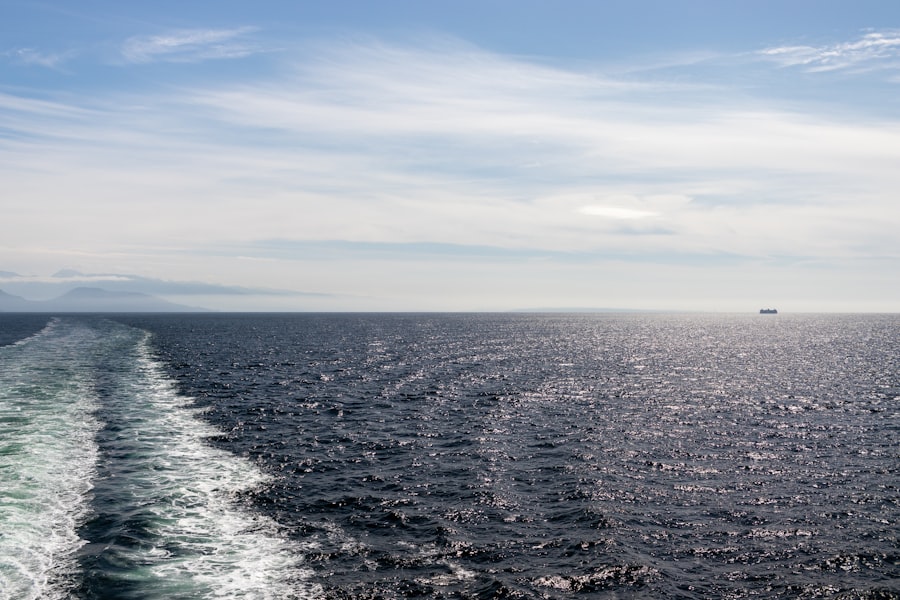
The historical significance of the Drake Passage is deeply intertwined with human exploration and maritime history. Sir Francis Drake’s voyage through these waters in 1578 marked one of the first recorded passages around Cape Horn, paving the way for future explorers and navigators. His journey not only demonstrated the potential for maritime trade routes but also highlighted the challenges posed by these treacherous waters.
Throughout history, many explorers have sought to navigate the Drake Passage in pursuit of discovery and adventure. The passage became a critical route during the Age of Exploration, facilitating trade between Europe and Asia via circumnavigation. Additionally, it played a significant role during various naval conflicts and expeditions aimed at claiming territories in Antarctica.
Today, this historical legacy continues to attract adventurers and researchers eager to follow in the footsteps of those who came before them.
Challenges and dangers of navigating the Drake Passage
Navigating the Drake Passage presents numerous challenges and dangers that have earned it a reputation as one of the most perilous maritime routes in existence. The unpredictable weather patterns can lead to sudden storms that create hazardous conditions for vessels. High winds and towering waves can make navigation treacherous, even for experienced sailors equipped with modern technology.
Moreover, icebergs pose an additional threat to ships traversing these waters. The presence of icebergs can be particularly concerning during certain times of year when melting ice from Antarctica increases their prevalence in the passage. Collisions with icebergs can result in catastrophic damage to vessels, making careful navigation essential for ensuring safety at sea.
Scientific research and exploration in the Drake Passage
The Drake Passage has become a focal point for scientific research and exploration due to its unique ecological characteristics and significance within global oceanic systems. Researchers from various disciplines converge on this region to study its complex marine ecosystems, monitor climate change impacts, and investigate oceanographic phenomena. The data collected from expeditions contributes to a deeper understanding of how changes in this area can influence broader environmental trends.
In addition to climate research, studies conducted in the Drake Passage often focus on marine biology and ecology. Scientists examine species interactions within this rich ecosystem, exploring how factors such as temperature fluctuations and ocean currents affect biodiversity. These investigations not only enhance knowledge about local marine life but also provide insights into global ecological dynamics.
Tourism and expeditions in the Drake Passage
Tourism in the Drake Passage has grown significantly over recent years as adventurers seek to experience its breathtaking landscapes and unique wildlife firsthand. Expedition cruises have become increasingly popular among travelers eager to explore Antarctica’s remote regions while navigating through these storied waters. Tour operators offer guided trips that allow tourists to witness stunning vistas, observe wildlife up close, and learn about the region’s ecological significance.
While tourism brings economic benefits to local communities and promotes awareness about conservation efforts, it also raises concerns regarding environmental impact. Increased vessel traffic can disrupt marine ecosystems and contribute to pollution if not managed responsibly. As such, sustainable tourism practices are essential for preserving this fragile environment while allowing visitors to appreciate its beauty.
Conservation efforts in the Drake Passage
Conservation efforts in the Drake Passage are vital for protecting its unique ecosystems and ensuring their resilience against human impacts and climate change.
Initiatives aimed at reducing pollution from vessels and minimizing disturbances to wildlife are crucial components of these conservation efforts.
Additionally, international agreements such as the Antarctic Treaty System play a significant role in regulating activities within this region. These agreements establish guidelines for scientific research, tourism management, and environmental protection measures aimed at preserving Antarctica’s delicate ecosystems for future generations.
Future prospects for the Drake Passage
The future prospects for the Drake Passage are shaped by ongoing environmental changes and human activities that continue to impact this vital maritime corridor. As climate change accelerates, shifts in ocean temperatures and currents may alter marine ecosystems within the passage, potentially affecting species distributions and biodiversity levels. Monitoring these changes will be essential for understanding how they influence both local environments and global oceanic systems.
Furthermore, as interest in Antarctic exploration grows among tourists and researchers alike, balancing economic opportunities with conservation efforts will be crucial for ensuring sustainable practices are upheld within this fragile ecosystem. By fostering responsible tourism initiatives and promoting scientific research that prioritizes environmental stewardship, stakeholders can work together to protect the unique beauty and ecological significance of the Drake Passage for generations to come.
The Drake Passage is a significant body of water where the Atlantic and Pacific Oceans converge, creating a dynamic and often turbulent maritime environment. This passage, located between the southern tip of South America and Antarctica, is renowned for its challenging navigation conditions and its role in global ocean circulation. For more detailed information on the geographical and oceanographic significance of the Drake Passage, you can explore a related article on the topic by visiting