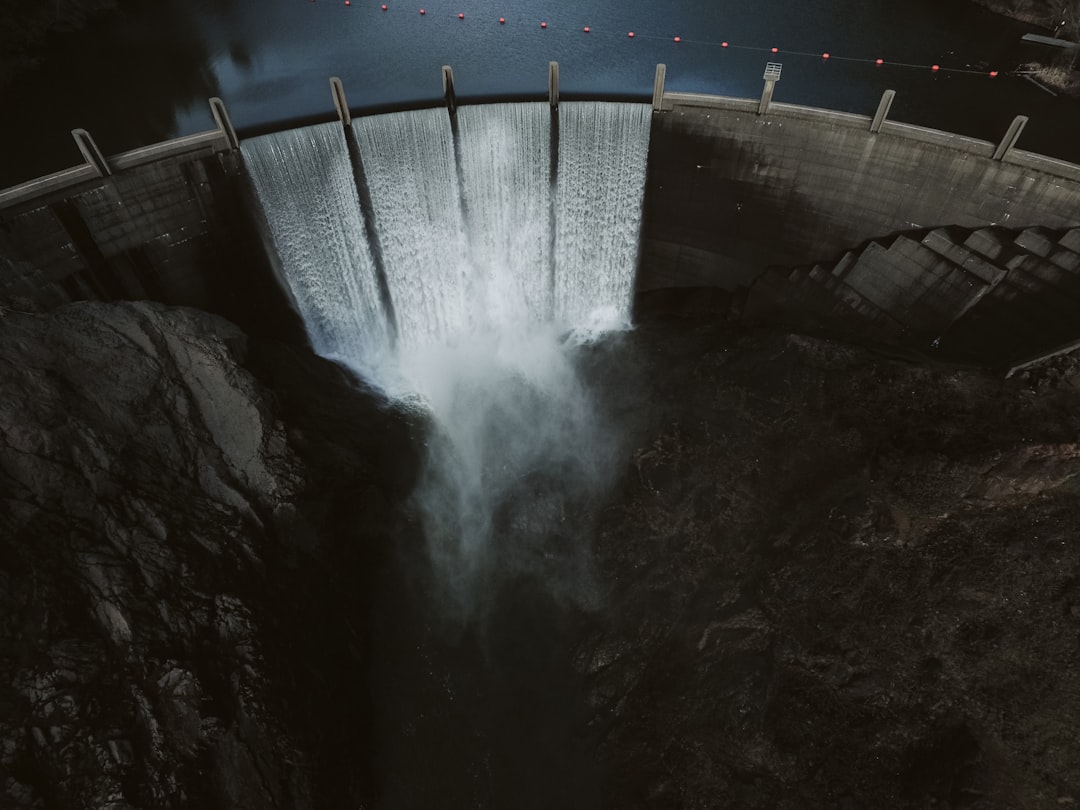
When a dam fails, the immediate repercussions can be devastating for the surrounding communities. The sudden release of water can lead to catastrophic flooding, sweeping away homes, infrastructure, and even lives. Communities that once thrived in the shadow of these massive structures often find themselves grappling with loss and destruction.
The emotional toll on residents is profound; families are displaced, and the sense of security that once defined their lives is shattered. The aftermath of such an event can leave deep psychological scars, as individuals struggle to come to terms with the sudden upheaval of their lives. Moreover, the social fabric of these communities can be irreparably altered.
As people are forced to evacuate and seek refuge elsewhere, the bonds that held neighborhoods together can fray. Schools may close, businesses may shutter, and local governments may find themselves overwhelmed by the scale of the disaster. The sense of community that once flourished can quickly dissolve into chaos and uncertainty.
The impact of a dam failure extends far beyond the physical destruction; it reshapes the very essence of community life.
Key Takeaways
- Dam failures cause widespread community displacement and loss of life.
- Environmental damage includes habitat destruction and water contamination.
- Economic impacts involve costly infrastructure repairs and lost productivity.
- Effective emergency response is critical to minimize humanitarian crises.
- Advances in technology and regulation are key to preventing future failures.
Environmental Consequences of a Dam Failure
The environmental ramifications of a dam failure are often severe and far-reaching. When a dam collapses, it unleashes a torrent of water that can devastate local ecosystems. Aquatic habitats are disrupted, leading to the displacement or death of countless species.
The sudden influx of water can also lead to erosion, altering landscapes and affecting the natural flow of rivers and streams. Sediment that was previously contained behind the dam can be released, smothering aquatic life downstream and degrading water quality. In addition to immediate ecological damage, the long-term effects can be equally concerning.
Contaminants stored in the reservoir may be released into the environment, posing risks to both wildlife and human populations. The alteration of water flow can disrupt migratory patterns for fish and other species, leading to declines in biodiversity. Furthermore, the loss of wetlands and other critical habitats can have cascading effects on local flora and fauna.
The environmental consequences of a dam failure are not just a temporary setback; they can lead to lasting changes in the ecosystem that may take generations to recover.
Economic Fallout from Dam Failures

The economic implications of a dam failure can be staggering, affecting not only the immediate area but also regional economies. The destruction of infrastructure such as roads, bridges, and utilities can cripple local businesses and disrupt supply chains. In many cases, industries that rely on stable water levels for operations—such as agriculture and manufacturing—can suffer significant losses.
The financial burden on local governments can also be immense, as they scramble to provide emergency services and begin the recovery process. Insurance claims following a dam failure can lead to lengthy disputes and delays in compensation for affected individuals and businesses. The economic fallout can extend beyond immediate losses; it can deter investment in the region for years to come.
Potential investors may view the area as high-risk due to the possibility of future disasters, leading to a decline in job opportunities and economic growth. The ripple effects of a dam failure can thus create a cycle of economic hardship that is difficult to break.
Humanitarian Crisis and Dam Failures
| Year | Location | Dam Name | Cause of Failure | Casualties | Displaced People | Humanitarian Impact |
|---|---|---|---|---|---|---|
| 1975 | Angola | Capanda Dam (near failure event) | Structural issues | Unknown | Thousands | Flooding led to displacement and food shortages |
| 2000 | India | Machchu-2 Dam | Heavy rainfall and poor maintenance | Over 1,800 | Thousands | Severe flooding, destruction of homes and infrastructure |
| 2010 | China | Gaozhuang Dam | Extreme rainfall | Approximately 30 | Thousands | Flooding caused evacuation and loss of agricultural land |
| 2014 | USA | Oroville Dam (near failure event) | Spillway damage | 0 | 188,000 | Mass evacuation due to potential dam failure |
| 2022 | Uganda | Nyamwamba Dam | Heavy rains and landslides | Over 20 | Thousands | Flooding and landslides caused displacement and loss of livelihoods |
A dam failure often precipitates a humanitarian crisis, as large numbers of people are displaced and in need of immediate assistance. Evacuations may be chaotic, with individuals and families forced to leave their homes with little more than the clothes on their backs. Shelters must be established quickly to accommodate those who have lost everything, and humanitarian organizations often mobilize rapidly to provide food, medical care, and psychological support.
The challenges faced during such crises are immense. Access to clean water and sanitation becomes critical, as contaminated water sources pose health risks to displaced populations. Additionally, mental health support is essential for those grappling with trauma from the disaster.
The humanitarian response must be swift and coordinated to address both immediate needs and long-term recovery efforts. As communities begin to rebuild, ongoing support is necessary to help individuals regain stability and rebuild their lives.
Infrastructure Damage Caused by Dam Failures
The infrastructure damage resulting from a dam failure can be extensive and multifaceted. Roads may be washed away or rendered impassable by flooding, complicating rescue efforts and hindering recovery operations. Bridges can collapse under the force of rushing water, isolating communities and making it difficult for aid to reach those in need.
Utilities such as electricity and gas may be disrupted, leaving residents without essential services during critical recovery periods. In addition to physical damage, the failure of a dam can lead to long-term infrastructure challenges. Rebuilding efforts often require significant investment and planning, as communities must consider not only restoring what was lost but also improving resilience against future disasters.
This may involve upgrading existing infrastructure or implementing new technologies designed to withstand extreme weather events. The process of repairing and enhancing infrastructure can take years, leaving communities vulnerable in the interim.
Lessons Learned from Past Dam Failures
History has shown that dam failures are not isolated incidents; they often reveal systemic issues related to design, maintenance, and oversight. Analyzing past failures provides valuable insights into how similar disasters can be prevented in the future. For instance, many failures have been attributed to inadequate maintenance practices or insufficient safety protocols.
By learning from these mistakes, engineers and policymakers can develop more robust standards for dam construction and upkeep. Furthermore, past incidents highlight the importance of community preparedness and response planning. Effective communication strategies must be established to ensure that residents are aware of potential risks associated with nearby dams.
Public education campaigns can empower individuals to take proactive measures in case of an emergency. By fostering a culture of preparedness, communities can enhance their resilience against future dam failures.
Legal and Regulatory Implications of Dam Failures
The legal landscape surrounding dam failures is complex and often contentious. When a dam fails, questions arise regarding liability—who is responsible for the disaster? This can involve multiple parties, including government agencies, private companies, and engineers involved in the design or maintenance of the dam.
Legal battles may ensue as affected individuals seek compensation for their losses, leading to lengthy court proceedings that can strain resources. Regulatory frameworks governing dam safety also come under scrutiny following a failure. Investigations often reveal gaps in oversight or enforcement that contributed to the disaster.
These changes can have far-reaching implications for how dams are managed across the country, influencing everything from funding allocations to engineering practices.
Emergency Response and Recovery Efforts After a Dam Failure
Emergency response efforts following a dam failure are critical in mitigating immediate dangers and providing assistance to affected populations. First responders must act quickly to assess damage, conduct search-and-rescue operations, and ensure public safety. Coordination among various agencies—local governments, non-profit organizations, and federal agencies—is essential for an effective response.
Recovery efforts often extend well beyond initial emergency measures. Long-term recovery plans must address housing needs for displaced residents, restoration of essential services, and rebuilding infrastructure. Community engagement is vital during this phase; affected individuals should have a voice in shaping recovery efforts to ensure that their needs are met.
Successful recovery requires not only physical rebuilding but also emotional healing as communities come together to support one another in the aftermath of tragedy.
Technological Advances in Dam Safety and Monitoring
Advancements in technology have significantly improved dam safety and monitoring capabilities in recent years. Modern sensors and remote monitoring systems allow for real-time data collection on structural integrity, water levels, and environmental conditions surrounding dams. This information enables engineers to identify potential issues before they escalate into crises.
Additionally, predictive modeling tools have been developed to simulate various scenarios related to dam performance under different conditions. These models help engineers assess risks associated with extreme weather events or seismic activity, allowing for proactive measures to enhance safety protocols. As technology continues to evolve, it holds promise for further improving dam safety standards and reducing the likelihood of catastrophic failures.
Social and Psychological Effects of Dam Failures
The social and psychological effects of a dam failure extend far beyond physical destruction; they permeate every aspect of community life. Survivors often experience trauma related to loss—of loved ones, homes, or their sense of security. Mental health issues such as anxiety, depression, and post-traumatic stress disorder (PTSD) can emerge in the wake of such disasters.
Community cohesion may also suffer as individuals grapple with their experiences differently. Some may withdraw socially while others seek connection through shared grief or collective action in recovery efforts. Addressing these psychological impacts requires comprehensive support systems that include counseling services, community engagement initiatives, and opportunities for survivors to share their stories.
Healing takes time; fostering resilience within communities is essential for long-term recovery.
Preventing Future Dam Failures: Strategies and Solutions
Preventing future dam failures necessitates a multifaceted approach that encompasses engineering best practices, regulatory oversight, community engagement, and technological innovation. Regular inspections and maintenance are crucial for identifying potential weaknesses before they lead to catastrophic failures. Investment in infrastructure upgrades—such as reinforcing aging dams or implementing modern design standards—can significantly enhance safety.
Public awareness campaigns play an essential role in educating communities about potential risks associated with nearby dams. Encouraging preparedness through emergency drills or informational resources empowers residents to respond effectively in case of an emergency. Collaboration among stakeholders—including government agencies, engineers, environmental organizations, and local communities—is vital for developing comprehensive strategies aimed at preventing future disasters.
In conclusion, while dam failures pose significant challenges across various dimensions—socially, economically, environmentally—the lessons learned from past incidents provide valuable insights into how similar tragedies can be avoided in the future. By prioritizing safety measures, fostering community resilience, and leveraging technological advancements, society can work towards ensuring that such disasters become increasingly rare occurrences rather than inevitable tragedies.
When a dam fails, the consequences can be catastrophic, leading to widespread flooding and significant loss of life and property. For a deeper understanding of the implications and the science behind dam failures, you can read more in this related article: What Happens When a Dam Fails?. This article explores the various factors that contribute to dam failures and the emergency response measures that can mitigate their impact.
WATCH THIS! The $50 Billion Lie: America’s Dams Are About to Fail (60-Minute Documentary)
FAQs
What causes a dam to fail?
Dam failure can be caused by several factors including structural weaknesses, poor maintenance, extreme weather events such as heavy rainfall or flooding, earthquakes, foundation defects, or overtopping when water flows over the top of the dam.
What are the immediate consequences of a dam failure?
The immediate consequences typically include a sudden release of a large volume of water, leading to downstream flooding, destruction of property, loss of life, environmental damage, and disruption of local communities and infrastructure.
How does a dam failure impact the environment?
Dam failure can cause severe environmental impacts such as habitat destruction, water pollution from debris and sediments, disruption of aquatic ecosystems, and long-term changes to river flow and sediment transport.
What safety measures are in place to prevent dam failures?
Safety measures include regular inspections, maintenance, monitoring of structural integrity, emergency action plans, installation of early warning systems, and adherence to engineering standards during design and construction.
What should people do if a dam failure warning is issued?
People should follow evacuation orders promptly, move to higher ground away from the flood path, avoid crossing flooded areas, stay informed through official channels, and assist vulnerable individuals if possible.
Can dam failures be predicted?
While exact prediction is challenging, monitoring systems can detect signs of potential failure such as unusual seepage, cracks, or structural movement, allowing authorities to issue warnings and take preventive actions.
What types of dams are most at risk of failure?
Older dams, earthfill or embankment dams, and those located in areas prone to seismic activity or extreme weather events may have higher risk, especially if not properly maintained or inspected.
How often are dams inspected for safety?
Inspection frequency varies by country and dam size but typically ranges from annual to every five years, with more frequent inspections for high-hazard dams or those showing signs of distress.
What role do emergency action plans play in dam safety?
Emergency action plans outline procedures for warning, evacuation, and response in case of dam failure, helping to minimize loss of life and property damage by ensuring coordinated and timely actions.
Are there historical examples of major dam failures?
Yes, notable examples include the 1975 Banqiao Dam failure in China, the 1889 Johnstown Flood in the USA, and the 2018 Oroville Dam spillway failure, all of which caused significant damage and loss of life.