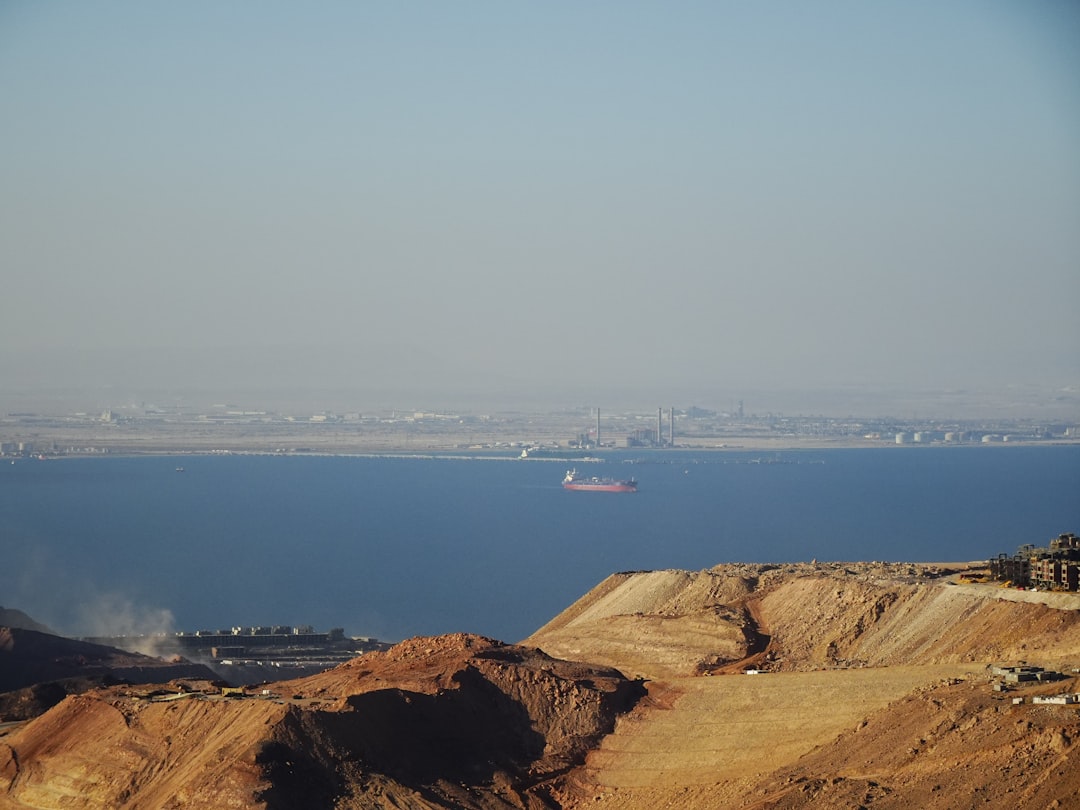
The Strait of Hormuz, a narrow waterway connecting the Persian Gulf to the Gulf of Oman, serves as a critical maritime corridor for global trade and energy transportation. Spanning approximately 21 miles at its narrowest point, this strategic strait is flanked by Iran to the north and Oman to the south. Its geographical significance cannot be overstated, as it is one of the most vital chokepoints in the world, facilitating the passage of a substantial portion of the world’s oil supply.
The Strait of Hormuz has long been a focal point of geopolitical tensions, with various nations vying for influence in the region, making it a hotspot for international diplomacy and conflict. The importance of the Strait of Hormuz extends beyond its physical dimensions; it is a lifeline for many economies that rely heavily on oil imports. Approximately 20% of the world’s crude oil passes through this narrow passage, underscoring its role in global energy security.
The strait’s strategic position has made it a subject of interest for both regional powers and global superpowers, leading to a complex web of alliances and rivalries. As such, any disruption in this vital waterway can have far-reaching consequences, not only for the countries directly involved but also for the global economy at large.
Key Takeaways
- The Strait of Hormuz is a narrow waterway that connects the Persian Gulf to the Gulf of Oman and the Arabian Sea, making it a crucial maritime route for global trade and energy transportation.
- The strait is of immense strategic importance due to the fact that it is the world’s most important oil chokepoint, with about 20% of the world’s oil passing through it.
- Potential causes of the strait closing include geopolitical tensions, military conflicts, and blockades, which could disrupt global oil supplies and lead to economic instability.
- The economic impact of the strait closing could result in increased oil prices, supply shortages, and potential global recession, affecting both oil-importing and exporting countries.
- A closure of the strait could lead to a significant disruption in the global oil market, causing a shortage in oil supply and impacting the global economy.
Importance of the Strait of Hormuz
The Strait of Hormuz is often referred to as the “jugular vein” of the global oil supply due to its pivotal role in energy transportation. It is estimated that around 17 million barrels of oil are transported through this strait daily, accounting for nearly one-third of all seaborne oil trade. This staggering volume highlights the strait’s significance in maintaining the flow of energy resources to major economies, including those in Asia, Europe, and North America.
The reliance on this narrow passage underscores the interconnectedness of global markets and the potential vulnerabilities that arise from such dependence. Moreover, the Strait of Hormuz is not only crucial for oil but also for liquefied natural gas (LNG) shipments. Countries like Qatar, which is one of the largest LNG exporters in the world, depend on this route to deliver their products to international markets.
The strait’s importance is further amplified by its role in facilitating trade for various other goods and commodities. As a result, any threat to the security or accessibility of this waterway can have immediate and profound implications for energy prices and economic stability worldwide.
Potential Causes of the Strait of Hormuz Closing
Several factors could lead to the closure of the Strait of Hormuz, each rooted in complex geopolitical dynamics. One significant cause could be military conflict or heightened tensions between Iran and other nations, particularly the United States or its allies in the region. Iran has historically threatened to block the strait in response to perceived aggressions or sanctions, viewing control over this passage as a means to assert its influence and deter foreign intervention.
Such actions could escalate into broader military confrontations, resulting in temporary or prolonged closures.
Political upheaval, civil unrest, or regime changes can create an environment where control over critical infrastructure becomes contested.
In such scenarios, factions within these nations may seek to disrupt shipping routes as a form of protest or leverage against external pressures. Additionally, terrorist activities or piracy could pose significant threats to maritime security in the region, further complicating access to this vital waterway.
Economic Impact of the Strait of Hormuz Closing
| Metrics | Data |
|---|---|
| Oil Flow | 20% of global oil supply |
| Global GDP Impact | Estimated 1-2% reduction |
| Oil Price Increase | Potential 50% rise |
| Shipping Disruption | 10-15 million barrels per day affected |
The economic ramifications of closing the Strait of Hormuz would be immediate and severe, reverberating across global markets. A sudden disruption in oil supply would likely lead to skyrocketing prices, as countries scramble to secure alternative sources of energy. The ripple effects would be felt across various sectors, from transportation to manufacturing, as increased fuel costs would translate into higher prices for goods and services.
Economies heavily reliant on oil imports would face significant challenges, potentially leading to inflationary pressures and reduced consumer spending. Furthermore, the uncertainty surrounding energy supply would create volatility in financial markets. Investors typically react swiftly to geopolitical tensions, and any indication that the Strait of Hormuz may be closed could trigger sell-offs in stock markets worldwide.
This volatility could undermine investor confidence and lead to a broader economic downturn. Countries that depend on stable energy prices for their economic growth would find themselves grappling with unexpected challenges, potentially stalling development projects and leading to job losses.
Global Oil Market Disruption
The closure of the Strait of Hormuz would result in a dramatic disruption of the global oil market. With such a significant portion of oil passing through this strait, any interruption would create immediate shortages and force countries to seek alternative routes or sources for their energy needs. This shift could lead to increased competition among nations for available oil supplies, driving prices even higher and exacerbating existing tensions between oil-producing countries.
In addition to price increases, the closure could also lead to logistical challenges as shipping companies would need to reroute vessels around Africa’s Cape of Good Hope or explore other less conventional routes. These alternatives are not only longer but also more costly and time-consuming, further straining global supply chains already under pressure from various factors such as pandemics or trade disputes. The cumulative effect would be a significant reconfiguration of how oil is traded and transported on a global scale.
Geopolitical Ramifications
The geopolitical ramifications of closing the Strait of Hormuz would extend far beyond immediate economic impacts. Such an event could exacerbate existing tensions between Iran and Western nations, particularly if military action were involved in attempts to reopen the strait. The potential for conflict could draw in regional allies and adversaries alike, leading to a broader confrontation that might destabilize not only the Gulf region but also neighboring areas such as Iraq and Afghanistan.
Moreover, countries that rely heavily on oil imports would likely reassess their foreign policies and alliances in response to heightened vulnerabilities. Nations may seek closer ties with alternative energy producers or invest more heavily in renewable energy sources to reduce dependence on Middle Eastern oil. This shift could alter long-standing geopolitical alliances and create new power dynamics as countries navigate an increasingly complex energy landscape.
Regional Conflict Escalation
The closure of the Strait of Hormuz could serve as a catalyst for regional conflict escalation, particularly if it is perceived as an act of aggression by Iran or other involved parties. Neighboring countries may feel compelled to respond militarily or diplomatically, leading to an arms race or increased military presence in the region. The potential for miscalculations or misunderstandings during such heightened tensions could result in unintended confrontations that spiral out of control.
Additionally, non-state actors such as militant groups may exploit the chaos surrounding a closure to further their agendas. These groups could launch attacks on shipping vessels or engage in sabotage efforts aimed at disrupting maritime traffic. The resulting instability would not only threaten regional security but also complicate international efforts to mediate conflicts and restore peace.
Alternative Shipping Routes
In light of potential disruptions in the Strait of Hormuz, shipping companies and nations may begin exploring alternative routes for transporting oil and other goods. One prominent alternative is the route around Africa’s Cape of Good Hope; however, this option comes with significant drawbacks, including longer transit times and increased shipping costs. The longer journey would not only impact delivery schedules but also raise concerns about fuel consumption and environmental implications.
Another alternative could involve overland pipelines that bypass the strait altogether. Several projects have been proposed or are under development to transport oil from landlocked countries directly to ports outside the Persian Gulf region. While these pipelines offer a potential solution to mitigate risks associated with maritime transport through the Strait of Hormuz, they require substantial investment and time to construct.
Additionally, geopolitical considerations may complicate these projects as nations navigate complex relationships with neighboring states.
Energy Security Concerns
The potential closure of the Strait of Hormuz raises significant energy security concerns for many nations around the world. Countries that rely heavily on oil imports from this region must grapple with how they would secure their energy needs in such an event. This situation could prompt governments to reevaluate their energy policies and consider diversifying their sources of supply to reduce vulnerability.
In response to these concerns, some nations may accelerate efforts toward energy independence by investing in renewable energy technologies or increasing domestic production capabilities. This shift could lead to a transformation in global energy markets as countries seek sustainable alternatives while simultaneously addressing immediate supply challenges posed by geopolitical tensions.
International Response to the Strait of Hormuz Closing
The international response to a closure of the Strait of Hormuz would likely involve diplomatic efforts aimed at de-escalating tensions and restoring access to this vital waterway. Major powers such as the United States, European Union members, and regional allies would likely engage in discussions aimed at finding common ground and preventing further conflict escalation. Diplomatic channels may be utilized to negotiate terms for reopening the strait while addressing underlying grievances that led to its closure.
In addition to diplomatic measures, military responses may also be considered by nations seeking to protect their interests in the region. This could involve increased naval presence in the Gulf or coordinated operations with allied forces aimed at ensuring safe passage through the strait. However, any military action carries inherent risks and could further complicate an already volatile situation.
Strategies to Mitigate the Impact of the Strait of Hormuz Closing
To mitigate the impact of a potential closure of the Strait of Hormuz, nations and businesses must adopt proactive strategies that enhance resilience against disruptions in energy supply chains. One approach involves diversifying energy sources by investing in renewable technologies such as solar or wind power while simultaneously exploring alternative fossil fuel suppliers from regions less prone to geopolitical tensions. Additionally, enhancing strategic reserves can provide countries with a buffer against sudden supply shocks caused by disruptions in key shipping routes like the Strait of Hormuz.
By stockpiling sufficient reserves during stable periods, nations can better weather crises without facing immediate shortages that could lead to economic turmoil. In conclusion, while the Strait of Hormuz remains a critical artery for global trade and energy transportation, its vulnerability underscores the need for comprehensive strategies aimed at ensuring stability and security in an increasingly complex geopolitical landscape.
The potential closure of the Strait of Hormuz is a significant geopolitical concern, as it is a critical chokepoint for global oil transportation. An article that delves into the broader implications of such strategic maritime routes is available on MyGeoQuest. This piece provides insights into the geopolitical dynamics and economic ramifications of maritime chokepoints. For a deeper understanding of these issues, you can read the related article on MyGeoQuest.
WATCH THIS! One Narrow Strait Holds Global Economy Hostage
FAQs
What is the Strait of Hormuz?
The Strait of Hormuz is a narrow waterway located between the Persian Gulf and the Gulf of Oman. It is one of the most important strategic chokepoints in the world, through which a significant portion of the world’s oil supply is transported.
What would happen if the Strait of Hormuz closes?
If the Strait of Hormuz were to close, it would have a major impact on global oil markets. Approximately 20% of the world’s oil supply passes through the strait, so its closure would lead to a significant disruption in the global oil trade.
How would the closure of the Strait of Hormuz affect oil prices?
The closure of the Strait of Hormuz would likely lead to a sharp increase in oil prices, as the reduced supply of oil would create a shortage in the global market. This could have a significant impact on the global economy, as higher oil prices would increase the cost of energy and transportation.
What are the potential geopolitical implications of the closure of the Strait of Hormuz?
The closure of the Strait of Hormuz could lead to increased tensions in the region, as countries that rely on the strait for their oil exports or imports would be directly affected. This could potentially lead to conflicts or military action in the region.
How would countries respond to the closure of the Strait of Hormuz?
Countries that rely on the oil supply that passes through the strait would likely seek alternative routes for their oil imports and exports. They may also increase their military presence in the region to ensure the security of their oil shipments. Additionally, there may be diplomatic efforts to resolve the situation and reopen the strait.