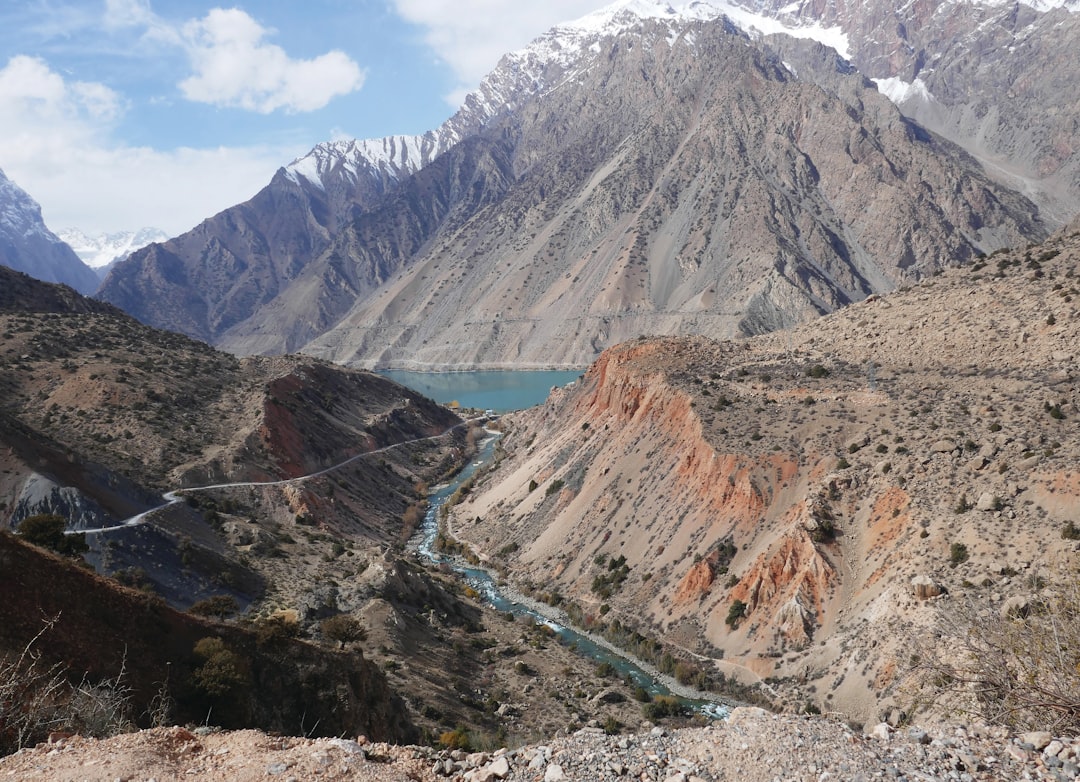
As an informed reader, you understand that economic prosperity, particularly in resource-rich regions, often rests on a foundational layer of natural capital. In Central Asia, this foundation is undeniably liquid: water. The region’s history, culture, and, crucially, its contemporary economic structure are intrinsically linked to the availability and management of its water resources, primarily the Amu Darya and Syr Darya river systems. This article delves into the critical analysis of water-dependent GDP in Central Asia, examining the multifaceted ways in which water scarcity, mismanagement, and geopolitical dynamics shape the economic landscape of Kazakhstan, Kyrgyzstan, Tajikistan, Turkmenistan, and Uzbekistan.
Central Asian economies are, in essence, downstream economies, their prosperity flowing with the rivers. The glaciers and snowmelt of the Tien Shan and Pamir mountains act as immense natural reservoirs, feeding the two primary arteries of the region. This dependence is not merely incidental; it is foundational. For centuries, sophisticated irrigation systems have transformed arid landscapes into fertile agricultural zones, supporting dense populations and generating wealth. Today, this historical dependence has transmuted into a modern economic vulnerability, a tightrope walk between growth and hydrological stress.
Agriculture: The Thirsty Giant of GDP
No sector in Central Asia illustrates water dependency more vividly than agriculture. Across the five nations, agriculture consistently contributes a significant portion to their respective GDPs, often employing a substantial percentage of the workforce. Uzbekistan, for example, remains a major cotton producer, a crop notoriously thirsty. Kazakhstan boasts vast grain fields, while Tajikistan and Kyrgyzstan rely heavily on irrigated fruit and vegetable cultivation. The prosperity of these agricultural endeavors directly correlates with water availability for irrigation.
- Cotton and Cereals: Water-Intensive Staples: The legacy of Soviet agricultural planning, with its emphasis on monoculture and large-scale irrigation, continues to shape land use and water demand. Cotton, a white gold of the past, still commands considerable land and water resources in Uzbekistan and Turkmenistan. Similarly, Kazakhstan’s vast cereal production relies heavily on irrigation in many regions, especially as climate change increasingly impacts rainfall patterns.
- Decentralized Farming and Resource Strain: The transition from collective farms to more decentralized agricultural models has, in some instances, exacerbated water management challenges. Smaller, individual farms may lack the resources or coordination to implement efficient irrigation techniques, leading to localized over-extraction and further strain on regional water resources.
- Food Security Implications: Beyond direct GDP contribution, agricultural output directly impacts food security for millions. A significant drought event, therefore, has immediate and cascading effects, not only on farmers’ incomes but also on national food supplies, potentially leading to increased reliance on imports and higher consumer prices.
Hydropower: The Electric Current of Development
While agriculture represents the primary consumptive use of water, hydropower represents its transformative, generative power. Kyrgyzstan and Tajikistan, with their mountainous terrains and abundant glacial melt, are natural reservoirs of hydroelectric potential. This resource is not just a source of domestic energy; it is a critical export commodity and a strategic asset in regional energy markets.
- Energy Exports and Regional Interdependencies: For Kyrgyzstan and Tajikistan, hydropower is a cornerstone of their energy independence and a significant source of export revenue, particularly to energy-deficient Uzbekistan and Kazakhstan. This creates a complex web of interdependencies, where upstream nations control the “tap” of energy supply to downstream consumers.
- Infrastructure Development and Debt Traps: Realizing the full potential of hydropower requires massive infrastructure projects, such as the Rogun Dam in Tajikistan or the Kambarata-1 project in Kyrgyzstan. These projects necessitate substantial foreign investment, often leading to a reliance on loans from international financial institutions or partner countries, potentially creating debt vulnerabilities.
- Environmental and Social Concerns: Large-scale hydropower projects, while offering clean energy, are not without their critics. Environmental concerns regarding altered river flows, habitat destruction, and seismic risk are frequently raised. Social impacts, such as resettlement of communities and changes in traditional livelihoods, also require careful consideration and mitigation.
In exploring the intricate relationship between water resources and economic growth in Central Asia, a relevant article can be found on MyGeoQuest. This article delves into how water-dependent GDP in the region influences agricultural productivity and overall economic stability. For more insights, you can read the full article here: MyGeoQuest.
The Aral Sea Syndrome: A Cautionary Tale
The tragic desiccation of the Aral Sea serves as a stark metaphor for the consequences of unsustainable water management. Once the world’s fourth-largest inland sea, it has shrunk to fragments, a direct result of large-scale irrigation schemes diverting its feeder rivers. This environmental catastrophe offers crucial lessons for understanding the long-term risks associated with water-dependent economies.
Ecological Collapse and Economic Displacement
The Aral Sea disaster triggered an ecological collapse of immense proportions. The resulting salt-laden dust storms have degraded millions of hectares of arable land, impacting agricultural productivity far beyond the immediate basin. Fishing industries, once vibrant, disappeared, leading to widespread unemployment and migration.
- Desertification and Land Degradation: The exposed seabed became a source of toxic dust, containing remnants of pesticides and fertilizers, which is carried by winds across vast distances. This directly contributes to desertification and salinity of irrigated lands, reducing yields and rendering some areas unproductive.
- Health Crises and Social Costs: The environmental degradation has had severe health consequences for local populations, including elevated rates of respiratory illnesses, cancers, and birth defects. These social costs, while difficult to quantify in traditional GDP metrics, represent an enormous burden on public health systems and human capital.
- Loss of Economic Diversification Potential: The Aral Sea’s decline not only destroyed existing industries but also stifled the potential for new, sustainable economic activities that could have emerged from a thriving ecosystem. This highlights the hidden opportunity costs of unsustainable resource exploitation.
Climate Change: The Accelerating Current of Uncertainty

While historical patterns and current practices demonstrate water dependency, climate change acts as a powerful amplifier, accelerating existing vulnerabilities and introducing new layers of uncertainty. The vast glaciers of Central Asia, the very source of its rivers, are retreating at an alarming rate, threatening future water security.
Glacial Retreat and Diminished Water Flows
Scientific consensus indicates that Central Asian glaciers are losing mass at an unprecedented pace. Initially, increased meltwater may actually lead to higher river flows, but this is a temporary phenomenon, a “peak water” scenario followed by inevitable decline.
- Long-Term Water Scarcity: As glaciers diminish, so too will the reliable, year-round water supply for irrigation and hydropower. This poses an existential threat to the current agricultural models and energy production strategies of the downstream nations.
- Increased Frequency of Extreme Weather Events: Climate change is not just about average temperature increases; it encompasses more frequent and intense extreme weather events. This includes prolonged droughts, which severely strain water resources, and sudden, intense precipitation events leading to floods, which can destroy infrastructure and agricultural lands.
- Impact on Snowpack Dynamics: Beyond glaciers, the stability and extent of winter snowpack are crucial for seasonal water supply. Changes in temperature and precipitation patterns can alter snowmelt timing and volume, making water management even more challenging and unpredictable.
In exploring the economic dynamics of Central Asia, it is crucial to consider the implications of water dependency on GDP. A related article discusses how the region’s reliance on water resources impacts agricultural productivity and economic stability. For a deeper understanding of these challenges and opportunities, you can read more in this insightful piece found here. This analysis highlights the intricate relationship between water availability and economic growth in Central Asia, shedding light on the need for sustainable water management practices.
Shifting Water Availability and Transboundary Tensions
The changing hydrological regime directly impacts water allocations, exacerbating existing transboundary water disputes between the Central Asian states. The historical agreements, often rooted in Soviet-era planning, are increasingly strained as downstream nations demand more water for irrigation while upstream nations prioritize hydropower generation.
- Rethinking Water Allocation Mechanisms: The current political economy of water in Central Asia is characterized by a “water-energy nexus,” where upstream countries store water for hydropower in winter and release it for irrigation in summer. Climate change disrupts this delicate balance, necessitating new, equitable, and adaptable water allocation mechanisms.
- The Nexus of Energy, Food, and Water Security: Climate change compels a holistic view of the interconnectedness of energy, food, and water security. Solutions must recognize that decisions made in one sector (e.g., building a new hydropower dam) have profound implications for others (e.g., downstream agricultural productivity).
- Hydrological Diplomacy and Regional Cooperation: The future stability and prosperity of Central Asia hinge on enhanced hydrological diplomacy and genuine regional cooperation. Unilateral actions risk fostering distrust and conflict, whereas collaborative approaches to water management can unlock shared benefits.
Beyond Water: Diversification and Resilience Strategies

Recognizing the inherent risks of water-dependent GDP, Central Asian nations are increasingly exploring strategies to diversify their economies and build resilience against hydrological shocks. This involves a multi-pronged approach encompassing technological innovation, structural economic change, and institutional reforms.
Investment in Water-Saving Technologies
Improving water use efficiency in agriculture is paramount. This includes a transition from traditional flood irrigation to more advanced, less wasteful methods.
- Drip Irrigation and Sprinkler Systems: The adoption of modern irrigation technologies like drip irrigation and localized sprinklers can significantly reduce water consumption while maintaining or even increasing yields. However, the initial capital investment can be a barrier for many farmers.
- Precision Agriculture and Smart Water Management: Leveraging technologies like satellite imagery, sensors, and data analytics can enable precision agriculture, allowing farmers to apply water (and fertilizer) exactly where and when it is needed, optimizing resource use.
- Rehabilitation of Irrigation Infrastructure: Many existing irrigation canals and pipes are old, inefficient, and leaky, leading to substantial water losses. Investing in the rehabilitation and modernization of this infrastructure is a crucial step towards efficiency.
Economic Diversification and Value-Added Industries
Reducing reliance on water-intensive agriculture requires a concerted effort to foster growth in other sectors. This includes developing higher value-added agricultural products, modernizing industries, and investing in services.
- Processing of Agricultural Products: Instead of merely exporting raw cotton or grains, Central Asian countries can develop industries for processing these products into textiles, food products, or animal fodder, capturing more value domestically.
- Development of Non-Agricultural Sectors: Promoting growth in manufacturing, IT, tourism, and various service industries can create new jobs and revenue streams less tethered to water availability. This requires investments in skills, infrastructure, and an enabling business environment.
- Green Economy Initiatives: Exploring opportunities in renewable energy (solar, wind), eco-tourism, and sustainable resource management can not only diversify the economy but also contribute to environmental preservation and attract green investment.
Institutional Reforms and Governance
Effective water governance is not just about technology; it’s about robust institutions, clear legal frameworks, and transparent decision-making processes.
- Integrated Water Resource Management (IWRM): Implementing IWRM principles, which emphasize a holistic and coordinated approach to water management across sectors and administrative boundaries, is crucial for addressing the interconnected challenges.
- Transboundary Water Agreements and Collaboration: Strengthening existing transboundary water agreements and fostering new, adaptive ones based on mutual understanding and shared benefits are essential for regional stability and sustainable water sharing.
- Capacity Building and Public Awareness: Investing in human capital through education and training in water management, hydro-geology, and climate science is vital. Equally important is raising public awareness about water conservation and sustainable practices.
In conclusion, dear reader, the narrative of water-dependent GDP in Central Asia is one of profound vulnerability and immense potential. The region stands at a critical juncture, where the legacy of past resource exploitation intersects with the accelerating realities of climate change. The Aral Sea serves as a potent reminder of the perils of inaction, while the promise of new technologies and collaborative governance offers a path towards a more secure and diversified future. The challenge is not merely to manage water but to transform economies, moving beyond the confines of a liquid destiny to build resilient and sustainable prosperity. The choices made today regarding water management and economic diversification will flow downstream, shaping the fortunes of Central Asia for generations to come.
▶️ STOP: The Middle Corridor Is A Death Trap
FAQs
What does “water dependent GDP” mean in the context of Central Asia?
Water dependent GDP refers to the portion of a country’s gross domestic product that relies directly or indirectly on water resources. In Central Asia, this includes sectors like agriculture, energy production, and industry that require significant water usage.
Why is water dependency significant for Central Asian economies?
Water dependency is significant because many Central Asian countries rely heavily on water-intensive activities such as irrigation for agriculture and hydropower generation. Water scarcity or mismanagement can therefore have substantial impacts on economic growth and stability.
Which Central Asian countries are most affected by water dependency?
Countries such as Uzbekistan, Kazakhstan, Kyrgyzstan, Tajikistan, and Turkmenistan are all affected by water dependency, with varying degrees. For example, Uzbekistan and Turkmenistan have large agricultural sectors dependent on irrigation, while Kyrgyzstan and Tajikistan rely heavily on hydropower.
How does water scarcity impact GDP in Central Asia?
Water scarcity can reduce agricultural yields, limit energy production, and constrain industrial activities, leading to lower GDP growth. It can also increase costs for water management and create socio-economic challenges, affecting overall economic development.
What measures are being taken to manage water dependency in Central Asia?
Central Asian countries are working on regional cooperation agreements, improving water use efficiency, investing in modern irrigation technologies, and developing integrated water resource management strategies to mitigate the risks associated with water dependency and ensure sustainable economic growth.