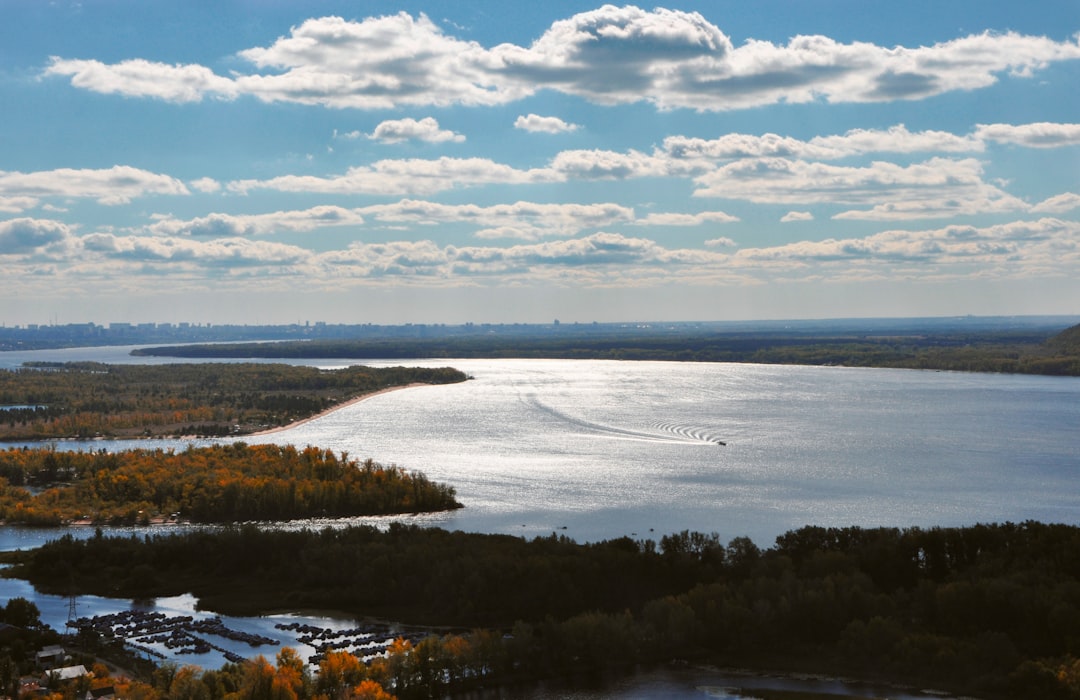
The Volga River, Europe’s longest waterway, serves as a vital artery for Russia, a lifeline for its ecosystems and economies. Central to its lifeblood are the seasonal transformations dictated by the vast snowpack accumulated across its basin during winter. The annual melt of this frozen reservoir is not merely a meteorological event; it is a complex hydrological process that profoundly influences the river’s flow, the health of its delta, agricultural productivity, and the industrial landscape. Understanding the historical trends and projecting the future implications of this snowpack melt is crucial for effective water resource management and long-term strategic planning in the region.
The Volga River basin, spanning over 1.3 million square kilometers, receives a significant portion of its annual precipitation in the form of snow. This snowpack acts as a massive natural reservoir, storing water throughout the cold months and releasing it gradually during the spring and early summer thaw. The depth, density, and duration of this snow cover are critical factors determining the volume and timing of the meltwater that feeds the Volga.
Factors Influencing Snowpack Accumulation
The accumulation of snow in the Volga basin is a multifaceted phenomenon influenced by a range of geographical and climatic variables. The sheer scale of the basin means that localized weather patterns can lead to significant regional variations in snow depth.
Topography and Elevation
Higher elevations within the basin, particularly in the Ural Mountains and the Valdai Hills, tend to receive more snowfall and retain it for longer periods due to lower ambient temperatures. These elevated regions act as the headwaters for many of the Volga’s tributaries, making their snowpack a precursor to the river’s main flow. The topography of the land also influences wind patterns, which can redistribute snow, creating drifts and varying depths across landscapes.
Winter Atmospheric Circulation Patterns
The prevailing atmospheric circulation patterns during winter play a pivotal role in dictating the amount of moisture available for snowfall across the basin. Dominant frontal systems originating from the Atlantic or Arctic can bring substantial precipitation, while prolonged periods of high pressure can lead to drier, colder conditions with reduced snow accumulation. The frequency and intensity of these atmospheric drivers directly translate into the volume of water locked away in the snow.
Temperature Regimes
Winter temperatures are, unsurprisingly, a primary determinant of how much precipitation falls as snow versus rain. Regions experiencing consistently low temperatures throughout the winter are more likely to build substantial snowpacks. Conversely, warmer winters can lead to a higher proportion of rain, reducing the long-term water storage capacity of the snow.
The Snowmelt Process
The transition from winter’s frozen embrace to spring’s awakening is marked by the gradual release of water from the snowpack. This process is not uniform and can be a delicate dance between energy input and the physical properties of the snow.
Energy Sources for Melting
The primary driver of snowmelt is solar radiation. As the sun’s angle increases and its intensity grows with the arrival of spring, it begins to warm the snow surface. Ambient air temperature also plays a significant role, with warmer air accelerating the melting process. Additionally, heat transfer from the ground beneath the snowpack can contribute to melting from the base.
Snow Properties and Melt Rate
The physical characteristics of the snow itself significantly influence how quickly it melts. Factors such as snow density, crystal structure, and the presence of impurities (like dust or soot) can affect its albedo (reflectivity). Lighter, purer snow reflects more solar radiation, slowing melting, while darker, denser snow absorbs more heat, accelerating the process. The layered structure of snow can also create internal pathways for water flow, influencing the rate at which meltwater is released.
Recent studies on the Volga River have highlighted significant trends in snowpack melt, which have important implications for the region’s hydrology and agriculture. For a deeper understanding of these trends and their potential impacts, you can refer to a related article that discusses the broader implications of climate change on river systems. To learn more, visit this article.
Observed Trends in Volga Snowpack
Analyzing historical data provides a crucial lens through which to understand how the Volga River’s snowpack has been behaving in recent decades. These trends are not a static picture but rather a dynamic narrative shaped by evolving climatic conditions.
Declining Snowpack Depths
Numerous studies and direct observations suggest a general trend of decreasing snowpack depths across large portions of the Volga River basin. This decline is not uniform and can vary regionally, but the overarching pattern points towards a reduction in the volume of water stored as snow. This is akin to a savings account gradually being depleted, impacting the future availability of funds.
Regional Variations in Snowpack Decline
While the general trend is downward, the rate and extent of snowpack decline vary significantly across the vast Volga basin. Upper and middle reaches of the river, often characterized by higher elevations, might exhibit different patterns compared to the lower reaches, which are more influenced by continental air masses. Understanding these regional nuances is vital for targeted management strategies.
Shifting Snow Cover Duration
Beyond just the depth, the duration for which snow covers the ground is also changing. Winters are becoming shorter in some areas, with snow appearing later and melting earlier. This truncation of the snow cover period reduces the overall time water is effectively stored in the snowpack, impacting the natural hydrological cycle.
Earlier Thaw Onset
In many regions, the onset of the spring thaw is occurring earlier than historical averages. This leads to a premature release of meltwater, potentially uncoupling the peak river flow from periods of maximum water demand for agriculture and industry.
Later Snowfall Accumulation
Conversely, the period of significant snowfall accumulation might be shifting later into the winter. This can result in a reduced overall winter snow mass, even if individual snowfall events are still significant.
Implications of Snowpack Changes for River Flow

The alterations in snowpack accumulation and melt have direct and profound consequences for the Volga River’s flow regime, its seasonal peaks, and its overall water availability. These changes ripple through the entire hydrological system.
Altered Spring Flood Peaks
The spring flood is a defining characteristic of the Volga’s annual hydrological cycle, historically replenishing water reserves and supporting vital ecological processes. Changes in snowpack melt are directly impacting the magnitude and timing of these floods.
Reduced Flood Volumes
A diminished snowpack naturally translates to smaller meltwater volumes, leading to reduced peak flood flows. This can have significant implications for reservoir replenishment and the natural inundation of floodplains.
Advanced Flood Timing
As mentioned, earlier snowmelt means that the spring flood peak is often occurring earlier in the year. If this peak arrives before crops are planted or when water demand is low, it can lead to inefficiencies in water utilization.
Changes in Summer and Autumn Flows
The impact of snowpack changes is not confined to the spring. The reduced water stored in the snowpack can also influence the river’s flow during the crucial summer and autumn months, when water demand is typically high for irrigation, industrial processes, and municipal supply. This can lead to drier river conditions during periods of peak need.
Water Scarcity Risks
A consistently lower snowpack and earlier melt can exacerbate the risk of water scarcity during the warmer months. This is particularly concerning for regions heavily reliant on the Volga for their water supply, potentially leading to competition among different water users.
Impact on the Volga Delta
The Volga Delta, a unique and biodiverse wetland ecosystem, is intricately linked to the river’s flow. Reduced spring floods and altered seasonal flows can significantly impact the delta’s ecology, affecting fish spawning grounds, vegetation, and the overall health of this vital Ramsar site.
Broader Environmental and Economic Ramifications

The implications of evolving Volga snowpack melt extend far beyond the riverbanks, touching upon the broader environmental health of the basin and the economic activities that depend on its water resources.
Impact on Agriculture and Irrigation
Agriculture is a cornerstone of the Volga basin’s economy, and its productivity is directly tied to water availability. Changes in snowmelt can create a less predictable and potentially scarcer water supply for irrigation, posing challenges for crop yields and food security.
Water Availability for Crop Cultivation
The timing and volume of meltwater are critical for spring planting and early crop development. A reduced or poorly timed melt can lead to drought stress for young plants, necessitating increased reliance on artificial irrigation, which in turn places further strain on water resources.
Increased Demand for Irrigation Infrastructure
As natural water availability becomes more variable, there may be an increased need for enhanced irrigation infrastructure, including reservoirs and pumping systems. The development and maintenance of such infrastructure represent significant economic investments and potential environmental challenges.
Hydropower Generation and Energy Security
The Volga River is a major source of hydroelectric power for Russia, with numerous dams and power stations harnessing its current. Changes in river flow due to altered snowpack melt can directly impact the efficiency and reliability of this crucial energy source.
Variations in Reservoir Levels
The volume of meltwater dictates the replenishment of reservoirs behind the dams. Reduced snowpack means less water entering the reservoirs, potentially leading to lower water levels. This can constrain the operational capacity of hydropower plants.
Challenges for Energy Planning
Unpredictable alterations in water flow create challenges for long-term energy planning. Hydropower generation from the Volga, a reliable baseload power source, becomes less certain, potentially requiring greater reliance on other, perhaps more carbon-intensive, energy generation methods.
Ecosystem Health and Biodiversity
The natural environment of the Volga basin is intricately adapted to the river’s historical hydrological regime, including its strong spring flood pulses. Alterations to this regime can have cascading effects on aquatic life, terrestrial ecosystems, and overall biodiversity.
Fish Spawning and Migration
Many fish species in the Volga rely on the high water levels and floodplains of the spring flood for spawning and nursery grounds. Changes in flood timing and volume can disrupt these critical life cycle stages, impacting fish populations.
Wetland and Floodplain Dynamics
Wetlands and floodplains are vital habitats that are recharged and maintained by seasonal floods. Reduced flood pulses can lead to the drying out of these areas, impacting plant communities, bird nesting sites, and the overall ecological resilience of the basin.
Recent studies have highlighted the significance of snowpack melt trends in the Volga River basin, which play a crucial role in regional water management and ecosystem health. For a deeper understanding of how these trends are influenced by climate change and their implications for surrounding communities, you can explore a related article that discusses these dynamics in detail. This information is vital for policymakers and environmentalists alike, as it sheds light on the challenges posed by shifting hydrological patterns. To read more about this topic, visit this article.
Future Projections and Adaptation Strategies
| Year | Snowpack Volume (km³) | Peak Melt Date | Melt Rate (km³/day) | Average Temperature During Melt (°C) | Notes |
|---|---|---|---|---|---|
| 2018 | 12.5 | April 15 | 0.35 | 2.1 | Normal melt season |
| 2019 | 11.8 | April 10 | 0.40 | 2.5 | Earlier melt onset |
| 2020 | 10.9 | April 8 | 0.42 | 2.8 | Increased melt rate |
| 2021 | 10.2 | April 5 | 0.45 | 3.0 | Significant warming trend |
| 2022 | 9.7 | April 3 | 0.48 | 3.2 | Earliest melt recorded |
The observed trends are not static and are likely to continue evolving as the climate changes. Proactive adaptation strategies are essential to mitigate the potential negative impacts and to ensure the sustainable management of the Volga River’s water resources.
Climate Change and Future Snowpack Scenarios
Climate models project continued warming trends, which are expected to further influence snowpack dynamics in the Volga basin. These projections paint a complex picture with regional variations.
Warmer Winters and Reduced Snowfall
The general expectation is that winters will continue to warm, leading to a higher proportion of precipitation falling as rain rather than snow, and a shorter duration of snow cover. This directly translates to a reduced snow water equivalent across much of the basin.
Increased Rain-Snow Ratio
As temperatures rise, the threshold at which precipitation falls as rain rather than snow will shift to higher elevations and colder periods. This will further diminish the snowpack’s capacity to store water over extended periods.
Adaptation Measures and Water Management Policies
Responding to these projected changes requires a multi-pronged approach, integrating scientific understanding with robust policy and practical adaptation measures.
Enhancing Water Use Efficiency
A critical adaptation strategy involves improving water use efficiency across all sectors, from agriculture to industry and municipal consumption. This includes investing in water-saving technologies, optimizing irrigation practices, and promoting water conservation initiatives.
Integrated Water Resource Management (IWRM)
Implementing Integrated Water Resource Management principles is paramount. This involves a holistic approach that considers all aspects of the water cycle and all stakeholders, fostering collaboration between different regions, sectors, and governmental agencies to ensure equitable and sustainable water allocation.
Infrastructure Modernization and Development
Strategic investments in water infrastructure may be necessary. This could include upgrading existing dams and reservoirs to improve operational efficiency, developing new water storage solutions where environmentally appropriate, and modernizing water distribution networks to minimize losses.
Monitoring and Research Initiatives
Continuous monitoring of snowpack, river flow, and other hydrological parameters is crucial. Investing in robust research initiatives will provide the up-to-date data and scientific understanding needed to refine projections and adapt management strategies as conditions evolve. The Volga River, a sentinel of change, demands our vigilant attention and proactive stewardship.
FAQs
What is the Volga River snowpack?
The Volga River snowpack refers to the accumulation of snow in the Volga River basin during the winter months. This snowpack serves as a critical source of water when it melts in the spring, contributing to river flow and regional water supply.
Why are snowpack melt trends important for the Volga River?
Snowpack melt trends are important because they influence the timing and volume of water entering the Volga River. Changes in melt patterns can affect water availability, flood risks, agriculture, and hydroelectric power generation in the region.
What factors influence snowpack melt trends in the Volga River basin?
Snowpack melt trends are influenced by temperature changes, precipitation patterns, and climate variability. Warmer temperatures can lead to earlier and faster snowmelt, while variations in snowfall affect the overall snowpack volume.
How have snowpack melt trends in the Volga River basin changed in recent years?
Recent studies indicate that snowpack melt in the Volga River basin has been occurring earlier in the year, with some evidence of reduced snowpack volume. These changes are linked to rising temperatures and shifting climate patterns in the region.
What are the potential impacts of changing snowpack melt trends on the Volga River ecosystem?
Changing snowpack melt trends can alter river flow regimes, affecting aquatic habitats, fish populations, and water quality. Earlier snowmelt may lead to reduced water availability during summer months, impacting agriculture, industry, and communities dependent on the river.