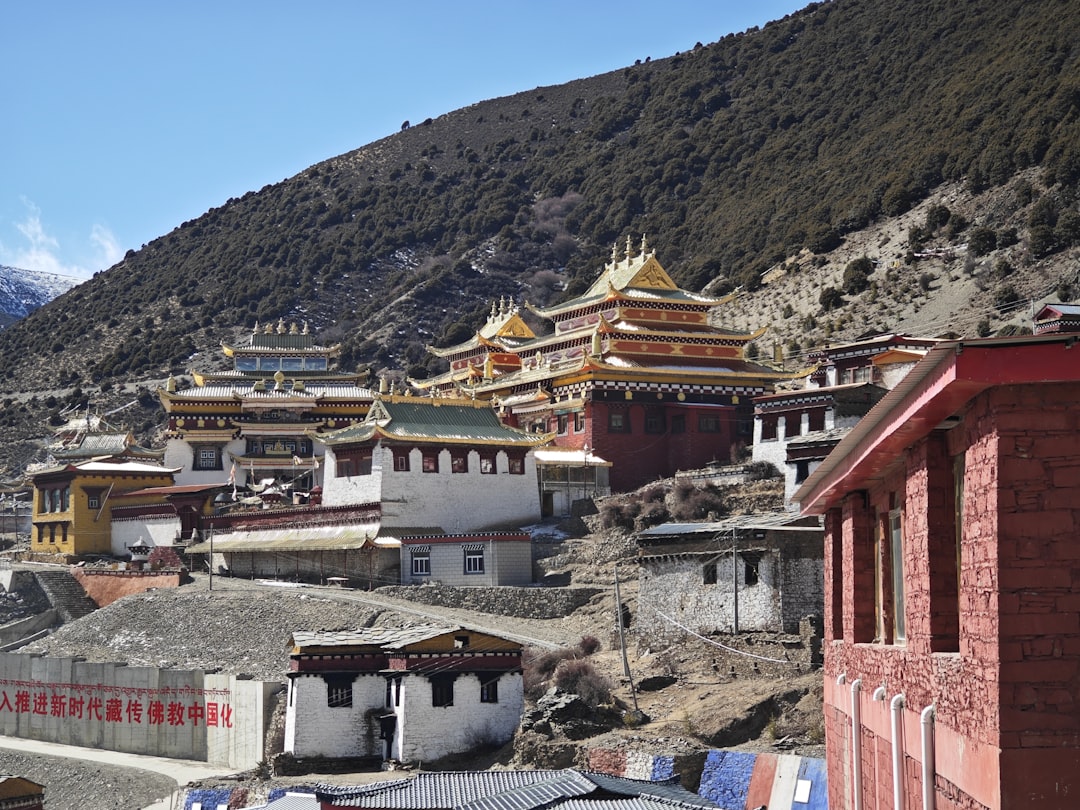
Tibet, often referred to as the “Roof of the World,” is a region characterized by its vast, desolate landscapes and profound spiritual significance. This high-altitude plateau, with its sweeping vistas and rugged terrain, presents a unique paradox: while it may appear empty and inhospitable, it is rich in strategic potential. The emptiness of Tibet is not merely a physical attribute; it embodies a complex interplay of geography, culture, and geopolitics.
The region’s isolation and remoteness have historically rendered it a place of intrigue, drawing the attention of various powers seeking to assert influence over its vast expanses. The emptiness of Tibet serves as both a challenge and an opportunity for military strategists. Its harsh environment can deter conventional military operations, yet it also offers unique advantages for those who can adapt to its conditions.
Understanding the strategic importance of Tibet requires a nuanced appreciation of its geographical features, cultural context, and the historical dynamics that have shaped its role in regional and global politics. As nations navigate the complexities of modern warfare, Tibet’s emptiness emerges as a critical factor in shaping military strategies and operations.
Key Takeaways
- Tibet’s emptiness presents unique strategic opportunities for military operations.
- The harsh terrain of Tibet can be utilized to create natural barriers and defensive positions.
- The high altitude of Tibet can be leveraged for surveillance, communication, and air superiority.
- Tibet’s remote location provides strategic defense advantages and opportunities for covert operations.
- Incorporating Tibetan culture and traditions into military strategy can help build alliances and gain local support.
Understanding the Strategic Importance of Tibet
Tibet’s strategic importance is underscored by its geographical position at the crossroads of several major powers, including China, India, and Nepal. This location not only makes it a buffer zone but also a potential flashpoint for conflict. The region’s proximity to key trade routes and water sources further enhances its significance in the geopolitical landscape.
Control over Tibet can provide access to vital resources and routes that are essential for economic and military logistics. As such, the region has become a focal point for national interests and security concerns. Moreover, Tibet’s historical context adds layers to its strategic importance.
The region has long been a site of cultural and religious significance, with its monasteries and spiritual traditions attracting attention from around the world. This cultural richness can be leveraged in military strategy, as understanding local sentiments and traditions can foster cooperation or resistance among the Tibetan people. Thus, the strategic importance of Tibet extends beyond mere geography; it encompasses the intricate relationships between nations, cultures, and histories that define the region.
Utilizing Tibet’s Harsh Terrain for Military Advantage
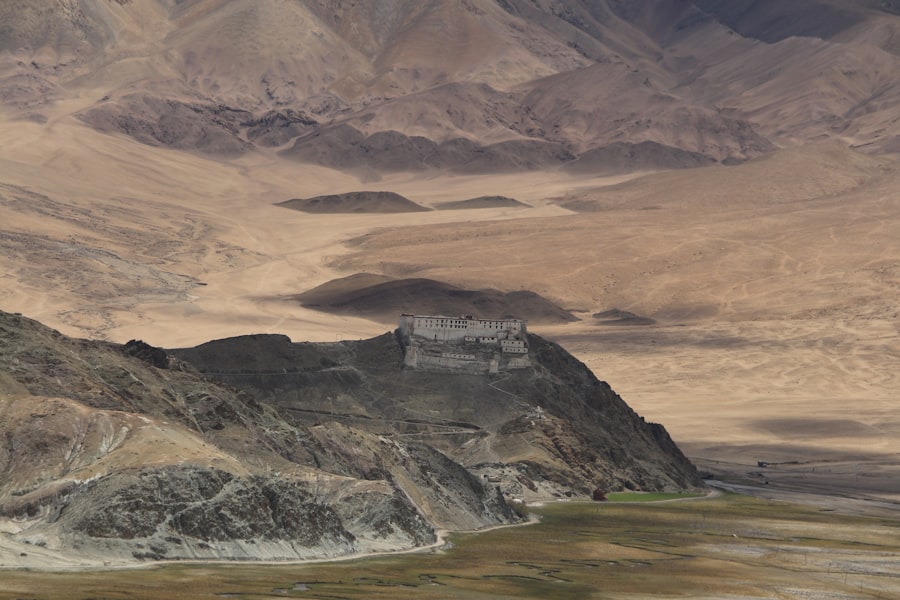
The harsh terrain of Tibet presents both obstacles and opportunities for military operations. The rugged mountains, deep valleys, and arid plateaus create a challenging environment for conventional forces. However, this very harshness can be transformed into a tactical advantage.
For instance, the difficult terrain can impede enemy movements, making it easier for defending forces to establish strongholds and ambush points. The natural barriers provided by the landscape can serve as fortifications that enhance defensive capabilities. Additionally, the unique topography of Tibet allows for unconventional warfare tactics.
Guerrilla strategies can be effectively employed in such an environment, where small units can navigate the terrain with agility while launching surprise attacks on larger enemy formations. The ability to utilize the landscape creatively can turn perceived disadvantages into strengths, allowing military forces to operate effectively even in challenging conditions. By understanding and adapting to Tibet’s harsh terrain, military planners can devise strategies that capitalize on the region’s natural features.
Leveraging Tibet’s Altitude for Military Operations
| Altitude | Advantages | Challenges |
|---|---|---|
| High altitude | Provides strategic advantage for surveillance and defense | Difficulties in acclimatization for troops and equipment |
| Thin air | Enhances missile range and air superiority | Reduces aircraft and engine performance |
| Harsh climate | Natural barrier against invasion | Logistical challenges for supply and maintenance |
Tibet’s altitude is one of its most defining characteristics, with many areas exceeding 4,000 meters above sea level. This extreme elevation poses significant challenges for military operations, particularly in terms of logistics and personnel acclimatization. However, altitude can also be leveraged as a strategic asset.
Forces trained to operate in high-altitude environments can gain a distinct advantage over adversaries who are unprepared for such conditions. The ability to conduct operations at altitude can enhance mobility and surprise, allowing for rapid maneuvers that catch opponents off guard. Moreover, altitude affects not only physical performance but also technological capabilities.
Aircraft operating at high elevations may experience reduced efficiency due to thinner air, which can impact their range and payload capacity. Understanding these dynamics allows military strategists to tailor their operations accordingly, ensuring that they maximize their effectiveness while minimizing vulnerabilities. By leveraging Tibet’s altitude as a factor in military planning, forces can create strategies that exploit their own strengths while undermining those of their adversaries.
Exploiting Tibet’s Remote Location for Strategic Defense
Tibet’s remote location serves as both a natural barrier and a strategic defense mechanism. The region’s isolation from major urban centers and logistical hubs complicates enemy supply lines and troop movements. This remoteness can be exploited to establish fortified positions that are difficult for adversaries to reach or disrupt.
By creating strongholds in strategically advantageous locations throughout Tibet, military forces can effectively control key access points while denying adversaries the ability to penetrate deep into the region. Furthermore, the remoteness of Tibet allows for clandestine operations that can be conducted with minimal detection. Special operations forces can utilize the vast expanses of uninhabited land to conduct reconnaissance missions or launch targeted strikes without drawing attention.
This capability is particularly valuable in an era where information warfare plays a crucial role in military strategy. By exploiting Tibet’s remote location, military planners can create layers of defense that enhance overall security while maintaining operational flexibility.
Incorporating Tibetan Culture and Traditions into Military Strategy

Incorporating Tibetan culture and traditions into military strategy is essential for fostering cooperation and understanding among local populations.
Engaging with local communities through cultural initiatives or humanitarian efforts can build goodwill and trust, which are invaluable assets in any military operation.
Moreover, understanding Tibetan traditions can provide insights into local dynamics that may influence military operations. For instance, recognizing the significance of certain religious sites or festivals can help avoid potential conflicts with local populations. By integrating cultural awareness into military strategy, forces can create an environment conducive to collaboration rather than resistance.
This approach not only enhances operational effectiveness but also contributes to long-term stability in the region.
Harnessing Tibet’s Natural Resources for Military Operations
Tibet is endowed with a wealth of natural resources that can be harnessed for military operations. The region is rich in minerals, water resources, and energy potential, all of which can support military logistics and infrastructure development. Accessing these resources can enhance self-sufficiency for military forces operating in the region, reducing reliance on external supply chains that may be vulnerable to disruption.
Additionally, water resources from Tibetan rivers are crucial for downstream countries, making control over these waterways strategically significant. Military planners must consider how to secure these resources while balancing environmental concerns and local needs. By harnessing Tibet’s natural resources effectively, military forces can bolster their operational capabilities while contributing to regional stability through responsible resource management.
Adapting Military Tactics to Tibet’s Unique Climate and Environment
The unique climate of Tibet presents distinct challenges that require tailored military tactics. The region experiences extreme weather conditions, including harsh winters and intense sunlight at high altitudes. These factors can impact troop morale, equipment performance, and overall operational effectiveness.
Military planners must adapt their strategies to account for these environmental variables, ensuring that forces are equipped to operate effectively under varying conditions.
Additionally, logistical considerations must be made regarding equipment selection and maintenance in such climates.
By adapting military tactics to align with Tibet’s unique climate and environment, forces can enhance their resilience and effectiveness in operations.
Building Alliances with Tibetan Communities for Intelligence and Support
Building alliances with Tibetan communities is crucial for gathering intelligence and securing local support during military operations. Engaging with local leaders and fostering relationships based on mutual respect can provide valuable insights into regional dynamics and potential threats. These alliances can also facilitate cooperation in humanitarian efforts or community development projects that benefit both military objectives and local populations.
Furthermore, local communities often possess knowledge about the terrain and environment that can be invaluable for military planning. By leveraging this knowledge through collaboration with Tibetan communities, military forces can enhance their situational awareness and operational effectiveness. Establishing trust-based relationships with local populations not only aids in intelligence gathering but also contributes to long-term stability in the region.
Overcoming Challenges and Risks of Operating in Tibet
Operating in Tibet is fraught with challenges and risks that must be carefully navigated by military planners. The harsh terrain, extreme altitude, and unpredictable weather conditions pose significant obstacles to troop movements and logistics. Additionally, political sensitivities surrounding Tibetan identity and autonomy require careful consideration to avoid exacerbating tensions with local populations or international observers.
Moreover, the potential for conflict with neighboring countries adds another layer of complexity to military operations in Tibet. As various nations vie for influence in the region, any miscalculation could lead to escalated tensions or outright conflict. To mitigate these risks, comprehensive intelligence assessments and diplomatic engagement are essential components of any military strategy in Tibet.
Maximizing Military Advantage in Tibet’s Emptiness
In conclusion, maximizing military advantage in Tibet’s emptiness requires a multifaceted approach that considers the region’s unique geographical features, cultural context, and strategic significance. By understanding the complexities of operating in this high-altitude environment, military planners can develop strategies that leverage Tibet’s harsh terrain, altitude, remote location, natural resources, and cultural dynamics. The challenges presented by Tibet’s emptiness are not insurmountable; rather, they offer opportunities for innovative tactics and collaborative approaches that enhance operational effectiveness while fostering positive relationships with local communities.
As nations navigate the evolving geopolitical landscape surrounding Tibet, recognizing its strategic importance will be crucial for ensuring stability and security in this remarkable region of the world.
The strategic significance of Tibet’s vast and often desolate landscape has long been a topic of discussion, particularly in relation to military operations and national security. The region’s emptiness is not merely a geographical feature but a calculated advantage for military planning and logistics. For a deeper understanding of how these factors play into the geopolitical dynamics of the area, you can read more in this related article on military strategies in remote regions at MyGeoQuest.
WATCH THIS! Tibet’s Emptiness Is No Accident
FAQs
What is the concept of “Tibet’s Emptiness” for military reasons?
The concept of “Tibet’s Emptiness” refers to the strategic military advantage that the vast and rugged terrain of Tibet offers. Due to its high altitude, harsh climate, and difficult terrain, Tibet has historically been a challenging region for military operations, making it a valuable defensive position.
Why is Tibet’s emptiness considered important for military reasons?
Tibet’s emptiness is considered important for military reasons due to its strategic location and challenging terrain. The rugged landscape and high altitude make it difficult for military forces to operate effectively, providing a natural barrier against potential invaders.
How has Tibet’s emptiness influenced military strategies in the region?
Tibet’s emptiness has influenced military strategies in the region by shaping the defensive and offensive tactics of various powers throughout history. The difficult terrain has made it challenging for invading forces to penetrate the region, while also providing a natural advantage for defenders.
What are some historical examples of Tibet’s emptiness impacting military operations?
Historical examples of Tibet’s emptiness impacting military operations include the difficulties faced by invading forces such as the Mongols and the British during their attempts to conquer Tibet. The challenging terrain and harsh climate played a significant role in shaping the outcomes of these military campaigns.
How does Tibet’s emptiness impact modern military considerations?
In modern times, Tibet’s emptiness continues to be a factor in military considerations, particularly in the context of geopolitical tensions in the region. The rugged terrain and high altitude present challenges for military operations, influencing the strategic calculations of various powers with interests in the area.